



London’s big museums are magnificent, free and rightly famous, but after the umpteenth hour spent staring at treasures accumulated by empire, donor or a nefariously acquisitive duke, even the culturally dutiful among us may crave a different kind of civic enrichment. Fortunately, London handsomely rewards the traveler willing to wander, duck through an archway, or enter an exclusive hotel with the vaguely purposeful expression of someone who’s left a scarf in the lobby. Here are eight free diversions—views, oddities, architecture, street life and a little music history—that reveal the city beyond its galleries, ticket counters and double-deckers.
1. Two Views Above the City
The London Eye may be the town’s best-known perch, but it’s hardly the only—or necessarily most satisfying—option. In the City, the Sky Garden atop the Fenchurch Building (aka “The Walkie-Talkie”) offers an elevated panorama of the Thames, Tower Bridge, the Shard and London’s ever-escalating collection of modern structures that appear to have been designed by a committee of ambitious kitchen appliances. Advance booking is required and popular times fill quickly. The nearby Garden at 120 Fenchurch delivers another excellent outlook, with a rooftop horticultural arrangement that feels anomalously orderly for central London. The Garden is usually open to walk-ins, with no advance booking required, although its opening hours and occasional access restrictions are worth checking beforehand.
2. Ancient Rome Below All Hallows
From the outside, All Hallows by the Tower, just west of the Tower of London, looks like the sort of ancient church one might admire briefly before continuing toward something with a more aggressive marketing department. Go inside. The crypt houses a museum that drops visitors through layers of the city’s past, including Roman-era remains and the surviving foundation of an earlier Saxon church. It’s one of the most compact and satisfying ways to encounter Roman London without enrolling in a full archaeological seminar.
3. Secret View of Tower Bridge
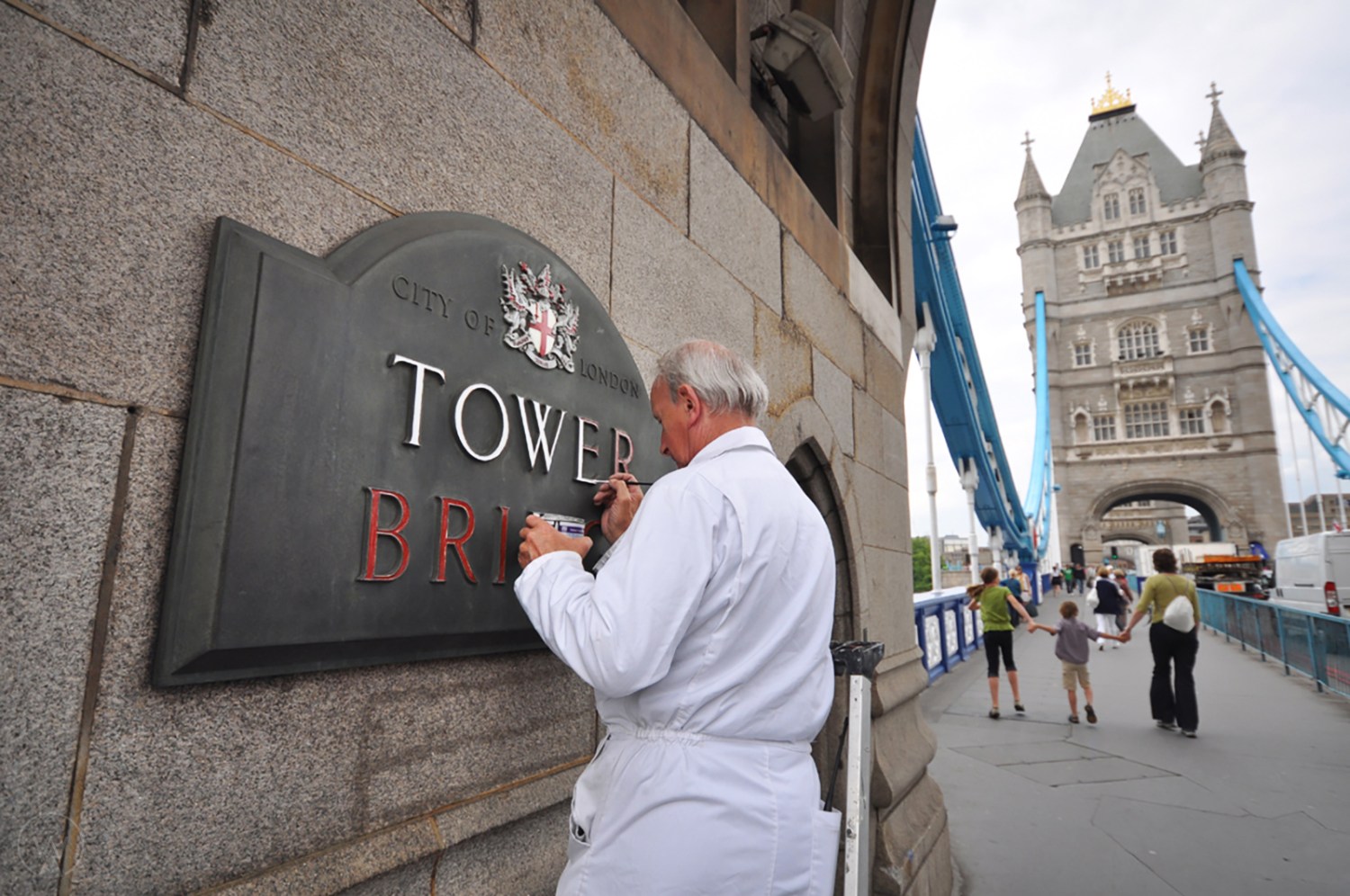
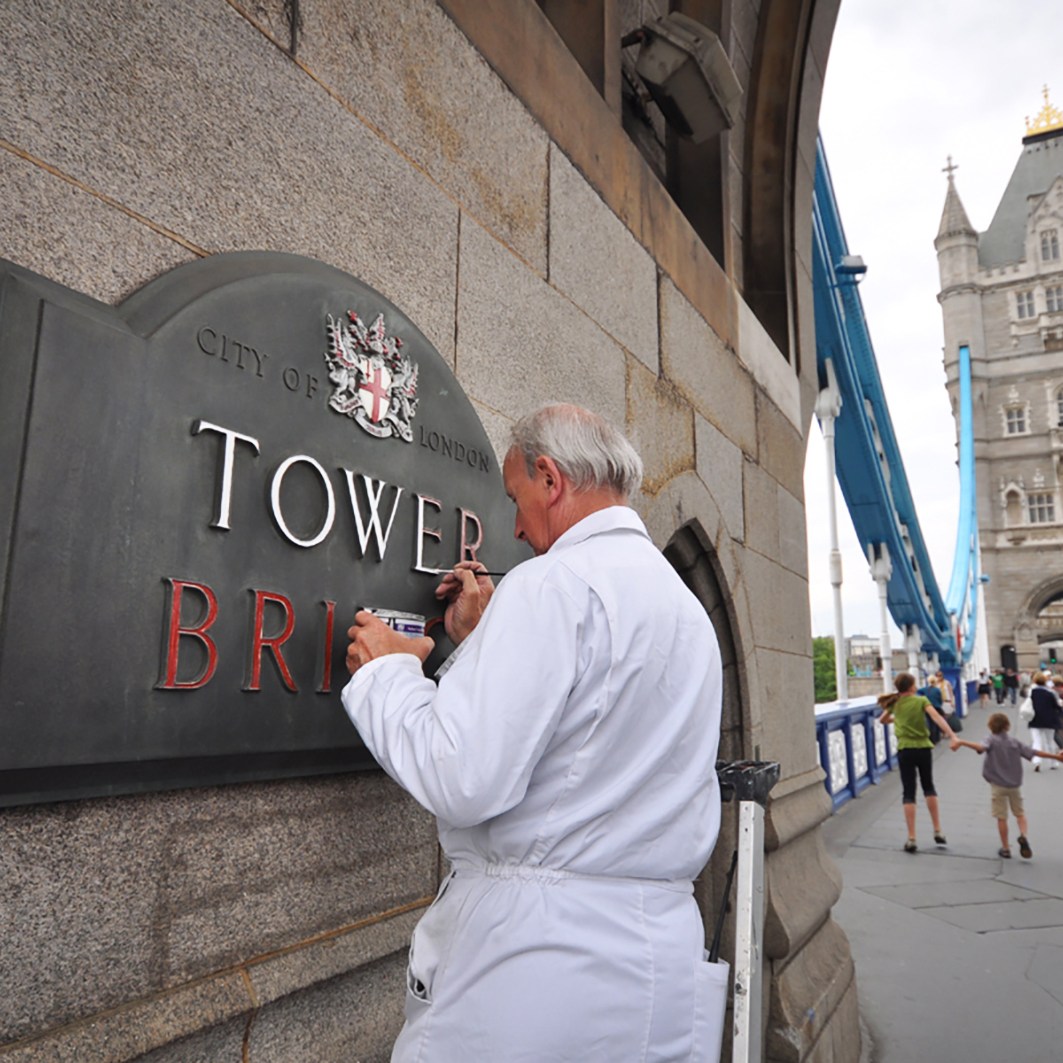
For one of the more rewarding views of Tower Bridge, head not to the bridge itself but to Horseleydown Old Stairs, just east of it on the south bank. Reached through a short pedestrian tunnel beneath the approach roads, the steps lead toward a narrow opening onto the Thames, where Tower Bridge suddenly appears framed by brick and water, mingled with the rather lovely sense that most passersby have missed it entirely. This is not London in postcard mode; it is London as dockside residue—slightly obscure, mildly damp, a tad smelly, and all the more appealing for it.
4. The Southbank Skate Show
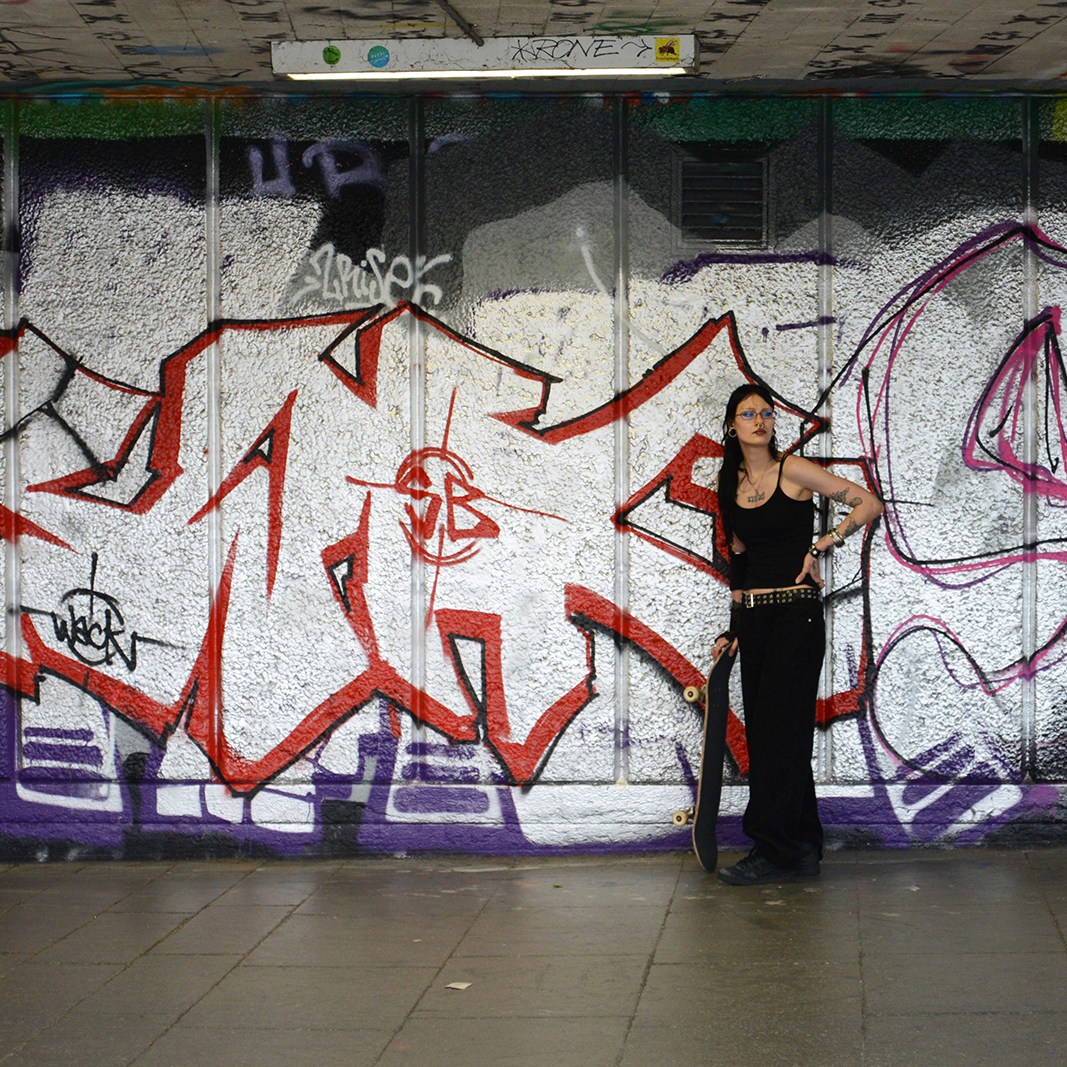
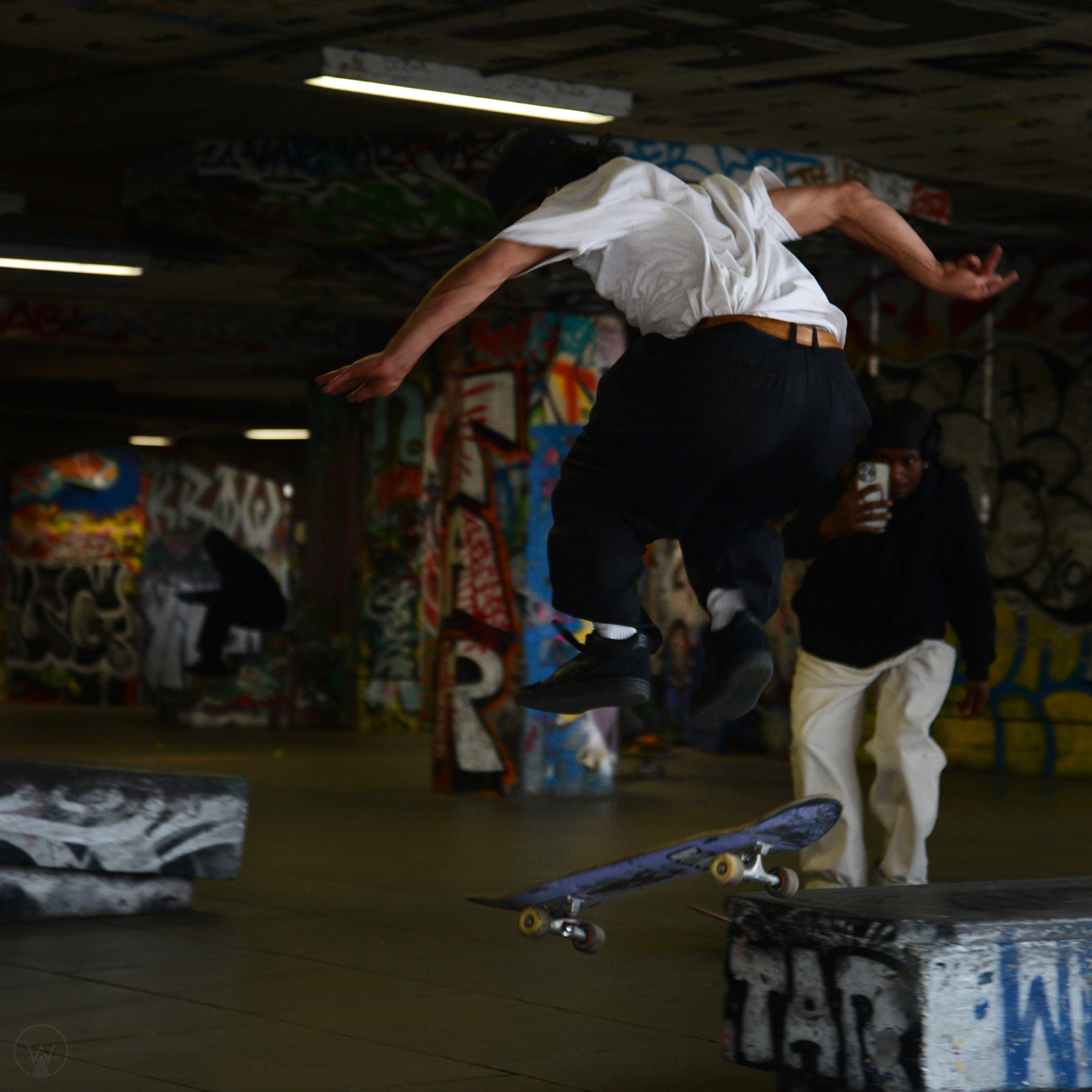
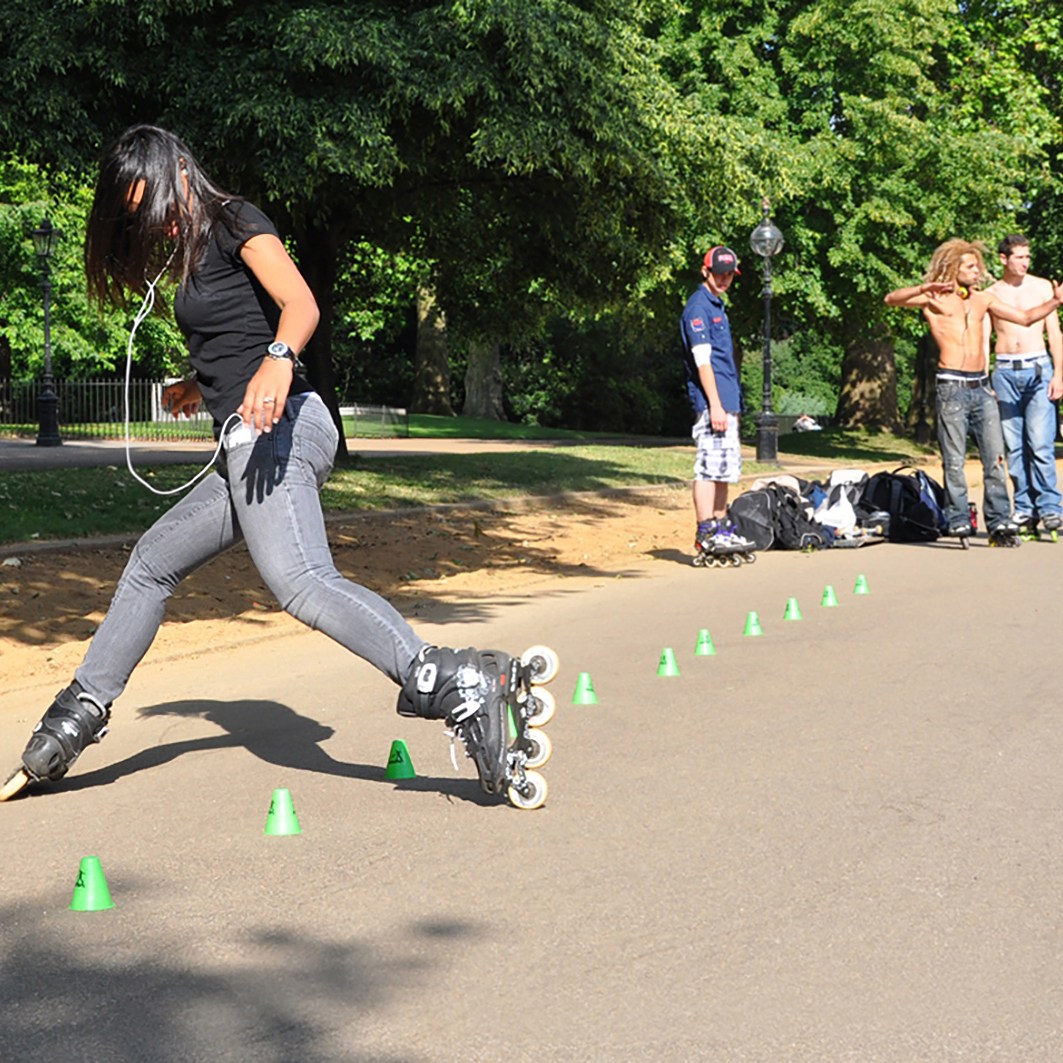
A walk along the South Bank can, at its busiest, feel like a procession through London’s better-organized public pleasures: river views, book stalls, street performers, artisan booths, and people dressed smartly for a movie premier or gallery opening. Beneath Queen Elizabeth Hall and a few steps from Festival Pier, the Southbank Skate Space cuts through that polish with something livelier. Skaters have claimed this concrete undercroft for generations, and the scene—boards grinding against ramps, music pulsing, graffiti accumulating with varying degrees of merit, the occasional thud of flesh-on-concrete paired with a mumbled cluster of explicatives—pushes a small but potent hit of pure urban energy. (Legend has it that Her Majesty inaugurated the park with a nollie bigspin off the A-frame, but the extant footage is awfully grainy.) Stop for ten minutes and move along after twenty.
5. Grandeur of a Bygone Era at St Pancras
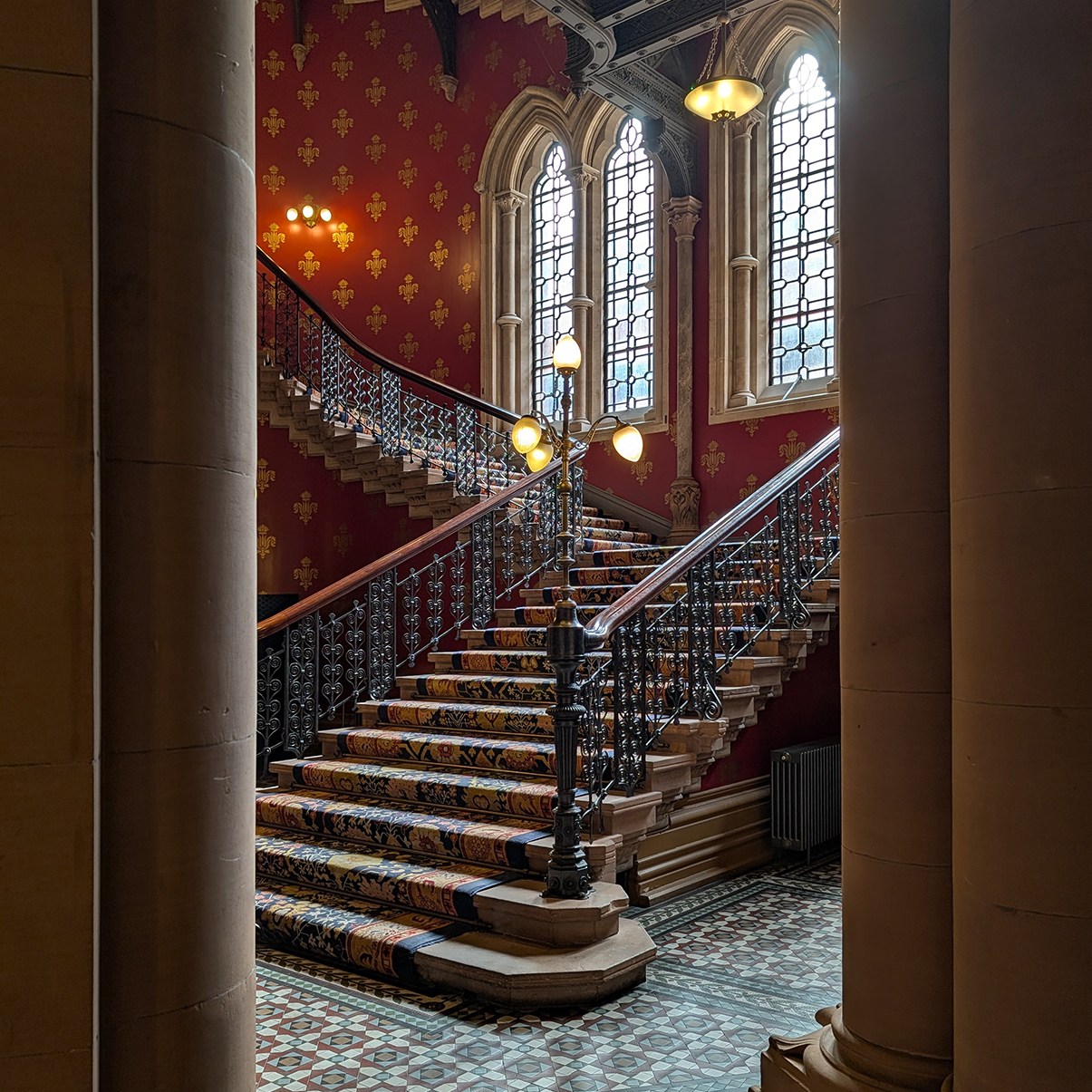
The St Pancras Renaissance Hotel is one of those places that makes a visitor feel underdressed even in the most refined skirt-suit she owns. Its vast Victorian Gothic façade—the curb lined with McClarens and Bentleys—is impressive, but the real pleasure is the grand staircase and other public spaces within, where the red brick, ornate ironwork and general architectural overachievement offer a reminder that nineteenth-century railway travel was intended to feel like an imperial expedition. Avoiding eye contact with the doorman, walk in as though you and your Patagonia cargo trekkers have every right to be there—which, in fact, you do—and pause for a drink, or at least a gander, at the bar. Next door, Harry Potter devotees can join the ongoing pilgrimage to the staged Platform 9¾ photo area at King’s Cross Station.
6. The British Library’s Greatest Hits
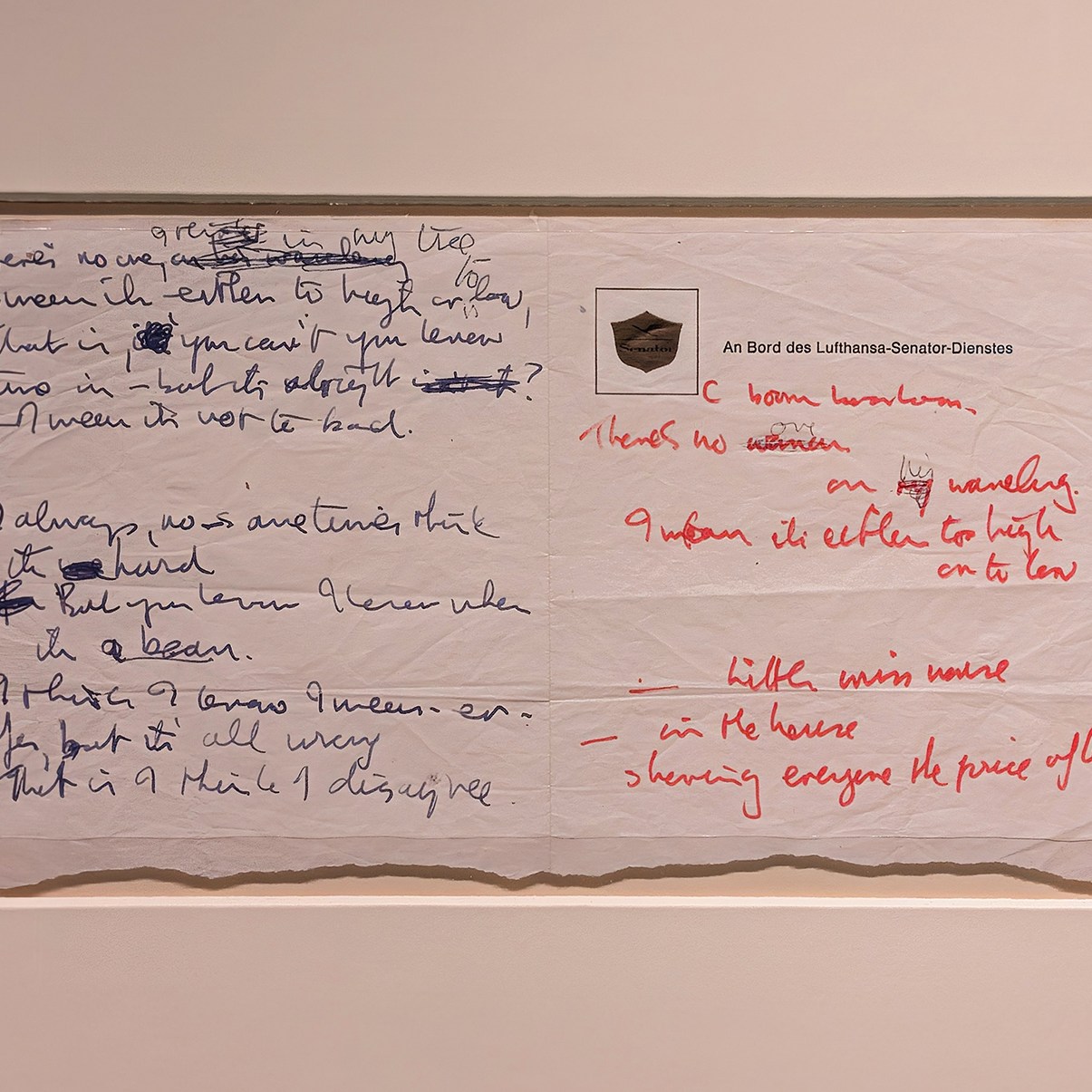
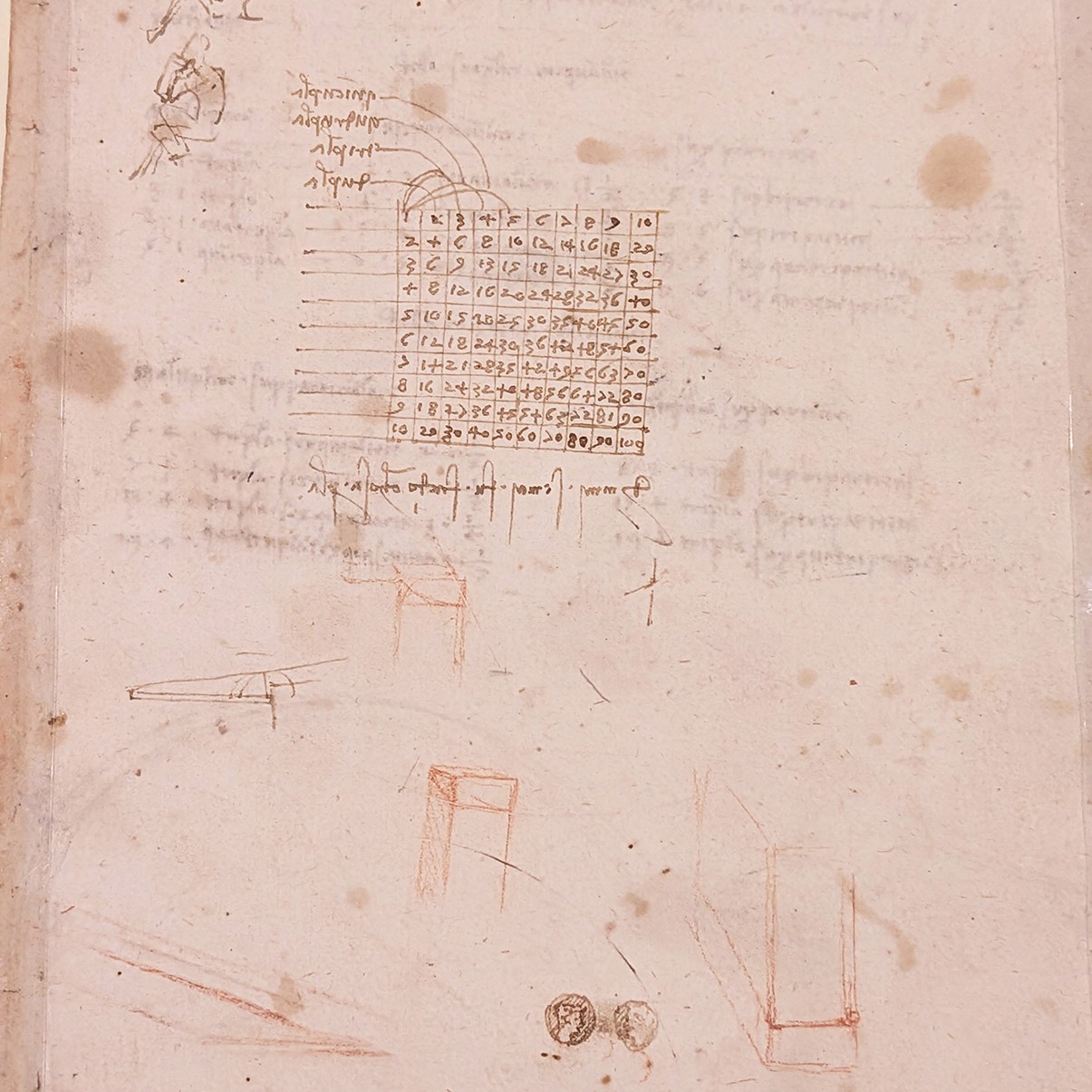
The Treasures Gallery is technically part of a library rather than a museum, which may sound like the sort of distinction made by a person—ahem—determined to win an argument nobody else realized was happening. Still, it belongs on this list because it’s free and displays a jaw-dropping trove that all but the most determined troglodyte will find arresting: Shakespeare first editions that belonged to his actors, Monty Python scripts edited by Bic, Jane Austen’s correspondence, an early surviving manuscript of Beowulf, a Beethoven symphony draft, handwritten Beatles lyrics that will make you want to scream—shhhh!—like that girl on The Ed Sullivan Show, and Leonardo’s notebooks are all arrayed here. It’s less an exhibition than a perfectly civilized rebuttal to the notion that history is boring.
7. A Proper Park Lunch
Greater London is extravagantly supplied with more than 3,000 public parks and green spaces that cover nearly one-fifth of its total area, making a picnic perhaps the city’s easiest free luxury. Pick up sandwiches, fruit, crisps, or whatever passes for “a meal” during your current travel phase at Tesco or Sainsbury’s, then claim a patch of grass and act as though you’d planned the whole thing days ago. Yes, Hyde Park is a “must visit,” but my favorite location is in Regent’s Park, on the lawn beneath the trees along the eastern edge of the Boating Lake, near Queen Mary’s Rose Garden. Look for the little peninsula just west of the walking path—you’ll know it when you see it. There are finer views and more consequential landmarks elsewhere, but few lunch spots offer a better combination of water, foliage, calm, people-watching, and the unusually persuasive illusion that London has slowed down long enough for you to be captured on a Gainsborough canvas.
8. Shopping Without the Receipts
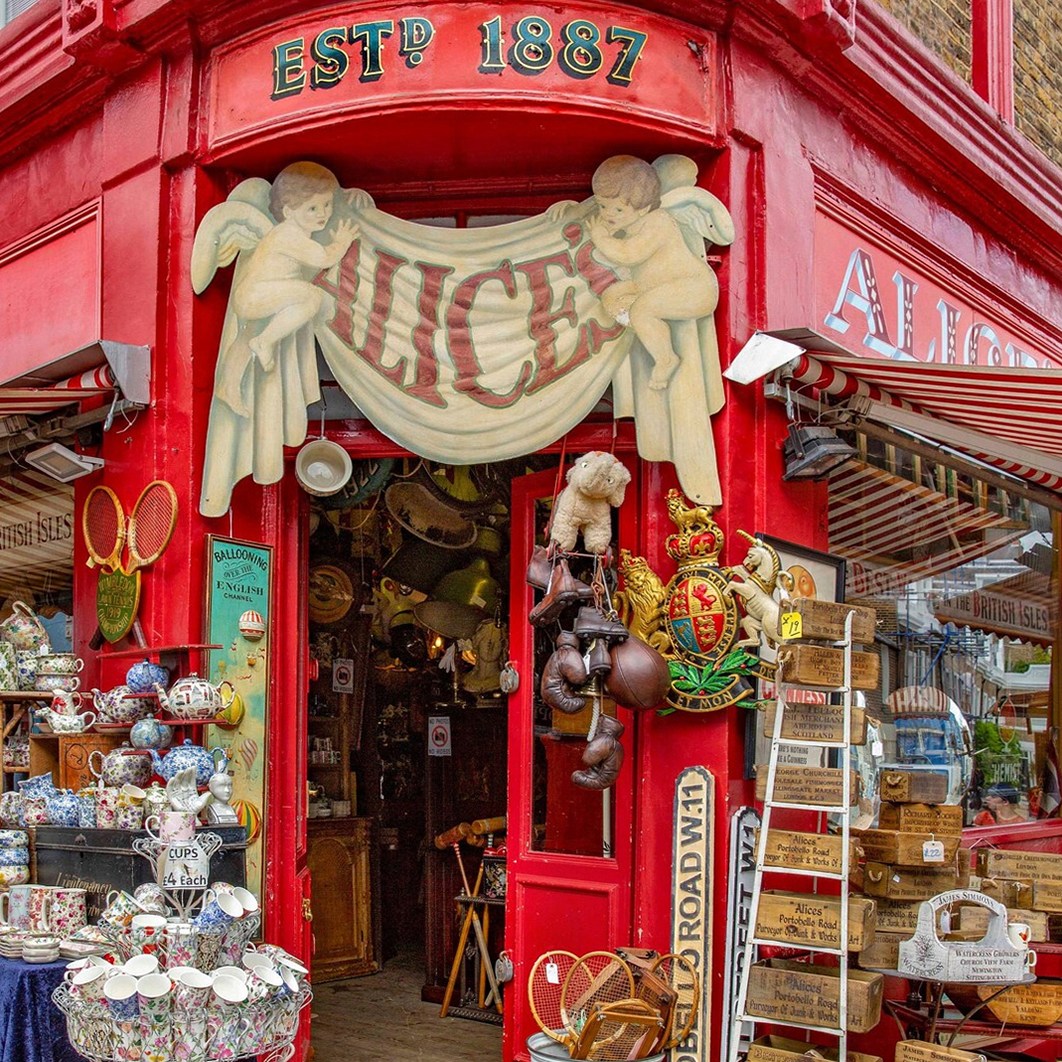
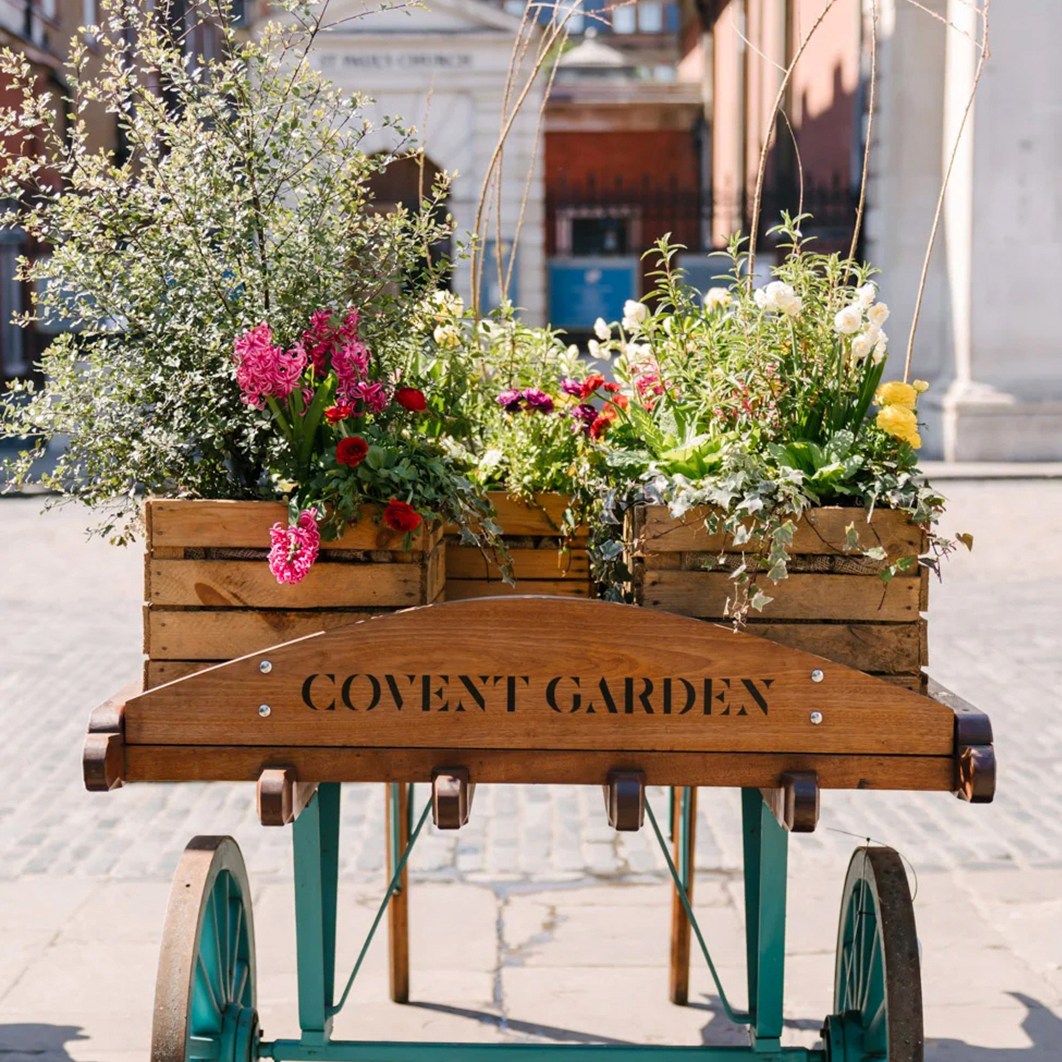
London is arguably at its best—and certainly at its most economical—when you treat its retail districts as open-air theatre rather than a test of credit-card capacity. Portobello Road offers antiques, vintage clutter, and the occasional object that looks as though it has spent the past century awaiting precisely your arrival. (As you turn up Portobello from the Notting Hill Tube station, watch for the plaque at No. 22 on your right, marking the home where George Orwell lived briefly during his twenties.) Camden High Street and Camden Market facilitate a louder, more vibrant version of perusal. Covent Garden is polished, lively, and not remotely shy about its tourist appeal, while Soho invites aimless walking: Carnaby Street is the compact, pedestrianized shopping core, with nearby Gerrard Street in Chinatown adding an aromatic element to the exercise.
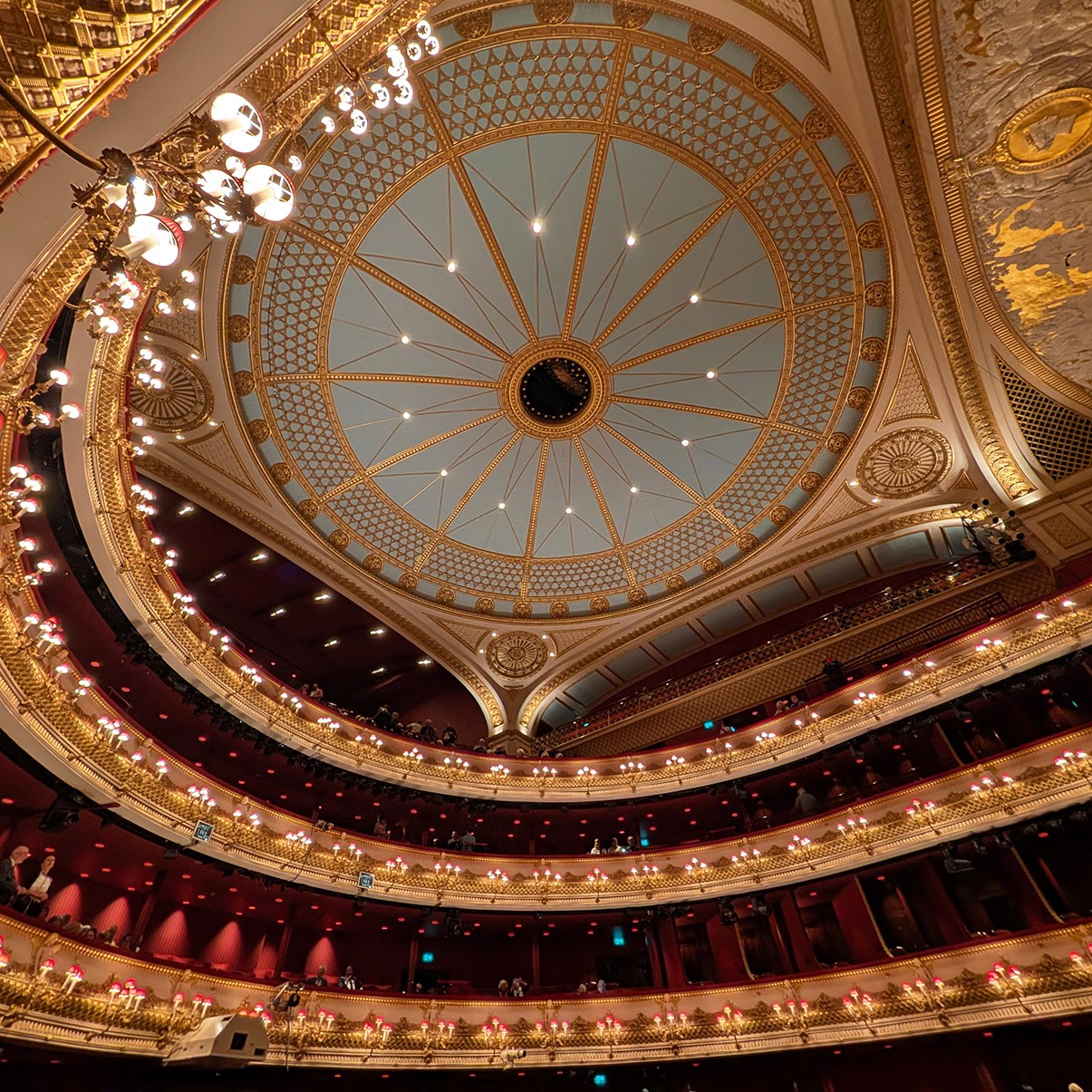
Wanderers whose musical interests can’t get no satisfaction at Covent Garden’s sumptuous opera house—architecturally worth a peek inside, regardless of what’s happening on stage—should extend a Soho shopping stroll to Wardour Street, immortalized by The Jam and once home to the legendary Marquee Club at No. 90, where Bowie, Zeppelin, Jethro Tull, Pink Floyd, U2, the Who, Queen, Wham!, the Police, New Order, the Stones, AC/DC, the Cure, Fleetwood Mac and numerous others appeared in their earlier, hungrier days. The sidewalks fronting the studios and shops of nearby Denmark Street—London’s “Tin Pan Alley”—are layered with similarly dense musical sediment, holding formative ties to many of the above acts plus Elton John, Jimi Hendrix and others. It’s an absurd amount of rock history for one short block—a block of which we would have known absolutely nothing but for the insights of our cabbie, which brings us to…
Bonus: Ask Your Cabbie About The Knowledge
A ride in a London black cab is not free, of course, but if you’re taking a longer one anyway, it can become a small guided tour at minimal additional charge. Ask your driver about The Knowledge—the famously excruciating certification process by which London cabbies learn thousands of streets, routes and landmarks—and, if he (98% of London’s 18,000 cabbies are male) is in the mood, you may get a more engrossing account of the city than any audio guide can provide.
On a recent visit, we asked our driver, Danny Ellis, to explain The Knowledge as he took us on his preferred, deliberately unhurried route from Westminster to our hotel in King’s Cross: through the West End, past Trafalgar Square, into Leicester Square and Soho, and finally north toward Argyle Square. It was absolutely engrossing—not merely a taxi ride, but an improvised lesson in how London fits together, delivered by someone who had spent years committing its every possible connection to memory.
QUESTIONS FOR READERS
- What is your favorite free—or nearly free—London experience beyond the museums?
- Are you willing to share your favorite London picnic spot?
- Which neighborhood do you most enjoy exploring without an agenda?
- Have you ever asked a cabbie to follow a favorite route, and discovered a part of town you would never have found on your own?

