








Note: This is the second in a series of posts about Italy’s Adriatic Coast. The itinerary begins here and continues here.
Even if you’ve read the preceding posts on southern Italy, you may not yet have keyed into which way their momentum is carrying us, other than “sort of eastward.” True, and now we’re turning north, but first we need to go south.
For all the time I’ve spent in the Bel Paese on numerous visits and under a variety of guises – professional, academic, recreational – I’d never been any farther south on its east coast than Ravenna, and that was when I was in grade school. Across the ensuing decades, I’d become increasingly fascinated by the Adriatic side of the country and bit by bit, gathering tips from friends, literature, travel gurus, social media and other sources, pieced together what would become a dream itinerary up the coast. I shared this itinerary with numerous others who were heading to Italy (always with the disclaimer, “I haven’t done this yet, but I promise it’ll be fantastic!”), then when the time finally arrived to actually do it, I was ready like a quarterhorse in the paddock.
THE TIPPY-TIP AND SOME SWIMMING SPOTS
Although this “dream itinerary” can of course be followed north to south, I chose Puglia as my starting point. More specifically, I chose the southernmost centimeter of the southernmost point on the Heel of the Boot, in Santa Maria de Leuca. I did this not because the town itself holds any special allure (notwithstanding a few attractive churches and a pleasant waterfront, not to mention the spectacular frittata I got from a gas station en route southward from Taranto, it’s unspectacular), but in order to be able to tell my friends, including you, that I’d touched The Tip. Which required a bit of clambering down a jagged outcropping that at one point almost launched me into the Mediterranean, this minor ordeal entirely justified by the bragging rights.
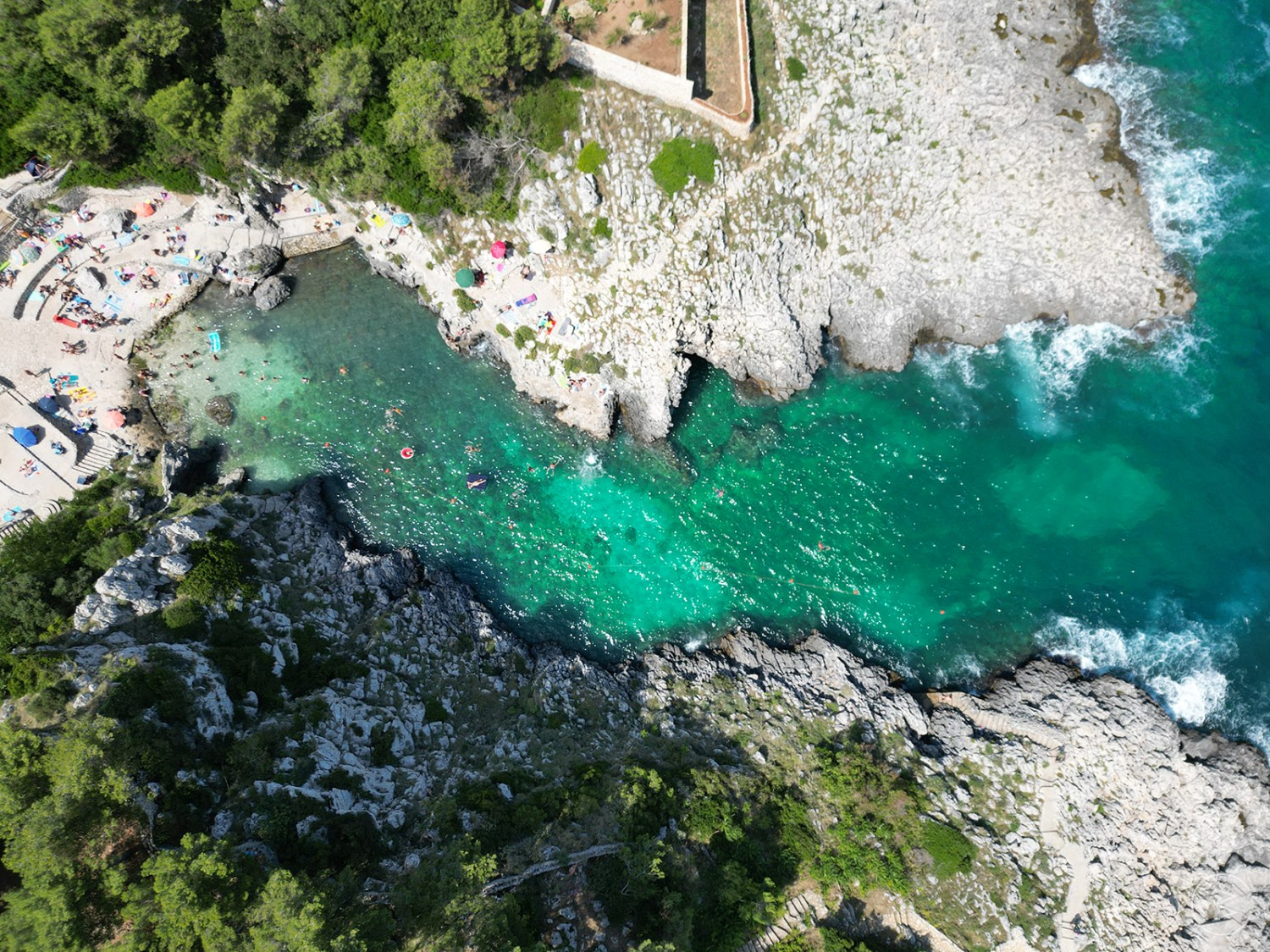
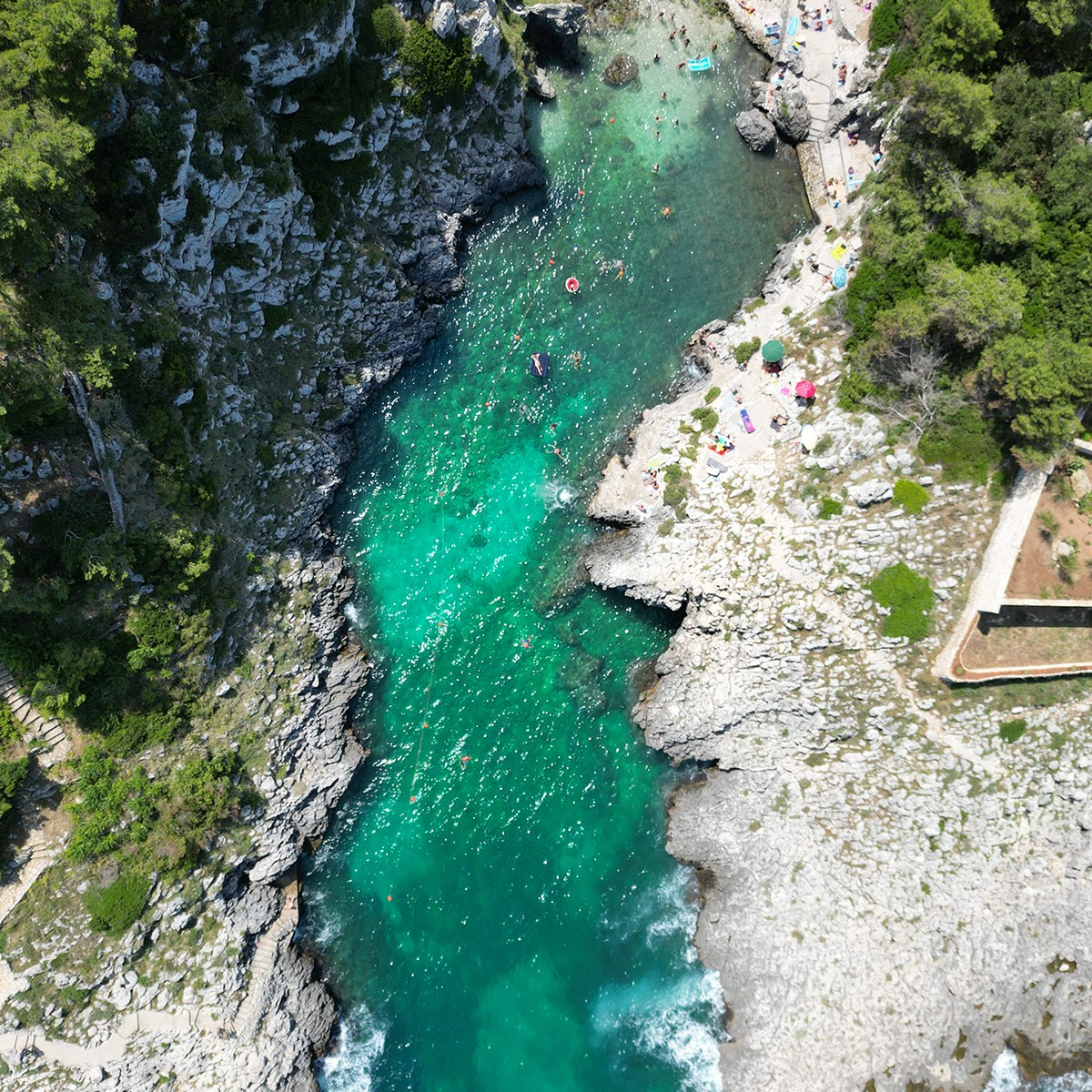
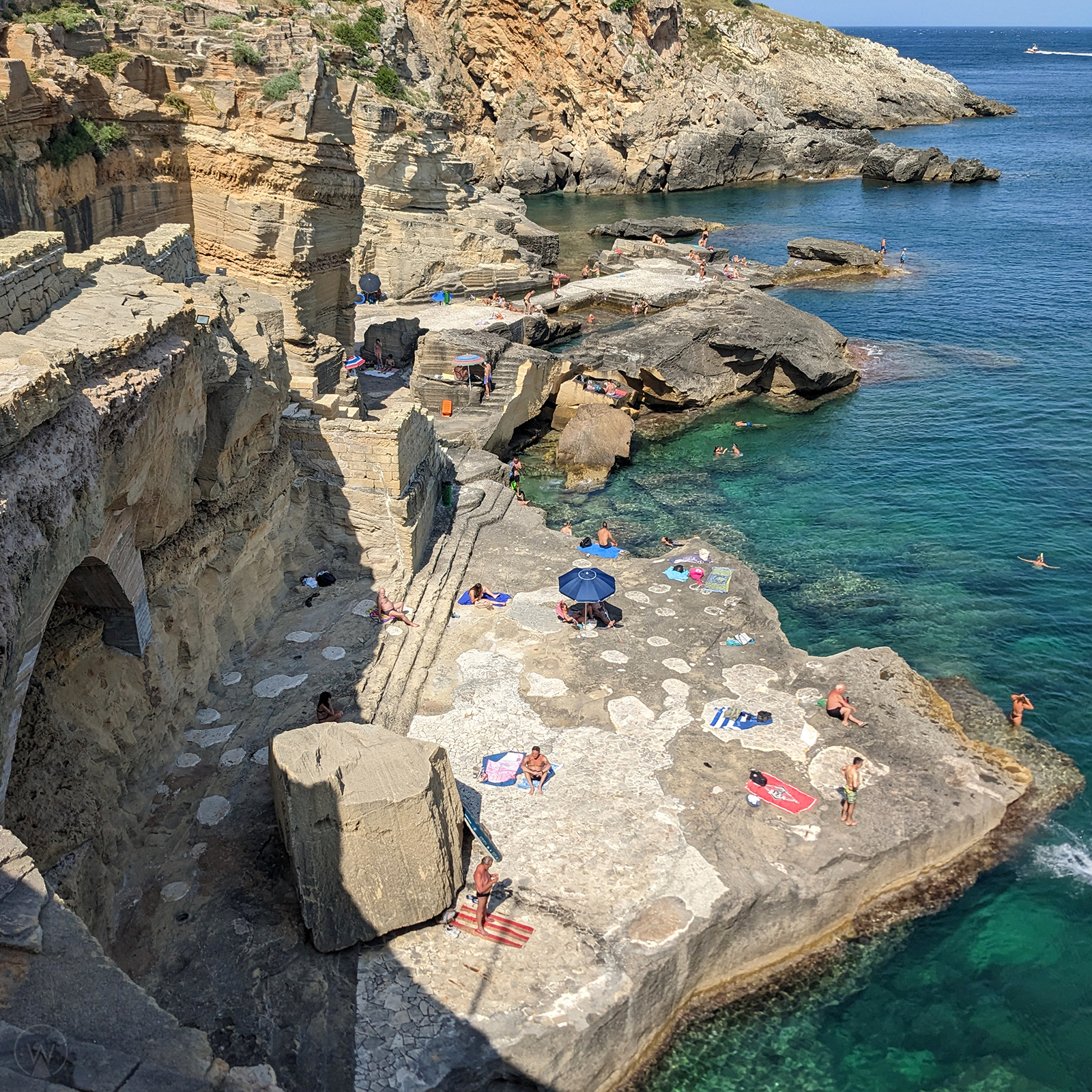
Hugging the Salento coastline northward from the Heel, my first stop was Cala dell’Acquaviva (Cove of Living Waters), a spring-fed bay the size of a narrow soccer pitch, whose crystalline water has been a favorite swimming hole dating back to Roman times. (I was going to specify a “locals-only” swimming hole, but you’ll find that nearly everything for the next 500 kilometers could be described as locals-only. In fact, it wasn’t until reaching Venice that my tally of people speaking something other than Italian finally surpassed three dozen – and, yes, I did count them.) Two seaside stops followed a short distance later: Porto Miggiano, a sandy strip that has no facilities but does feature the remains of a handsome 16th-Century tower, and Bagno Marino Archi, which, instead of a beach, features several flat, massive stone formations well-suited to sunbathing and diving, extending into the sea from the base of a cliff in which the ruins of an ancient arch are still visible.
The next half hour of driving up SP358 captured much of the varied delight of this region. Santa Cesarea Terme is Exhibit A for resort town municipal planning done well, with rows of stately homes (Neo-Florentine, modern, and even something that looked Eclectic-Ottoman) followed by an arcaded galleria with shops at street level and trattorias and hotels above, all of it fronting a promenade reminiscent of that of Lugano. As this scene faded in the rearview mirror, I found myself almost starring in a Fiat commercial as I wound through the vast Parco Naturale Regionale Costa Otranto (Otranto Coast Regional Nature Park). Grassy hills straight from a 17th-century canvas tumbled down to the coast, with numerous, dusty side-roads leading to hidden bays and mysterious sea caves, where ancient watchtowers and a lighthouse or two overlook secluded beaches. The serenity of this stretch served as a fitting contrast to the energy of my next stop.
MEDIEVAL AND RENAISSANCE SURPRISES
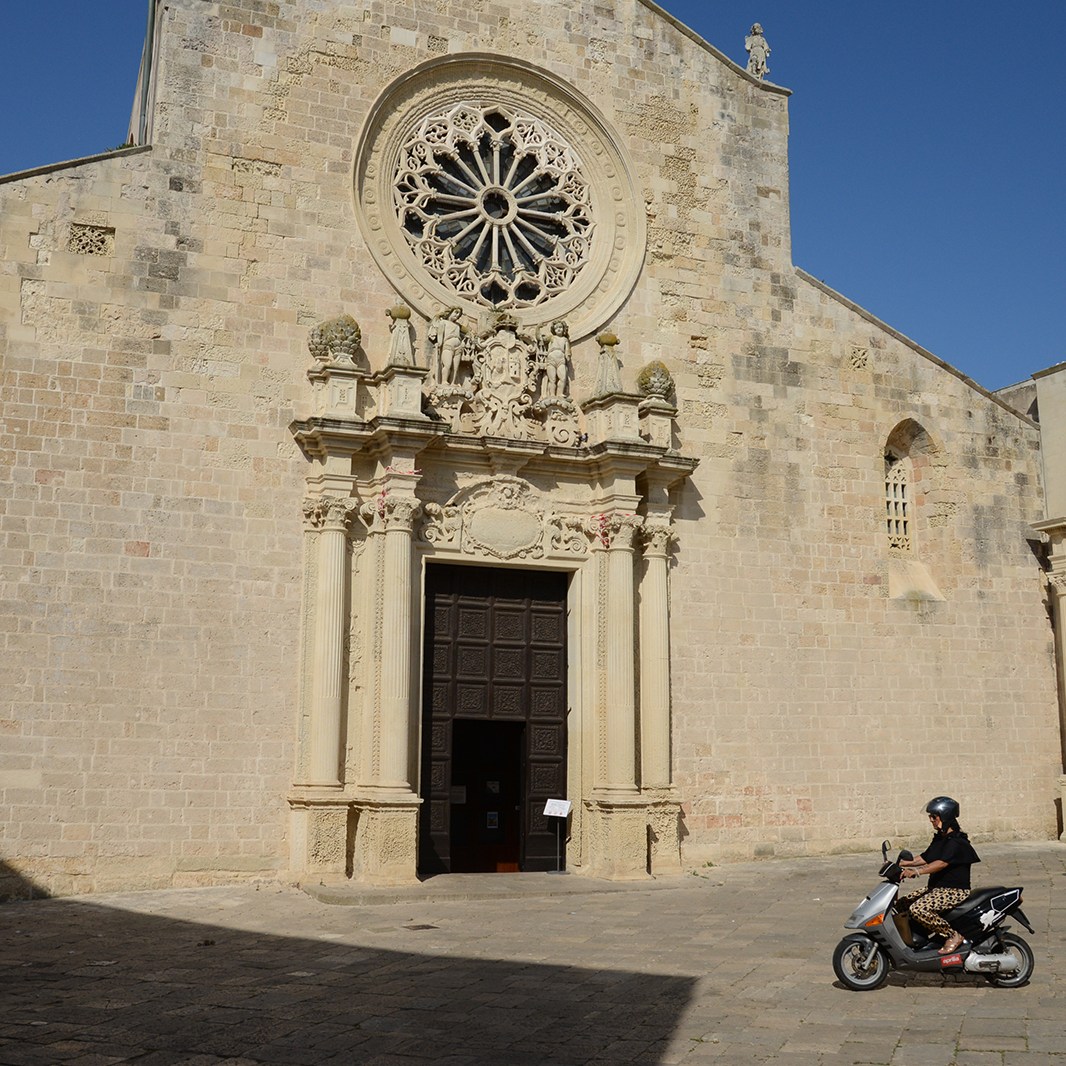
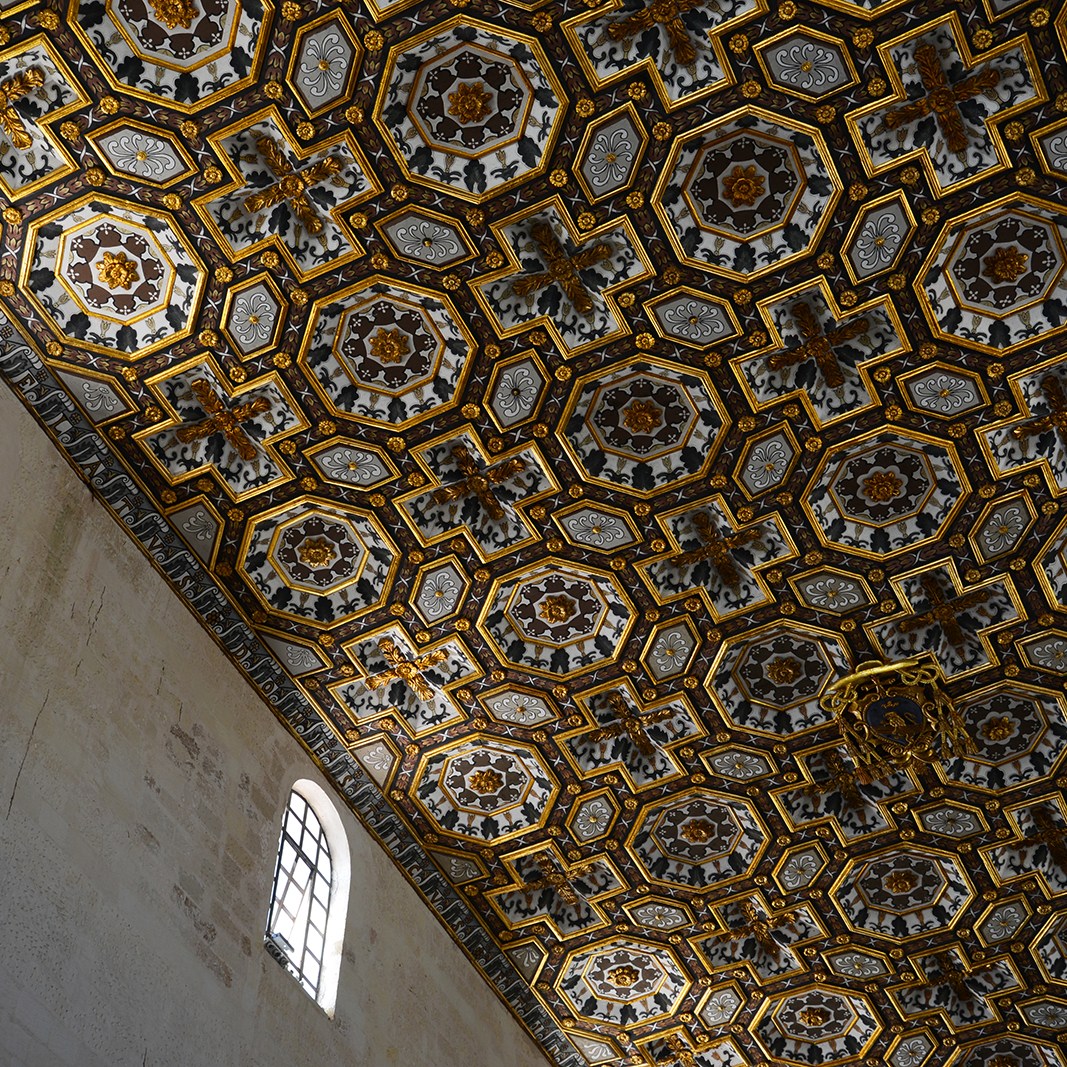
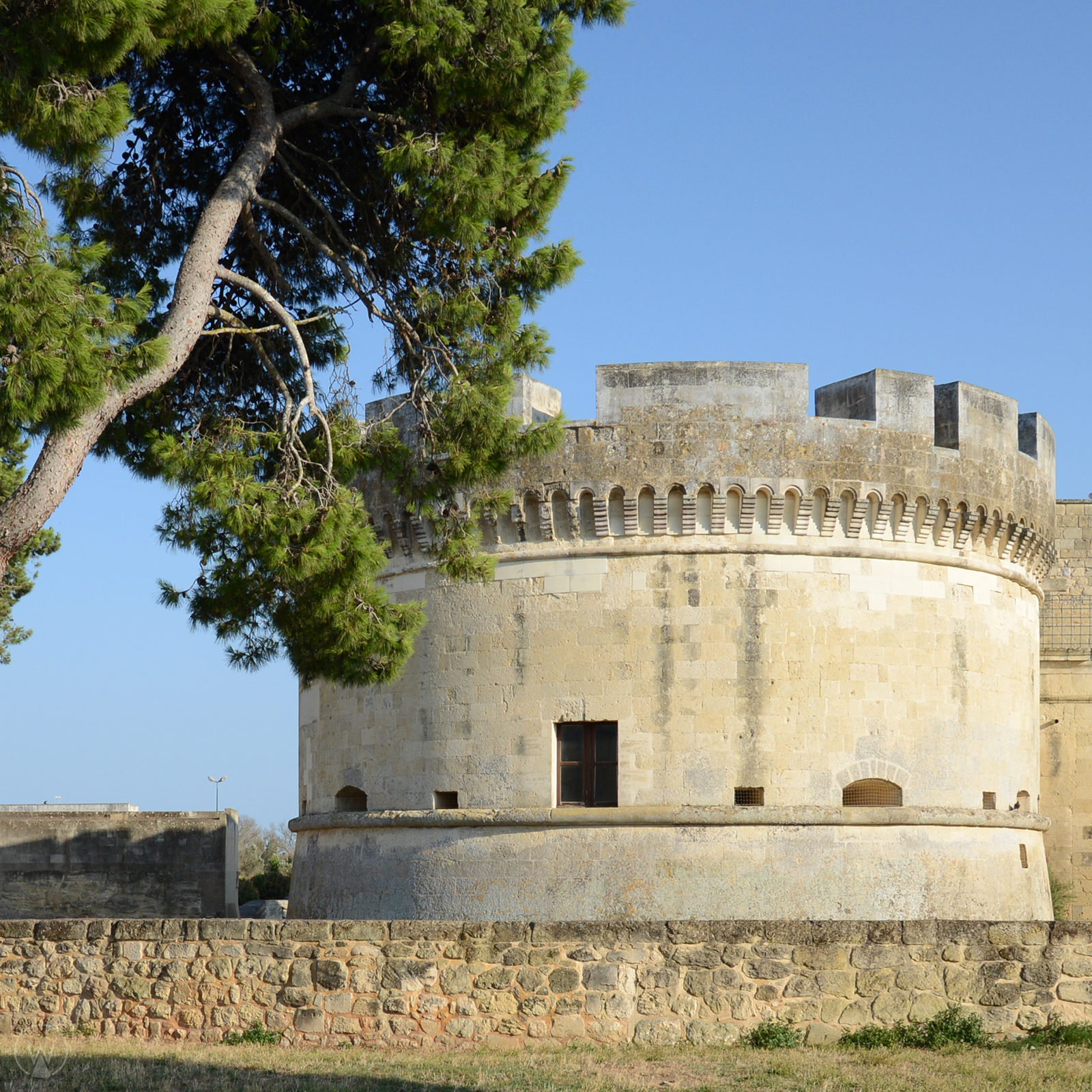
One Italian friend whose regional tips I’d sought prior to my trip responded without irony, “I don’t know because I always go straight to Otranto.” Taking his word for the town’s general sightworthiness, I hadn’t put together a must-see list and instead opted to wander. Guarding the entrance to the vibrant centro storico (historic center), the pentagonal Castello Aragonese recalled the town’s important military past, while the understated façade of the Cattedrale di Santa Maria Annunziata belied its twin treasures of an elaborate mosaic floor and one of the most impressive coffered ceilings I’d seen, the pair of which in fact caused me to gasp with surprise upon entering the church. Just beyond the old town’s delightful streets and rooftops is a series of small beaches protected by a long wharf.
Ten minutes north of Otranto are two beaches, Baia dei Turchi (Bay of the Turks) and Spiagia Alimini, that you probably won’t regret skipping as you continue to Torre dell’Orso. While its modern town center fails to thrill, the long, crescent beach hugged by a pine forest excels as one of Puglia’s best for families seeking soft sand, crystalline water, and a full complement of amenities. If you’re here at sunset, don’t miss the view of the Due Sorelle (Two Sisters) from the panorama point at the southeasternmost end of the beach. Opposite to the north, the Grotta della Poesia (Cave of Poetry) achieved Insta-celebrity as an especially photogenic swimming hole, with recent archaeological discoveries having led to limits on access.
At this point I’d start to leave the coastline for occasional excursions inland, which would become increasingly frequent and extended the farther north I got. My first such detour pointed me toward Lecce, and I was glad to have opted for an indirect route that took me through Acaya, the only fortified Renaissance town in the region. Perhaps even more striking than its castle – built as a 16th-century defense against Turkish attacks – were the perfectly right-angled residential blocks, tucked behind a dignified portal, that had grown up on the footprint of a military base.
THE FLORENCE OF THE SOUTH
“Ah yes, The Florence of the South,” nodded a friend when I mentioned my plan to visit Lecce – which may have twice Florence’s charm and, thanks in part to inconvenient international connections, definitely has a small fraction of its tourists. Yes, like any European city that has grown around its ancient center, Lecce’s outskirts lack a certain allure. But my perseverance (including dogged efforts to find a parking space) paid off once I crossed Via Felice Cavallotti and my jaw dropped at every corner.
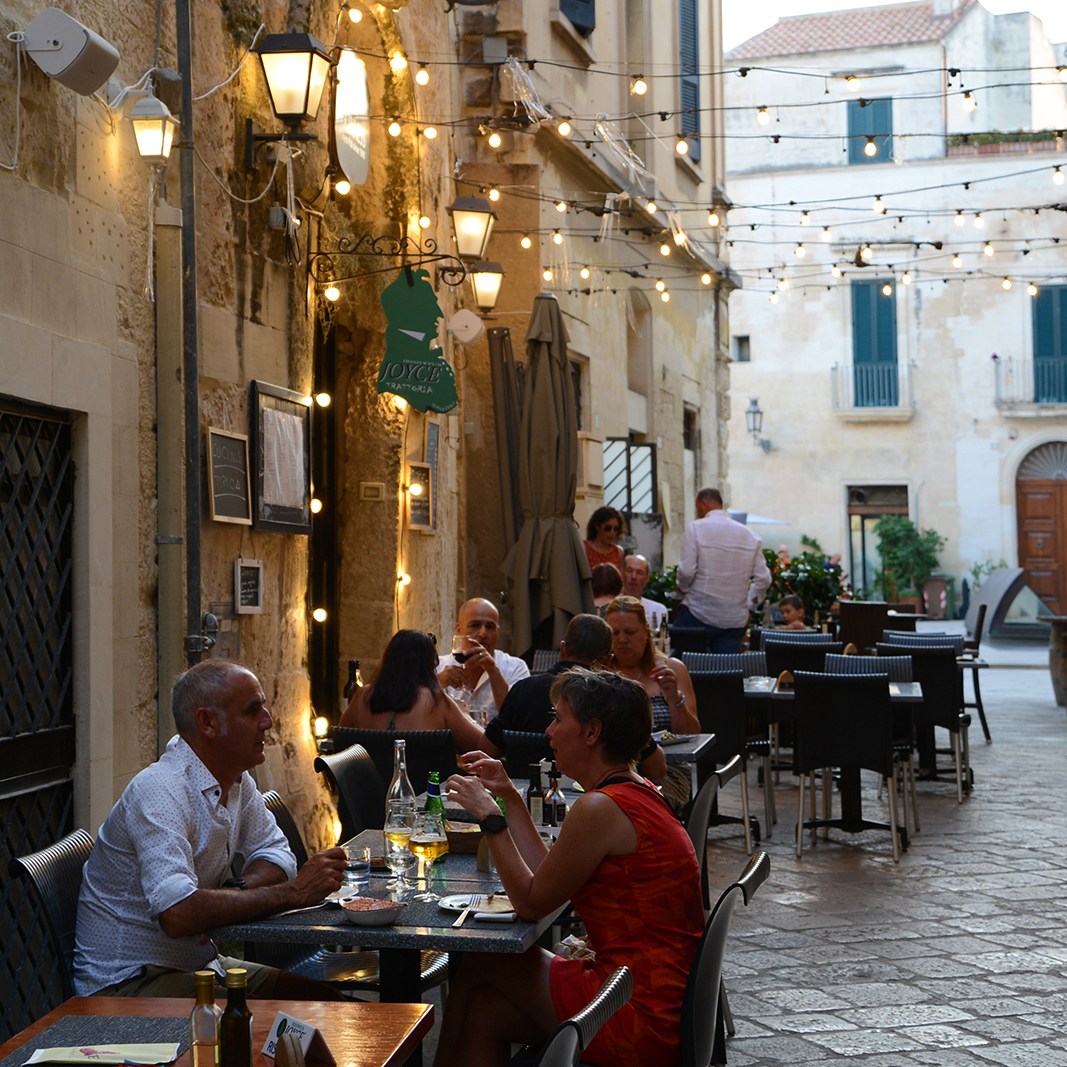
Lecce has numerous listed attractions, all of them worth visiting: impressive government buildings, breathtaking churches (especially the Doumo and Basilica di Santa Croce, most economically visited on the joint ticket that includes all the major churches), charming parks and piazzas, sturdy city gates (such as Porta Napoli and Porta Rudiae), and even a Roman amphitheater. But the best thing to do in Lecce is simply to wander around – aimlessly, if your inner planner can bear it – and see orecchiette (little ears) pasta being rolled in the window of trattoria, a negroamaro (black-bitter) being poured at an outdoor bar, or a Pugliese couple, whether young loves or lovers young at heart, sharing a gelato on a bench. Of course, the quintessentially Italian wandering experience here is known as the evening passeggiata (which I’d first experienced many years ago in Lucca), a pre-dinner stroll the locals take along Via Vittorio Emanuele II between Piazza del Duomo and Piazza Sant’Oronzo.
Usually – in case you haven’t noticed – an obsessive planner, I quickly came to trust that pretty much everything in Lecce ranged from fantastic to indescribably glorious. So I found dinner by putting away (gasp!) my phone, walking in an unknown direction until the stone streets turned to asphalt along the edge of the centro storico and I could neither see nor hear anyone, then ducking into the first eatery with a light on. Vico del Cuciniere started me off with an imaginative appetizer of delicious provolone crème brûlée and roast turkey julienne, and things just got better from there. The entire multi-course meal cost the equivalent of a good entrée in Milan, reminding me that by central- and northern-European standards, Puglia is an absolute bargain.
FABLED HILLTOP TOWNS
Having failed to take up residence in Lecce, I did have to continue my journey. Most visitors to Puglia will – whether by choice or logistical obligation – at some point visit Brindisi. (“Brindisi!” means “Toast!” in Italian. No, the residents don’t imbibe any more than other Italians. The term resulted from the transliteration of an Old German drinking phrase.) But I moved on, eager to visit a quintet of towns inland to the northwest of the busy port city: Ostuni, Cisternino, Martina Franca, Locorotondo and, finally, Alberobello.
Its centro storico fully illuminated at night, Ostuni seemed to float in the distance on my approach. I lodged at Maison de Ostuni, an unforgettably charming B&B tucked into a vicolo (alley) just off of Corso Giuseppi Mazzini two blocks from Chiesa San Francesco d’Assisi. From the triangular Piazza della Libertà, whose polished travertine glistens in the sun, Via Cattedrale ascends in a fairly direct route to the Duomo Santa Maria Assunta, but be sure to get lost on the way up and/or down. While these and other towns throughout the region share common characteristics (whitewashed, hilly, mazes of streets, adorable, etc.) with other Mediterranean villages, such as the Pueblos Blancos of Andalucía, of the towns in this group, Ostuni seemed most to resemble counterparts on the Greek Cyclades thanks to flecks of brilliant blues, greens and pinks everywhere, not just in the ubiquitous wisteria and bougainvillea but in architectural details that seemed to have resulted from a deliberate decision, “Our neighborhood’s going to be primarily gray and white, but not exclusively.”
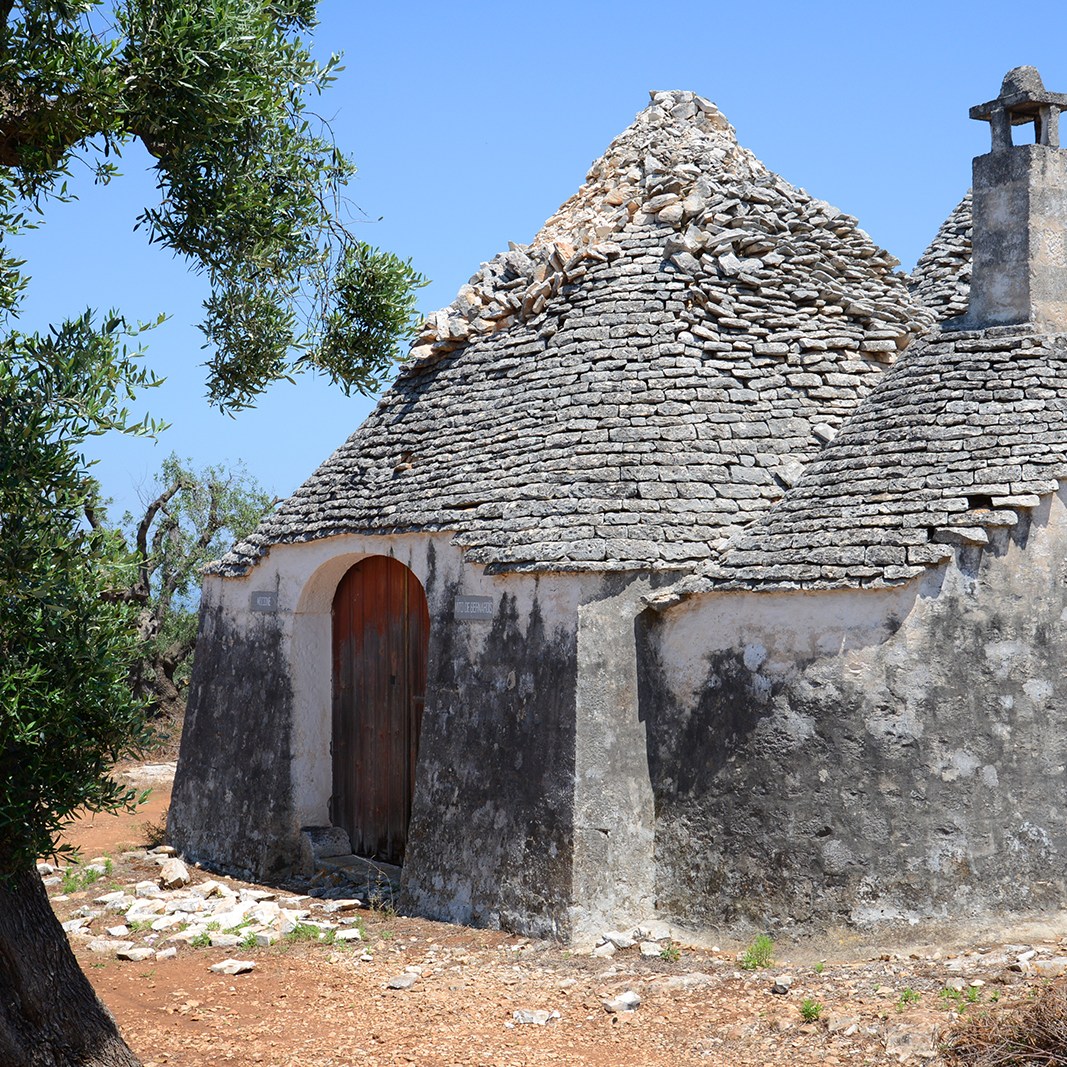
Much of the appeal of Cisternino (little cistern) stems, in fact, from the town’s diminutive size.Its centro storico covers an area just over five acres, allowing a thorough exploration in a relatively short visit started from the parking stalls on Via San Quirico where Chiesa Madre San Nicola offers a dignified welcome to the old town. On the drive from Ostuni and Cisternino, set back from the rock walls that line the endless olive groves, I began to notice small buildings with conical roofs, some in immaculate condition and some in grave disrepair, most not much bigger than a shipping container. These are trulli (from the Greek word for cupola), mortarless limestone dwellings unique to this region. Homes to peasant laborers from the 14th through much of the 20th century, today they house middle-class families, luxury B&Bs, chic bars and other enterprises. Nothing you do on your visit to Puglia will be more pugliese (Apulian) than eating orecchiette con cime di rapa (broccoli rabe), a regional specialty, in a trullo.
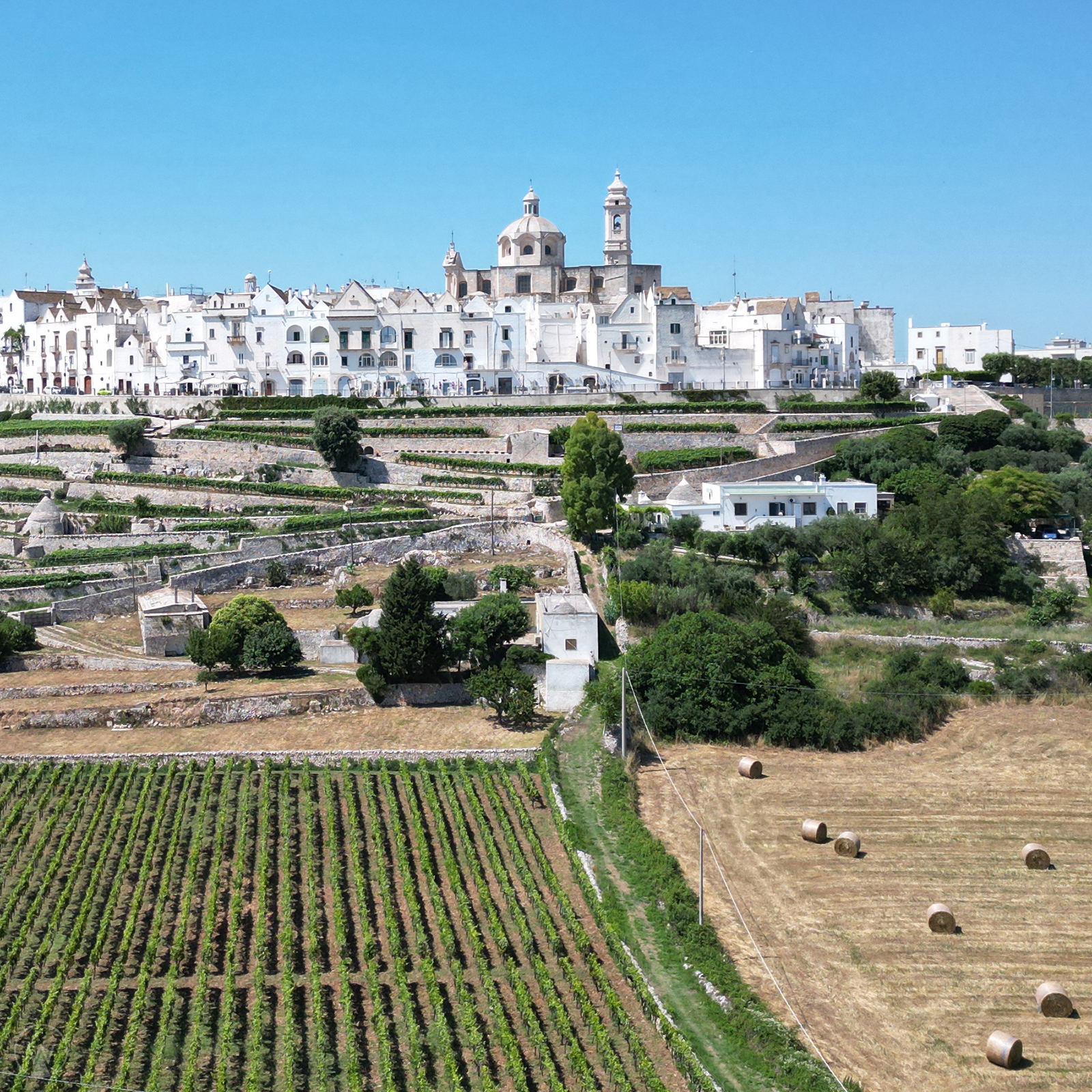
Martina Franca is both the largest and perhaps proudest of these towns, with several palaces, piazzas (especially Maria Immacolata) and churches worth visiting. Nearby Locorotondo, by contrast, seemed to be the least self-conscious of its abundant graces, starting with the terraced vineyards that buttress the southern slope of its centro storico. Despite having already seen a couple hundred trulli by the time I made it to Alberobello, the UNESCO site still fascinated me as something straight from a Peter Jackson or George Lucas set.
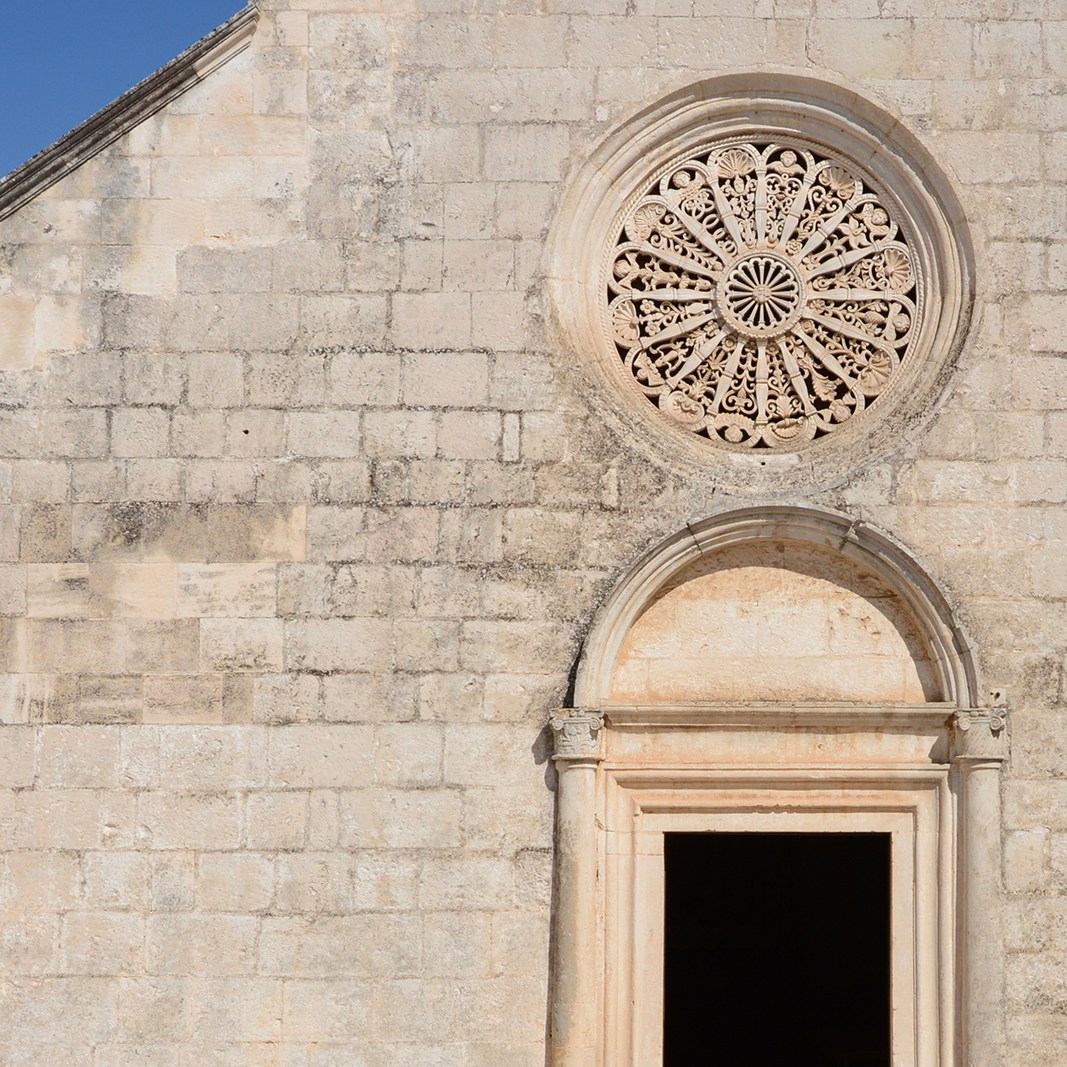
I’m no stranger to the religious architecture of Europe, but noted on this trip that each hill of these hilltop towns is topped with an impressive church, whether a basilica (a church that a pope has designated as having special significance) or a duomo (cathedral, where the bishop of the local diocese sits), in styles ranging from Romanesque to Baroque. Given these towns’ close proximity to each other, I wondered how the immediate surroundings, even allowing for substantial subsidy from Rome, nobility, et al, yielded sufficient excess resources – in both treasure and sweat – to support their decades-long construction and subsequent centuries of maintenance, to say nothing of the numerous ancillary churches within a few hundred steps of each.
HOSPITALITY AND SAFETY
There is, unfortunately, some justification to the old adage that to best avoid disappointment in European travel, your attachment to your possessions should decrease in direct proportion to the distance southward you dare to venture. My own family lore includes the story of how the sheer tonnage of my dad’s medium-format-camera case nearly dislocated the Neapolitan shoulder of a Vespa-cruising, would-be thief. And yet at no place or time, day or night, in southern Puglia did I feel any concern for myself or my gear. After finishing a caprese salad (tomatoes and basil grown by the proprietress, of course, and mozzarella sourced from a farm just down the road) at a small bar in Locorotondo, I asked the bartender if I could visit the restroom. Seeing me put my camera over my shoulder as I got up, he gesticulated adamantly that I leave it on the table, which was immediately next to the door, which opened directly onto the town’s main plaza. “Nobody will touch it!” he insisted. Then, chuckling, added, “Well, it looks like a nice camera. If anybody touches it, it’ll be me.”
QUESTIONS FOR READERS
- What’s your favorite town in southern Puglia and why?
- What region do you think has Italy’s best beaches?
- Anything else you’d recommend along this route that I missed?
 WANDERLOOSED