


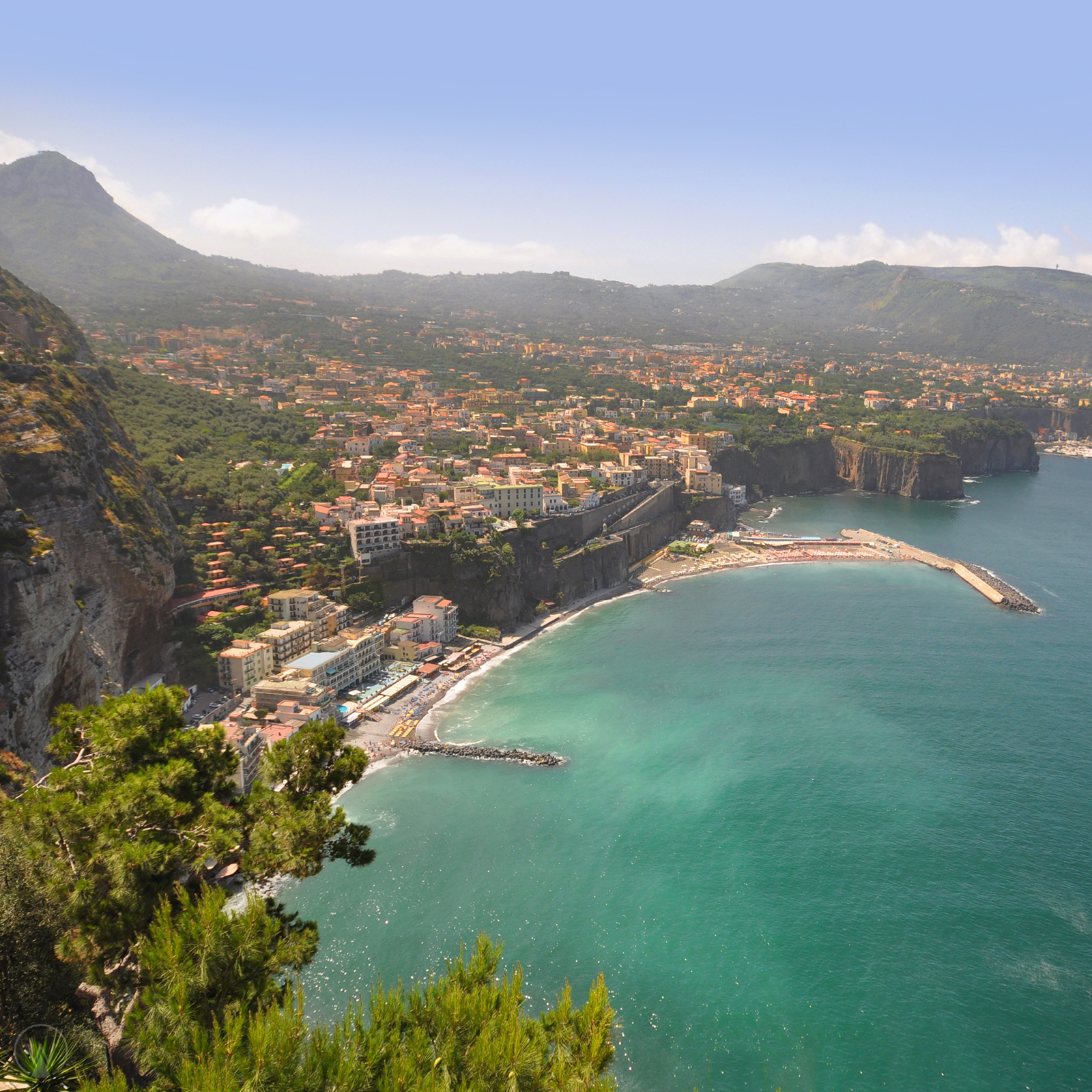



The Sorrentine Peninsula, commonly known as “The Amalfi Coast,” or simply “Amalfi,” after its headlining town, has been a top-tier destination for centuries. Its guestbook of A-Listers reads like a mononymous who’s who since Renaissance times: Boccaccio. Goethe. Wagner. Dickens. Grieg. Byron. Lawrence. Nietzsche. Woolf. Garbo. Bogart. Callas. Bardot. Jackie O. Bernstein. Mariah. Jordan. Beyoncé. And countless others. The entire Coast has a UNESCO World Heritage designation for good reason, and yet its ever-growing popularity can tarnish the experience for some. Follow these tips to avoid misery and ensure magic.
WHEN NOT TO GO
Avoid June, July and especially August. April, May and September offer plenty of sun yet milder temperatures, and you won’t miss anything except the heat, the crowds, and the Ravello Music Festival. (And you’ll avoid surge pricing that in August can be as much as 5x — yes, for you financial wizards out there, that’s five times — the off-season rates for everything from hotel rooms to beach umbrellas.) The ubiquitous lemon trees will be flowering in May, but their fragrance will remain in the breeze until October, and of course you can buy local limoncello year-round – or, put differently, at no point during the year can you avoid buying limoncello.
EN ROUTE: POMPEII AND/OR HERCULANEUM
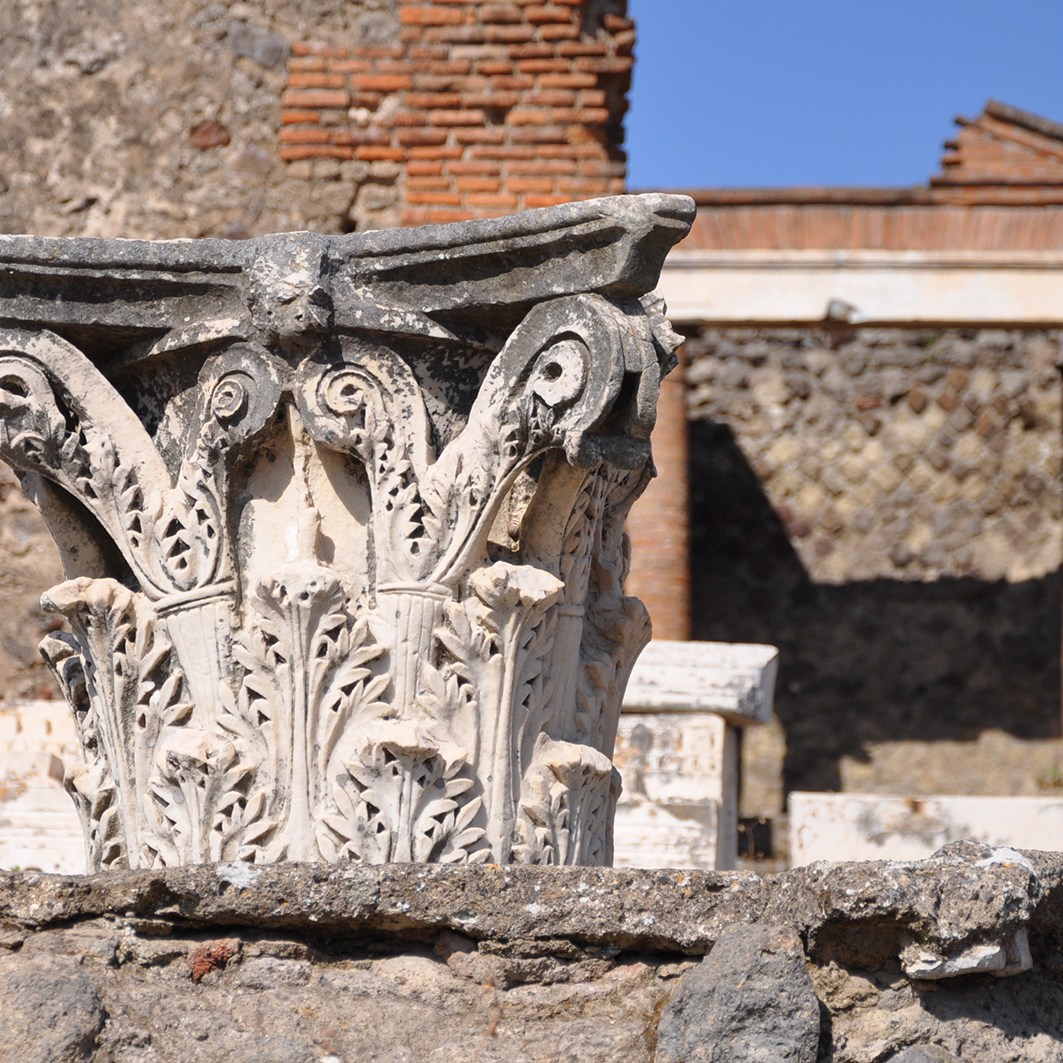
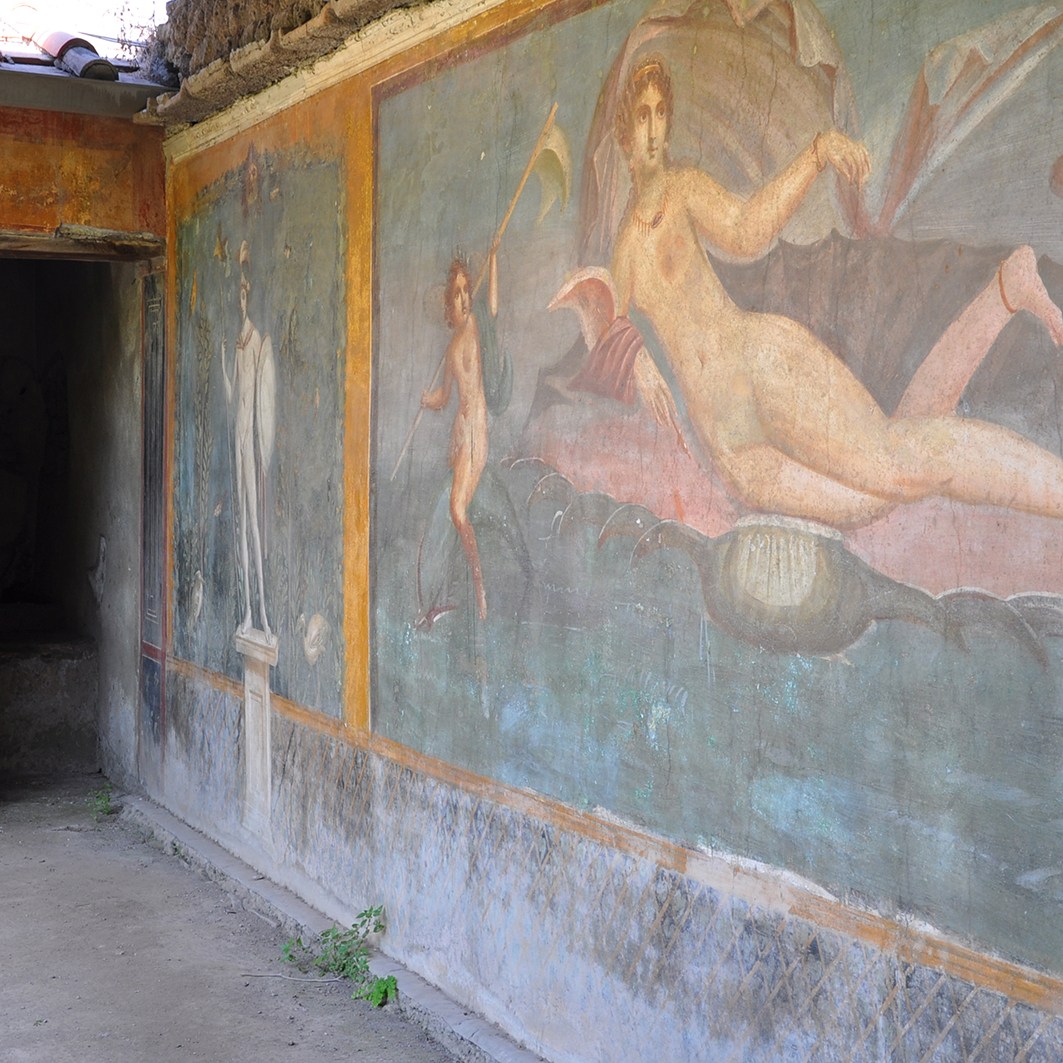
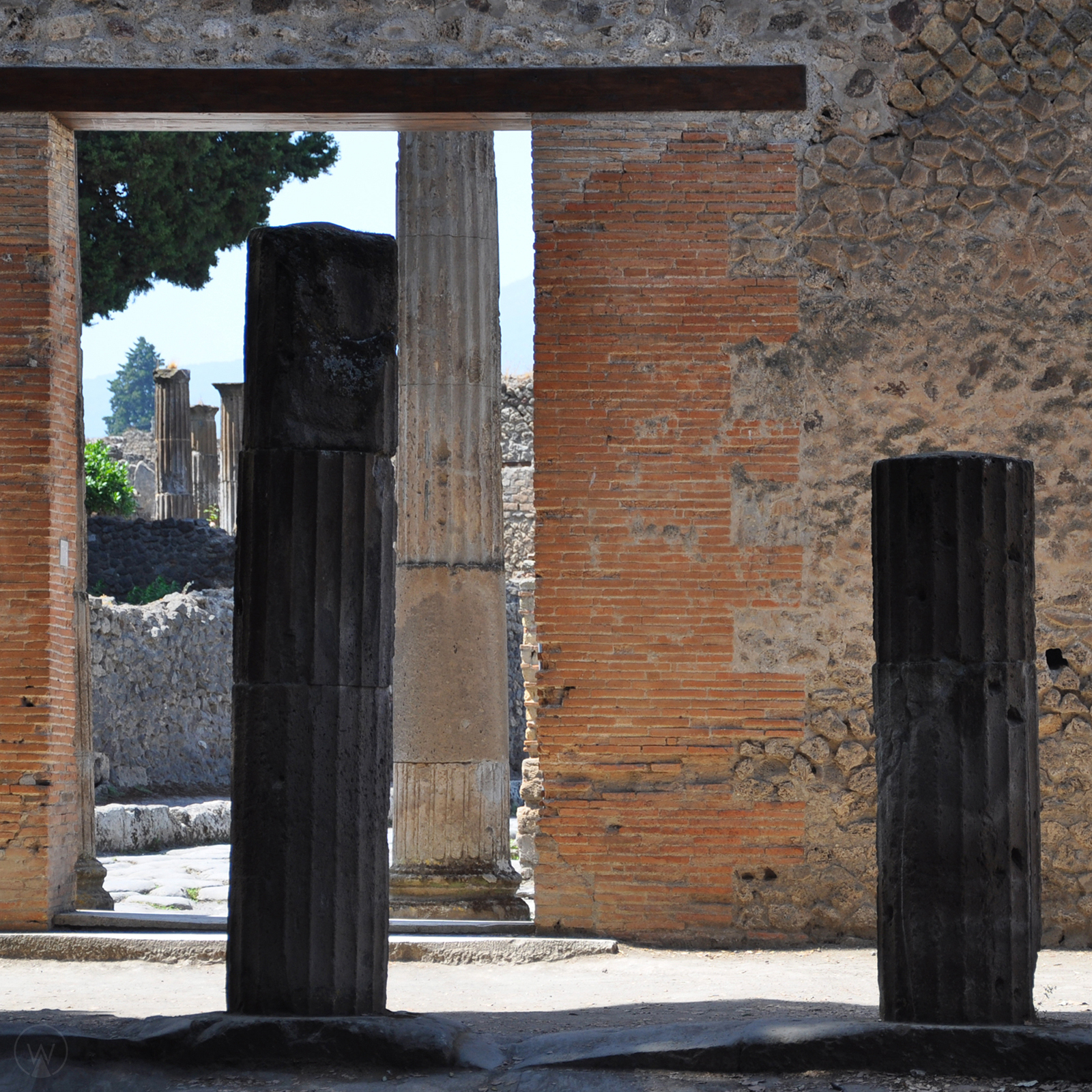
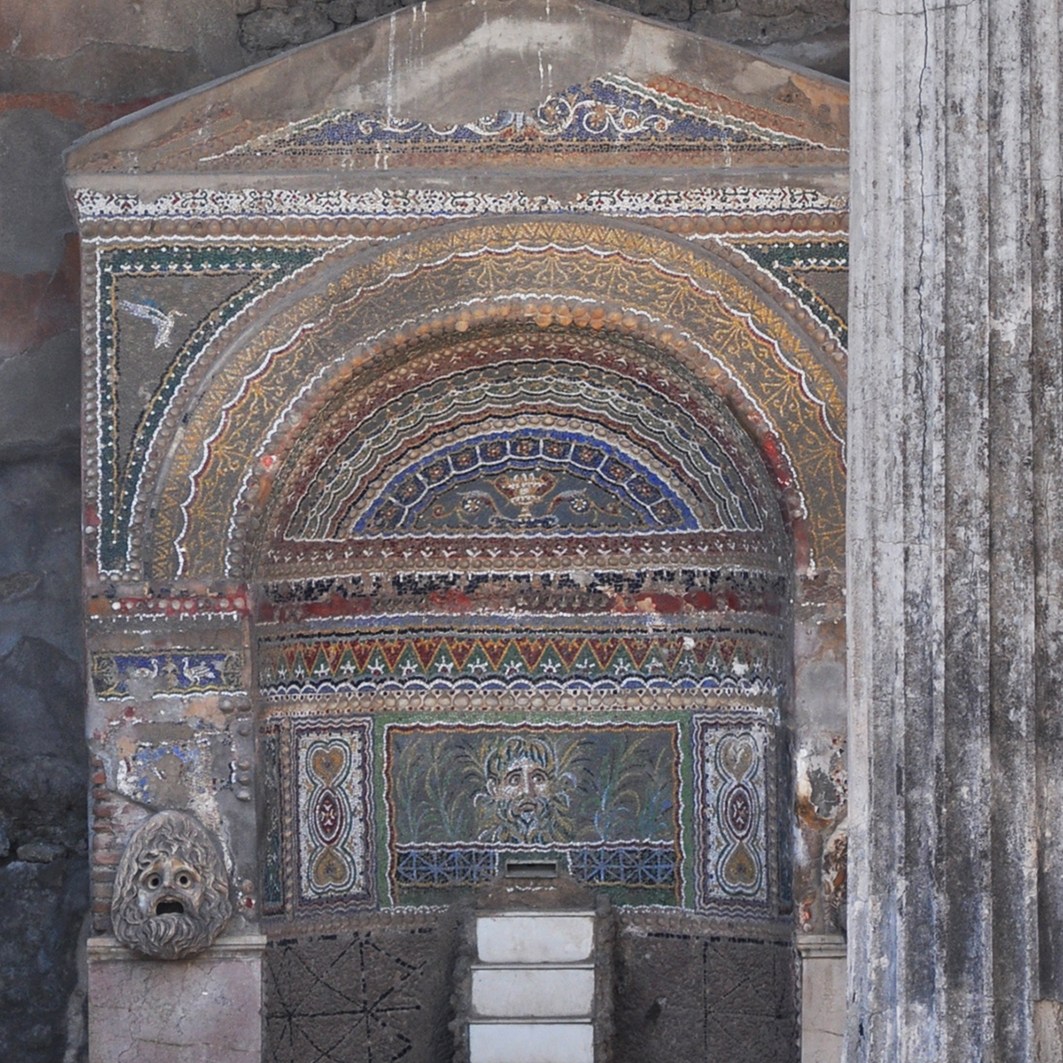
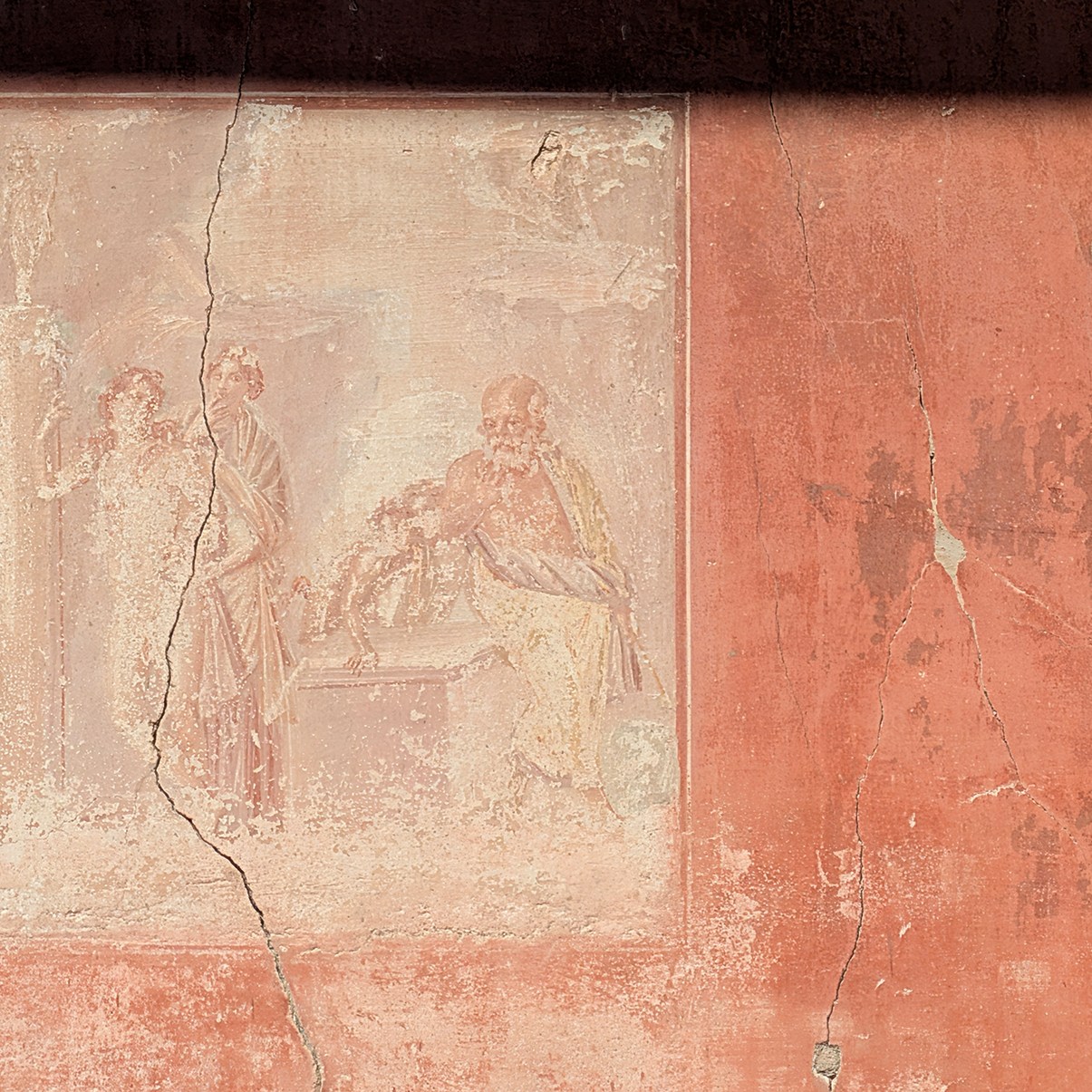
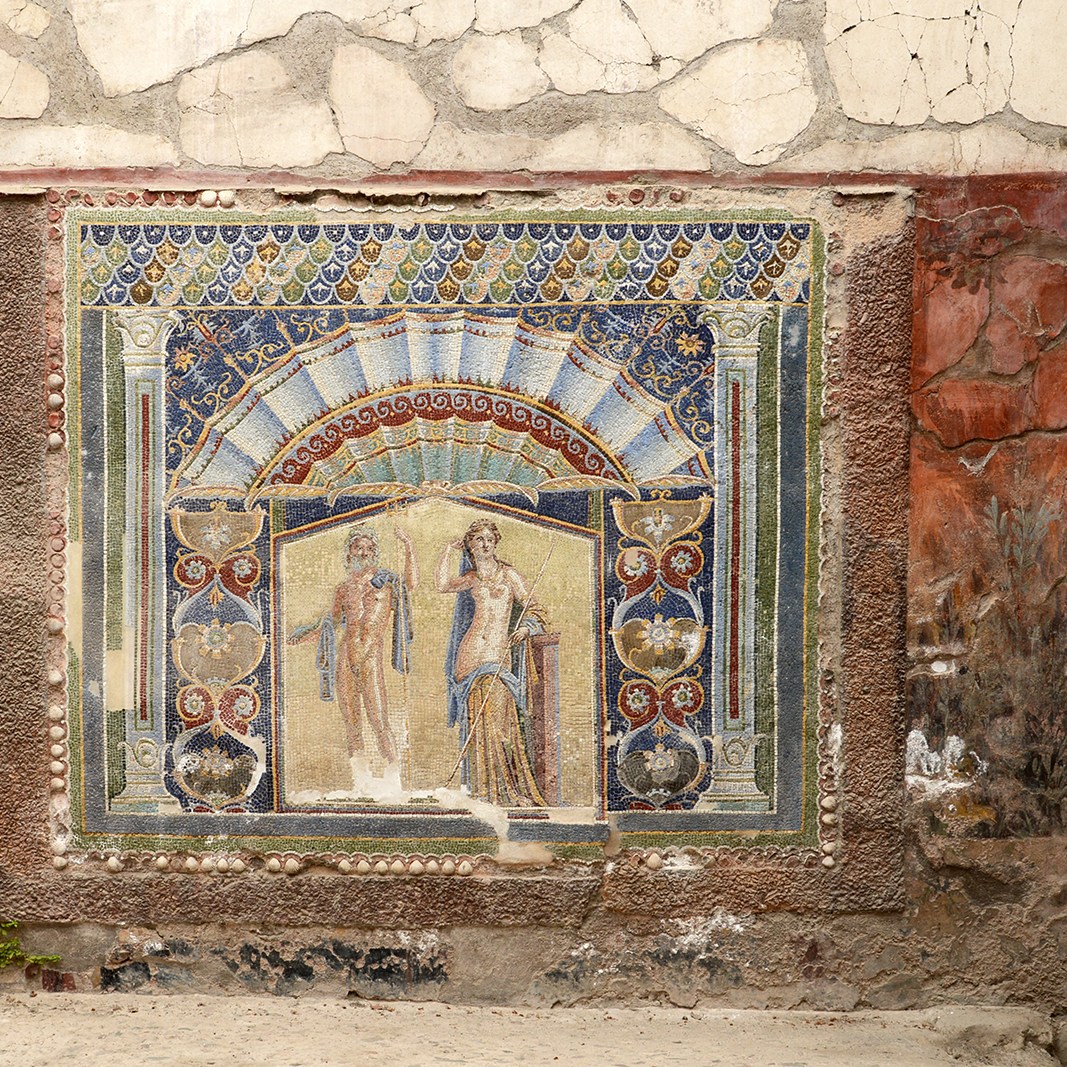
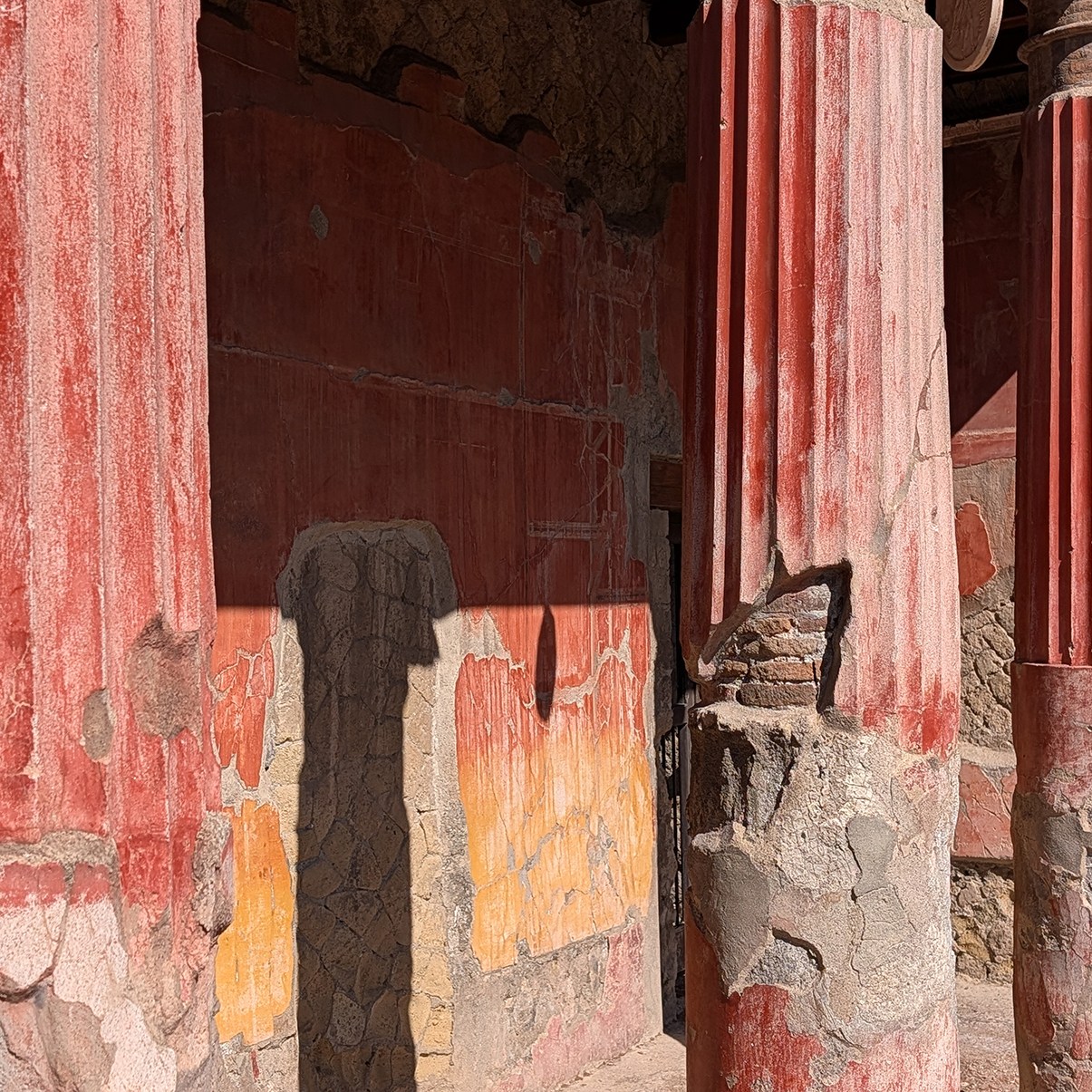
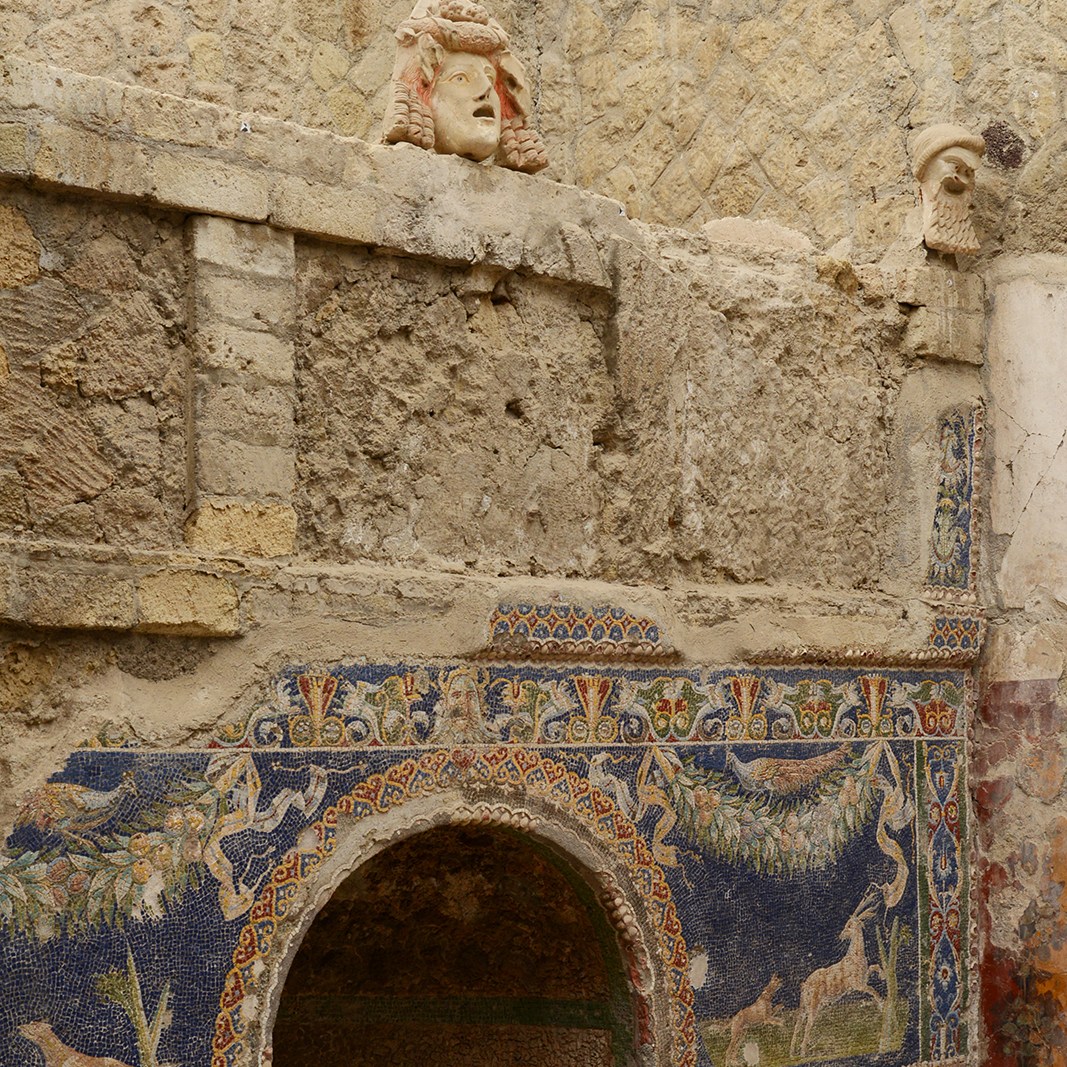
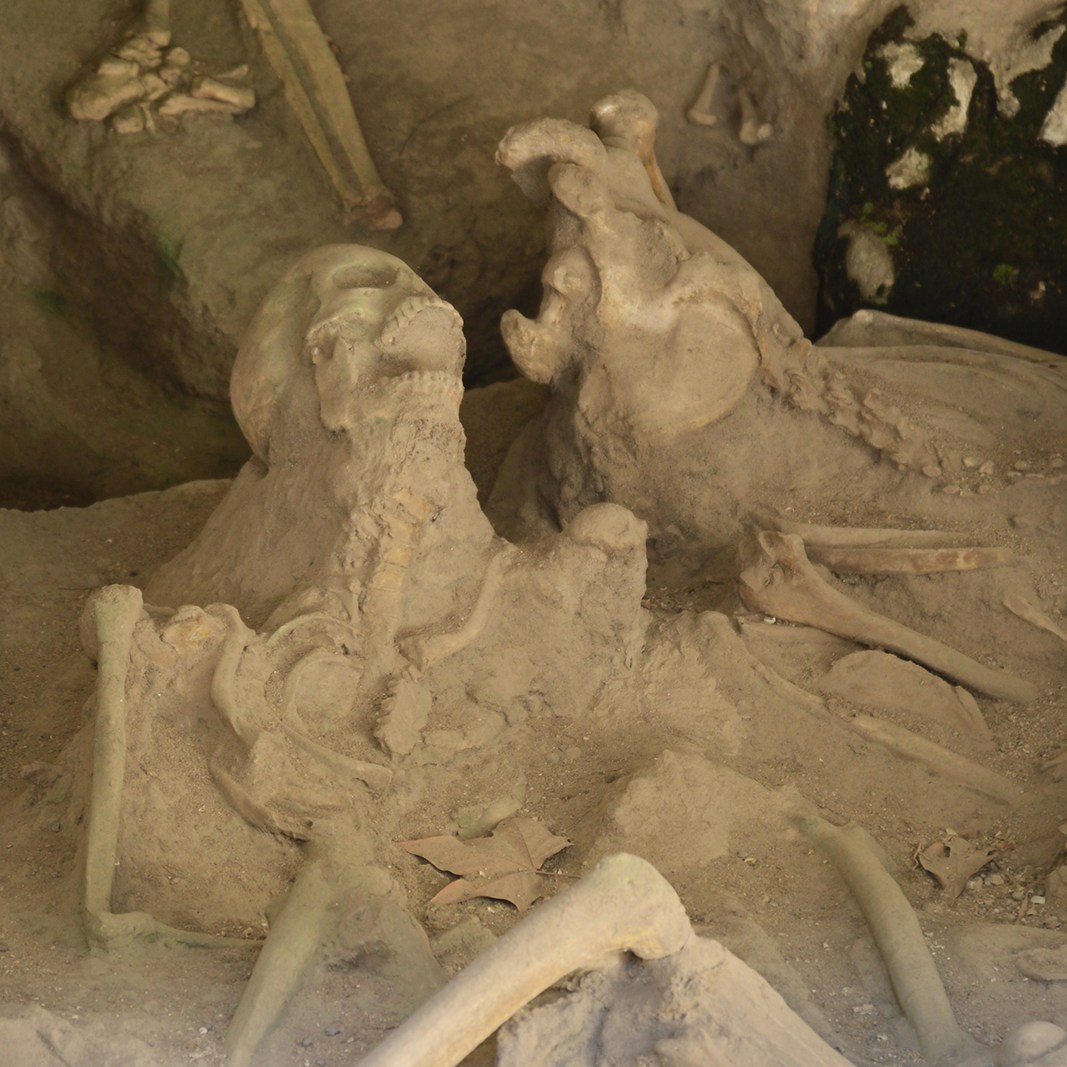
On your way south from Naples, the presumed starting point for your visit, stop to visit the fascinating ruins at Pompeii or its more condensed yet no less impressive (and in certain respects, more starkly macabre) neighbor, Herculaneum. If your desire is abundant yet your time is not, to visit Herculaneum over Pompeii is a gutsy call, but if you have just a couple of hours, I believe you’ll have a more satisfactory experience there. In either case, don’t drag your bags through the archaeological sites – large bags aren’t allowed anyway; instead, check them at the Herculaneum visitor’s center or leave them at the family-run restaurant at the fun-sized Pompeii station, where one of the uncles will watch (i.e., literally sit and watch) them in a secure room. After your walk through antiquity has built up your appetite, Bruno, the establishment’s heir-apparent, will command his team to make you one of the best Neapolitan pizzas you’ll ever eat, responding to your every request with an enthusiastic, “No problem!”
Be aware of closing times at Pompeii. Depending on which nook of the complex you’re exploring when the hour arrives, the guards may not necessarily signal you toward the gate and – speaking from experience – you’ll risk getting locked inside and having to scale ancient architecture and a modern outer wall after dusk. Also, unless you’re really hankering, don’t feel bad about skipping Vesuvius, which is a schlep even with the shuttle and not nearly as geologically interesting as it is historically significant.
HOW: VESPA(!) OR, IF YOU MUST, CAR OR BUS
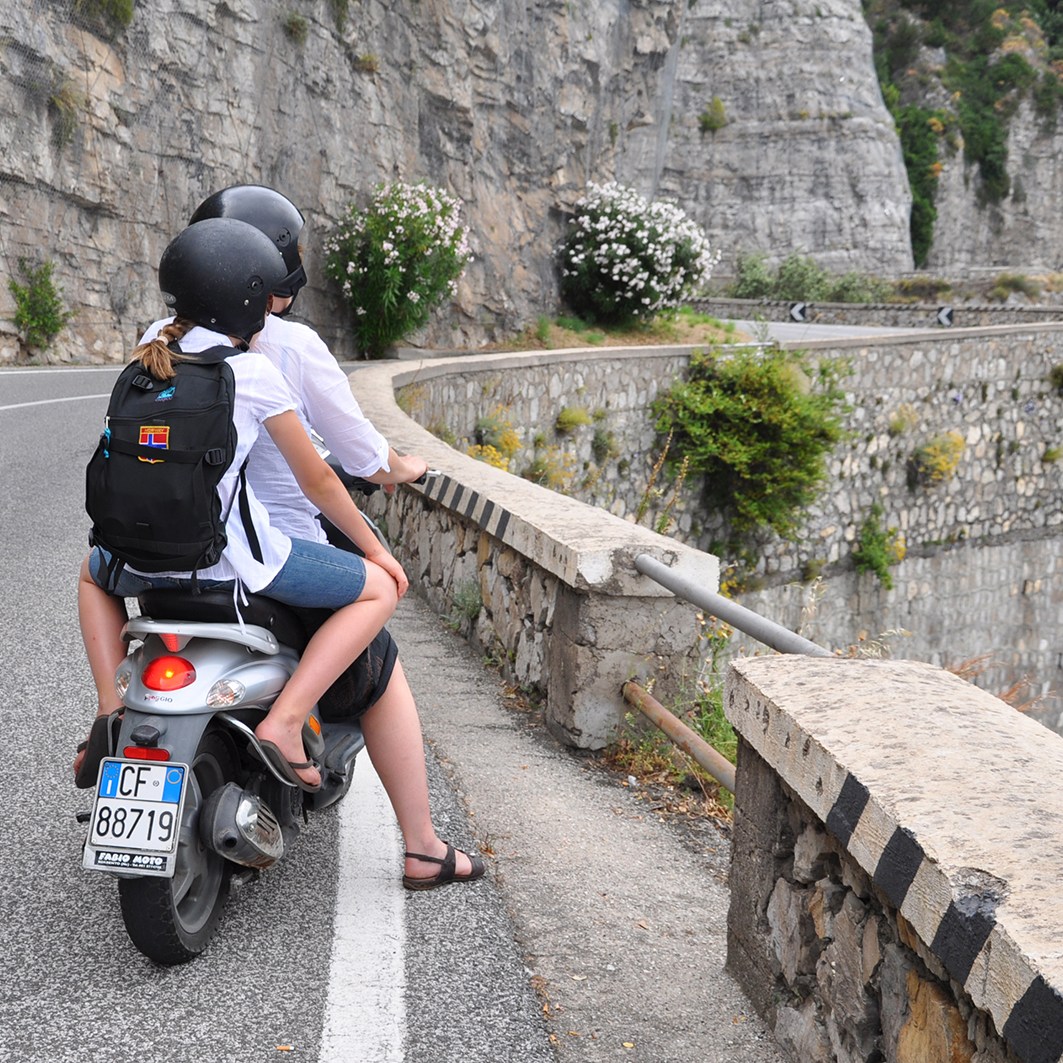
Only those with a certain temerity – or utter disregard for time spent not jammed in traffic or searching cursedly for a parking spot – venture here by car, especially during summer. Regardless of season, the best way to get around the Peninsula is inarguably by motorino aka Vespa, which can be rented most expensively and most conveniently in Positano, least expensively (and including a white-knuckled whizz along E45) in Naples, and under happy-medium arrangements from several shops in Sorrento. Just be sure you have the right license category for your intended rental: Anything above 125cc requires a motorcycle endorsement, but 125cc is plenty of power for most riders, including doubles with daypacks. And be brutally honest in self-assessing whether you really do know how to maneuver one on typically crowded and often perilous routes, so you don’t come home with road rash – I’m really hoping Italian cyclists call this “pancetta” – as did my friends who ate some asfalto amalfitano on their honeymoon.
If you must go by car, allow yourself a lot of extra time and many deep breaths for the various ways in which you’ll be forced, unceasingly, to atone for this decision. Whatever you drive, keep your tank above half at all times, as there are only a few stations along the entire Coast and they are known to face fuel shortages. If you fill up at Europe’s most photogenic Q8 just west of Conca dei Marini, tell Andrea – who may be tending to his glorious arbor of fuchsia bougainvillea when you pull up – that you heard from the American who sang “O Sole Mio” with him that he has a lovely voice. With some luck, he’ll smile, pull out his karaoke machine from the office, and favor you with some canzone napulitane while the pump pumps.
If autonomy is not your priority, bus is a surprisingly convenient option, as the public SITA line runs all along the Coast from early morning to late evening, 7/365, with extended hours on weekends and during peak season. When you board at Sorrento’s Piazza Giovanni Battista De Curtis by the Circumvesuviana station, sit at a window on the passenger’s side to maximize your thrills as your driver navigates impossible hairpin turns along the cliffs. The bus from Naples, SITA Sud route 5020 from Varco Immacolatella – not Napoli Centrale – takes a pleasant albeit less exhilarating route, via Nocera and Cava de’ Tirreni.
WHERE TO DRIVE
SS163, aka “Amalfi Drive,” is probably Italy’s most scenic coastal road, and truly one of the great drives in all of Europe, so every itinerary will include the “essential” stretch between the SS145 intersection to the west and Amalfi Town to the east. And yet there’s so much more to explore in the immediate vicinity.
On the Peninsula’s western tip, drive the Nastro d’Oro (Golden Ribbon) loop through Marciano, Termini and Punta Lagno, maybe stopping for a hike and a swim at much-better-than-it-sounds Fiordo di Crapolla. According to an amica napolitana, Termini produces the region’s best limoncello – making it, in turn, the world’s best – and it was here, on a folding table and plastic chairs set on the street in front of Chiosco Bar San Costanza, that we enjoyed an especially memorable meal. This occurred thanks to Giovanni, who flagged us down as we headed westward out of town on our Vespe: “Stop! Stop! Americans? I’ve been go Colorado! Now, turn around and go eat my grandma’s ravioli!” Nothing that his family served us that evening seemed to have been sourced from anywhere other than their adjacent garden – I wouldn’t be surprised if the flour had come from their own wheat or the mozzarella from their own herd of bufale. (While I felt the unpublished prices to be reasonable, many online reviewers note feeling taken advantage of, so do take care to confirm pricing in advance.)
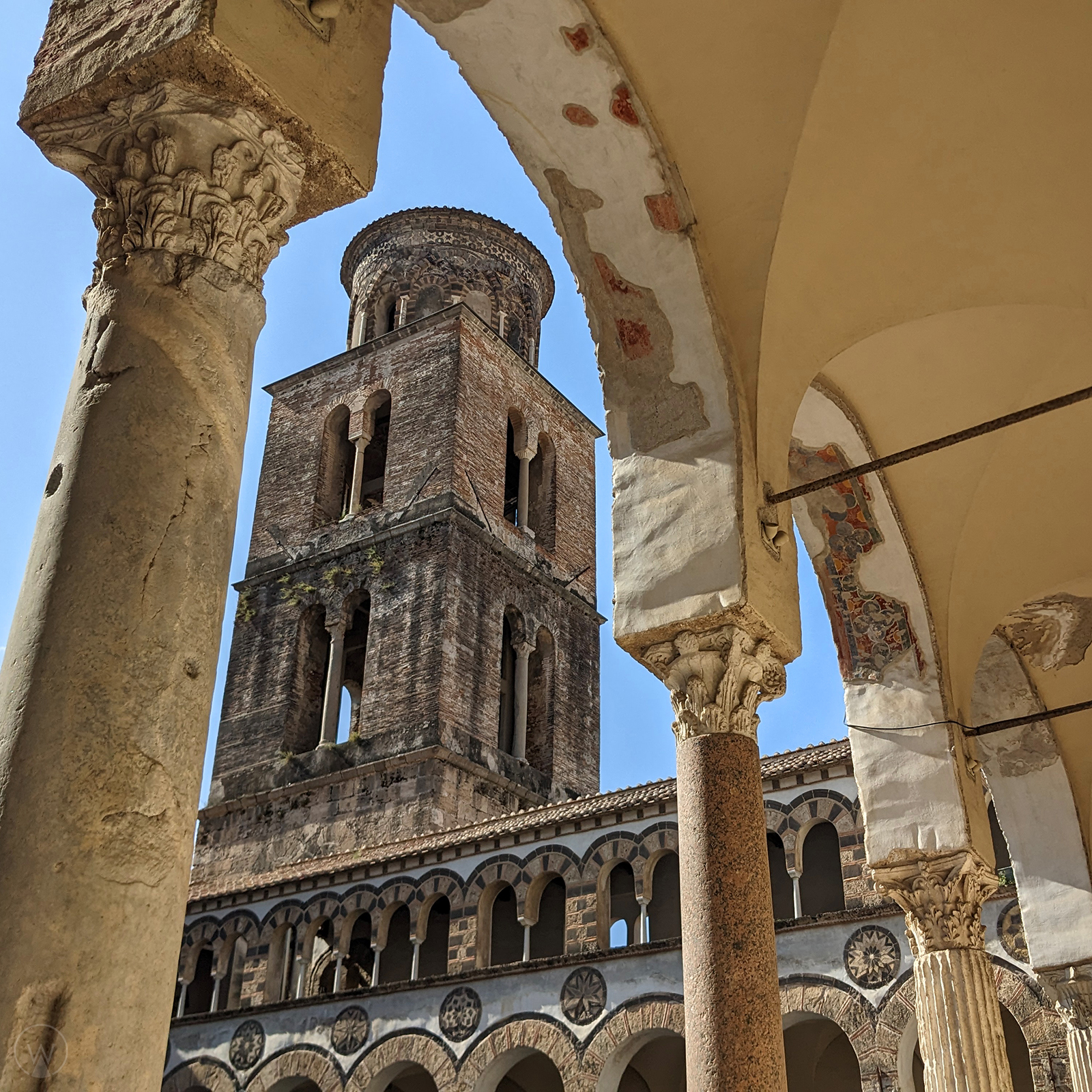
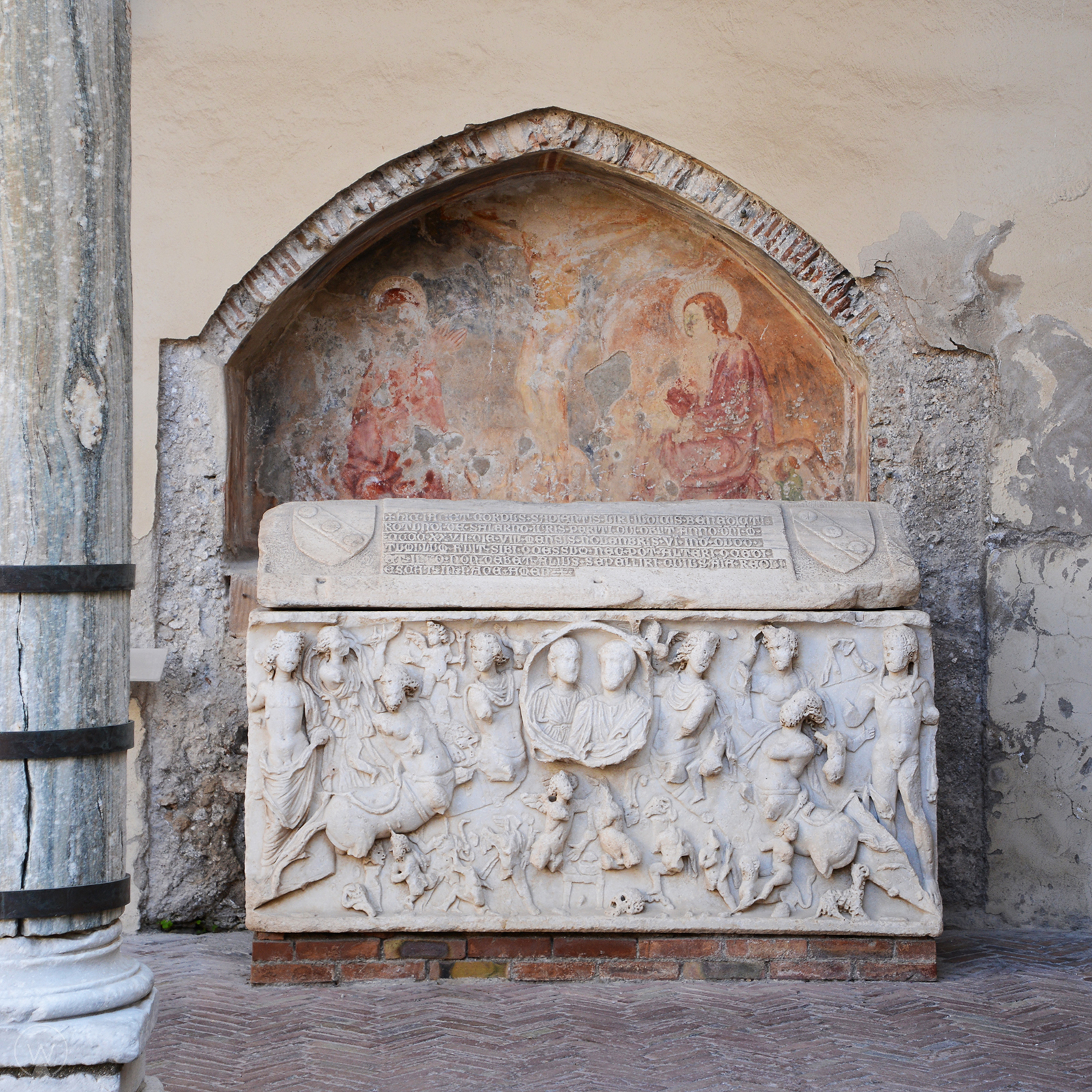
Marking the Peninsula’s east end, Salerno might be described as “a lot of what you want from Naples, with a lot less of what you don’t.” Tucked behind this ancient city’s uncharming port and mediocre esplanade are delights such as lush gardens, spectacular views from a hilltop castle, interesting museums, and a cathedral hiding a Rococo fever-dream behind its stark Norman façade, all bound in a maze of rustic vicoli (small streets or alleyways).
Back in the middle of everything, take in an entirely different perspective on the Peninsula by cutting directly over the hilltop on SS366 at Conca dei Marini. Whether you choose this route as a scenic out-and-back or as a practical one-way at your visit’s end, never in your life will you forget the views as you wind your way way, way up toward Pimonte.
WHERE TO STOP ON THE WATERFRONT
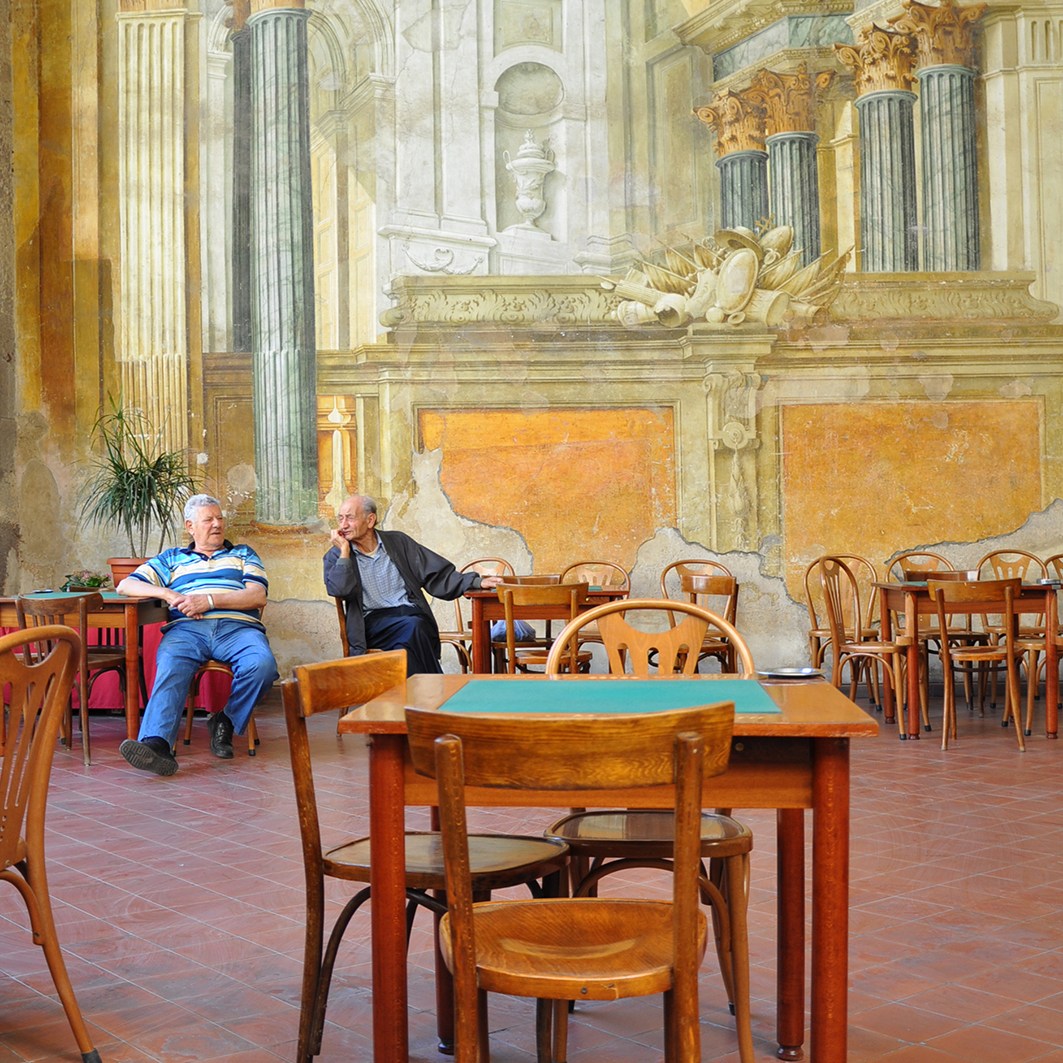
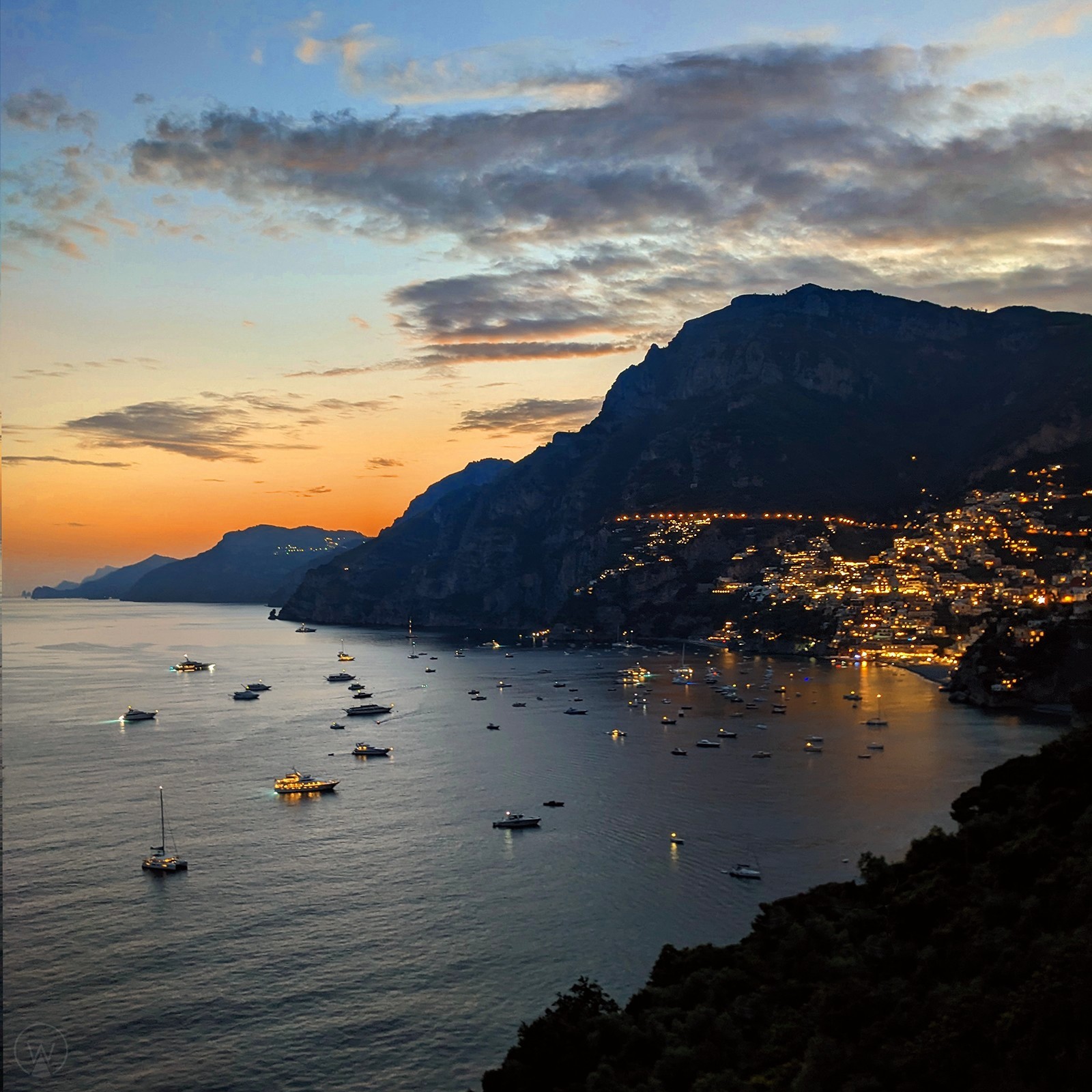
The Peninsula’s larger towns vie for the most attention and traffic. They should of course be visited, but with well-calibrated expectations regarding ideas of “quaintness” and “unsullied authenticity.” Sorrento’s waterfront and centro storico (historic center; don’t miss the magnificent trompe l’oeil at the Sedil Dominova patio) have been immortalized in song, while achingly picturesque Positano and Amalfi went viral via canvas and card centuries before Instagram. Understand that here, you are following directly in the footsteps of tens upon tens of millions, and your feet may get stepped on along the way.
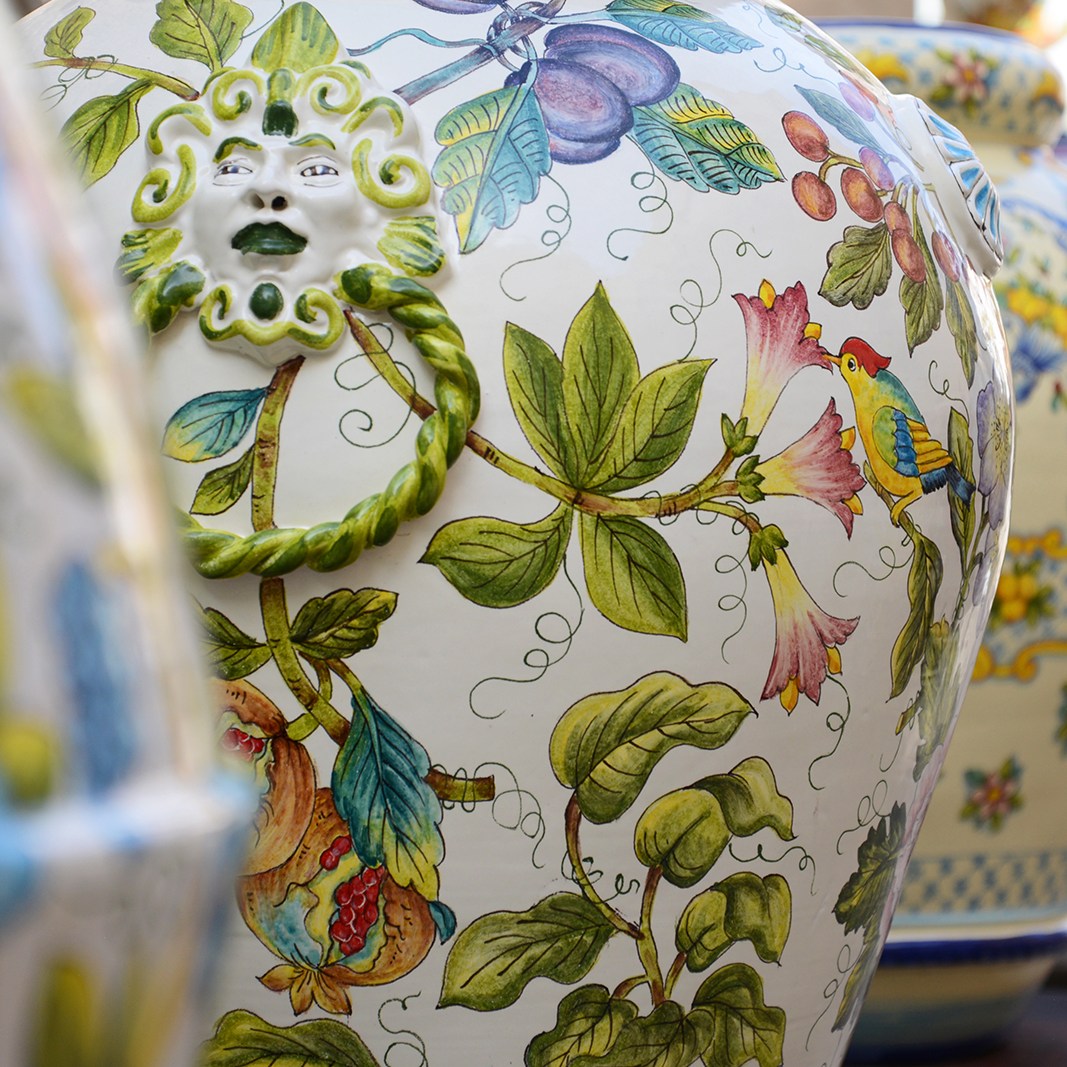
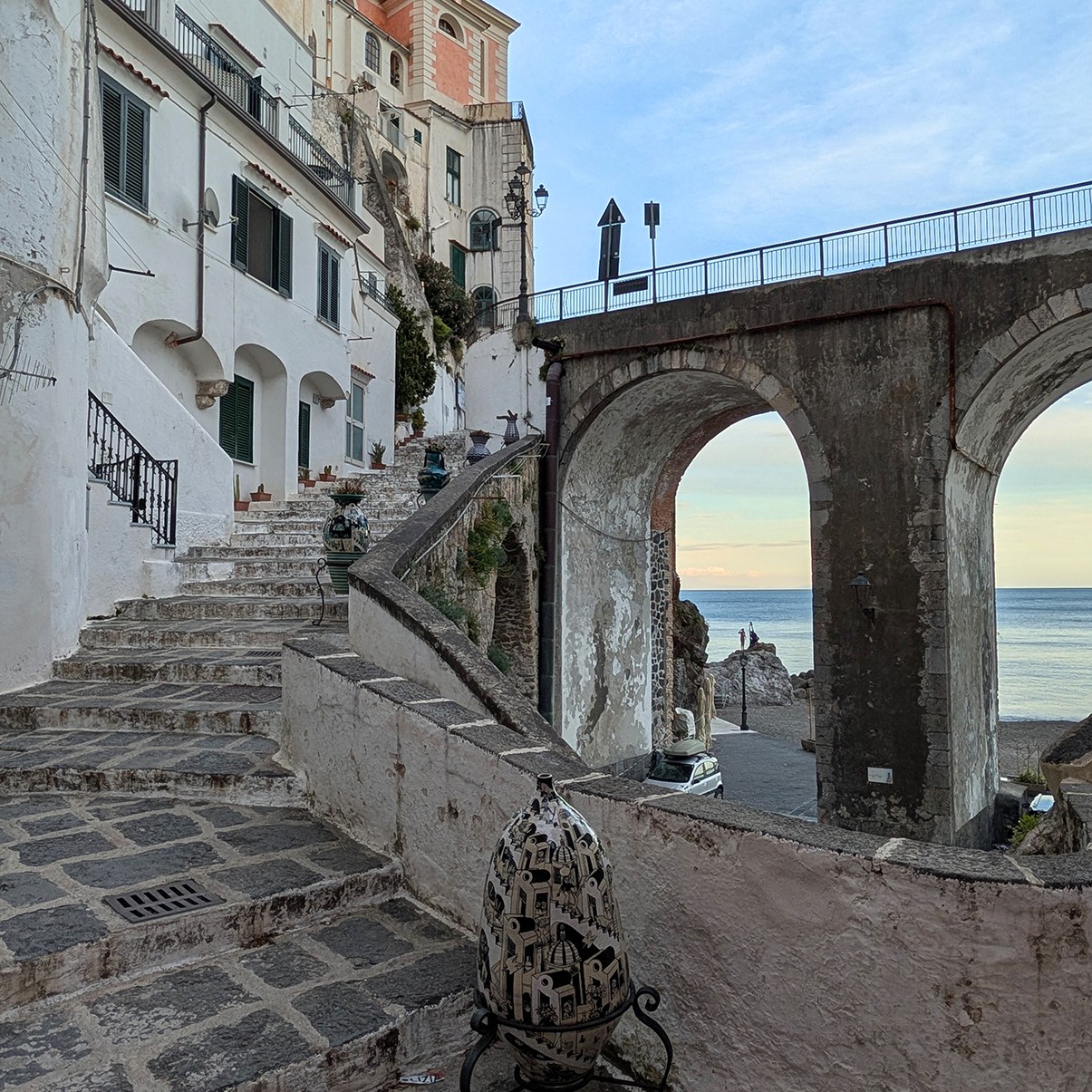
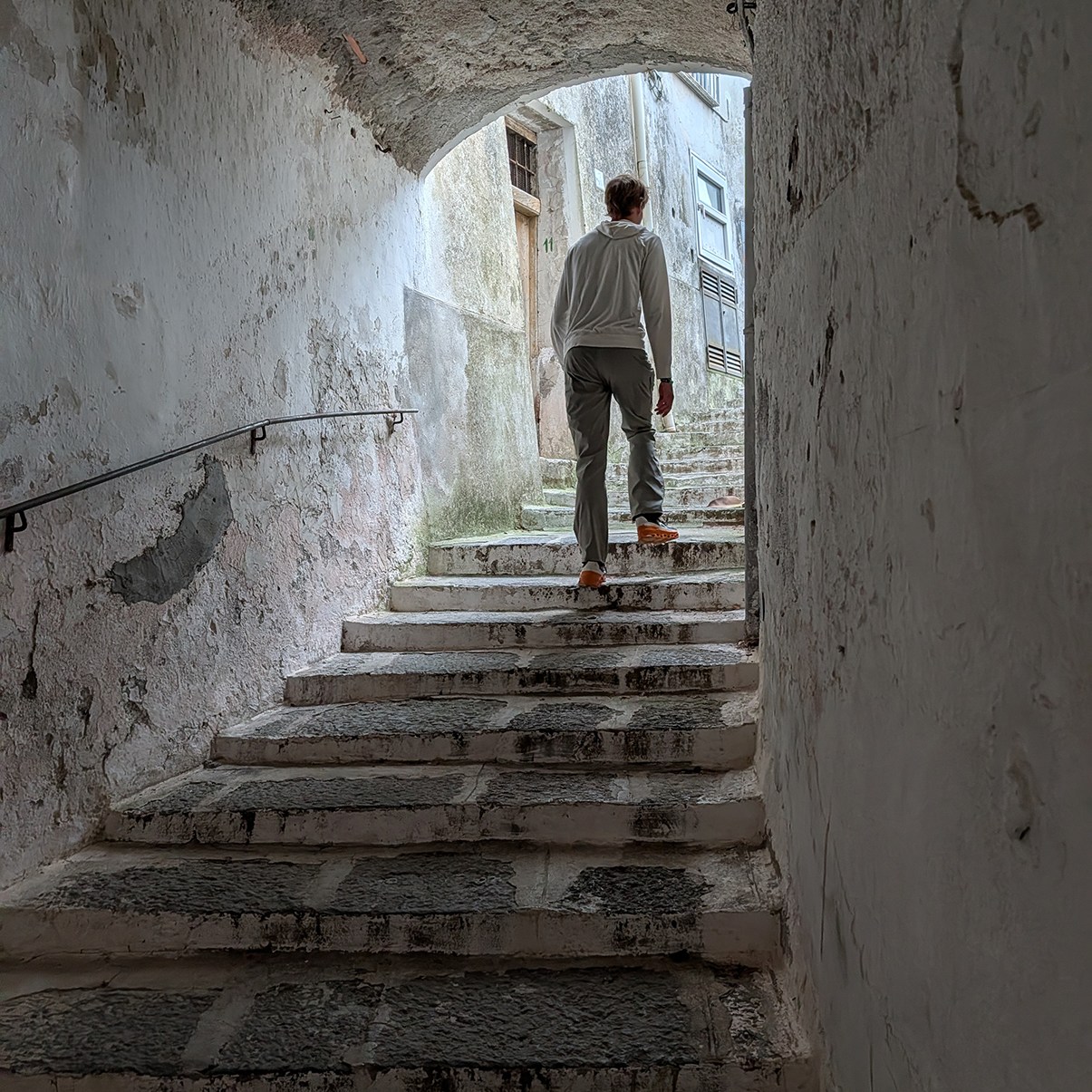
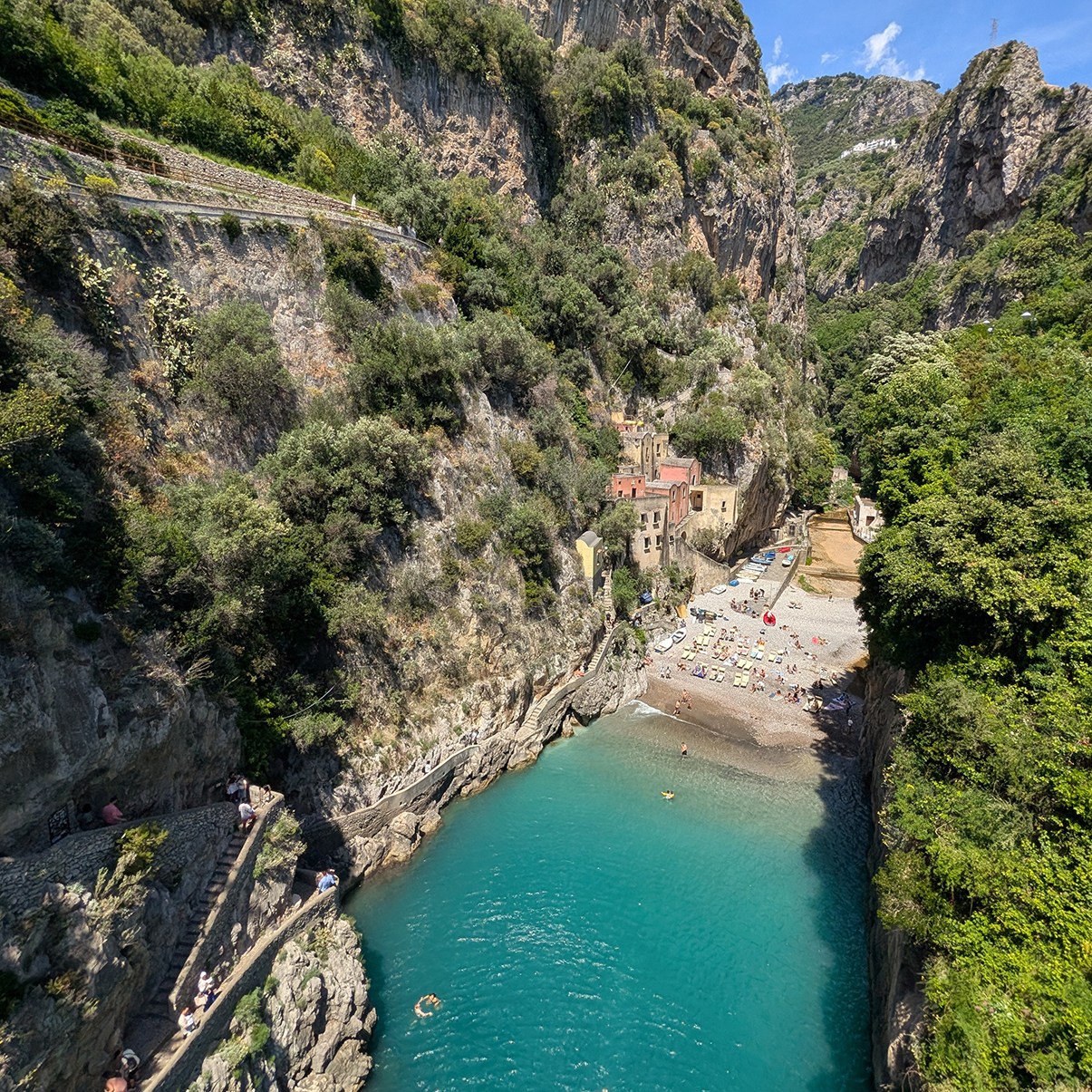
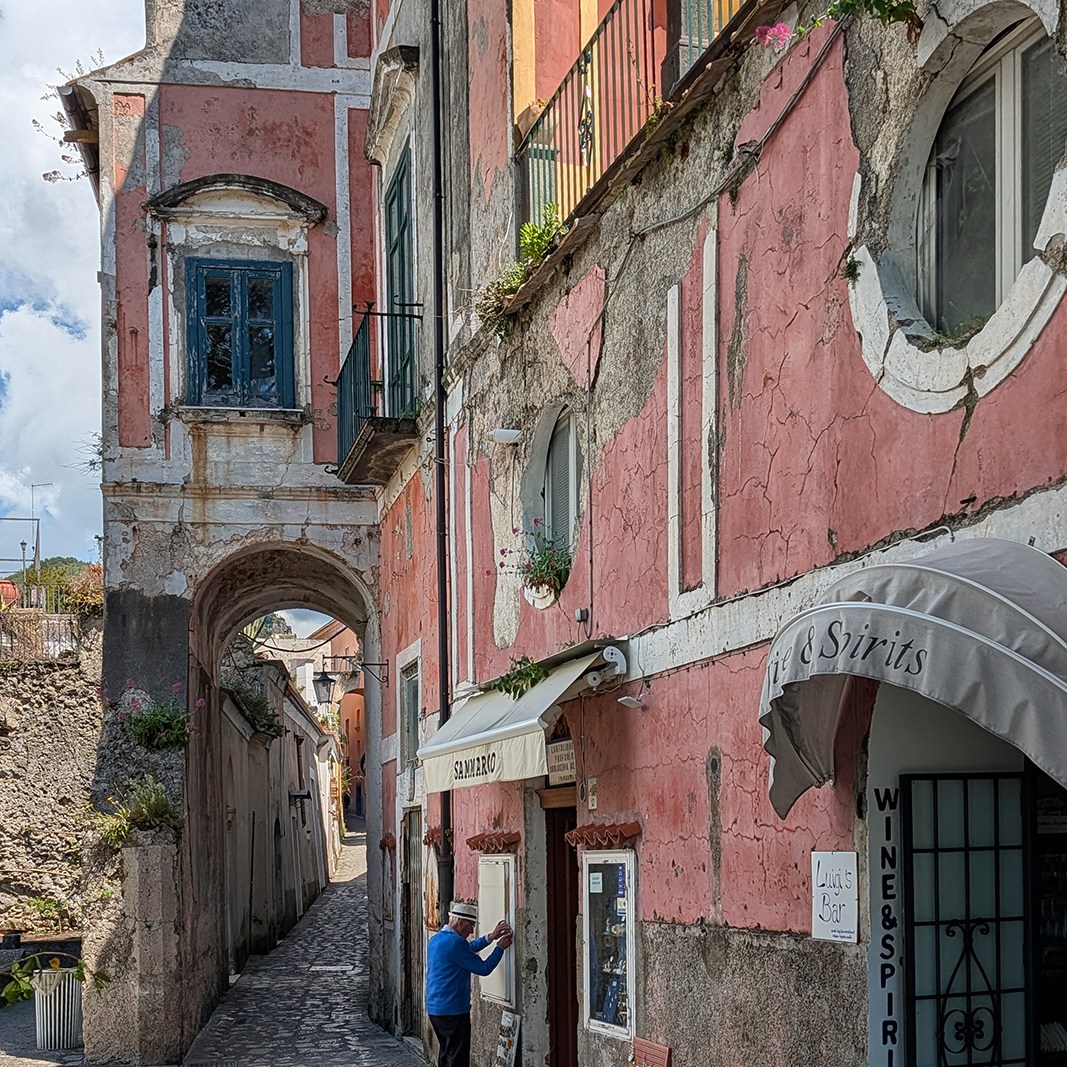
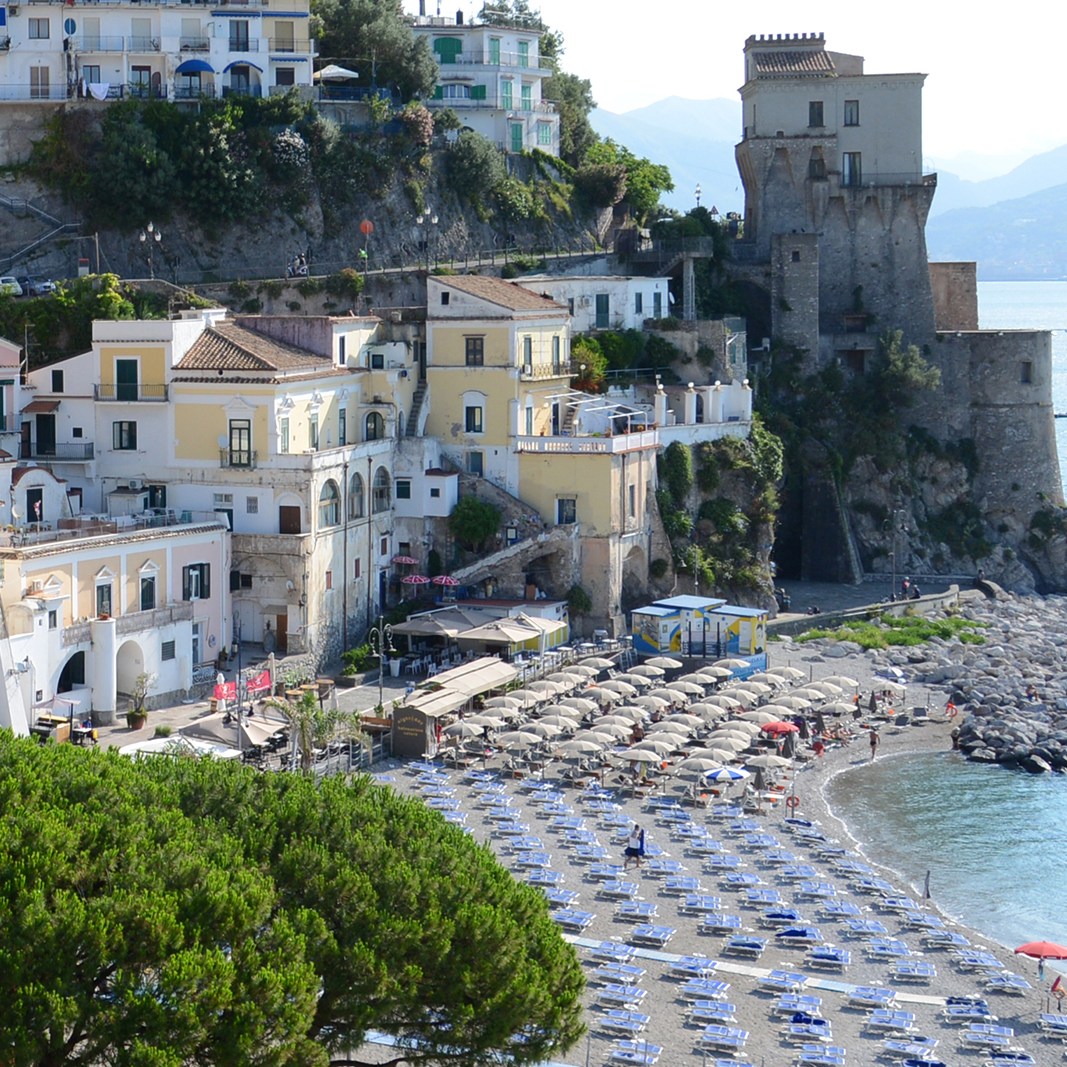
That acknowledged, do not ignore the smaller villages along the way. A kilometer around the bend from Amalfi Town, for example, is Atrani, which has excellent dining options, such as highly-regarded Le Palme, and a disorienting, Chutes and Ladders-like maze of staircases running between, under and on top of colorful homes, up to the mountainside shrine Santuario Santa Maria del Bando, from which the views are blessed, indeed. Minori is criss-crossed by fantastic pedonale (pedestrian-only streets) and its 100-meter pier is perfect for morning views and evening kisses. While Maiori’s modern waterfront seems to spurn the Coast’s HOA guidelines – we found that a few scoops from the Geljada gelateria made this much more tolerable – right around the bend are a pair of real cuties, Erchie and Cetara, with the cheerful storefronts of the region’s ceramics capital, Vietri, just beyond. And stay alert for fantastic pullouts along the way, often near (or under) bridges and requiring quick thinking and quicker reflexes, such as Fiordo di Furore, just east of Praino, a cliff-lined cove featuring a gem of a beach by day and lively restaurants by night.
AN INLAND HAVEN
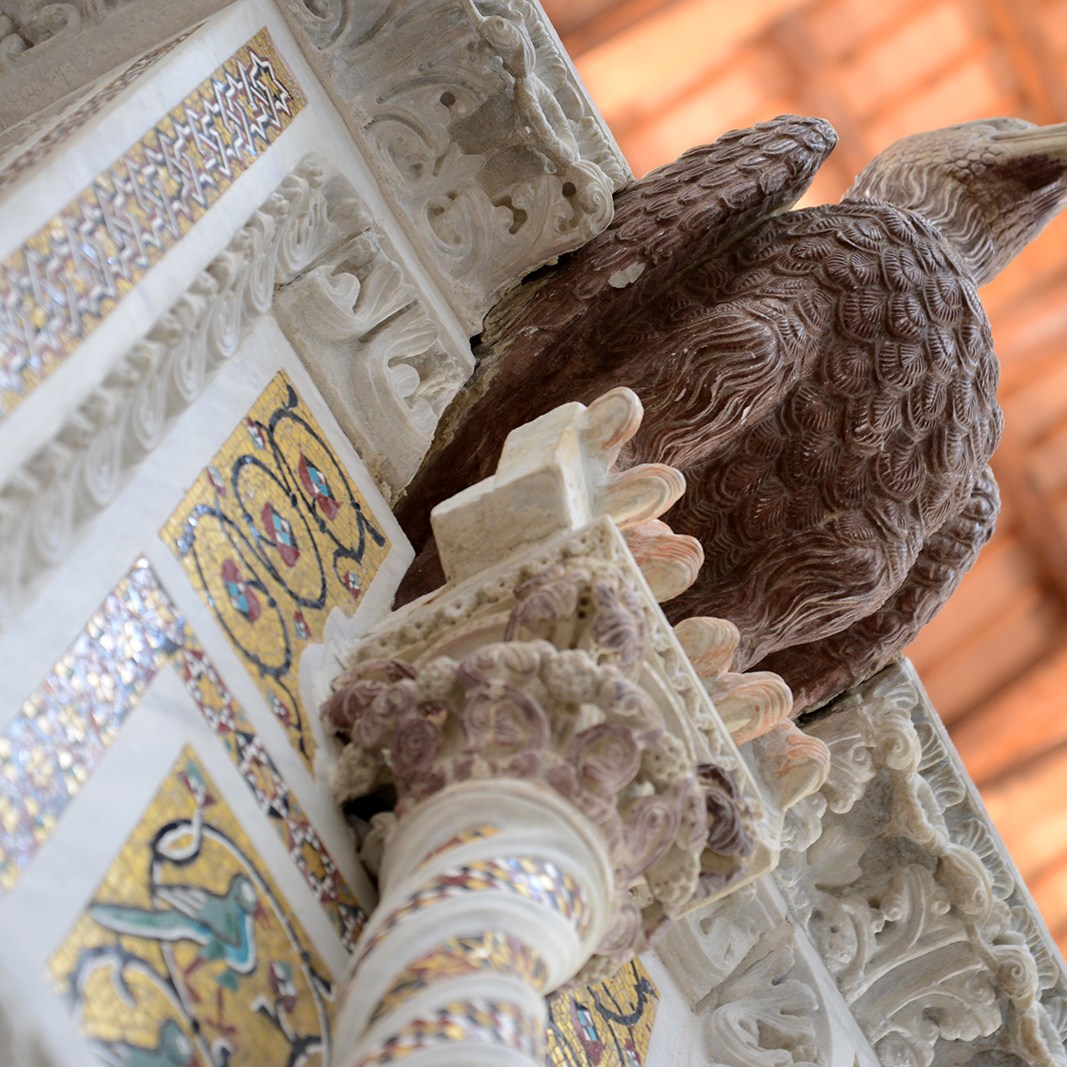
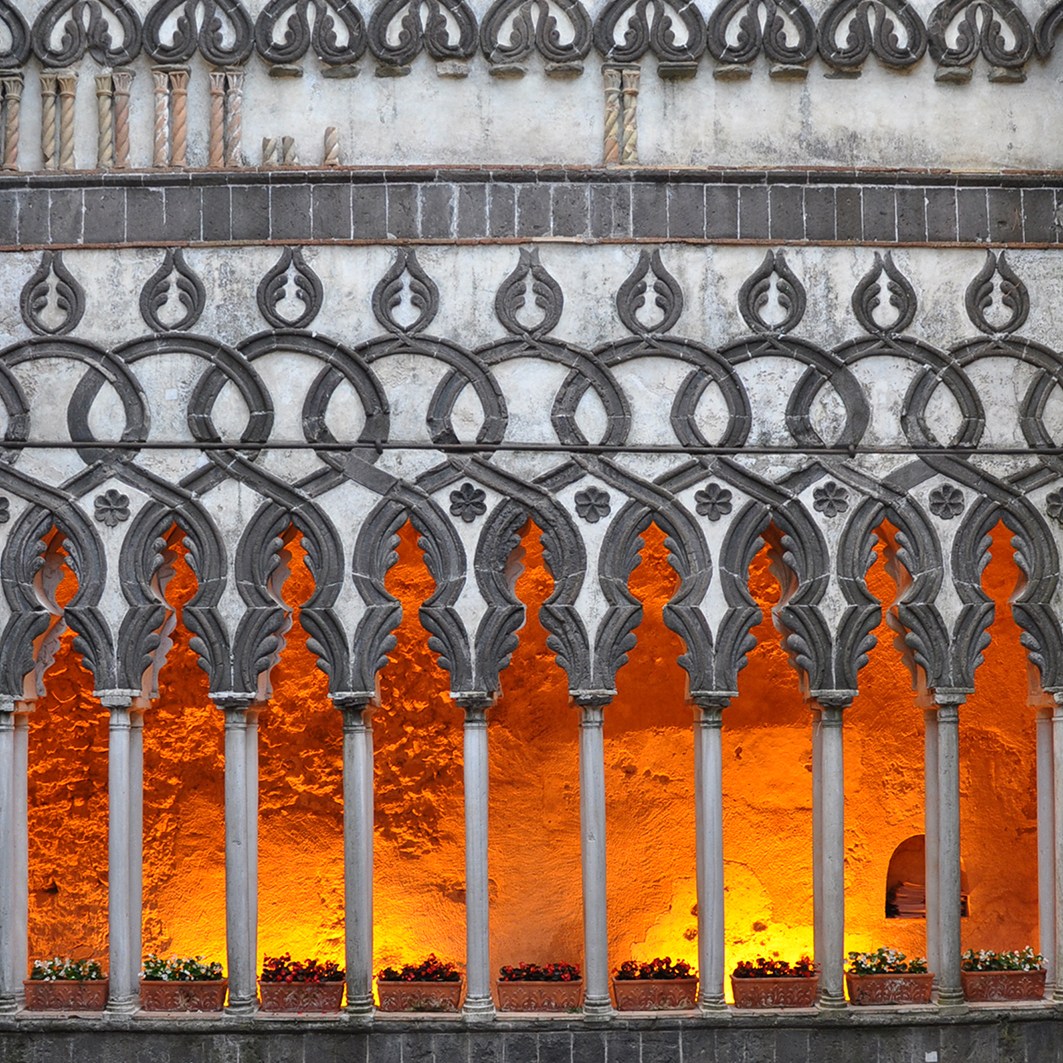
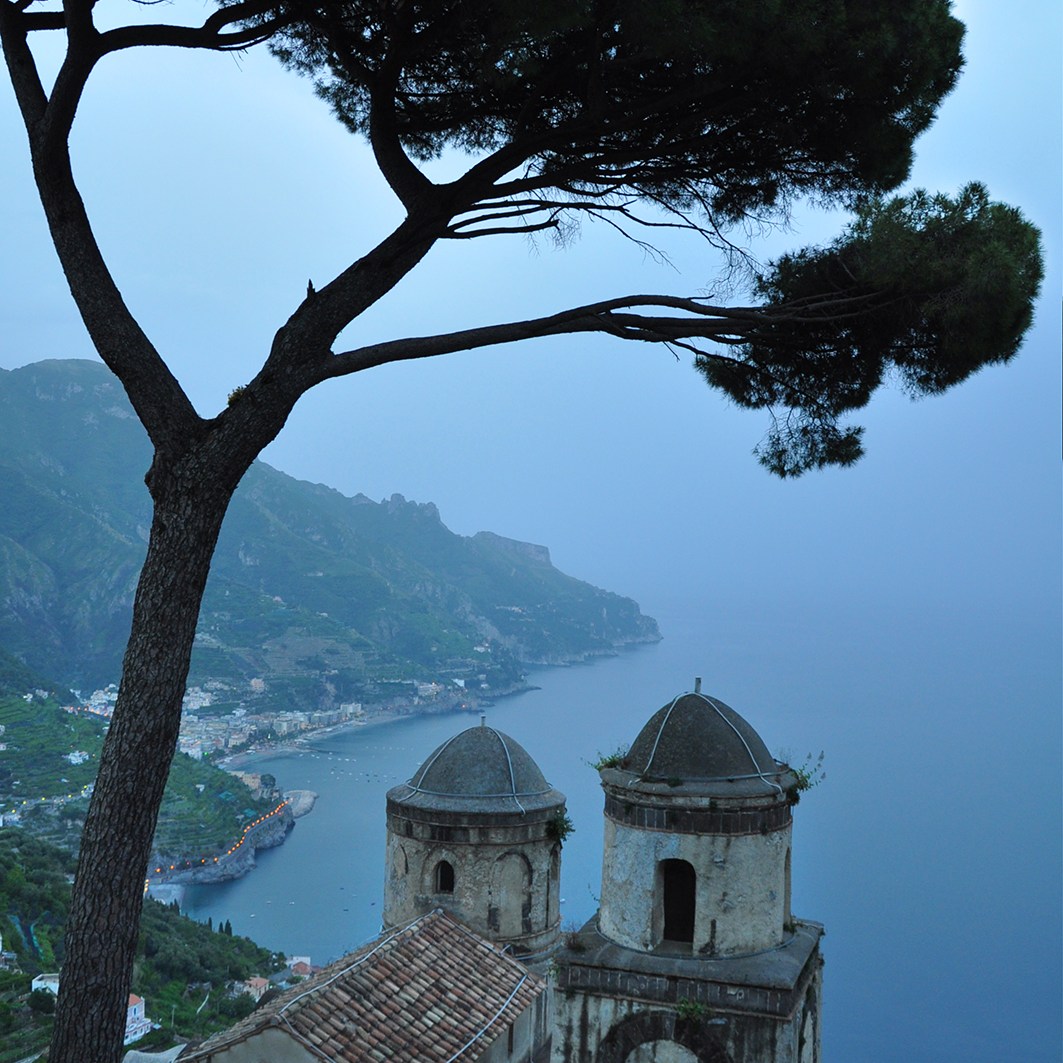
My favorite town on the Amalfi Coast – one of my favorite towns anywhere, really – doesn’t sit on the actual coast. Tucked into the hillside just above Amalfi Town is Ravello, tranquil home to a premier summer music festival, the famous gardens of Villa Rufolo, and expansive views of the Peninsula’s southern edge winding along the Tyrrhenian Sea. The view is even better – also capturing Ravello – from any given terrace farther up the hill in precarious Scala, where you can enjoy a charming barrel-roofed room in Guest House Malù. Alternatively, if you’re up for a splurge, Hotel Caruso dates back to the 11th century and is on numerous lists of the world’s best hotels.
On a recent visit, the fine restaurants and bars near the steps of the Duomo on Piazza Centrale had already closed their kitchens for the evening, but the late-night menu at nearby Cucina di Sofi (a few steps from the Duomo on Via Roma) offered superb paccheri with an exquisitely simple fresh-tomato sauce, which I savored al fresco next to a wall exploding with jasmine. For quality, flavor, substance and value, you’ll be hard-pressed to beat the made-to-order sandwiches next door at the Sapori Mediterranei wine store, sandwiches best enjoyed by walking a few steps up Via Richard Wagner, entering the wrought-iron gates to your right (identifiable by the musical symbols that serve as handles) and dining on the grass or benches in Giardino del Vescovo, immediately behind the Duomo.
DAY TRIPS
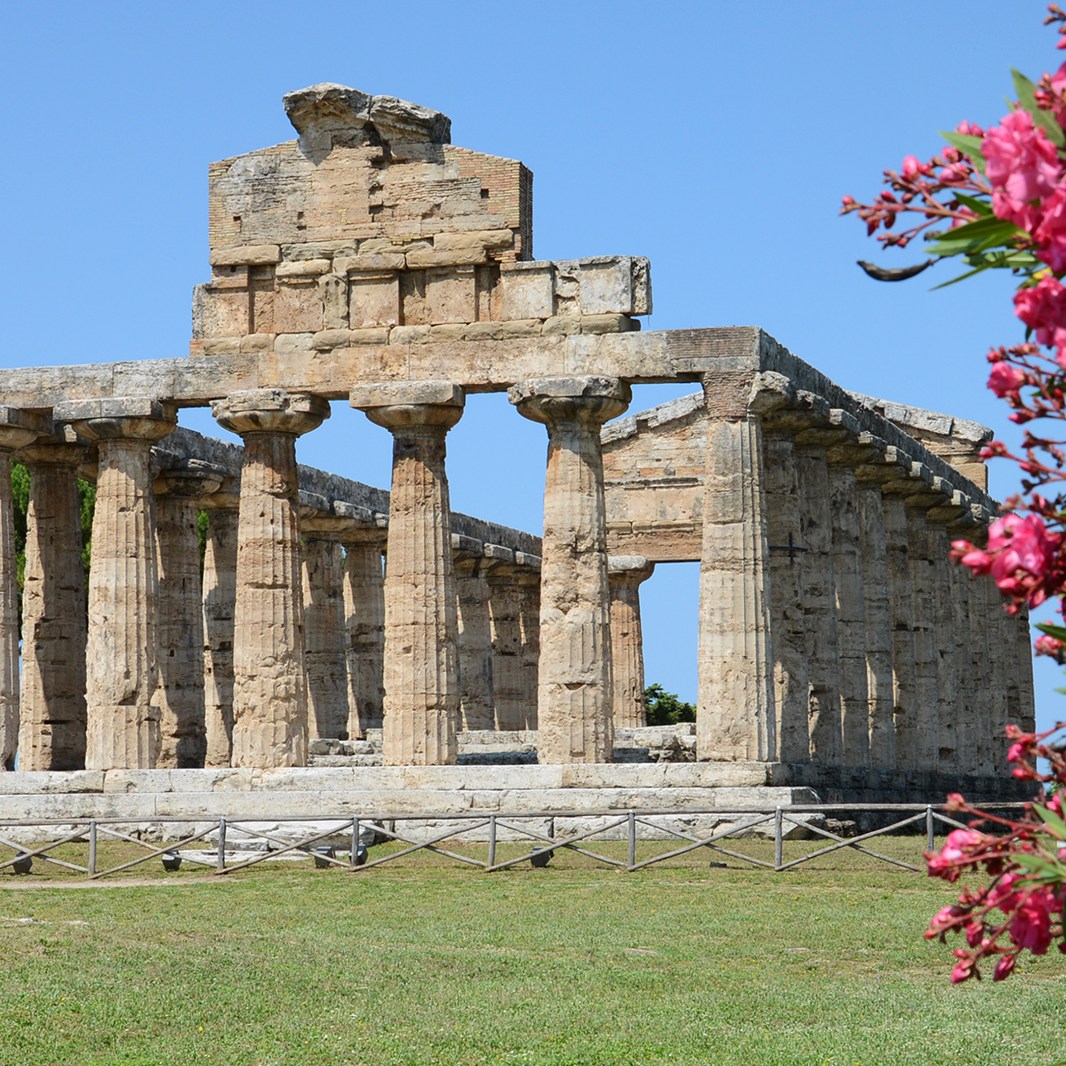
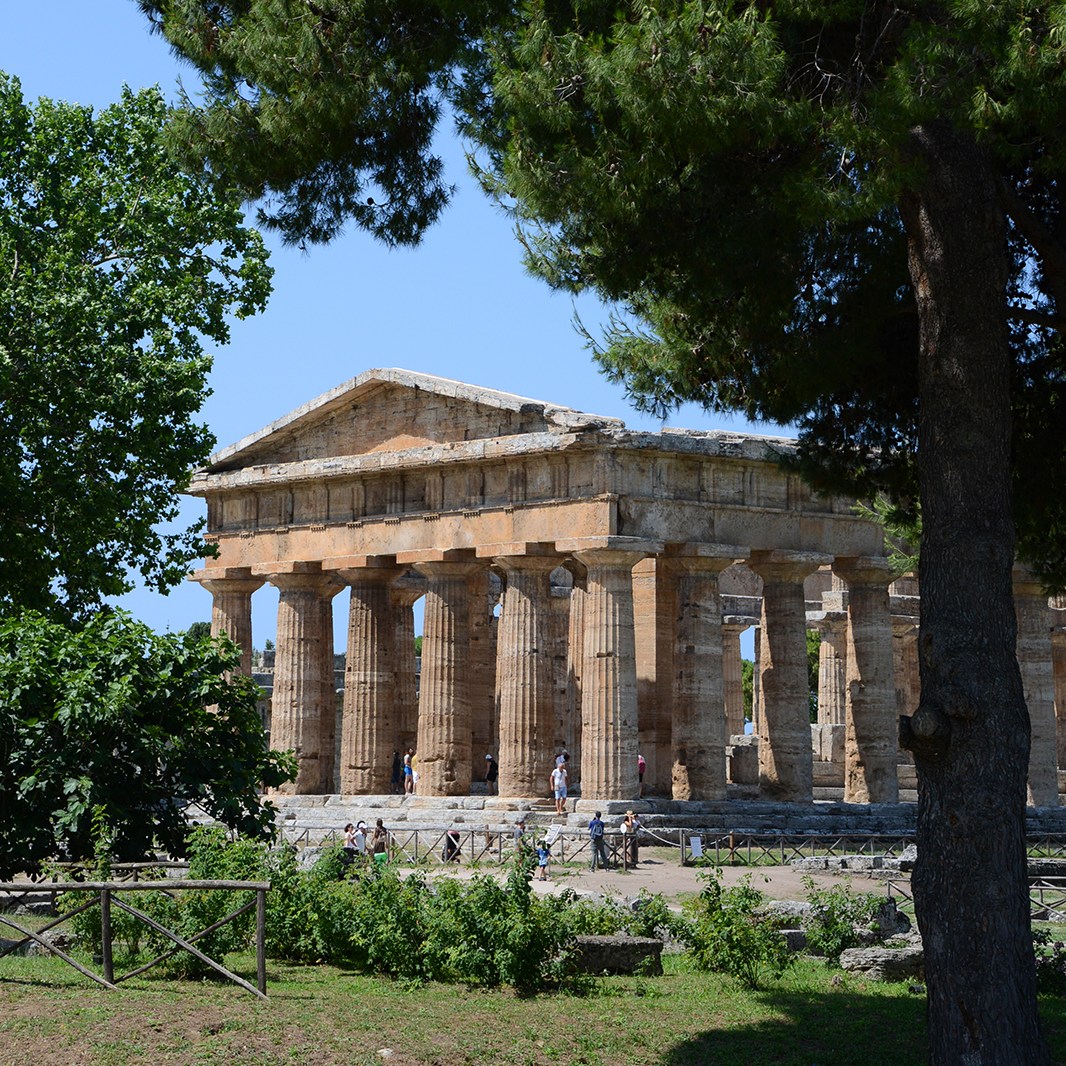
A short drive south of Salerno is Paestum, the vast remains of a Greek colony dating from the 6th century BCE. This UNESCO designee includes three temples in outstanding condition, a well-preserved amphitheater and fortress walls, streets with stretches of original paving intact, and a fine museum housing artifacts from the site. Paestum was also the location of the successful World War II landing of a U.S. infantry division, which shrewdly set up its Red Cross tents in and around the temples whose bombing had been forbidden by both the Allies and the Axis. While technically not on the Amalfi Coast, half a day in Paestum will enhance any visit to the Sorrentine Peninsula.
An hour south of Paestrum is the Cilento Coast, which Italians call La Costa del Mito (The Coast of Myth) and savvy travelers call “The New Amalfi” or even “The Anti-Amalfi.” This little stretch of peaceful paradise is replete with picturesque towns among dramatic cliffs and sea caves hidden along turquoise bays, with half of Amalfi’s prices and a tenth – at most – of its crowds.
P.S. Don’t forget legendary Capri, conveniently accessible by regular ferries from most of the larger ports between Naples and Salerno.
QUESTIONS FOR READERS
- What else would you recommend for visitors to Amalfi?
- If you’ve ever been here during winter, what was it like?
- What do you consider some of the other most scenic drives in Italy?

