




Note: This is the second of three posts about Buenos Aires. The series begins here.
Cartographically, San Telmo graces the southern edge of Buenos Aires’ Microcentro, the subject of an earlier post. But if Microcentro is the city’s brain and nerve center, San Telmo and La Boca are its heart and soul, and this distinction warrants distinct attention.
Dating back to the 1600s, San Telmo is the oldest neighborhood in Buenos Aires, and through the centuries has been home to dockworkers, then Jesuits, then tanguistas (tango dancers), all of whom have left indelible impressions on its cobblestoned alleyways and tiled corridors. It is not a large barrio, which intensifies the impact of experiencing its many treasures.
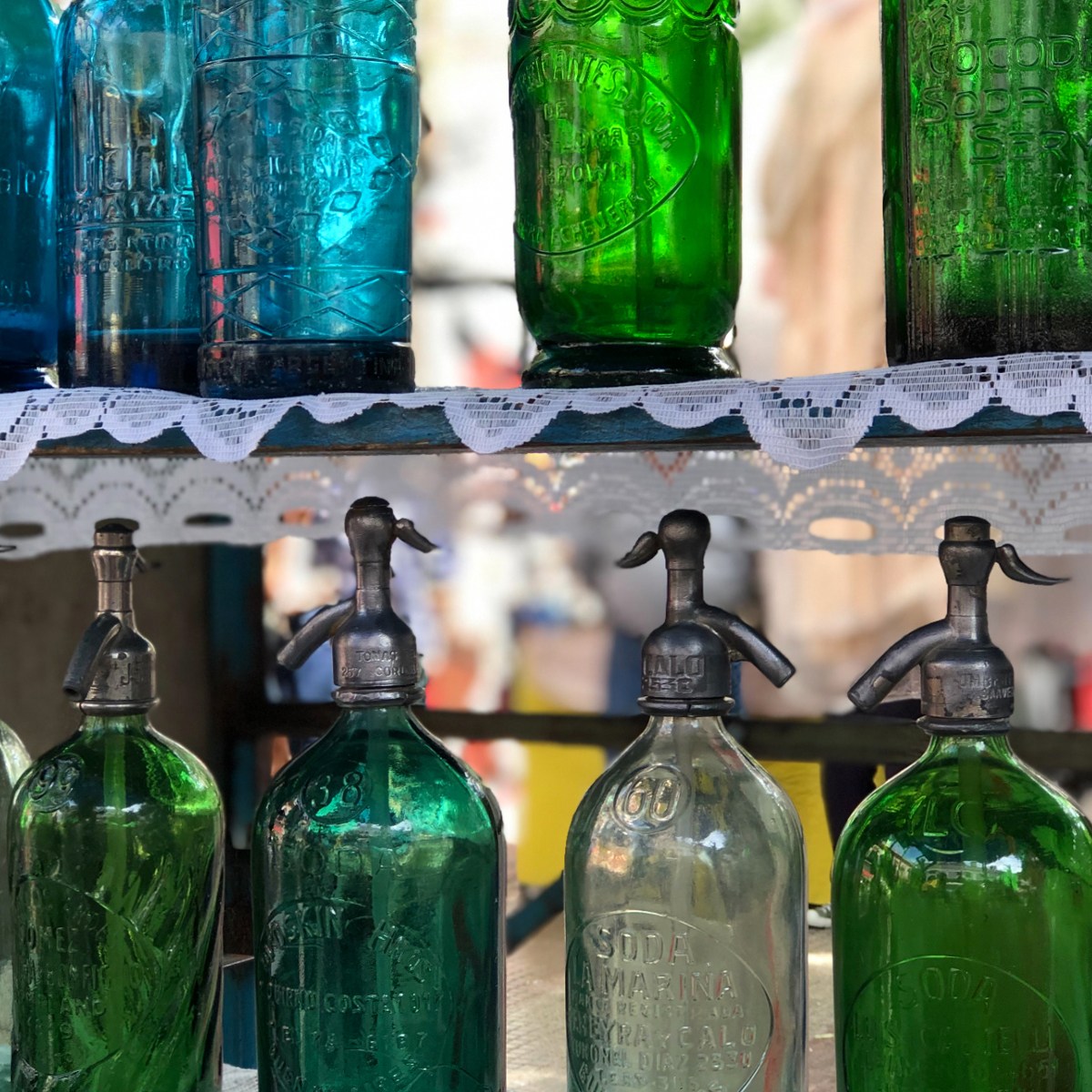
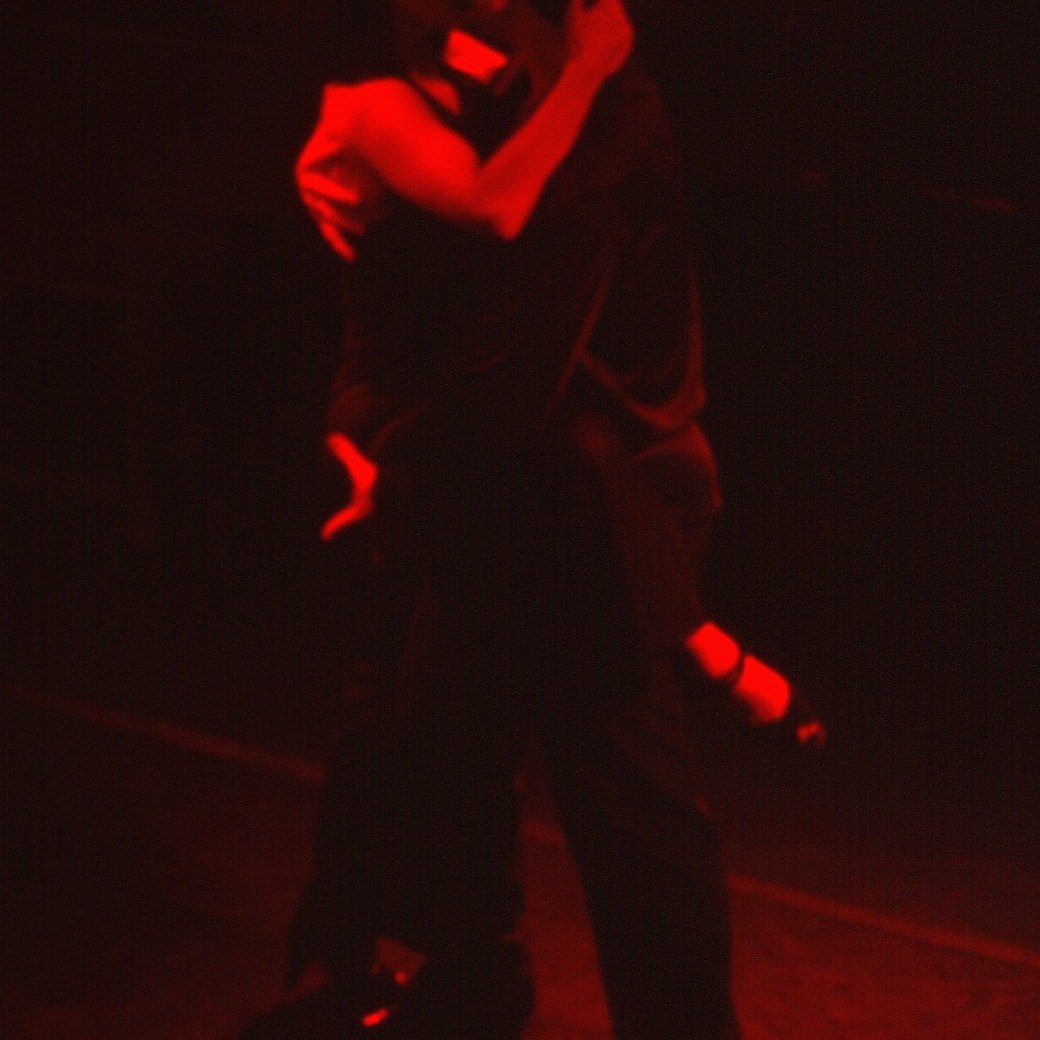
Base camp for any exploration of San Telmo is Plaza Dorrego, ideally visited Sundays between about 10 a.m. and 4 p.m. when the “base camp” concept is underscored by the dozens of tents that serve as temporary tiendas (stores) purveying an enticing array of handicrafts, trinkets, arts and antiques. Even if you can’t make it to this feria dominical (Sunday fair), it’s impossible not to enjoy the rest of the Plaza’s offerings, including cafés, bars, street entertainers – including ubiquitous tanguistas – and shops.
ANTIQUES AND ARCHITECTURE
Owing to the lingering influence of heavy European immigration and Argentina’s affluent past, San Telmo is among the hemisphere’s premier destinations for antique shopping, much of which is done on Calle Defensa, one of the city’s first and most storied streets. I was told by a local that when San Telmo was the site of fighting against the British in 1806, the locals emptied chamber pots from 1° piso (second-story) windows down onto the heads of the invaders pushing northward from the dock toward the city center.
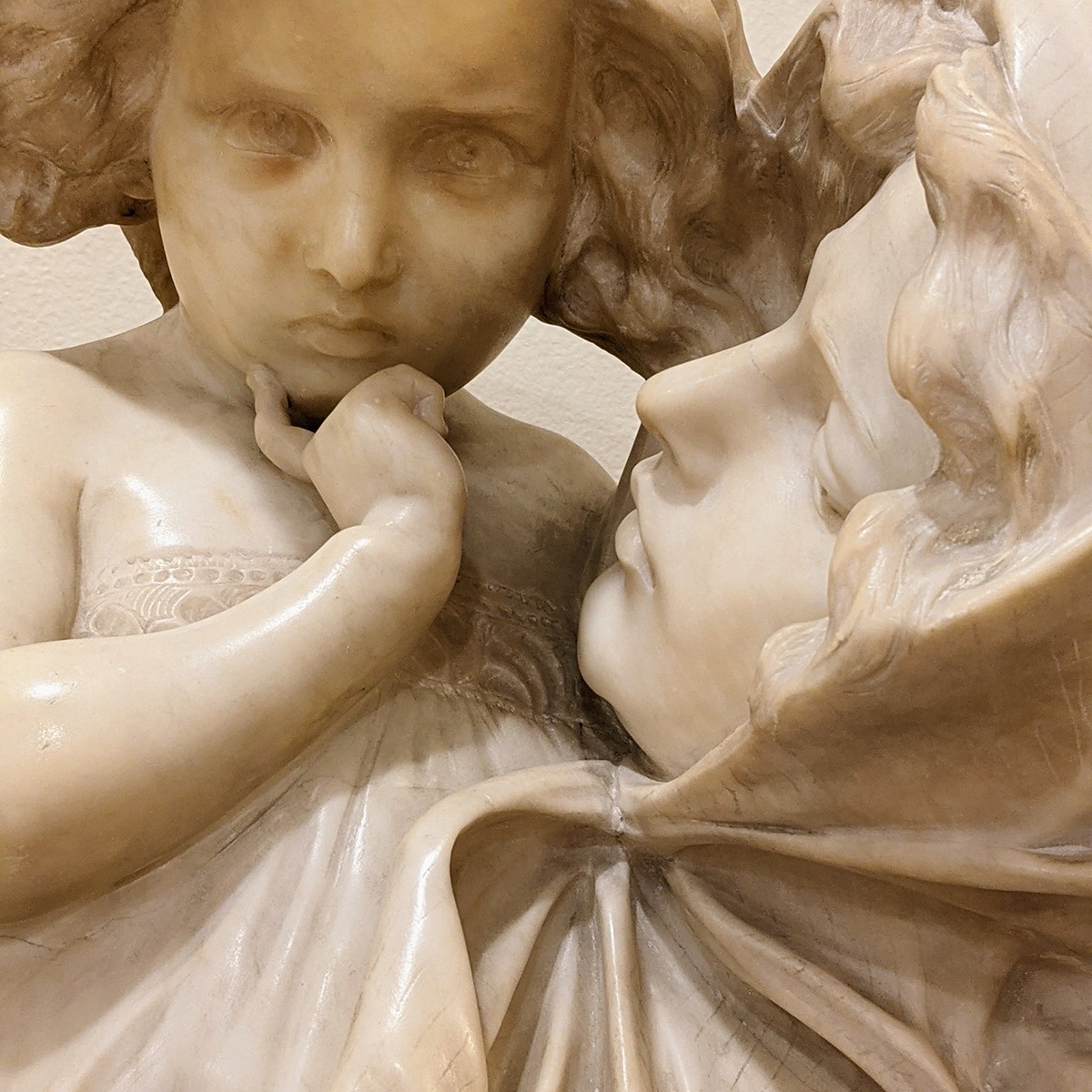
As you stroll Defensa under more hospitable conditions, duck into its many passageways and atriums, such as Pasaje la Defensa at Defensa 1179, for glimpses of past splendors. If you do want to buy any antiques of consequence in San Telmo, ensure that the store steps you through all logistics including Argentina’s strict art export laws. An Italian bust that I purchased here took a couple of my local friends three years and a pretty penny to ship to me, and they advised that I not ask too much about the process.
Wander Defensa’s cross-streets as well. A few blocks north of Plaza Dorrego, just off Defensa at Pasaje San Lorenzo 380, is Casa Minima, the narrowest house in Buenos Aires (2.2 meters wide, 13 meters deep), which housed freedmen following the country’s 1812 abolition of slavery. Also on Pasaje San Lorenzo is the Galería de los Patios de San Telmo, a typical upper-class house of the 18th century, now populated by artisans and artists’ ateliers.
FAITH AND FOOD
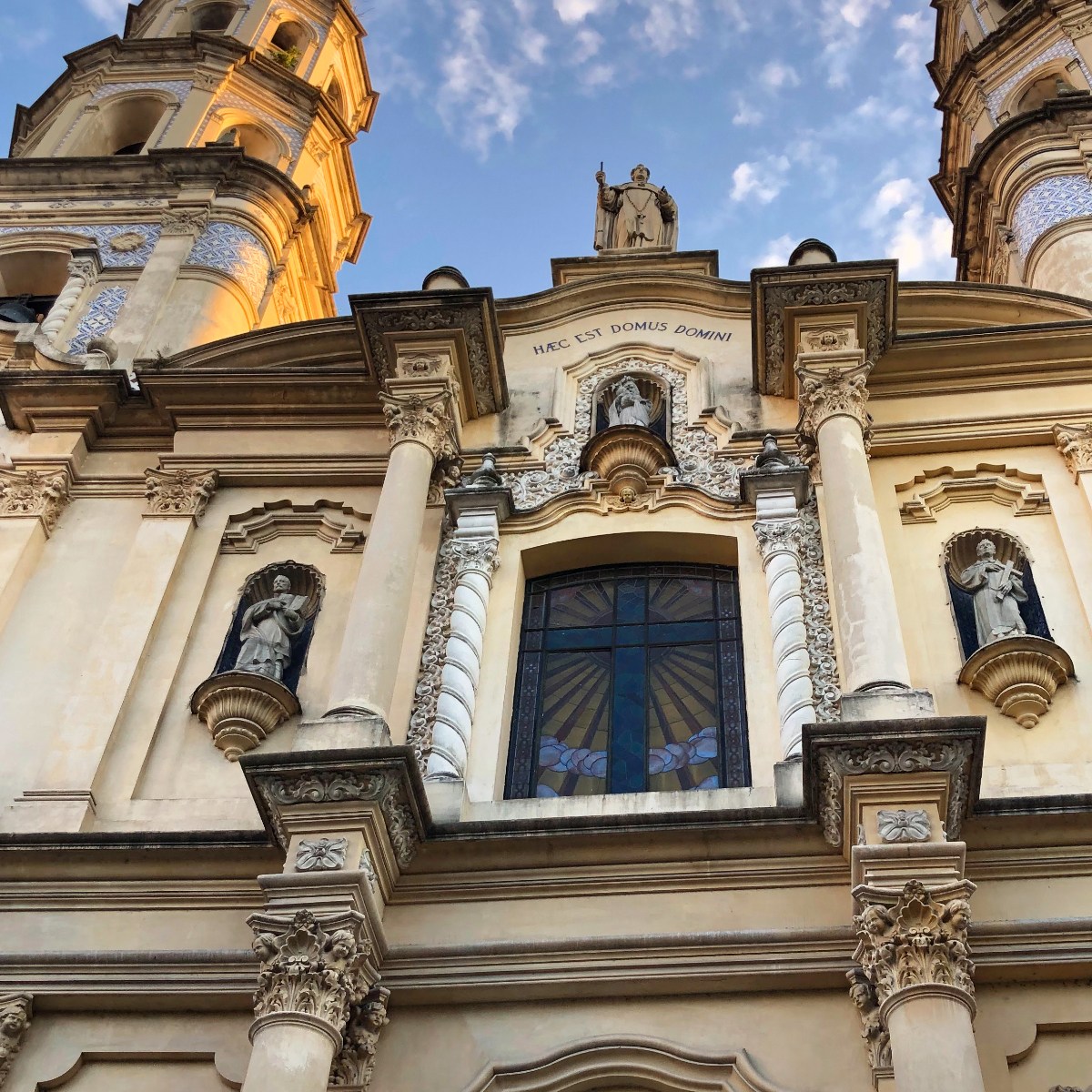
The neighborhood features several churches worth a visit, such as the neo-gothic Iglesia Dinamarquesa (Danish Church) on Carlos Calvo, the Russian Orthodox Iglesia de la Santísima Trinidad (Church of the Holiest Trinity) with its distinctive blue domes near lovely Parque Lezama, and the Jesuit Parroquia San Pedro Gonzales Telmo, from which the neighborhood derives its name.
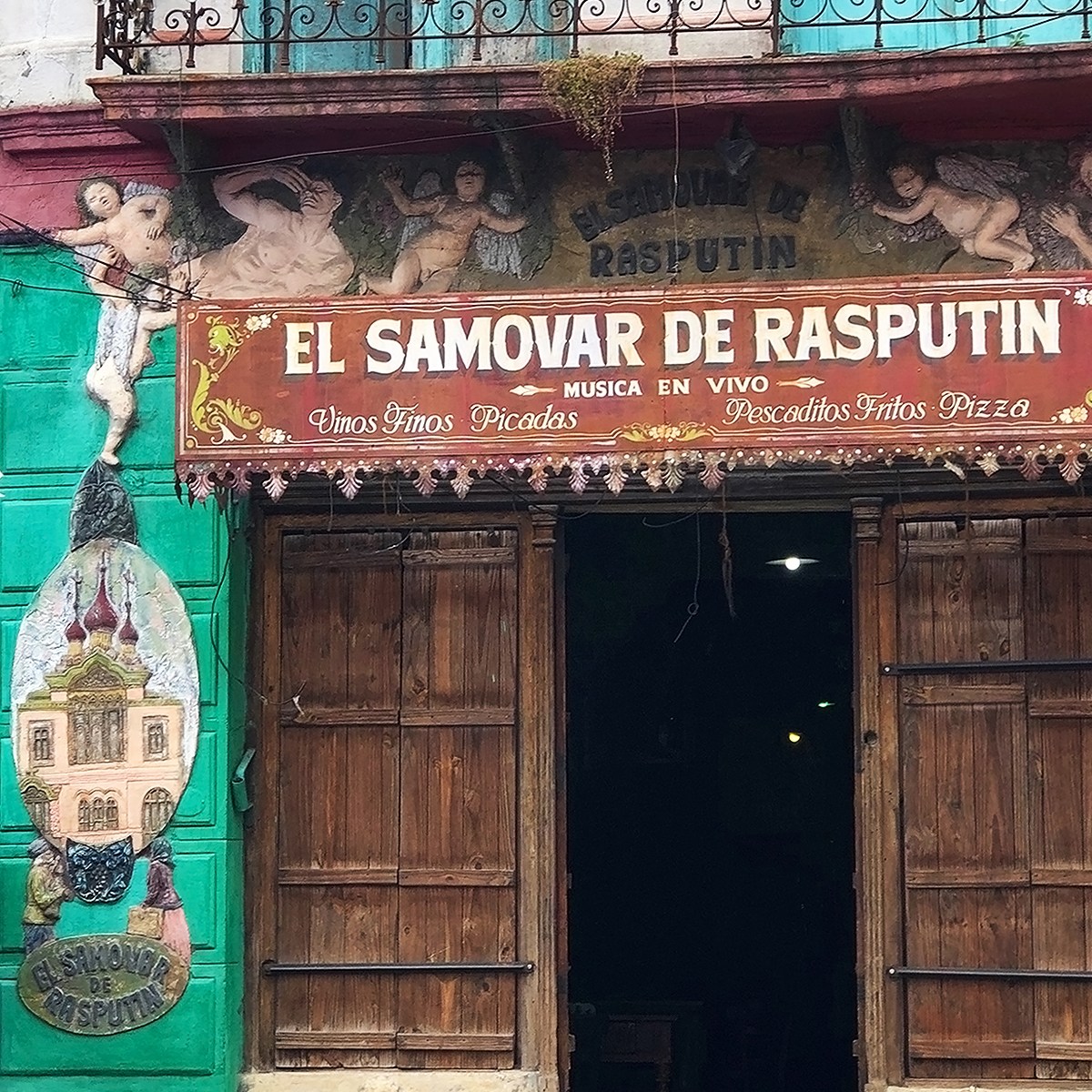
If your stomach wants to participate in some local worship of its own, Desnivel’s legend is well-deserved, while nearby La Brigada serves classic fare from its parrilla (grill), with selections made from the handsomest, non-PETA-compliant menus you’ll encounter anywhere. For lunch, El Balcón de la Plaza offers views directly over Dorrego plus tango on its modest stage, and for a more extensive tango experience while dining, consider the famous dinner show at Viejo Almacén. What you’ll experience here is more tango turístico than tango puro (one local bandoneonista, or accordion player, decried it to me as “tasteless athletic exhibitionism”), but it is a spectacularly athletic exhibition.
LA BOCA
Situated at the mouth of the Río de la Matanza as it, in turn, feeds the mouth of the Río de la Plata, La Boca (the mouth) was for decades the point of disembarkment for the city’s innumerable European immigrants, most of them Italian, many of whom settled just a few steps from the gangplank. The port itself was abandoned long ago due to pollution and silt, but the nostalgic character of the neighborhood endures.
This character is embodied in Caminito (little path), a short, jaunty street of colorful façades memorialized in film and song. A more fiery element of this character burns hot at Estadio Alberto J. Armando, aka “La Bombonera” (the candy box), one of the most famous – or infamous – fútbol stadiums in South America. If you want to make a pilgrimage to this sporting shrine where the unofficially-beatified Diego Maradona performed most of his on-field miracles, don only blue and gold “por la duda” (just in case), and never, ever red and white, especially if you’re there to witness a match against bitter cross-town rival River Plate.
QUESTIONS FOR READERS
- What elements of a neighborhood do you think contribute most to its intangible charm?
- What are the best towns or neighborhoods you’ve visited for antiques?
- Have you taken tango lessons, and did those go as poorly for you as they did for me, giving you a new appreciation for the subtle expertise required?
Most photos in this post courtesy of Noriane B. Ethington, © 2022 Ever Designs and used by permission


San Telmo was definitely my favorite part of Buenos Aires. I loved the vibe there. One of my favorite memories of this wonderful city is sitting in the shade on a hot summer day in the middle of the antiques market, listening to the most beautiful harmonica solo by an artist named Santiago Alvarez. It was magical.
LikeLiked by 1 person
A ver…
LikeLike