










Note: This is the first in a series on five Baltic-region capitals, which begins here with Vilnius.
A mentor and dear friend of mine had spent some years in Finland in his youth, and so I pounced on the opportunity to route a return flight from the Baltics through Helsinki, where I planned to shoot a photo album of his beloved city that — conspiring with his wife beforehand — would include pictures of some of his Finnish friends from those early years, now well into middle age, enjoying some of their favorite local places.
This walking tour of Helsinki hits all of those key sites, and does so on as direct a path as you can take through the city (plus your Suomenlinna visit). Reflecting that consummately Finnish principle of pikkuhiljaa (to go about something gradually and methodically), the route requires two to three hours of walking at a leisurely pace, with ample time for lingering, detours, and serendipitous discoveries in this proud capital. And the photo album, I’m pleased to report, was a big hit.
MORNING: HEIGHTS, HARBORS AND HISTORY
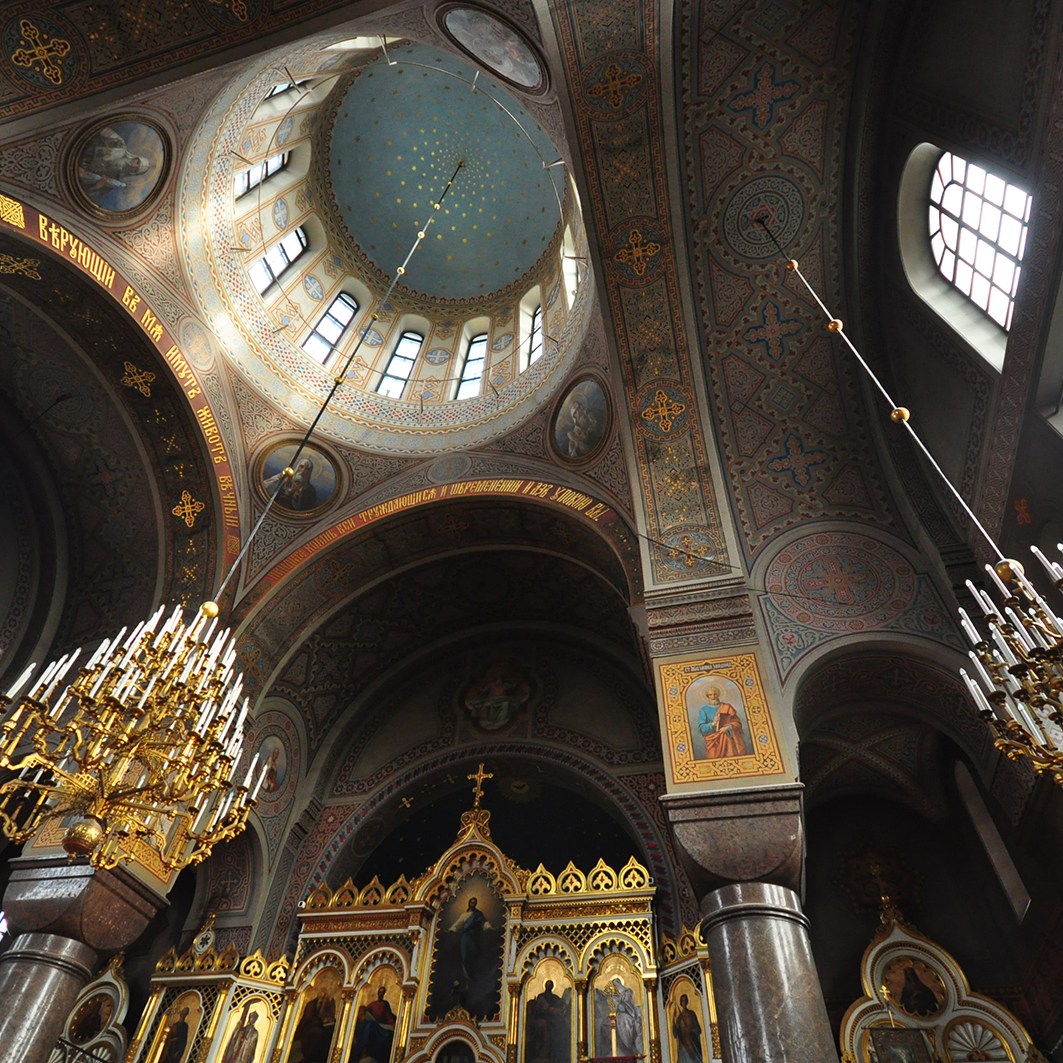
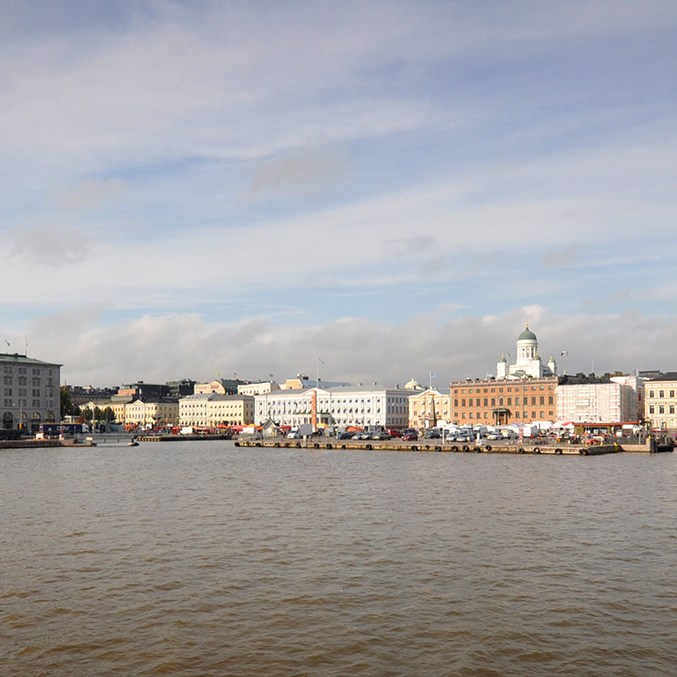
Begin your Helsinki day not at street level, but above it, at Uspenski Cathedral, that red-brick, gold-domed Orthodox sentinel perched atop Katajanokka (Juniper Point). The climb up the granite steps is brief, but the reward is panoramic: From here, the city unfurls itself like a well-creased map, the harbor glinting, the white spires of the Lutheran Cathedral beckoning from across the water. Uspenski, completed in 1868, is the largest Russian Orthodox church in Western Europe, its interior a riot of icons and candlelight, a reminder of Helsinki’s centuries as a crossroads between east and west.
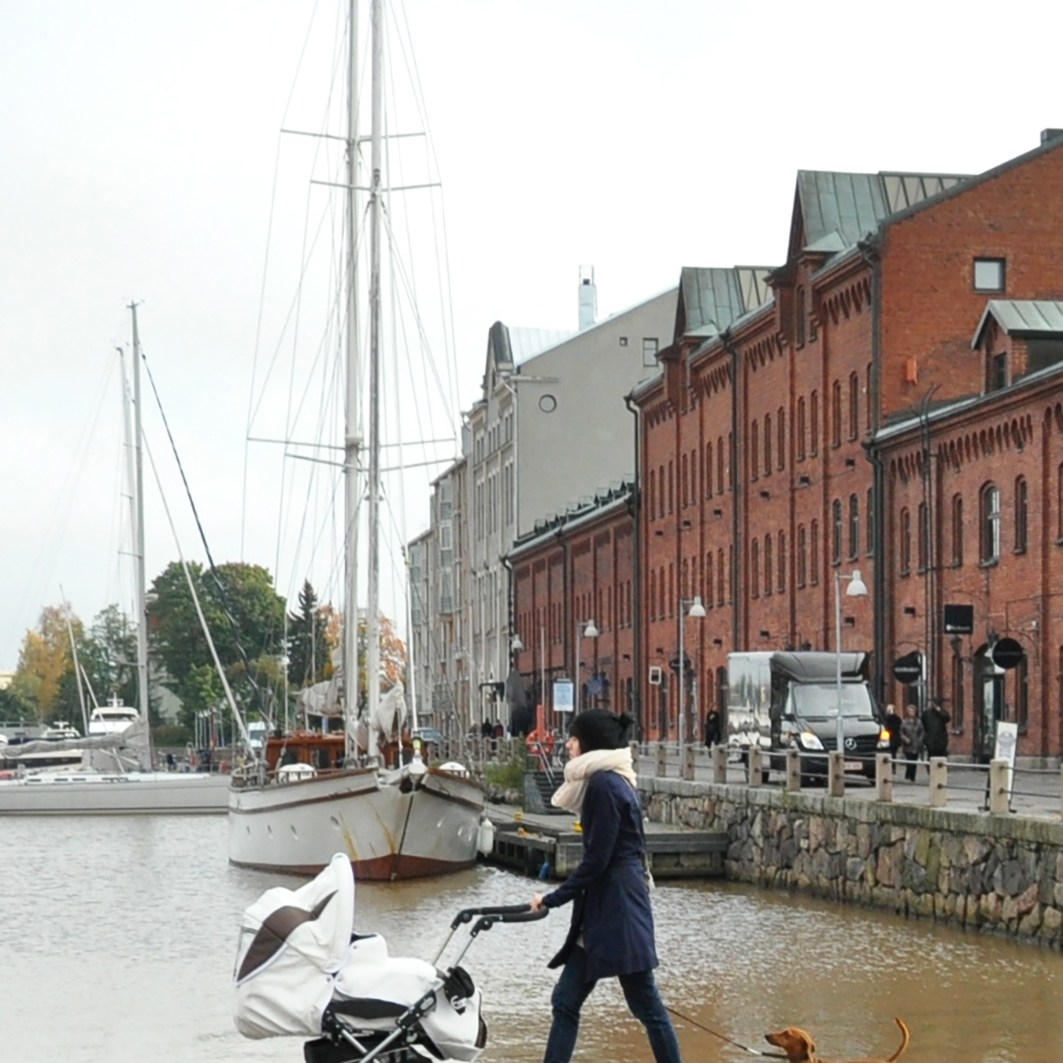
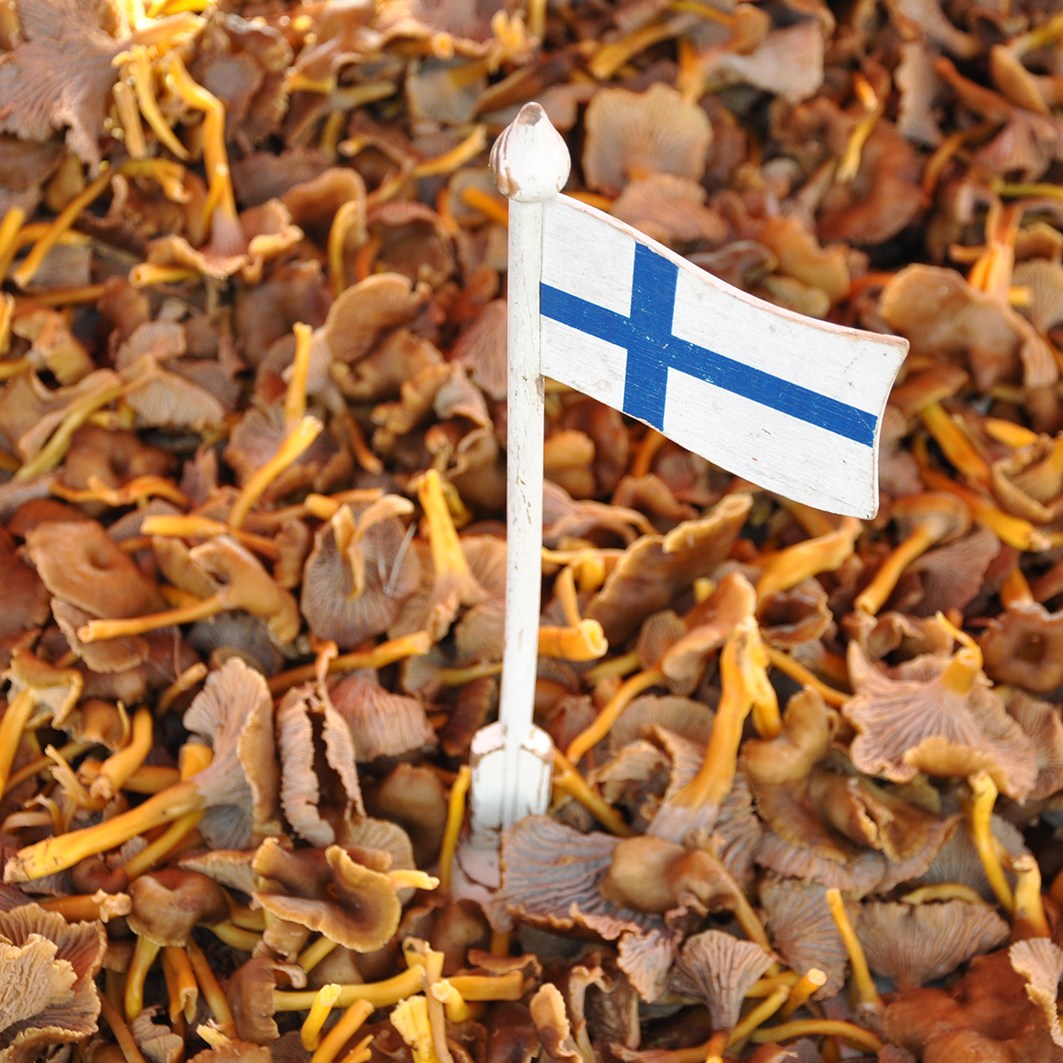
Descend toward the bustle of Kauppatori (Market Square), where the Baltic air is laced with the scent of fresh salmon soup, cloudberries and the brine of the sea. This is the city’s open-air pantry, a place where Helsinki’s culinary and social life converge. Stalls brim with crafts, produce and the occasional reindeer sausage. The chatter is as polyglot as the city itself.
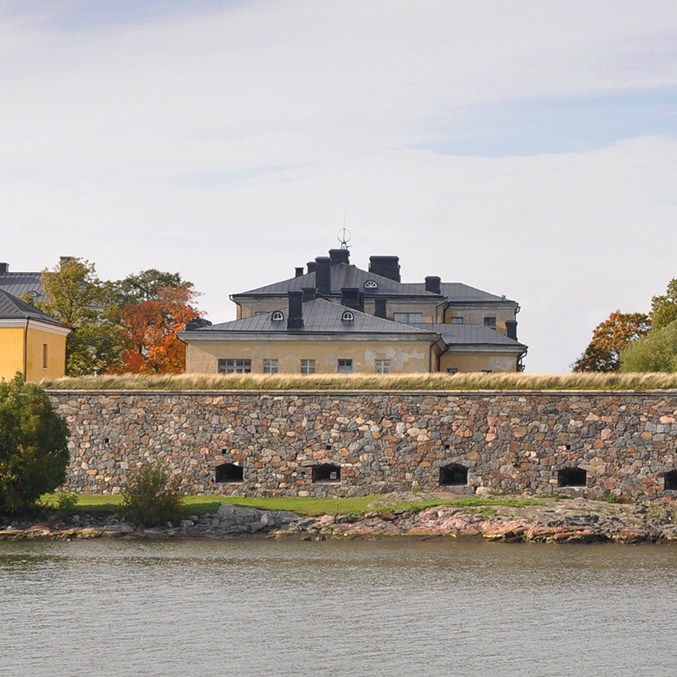
From the market, step aboard the ferry to Suomenlinna (Castle of Finland), the “Gibraltar of the North.” This UNESCO-listed sea fortress sprawls across six islands and several centuries of history, from Swedish ramparts to Russian barracks to the present-day artists’ studios and sun-drenched picnic lawns. The walk along its walls is a lesson in military architecture and a meditation on Helsinki’s insular soul. Ferries return frequently, so relax and let the wind and the salt air clear your mind ahead of your reimmersion into the city’s vibrancy.
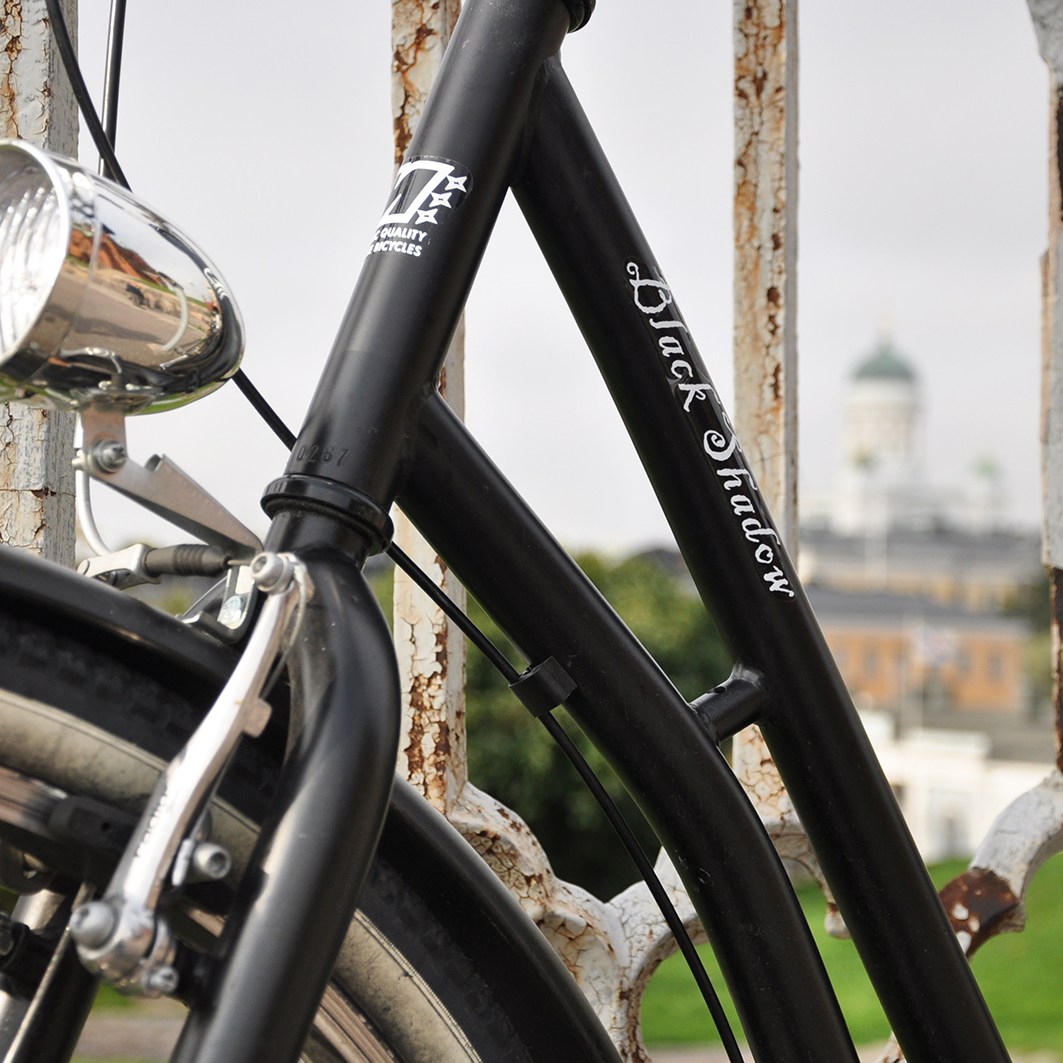
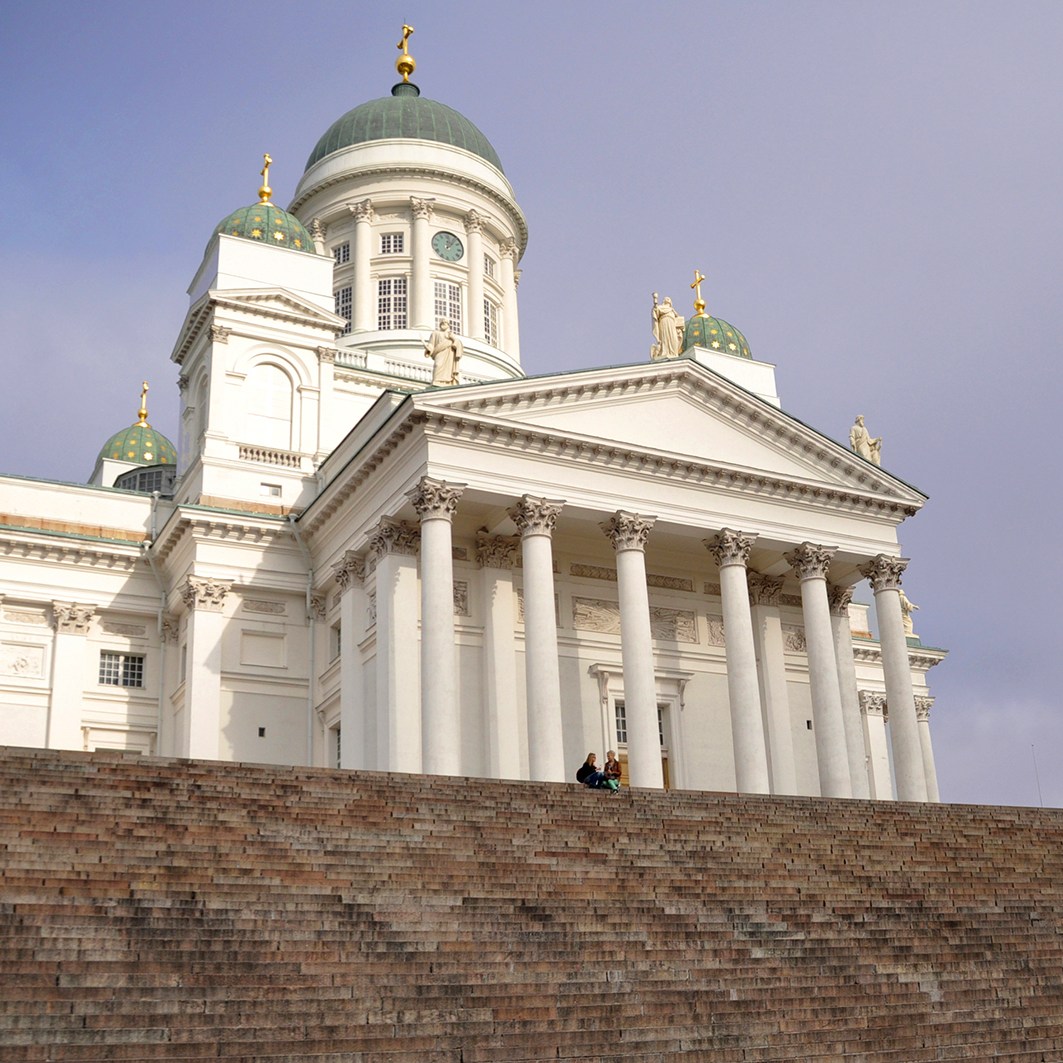
Back on the mainland, go the short distance north to Senate Square, the neoclassical heart of Helsinki. Here, the city’s rational order is embodied in stone: The Government Palace, University and National Library all face the square in harmonious symmetry. Rising above its neighbors is the Lutheran Cathedral, a white wedding cake of a building, its green domes and Corinthian columns visible from nearly every corner of the city. Climb its steps — Helsinki’s unofficial hang-out spot — and gaze down at the bronze statue of Tsar Alexander II (who was both Emperor of Russia and Grand Duke of Finland) presiding over the square’s checkerboard of cobblestones.
MIDDAY: VERDANT BOULEVARDS AND ART NOUVEAU WHIMSY
From Senate Square, stroll to and then along the leafy promenade of the Esplanade. This twin allée of lindens is Helsinki’s living room, a place for buskers, picnickers, and the occasional impromptu tango. It’s also the city’s catwalk, where locals parade their best summer looks and visitors pause on benches to watch the natives and the visiting world glide by. If you’re feeling peckish, the kiosks and cafés that line the Esplanade offer everything from smoked salmon sandwiches to Finnish craft ice cream.
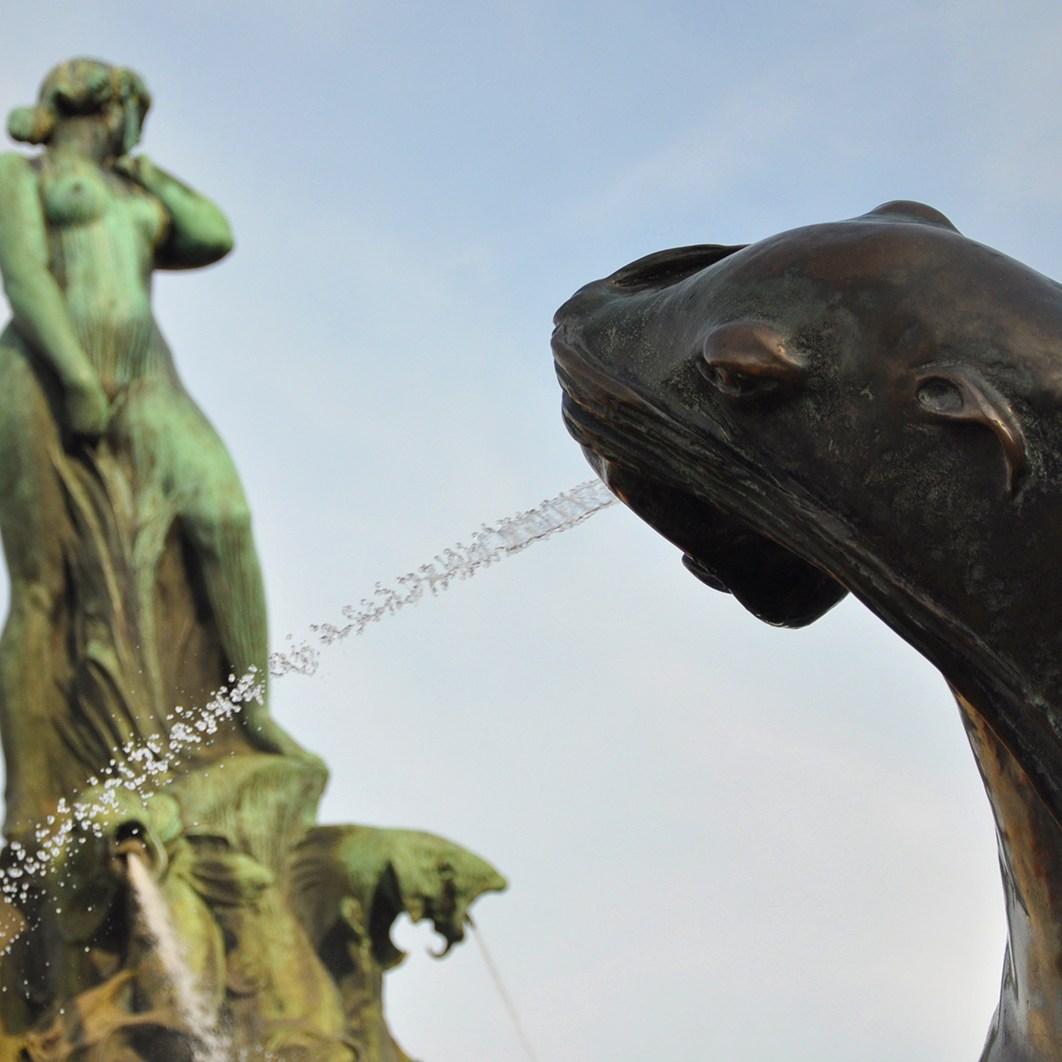
The harbor end of the Esplanade is anchored by the Havis Amanda statue. Created by Ville Vallgren in 1906, this bronze mermaid rises from a fountain encircled by four playful sea lions. She faces the sea, a symbol, Vallgren said, of Helsinki’s birth from the waves like the mythological Venus; local rumor says that her voluptuous backside faces the nearby Kaupungintalo (City Hall) as Vallgren’s gift to those local politicians who opposed the placement of his “obscene” work in the public square. Each May Day, students cap her with a giant graduation hat.
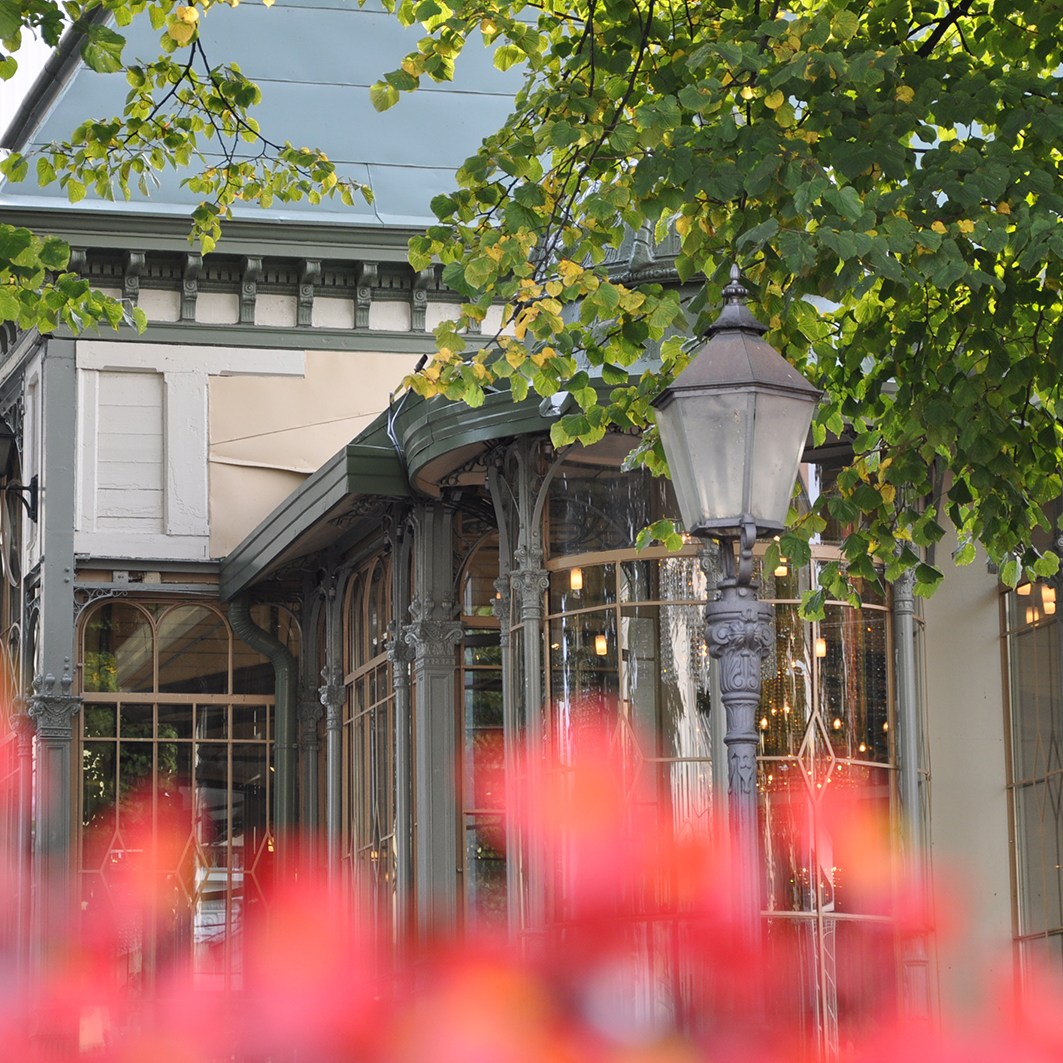
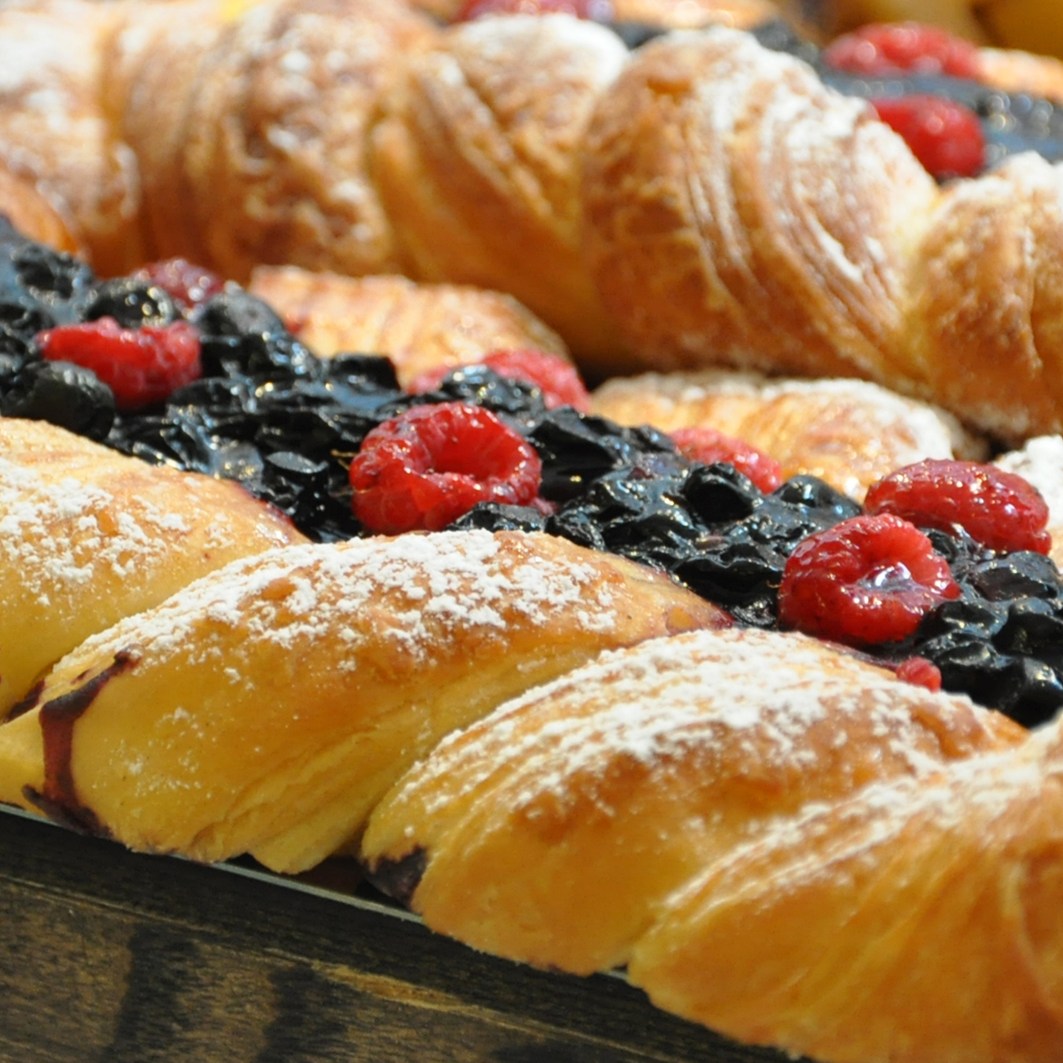
Pause for lunch at Café Kappeli, a glass-walled pavilion that has served poets, artists, and flâneurs since 1867. Its terrace is the perfect perch for people-watching, coffee-sipping, and berry-tarting. The interior, with its frescoed ceilings and chandeliers, is a time capsule of Helsinki’s belle époque.
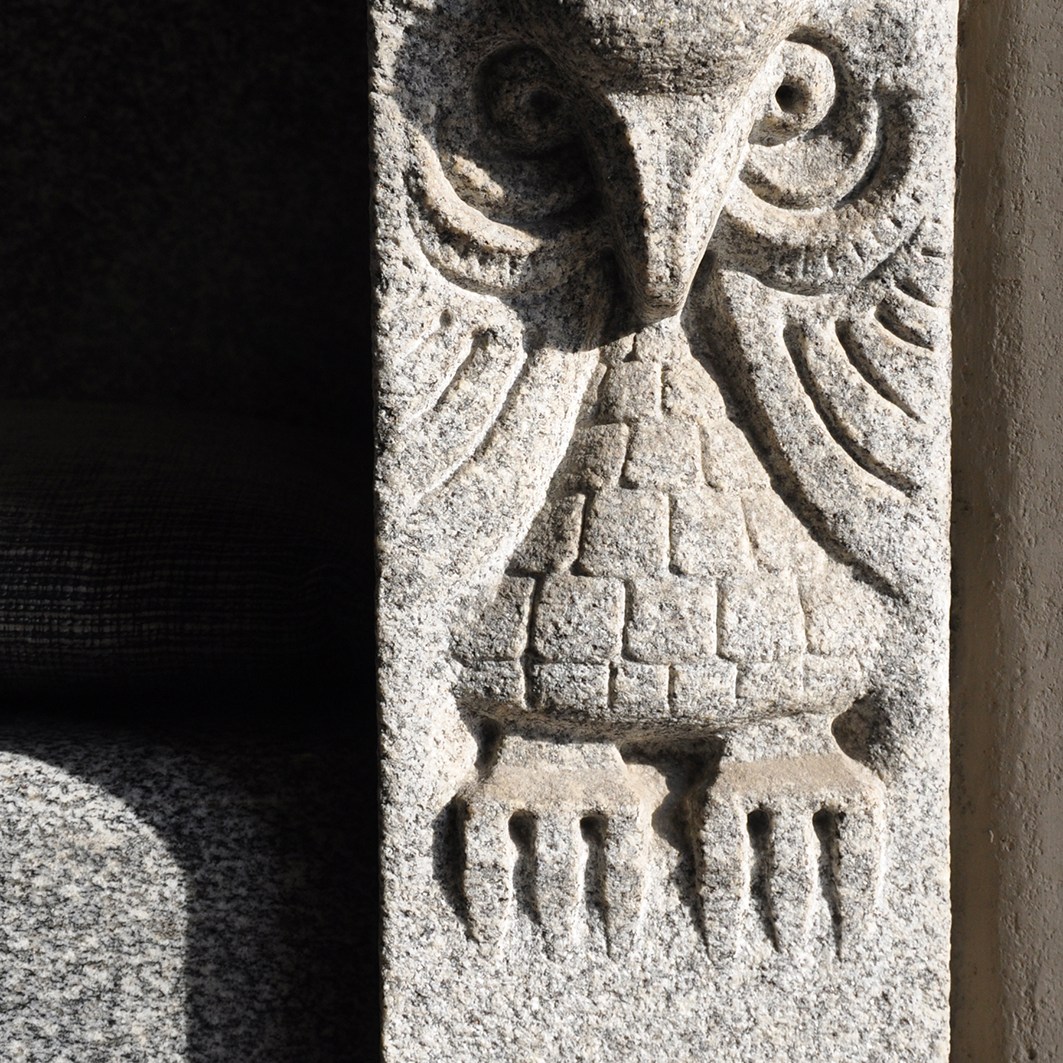
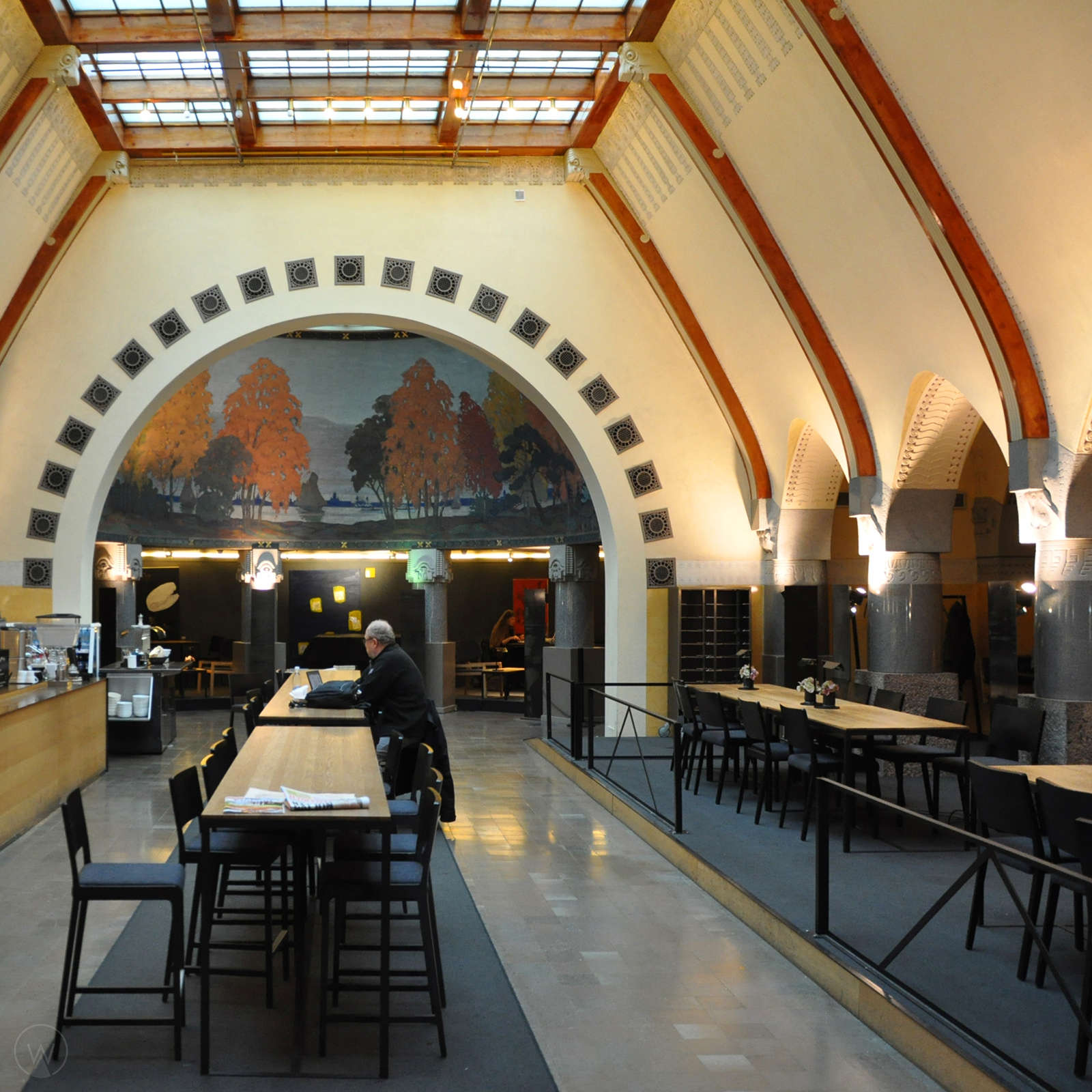
A few steps north, duck into the Jugendsalen (Jugend Hall, named for Jugendstil, the German-origin name for the Art Nouveau movement), an architectural confection of sinuous lines and natural motifs. Within, you’ll find Robert’s Coffee Jugend, where the aroma of freshly roasted beans wafts against polished wood and old stone. Look for the carved granite owl faces at the entrance, a whimsical touch that signals you’re in a city that takes both its coffee and its design seriously.
EARLY AFTERNOON: ICONS, LEGENDS AND SACRED SPACES
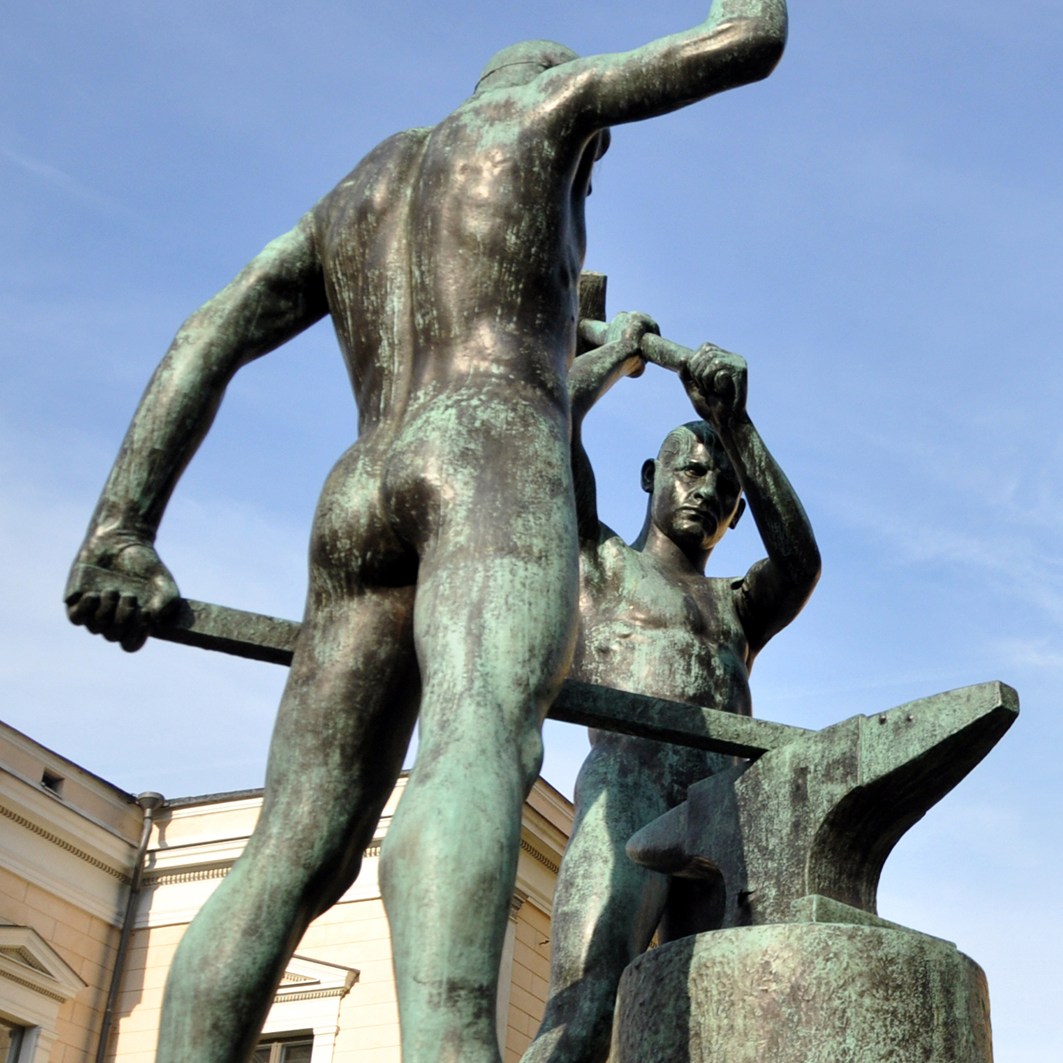
After lunch, make your way to the Stockmann Department Store, Helsinki’s answer to Harrods or Macy’s. Since 1930, Stockmann has been the city’s retail cathedral, a place where Finns have bought everything from Marimekko dresses to Fazer chocolates. Even if you’re not in the market for Moomin merch (fairy-tale trolls resembling white hippopotamuses, who, not unlike Asterix elsewhere in Europe or Peanuts in the U.S., are seared into the consciousness of Finns who were children in the mid- to late-twentieth century), the store’s food hall is a feast for the senses. Step outside to Kolmen sepän patsas (The Three Blacksmiths Statue), where three muscular figures hammer away at a shared anvil. Local legend holds that if a virgin crosses the square, the statues will come to life and strike their target.
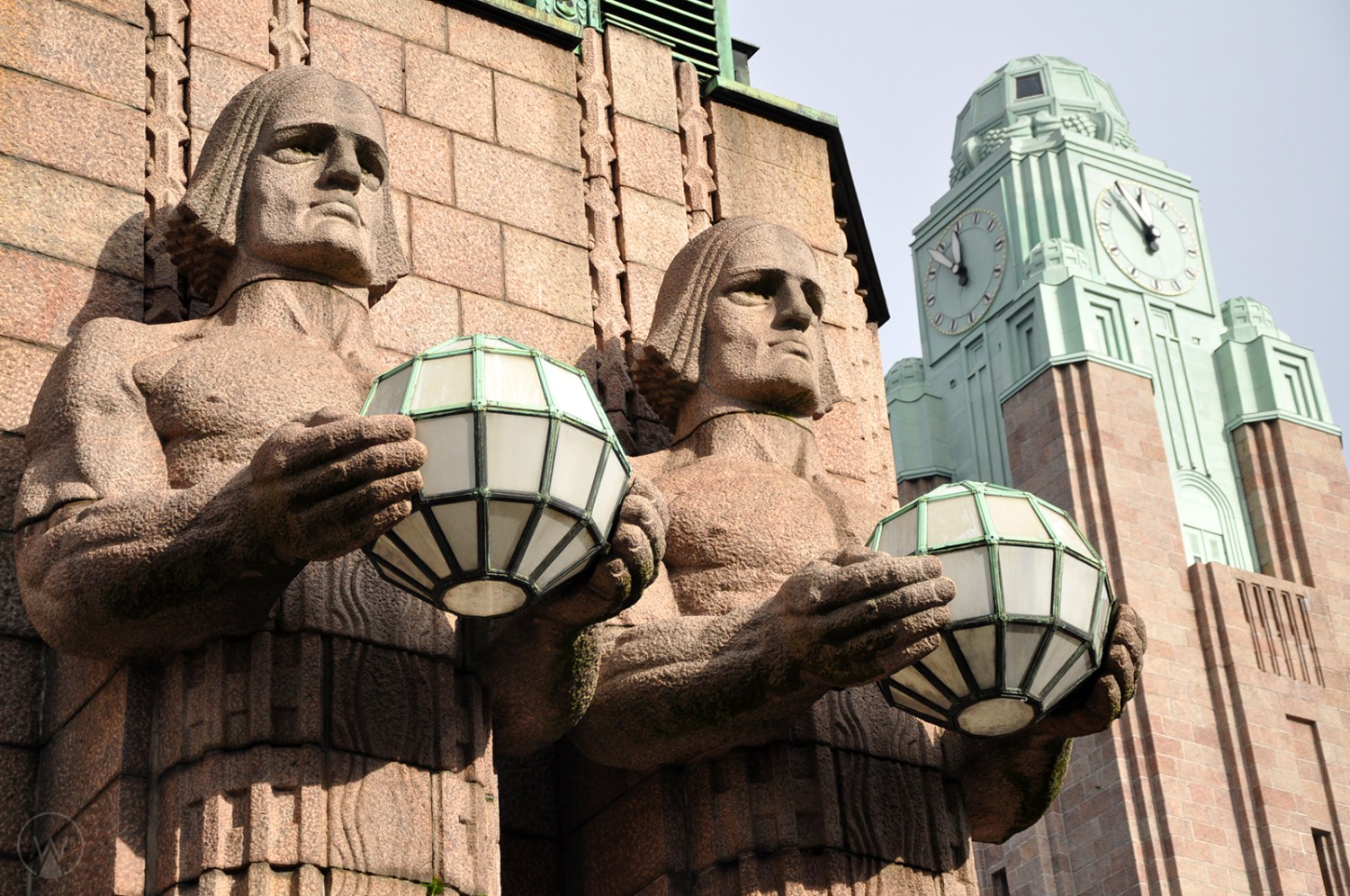
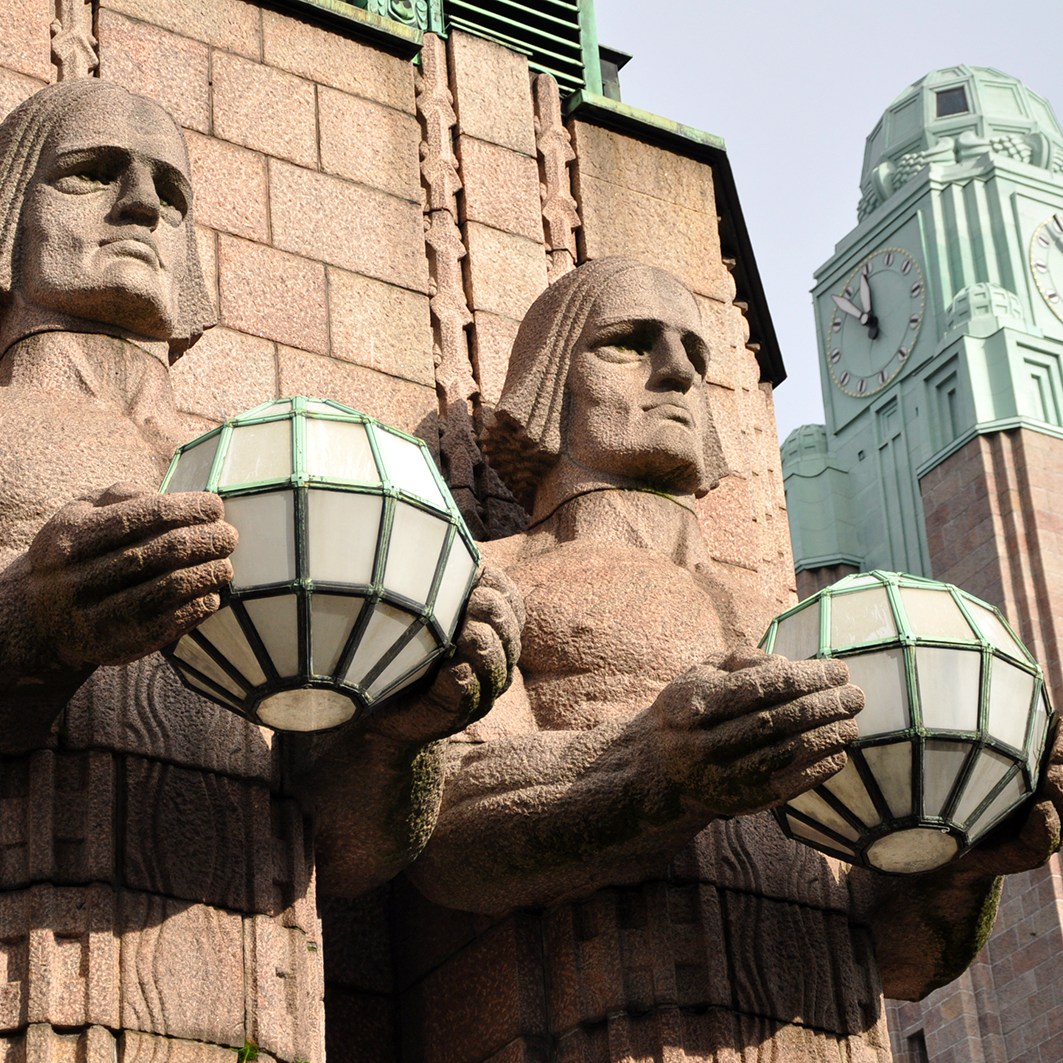
A few blocks north, the Central Train Station is recognizable by its granite façade guarded by four monumental lantern-bearing figures. Designed by Eliel Saarinen (whose son, Eero, designed the TWA Flight Center at JFK Airport and, besting his father in a contest, The Gateway Arch in St. Louis) and completed in 1919, the station is an Art Nouveau tour de force, its clock tower a beacon for travelers. Step inside to admire the soaring ticket hall, where echoes of old Europe mingle with the bustle of modern commuters.
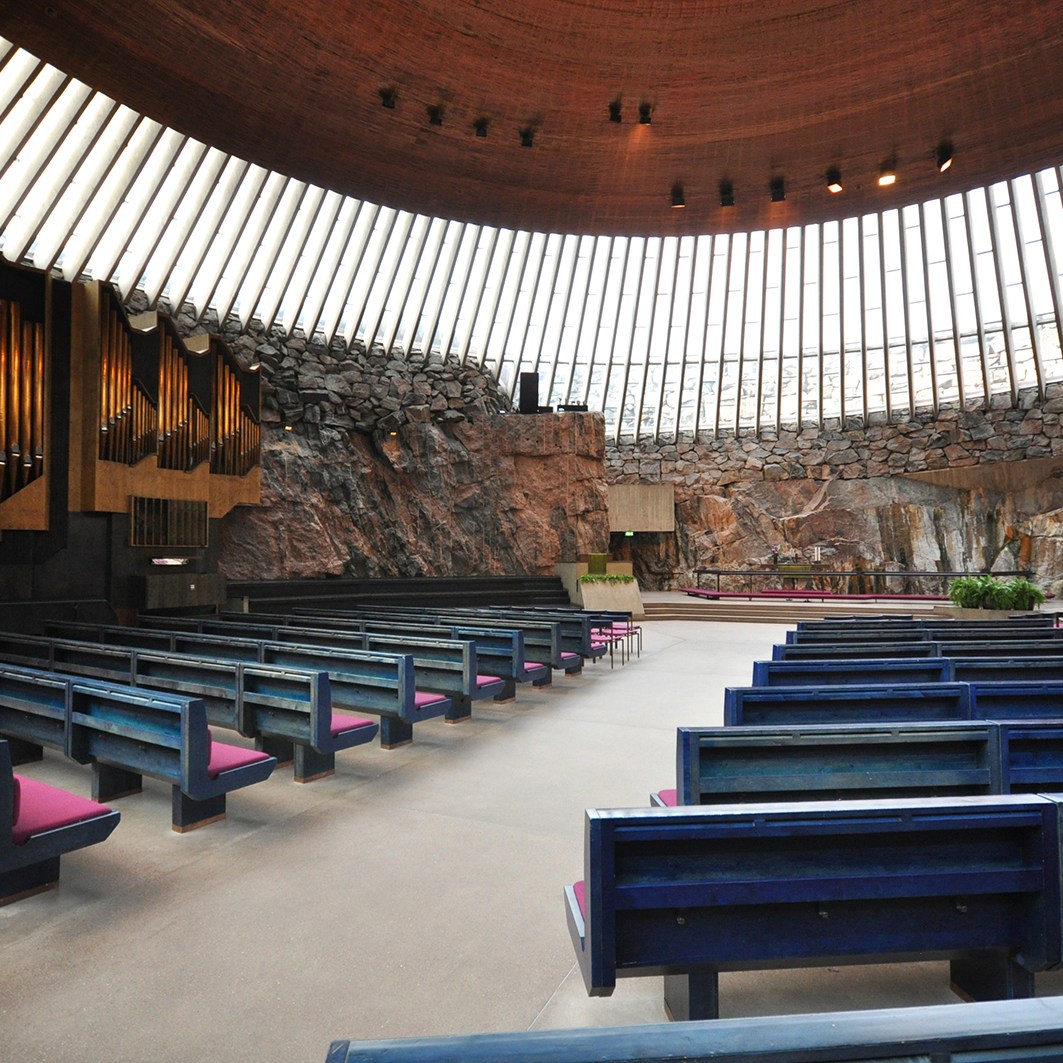
West of the station are two modern spiritual sanctuaries in what is arguably the most secular capital in secular Scandinavia. The first is Kamppi Chapel, also known as the Chapel of Silence. This elliptical wooden enclosure, opened in 2012, offers a moment of hush amid the city’s clamor. Step inside and let the warm spruce walls and filtered light envelop you; even a brief pause here feels like a benediction. The second is Temppeliaukion Kirkko (Rock Church), a miracle of Finnish modernism. Blasted directly into solid granite, the structure features a copper dome and rough-hewn walls, creating an acoustical wonder that draws both worshippers and concertgoers. The interplay of stone, light, and silence makes it one of Helsinki’s most memorable spaces.
LATE AFTERNOON: TRANQUILITY, ART, AND TREATS AT THE SEA’S EDGE
As the afternoon wanes, head northwest to Hietaniemi Cemetery, a peaceful necropolis shaded by birch and pine, the final resting grounds of presidents, poets, artists and other Finns. On the north end of this peninsula is Hietaranta Beach, a crescent of golden sand beloved by locals. In summer, the beach is alive with swimmers, volleyball players, and sunbathers; in cooler months, it’s a place for contemplative walks and sea views.
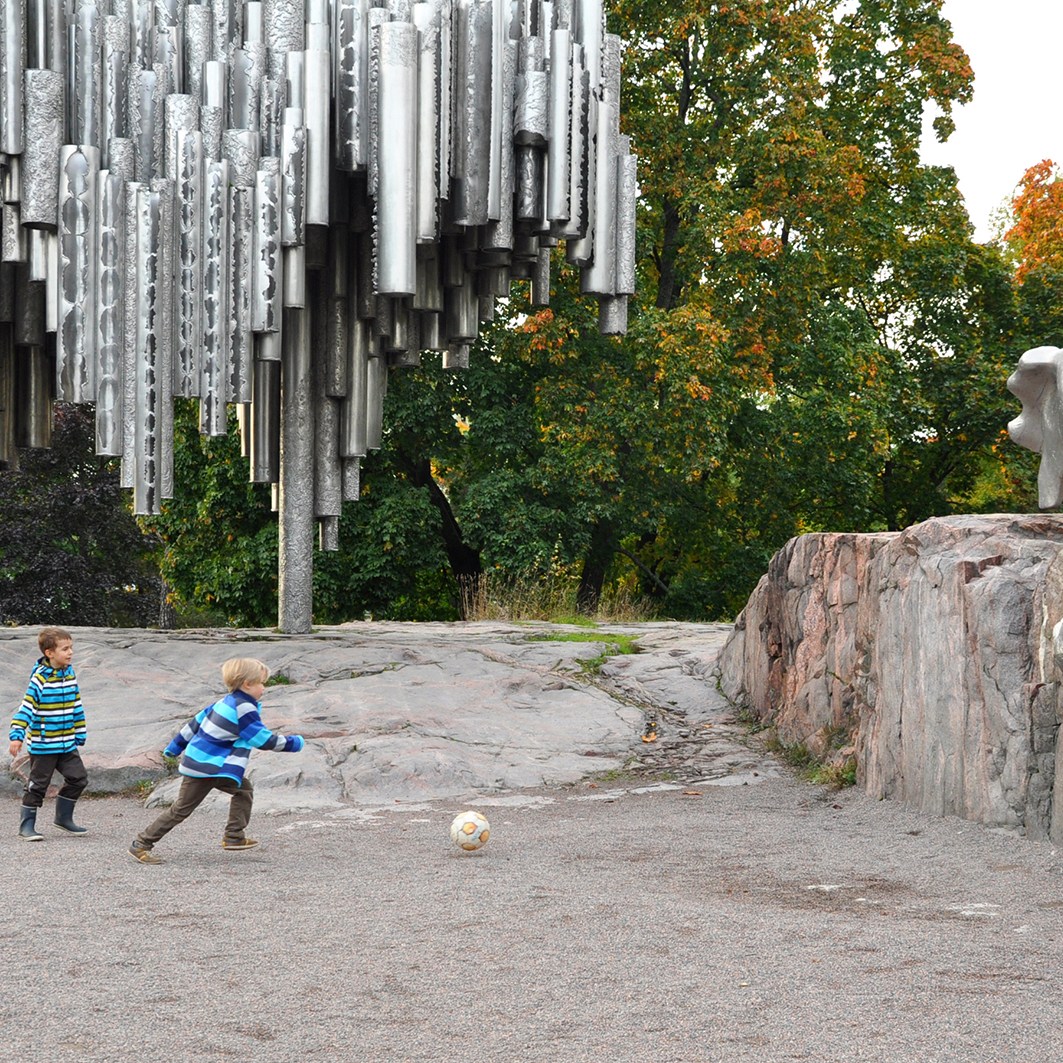
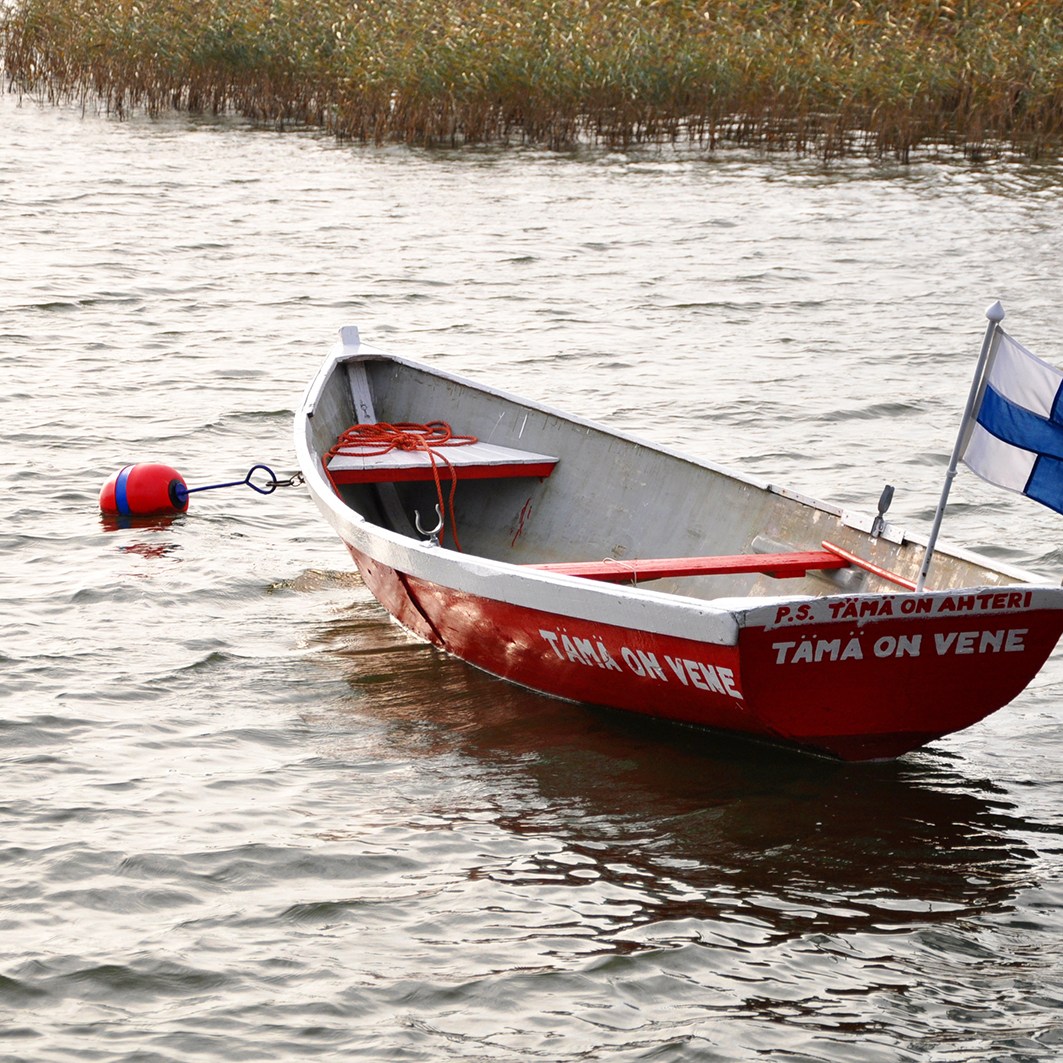
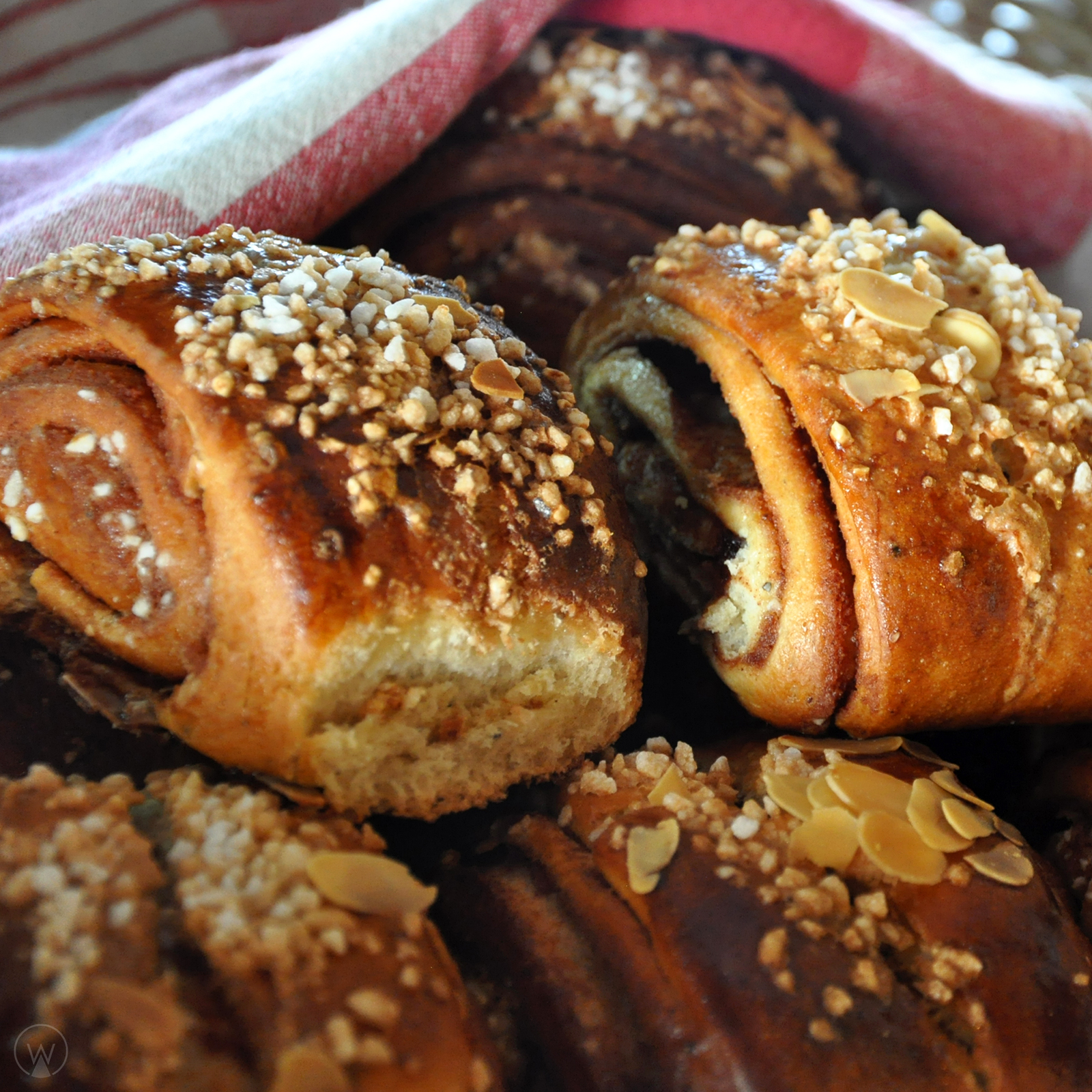
From the beach, stroll north to Sibelius Park, where Finland’s most famous classical composer is honored in steel and stone. Pause at the Ilmatar and the Scaup sculpture, a lyrical homage to Finnish mythology, before making your way to the Sibelius Monument itself. This abstract forest of 600 hollow steel pipes evokes both the music of Jean Sibelius and the spirit of the Finnish landscape and people – a proud, gritty spirit exemplified by the legend of an aged Sibelius himself, donning PJs in his backyard during World War II, pot-shooting at invading aircraft with his hunting rifle. Stand near the monument and listen: The wind often plays its own symphony – or perhaps, with some imagination, an abstract version of the composer’s famed symphonic poem, Finlandia – when coursing through the pipes.Our tour concludes at Café Regatta, a red log cabin perched on the water’s edge. Order a mug of steaming cocoa and a karjalanpiirakka (Karelian pasty), the rye-crusted, rice-filled treat that is Finland’s confectionery soul. From your waterfront table, you’ll spot the iconic rowboat with “Tämä On Vene” (This is a Boat), a declaration reflecting stoic Finnish logic. As the sun dips toward the horizon and the scent of cinnamon buns drifts from the kitchen, you’ll understand why Helsinki, with its blend of nature, art, and gentle eccentricity, so often feels like a secret shared among friends.
QUESTIONS FOR READERS
- What other areas of Finland would you recommend for a first-time visitor?
- How does the coexistence of historic and modern elements shape your experience of a city?
- What is your favorite piece of controversial public art, and why?
- Have you found a peaceful or sacred space in a city that made your visit more meaningful?
 WANDERLOOSED