






Note: This is the third in a series of posts about Italy’s Adriatic Coast. The itinerary begins here and continues here.
Heading down from the inland hills to the coast where I’d meet my wife at Bari airport, I was sure to stop in two of Puglia’s most acclaimed cities, Monopoli and Polignano a Mare. These visits required a bit of a readjustment: Many of the smaller towns I’d just seen had relatively little modern build-out surrounding their historic centers, but these larger municipalities, much like nearby Lecce and, of course, so many other European cities, have experienced centuries of concentric sprawl from their medieval – and often older – cores, all of which must be dealt much like getting through the shell of a crab before enjoying its meat.
A PAIR OF SEASIDE BEAUTIES SOUTH OF BARI
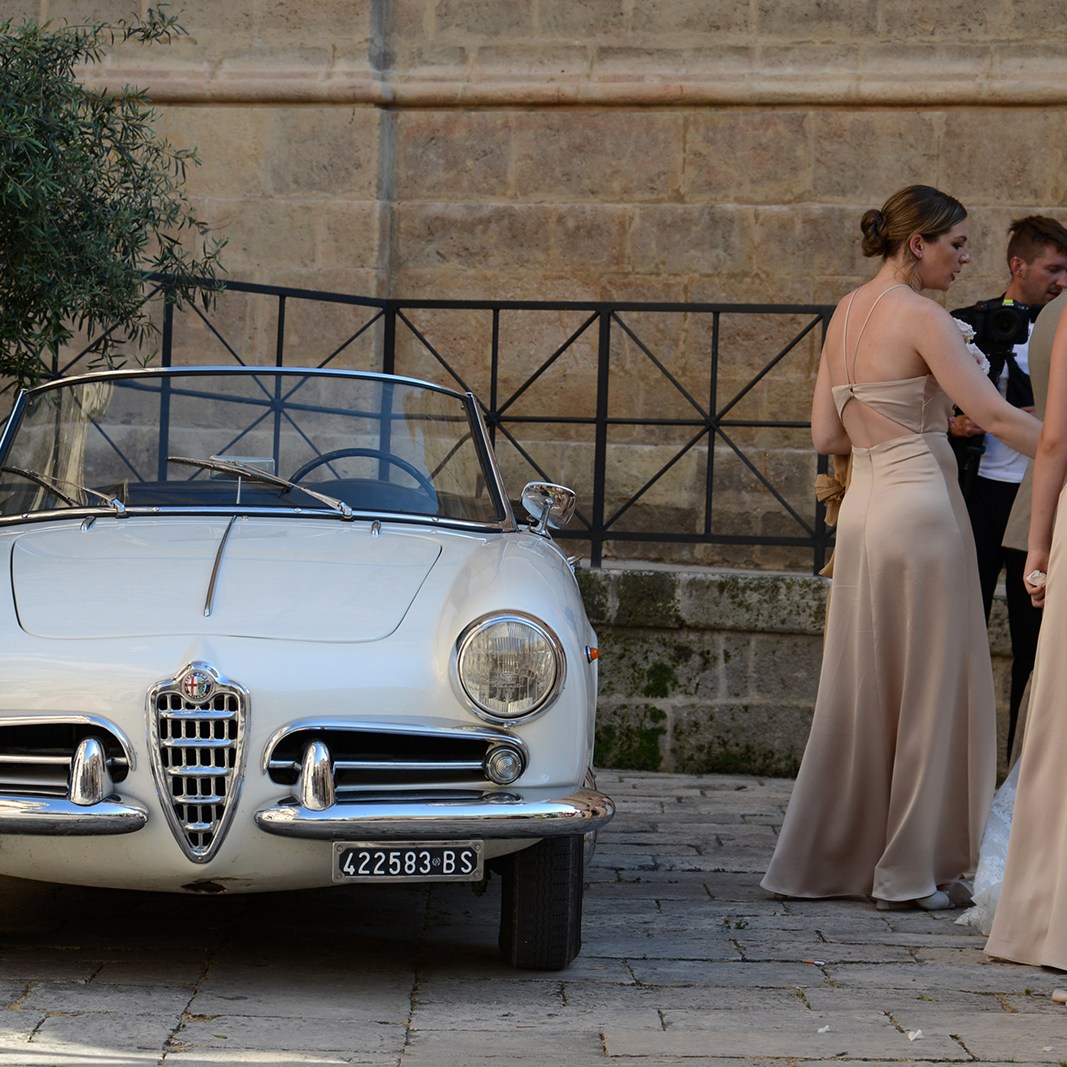
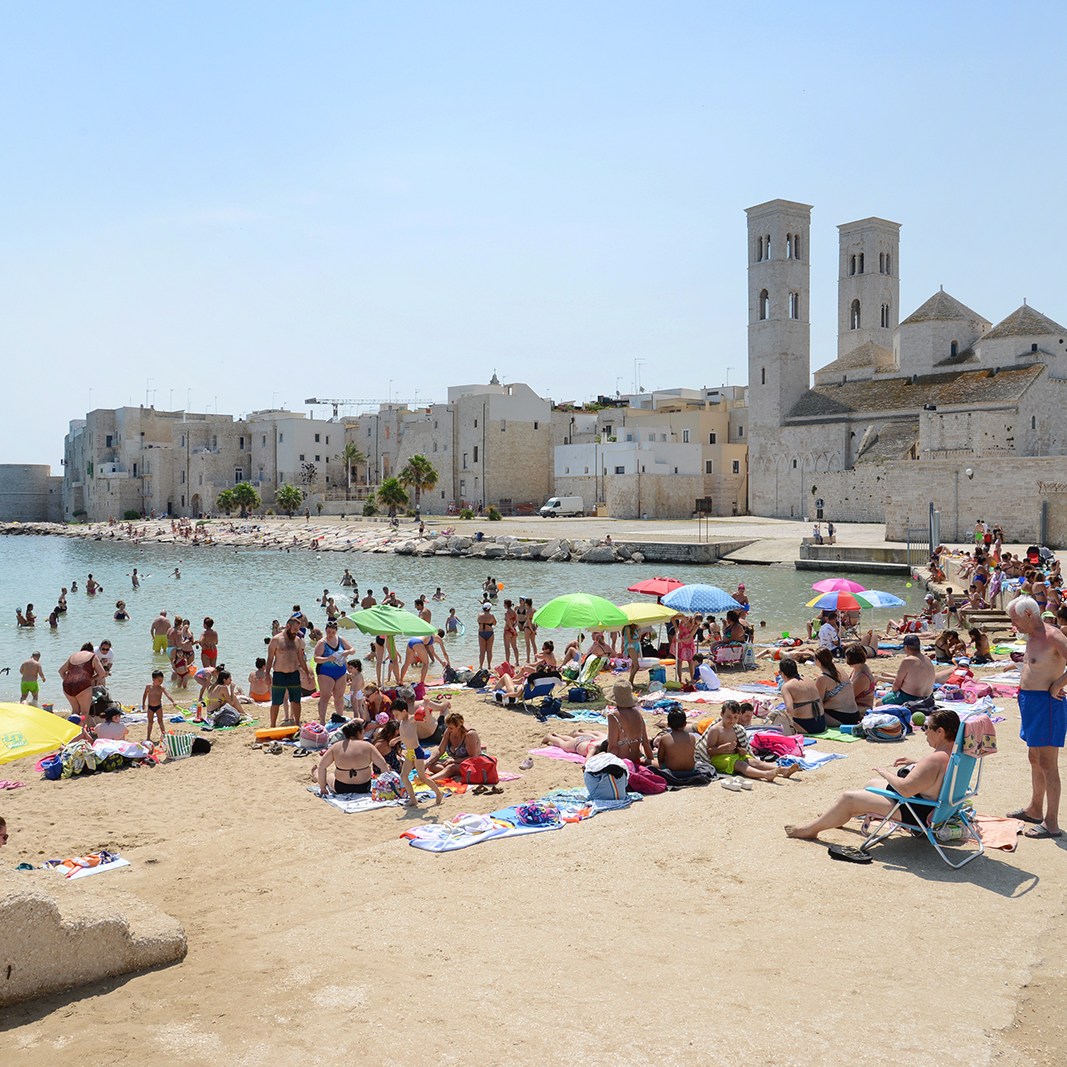
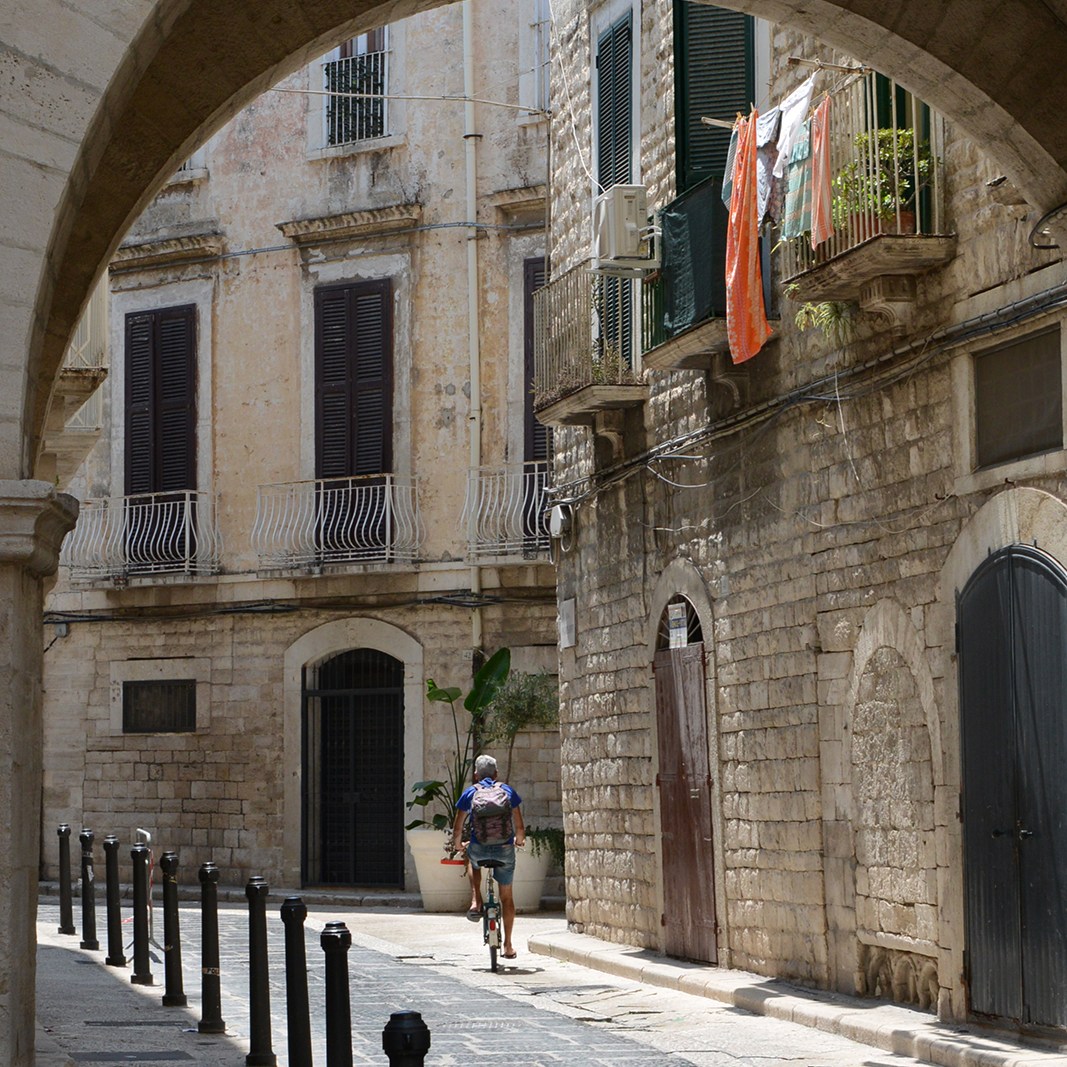
My perseverance along a few stretches of nondescript asphalt paid off when my Cinquecento’s tires soon, and almost with a sigh of relief, hit cobblestone near Monopoli’s centro storico. A few paces after parking, I found myself in the Santuario Rupestre della Madonna del Soccoroso (Rupestiran crypts), which, like their cousins in Matera, date to the deep Middle Ages. Chiesa di San Francesco d’Assisi’s baroque-blue interior was a refreshing break, not a gaudy distraction, from the town’s consistent palette of earth tones. Monopoli has several famed beaches and I’d hoped to make it to Spiaggia Cala Porta Vecchia (old port cove beach), surrounded on three sides by imposing sea-walls that leave no doubt regarding the location designated for enjoying oneself on the beach, but a wedding party poured out of the magnificent Cattedrale Maria Santissima della Madia as I passed, which caught and held my attention and took up all my time.
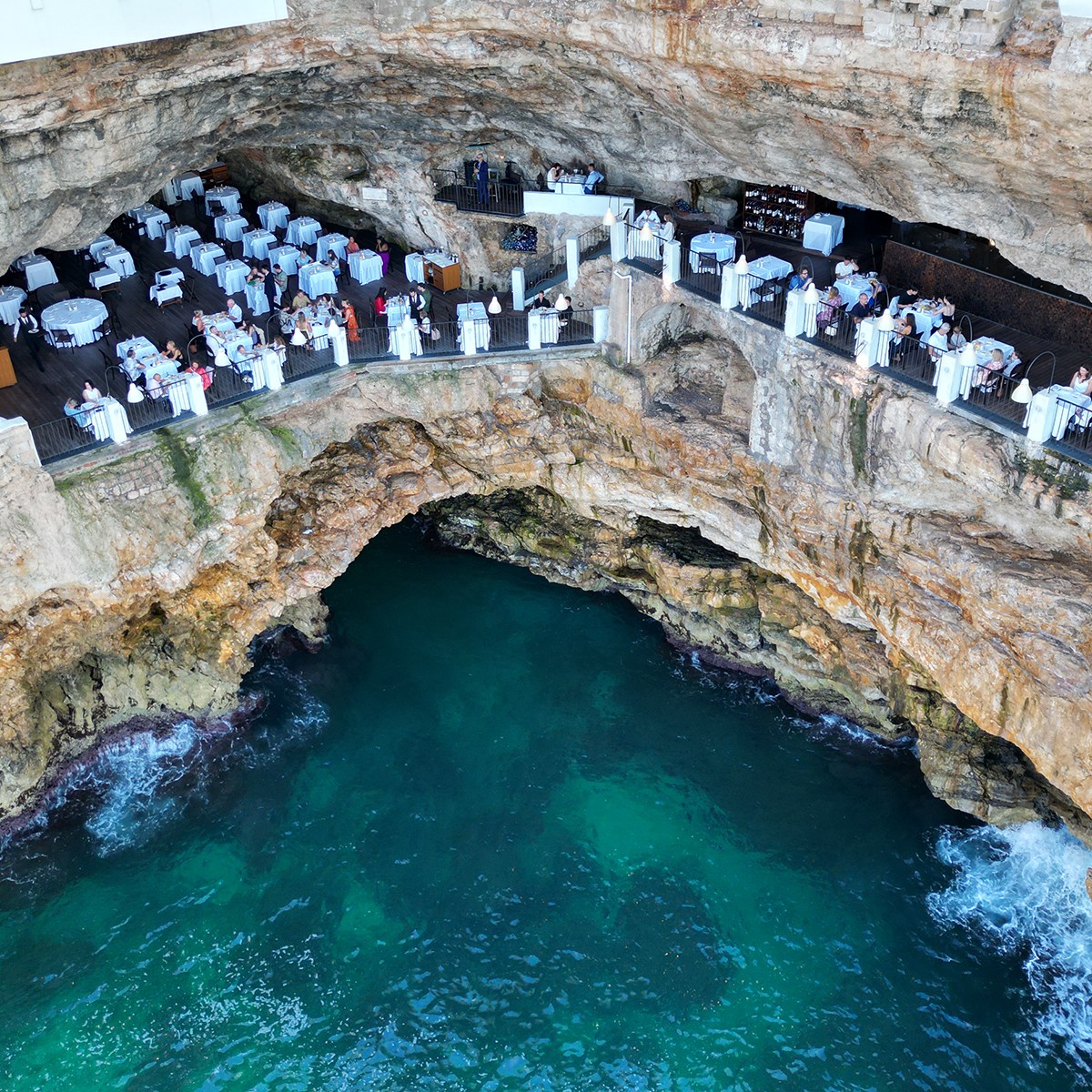
Perhaps the most famous attraction of Polignano a Mare, just ten kilometers up the coast, is the Grotta Palazzese restaurant, whose draw is not its grossly overpriced (especially by Puglian standards) and gastronomically underwhelming (again, especially by Puglian standards) menu, but instead its spectacular location in a cliffside grotto that opens over a small cove and, if the Earth weren’t round, would give diners views straight over the Adriatic to Albania. The restaurant is located at one of the many dead-ends that reveal Polignano’s ocean views and which are most easily accessed by entering the centro storico through the Arco Marchesale gateway, then wandering aimlessly through its maze of narrow streets until the sea appears, which it invariably will, appreciating along the way the balconies and plazas, such as Piazza Vittorio Emannuele II, on which stands Palazzo dell’ Orologio (Palace of the Clock) and the 19th-century clock that replaced its original sundial.
Much smaller than its neighbors Monopoli to the south and especially Bari to the north, Polignano and its fun-sized centro storico can be fully enjoyed in just a few hours (although you’ll want to stay longer), including a visit to the “downtown” beach, Lama Monachile. If you prefer something with a little more sand and fewer rocks and visitors, there are numerous, inviting beaches in the next few kilometers to the north, including one overlooked by a Romanesque-Baroque abbey named after Polignano’s patron saint, San Vito Martire.
ROMANESQUE MAJESTY IN MOLFETTA AND TRANI
Although its own centro storico is highly regarded, we chose to skip Bari in favor of the smaller towns, and found the Molfetta waterfront to be vibrant and energetic by both night and day. Tucked along a quiet street just a few paces south of the small, bustling fish market, friendly Sapemore served us creative takes on fresh seafood standards, and our choices at Gelateria Cipriani complemented our evening stroll perfectly. Hidden on the far side of the twin Romanesque towers of Duomo Vecchio di San Corrado is the public beach, protected from the open sea by a spur off of the main wharf and perfect for families.
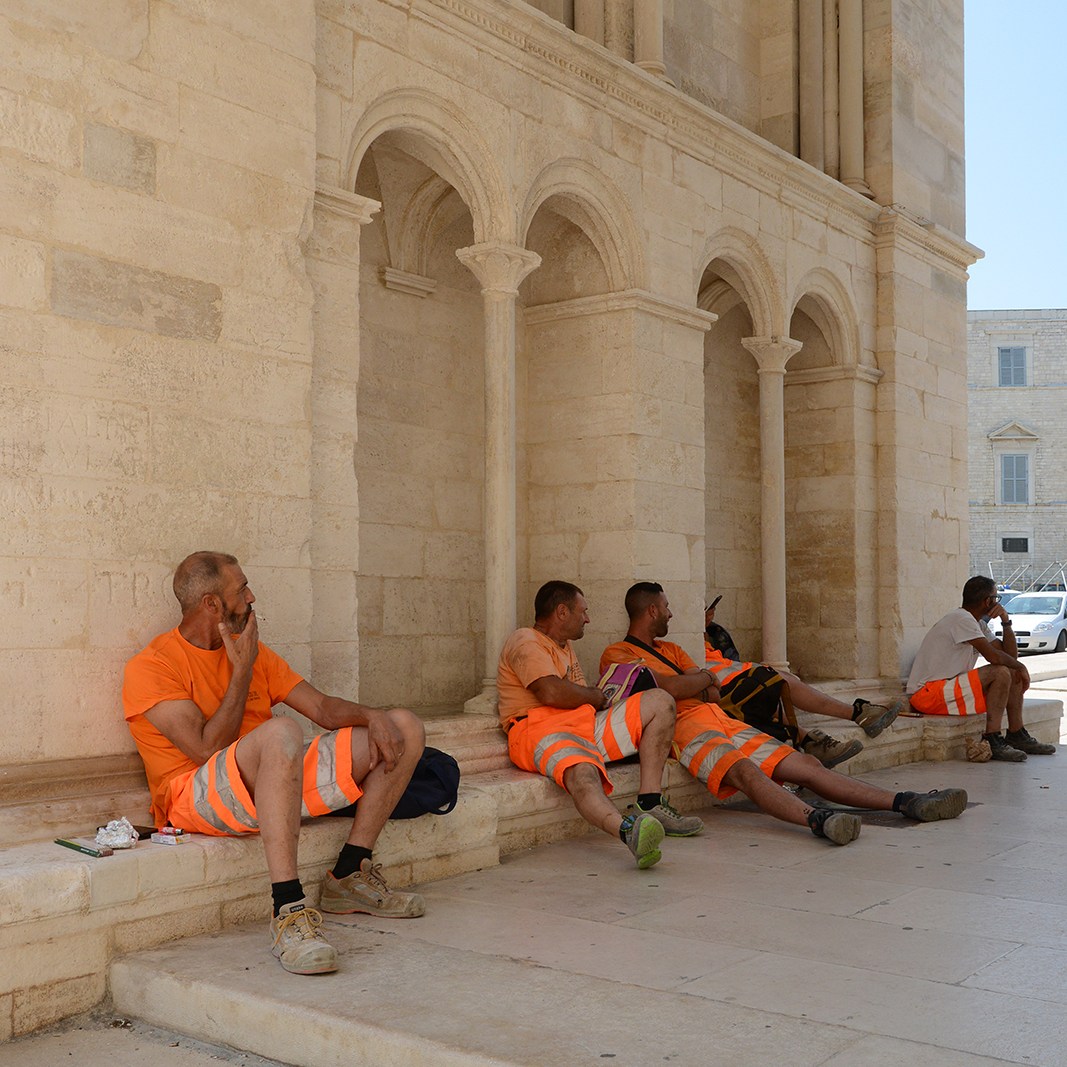
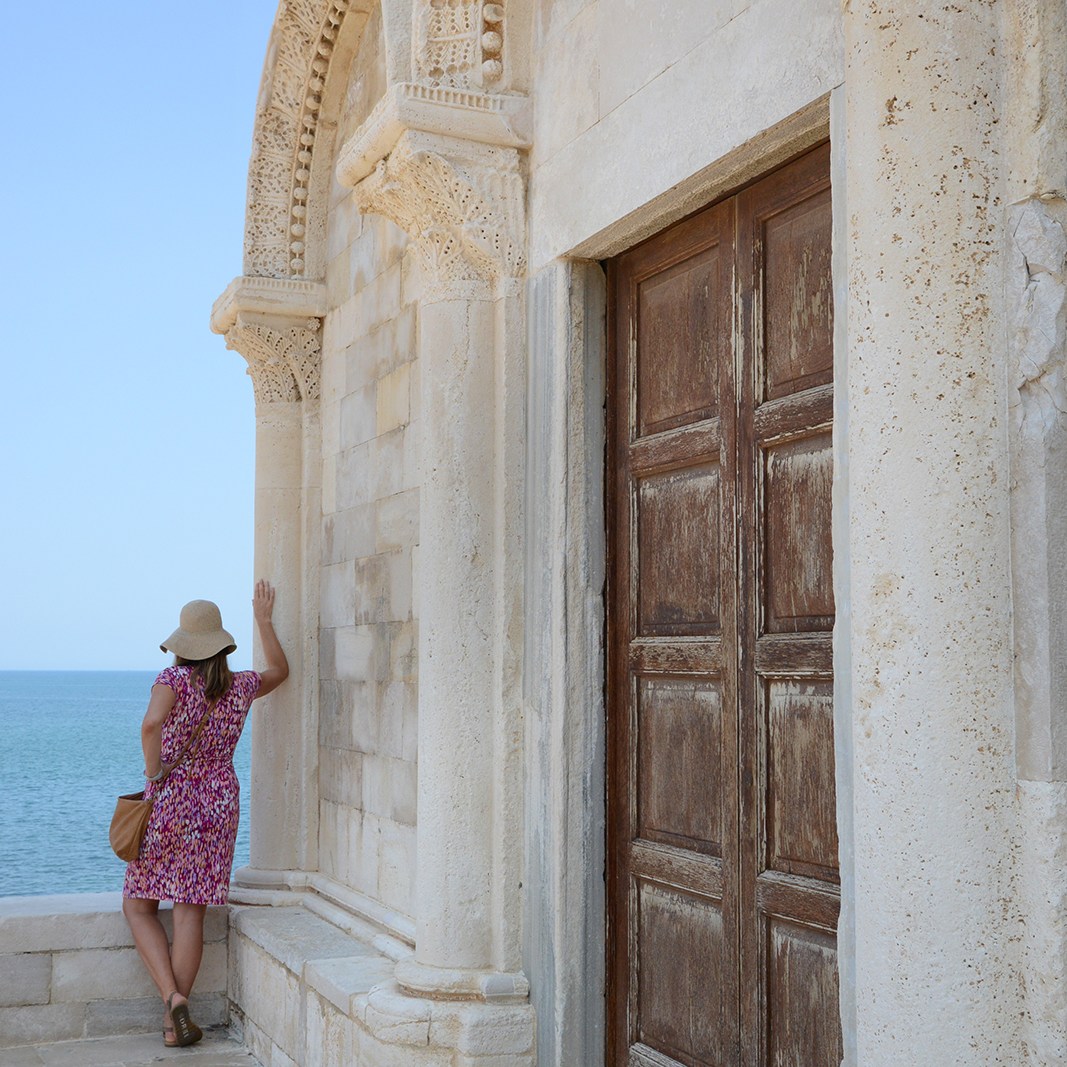
The primary draw of our next stop, Trani, was its Beata Vergine Maria Assunta cathedral, whose plot juts dominantly into the azure Adriatic, a position that accentuates its elegant starkness. A recent cleaning – the workers were dismantling the scaffolding during our visit – caused the creamy, Romanesque exterior to glimmer such a bright near-white under the Mediterranean summer sun that we had to squint when looking at it, and further emphasized the rich green of its impressive, copper-clad doors. A stone’s throw up the shoreline, the Castello Svevo (Swabian Castle) has a similarly commanding presence and, fashioned from the same stone as the cathedral, serves as a complementary symbol of medieval power.
While walking the tidy waterfront, we were encouraged by a cameriere (waiter) to cool ourselves for a moment in what he called “Puglia’s best natural air conditioning,” by standing in the shaded, narrow passageway at 2 Via Cambio, where a steady ocean breeze worked wonders on our homeostasis. Before leaving town, we picked up some local oils, pastas, olives and dried sundries at delightful Delizie Pugliese, Via Guidea 6A.
THE GARGANO PENINSULA
Vieste was our next stop, chosen over some more easily accessible options due to its presence on every “cutest towns in Puglia” list we’d seen, and so our expectations were high. What we hadn’t expected was the spectacular drive eastward along the southern slope of the Gargano Peninsula, a succession of winding and climbing that would have made the detour worthwhile even without a “cutest town” reward at the end.
The Peninsula is named for Gargano National Park, a UNESCO preserve that’s home to representatives of roughly half of all animal species that can be found across Europe. This park is known for its rich biodiversity, encompassing a wide variety of habitats that support numerous species of mammals, birds, reptiles, amphibians and insects, some of which we encountered on our easy hike through the unexpectedly dense forest to Laghetto d’Umbra.
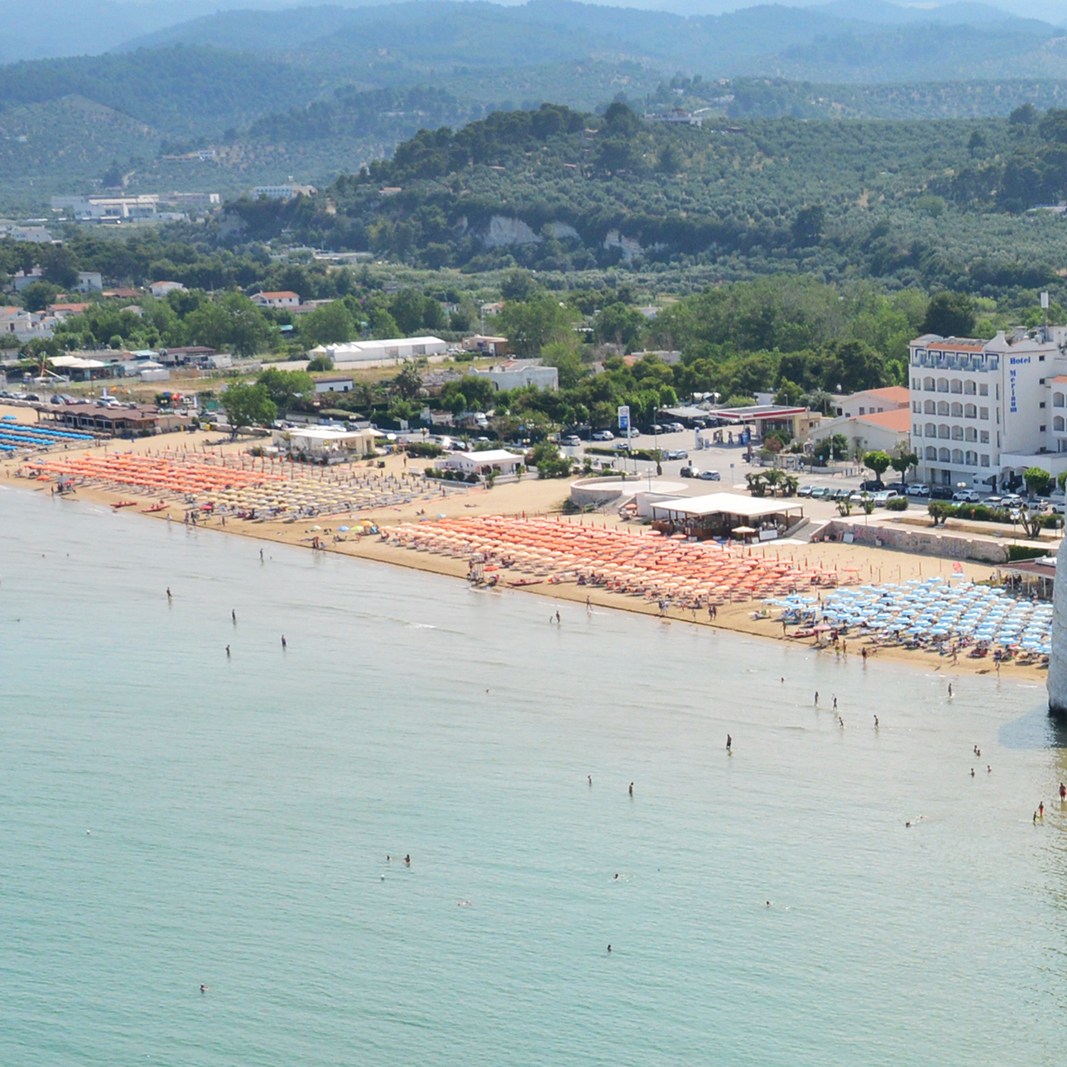
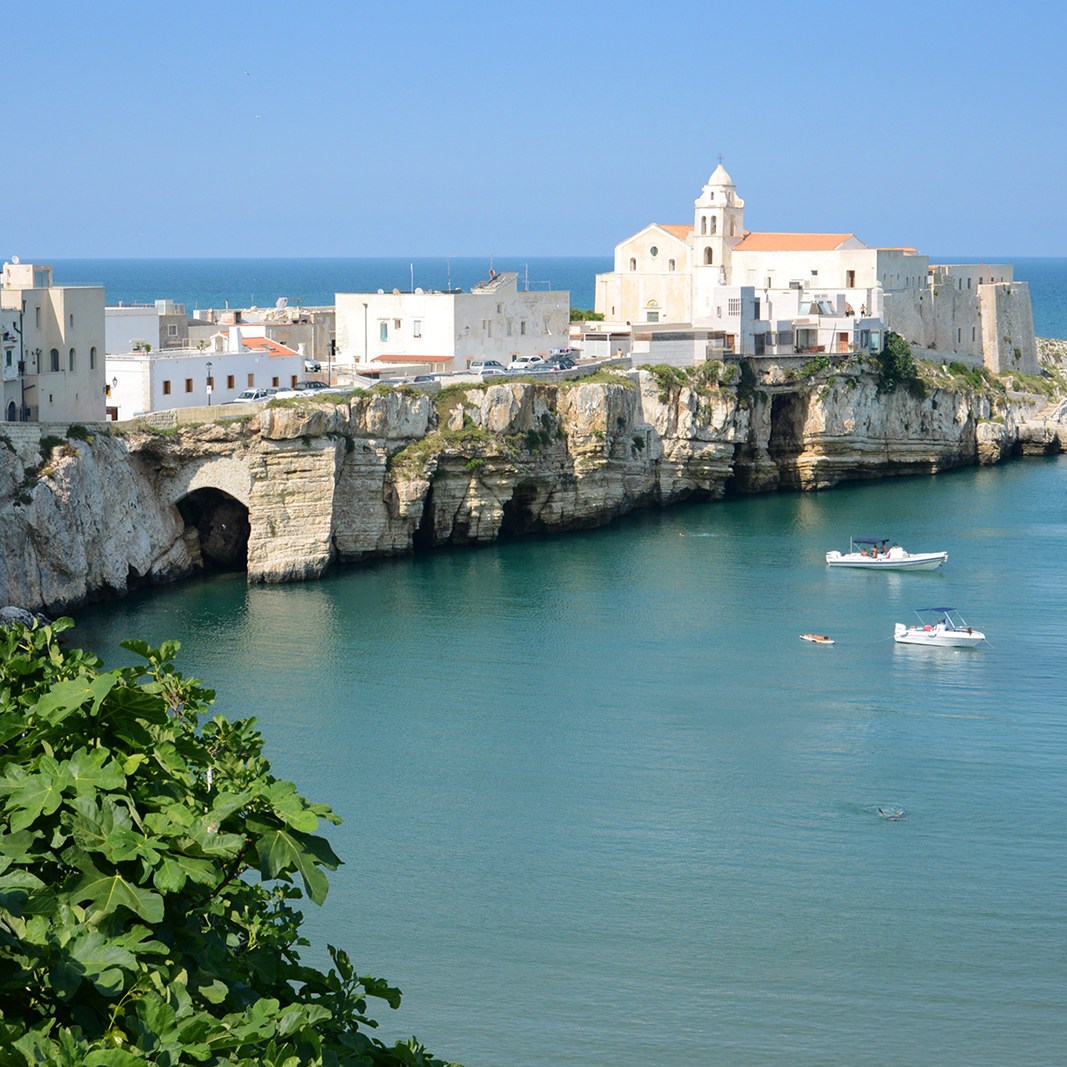
Vieste, at the Peninsula’s eastern tip, was as-advertised: a rugged old castle, Castello Svevo Aragonese, overlooking one of the region’s longest beaches, whose north end is punctuated by Monolite Pizzomunno, a 25-meter limestone monolith; Santa Maria Assunta, a baroque cathedral stacked atop Romanesque bones, with her little brother, San Francesco, all ready for his close-up at the end of the peninsula below the centro storico; a perfect stop for vinegars, pastas and other regional treats such as delectable pesto di zucchine, Gustose Tradizioni, at Via Duomo 7. All of it bundled into a warren of cobblestone walkways, every last one of which eventually ends at the sea itself or a postcard-perfect view of it.
AGRITURISMO AND TORREMAGGIORE
Some “agriturismo” lodgings are not much more than a long-neglected shed converted into a bunkhouse with water running through an Ikea sink, while others are coaxed painstakingly, in the best cases even magically, from the soil on which they stand, its energy evident in their every nook and cranny. Masseria Celentano exemplifies this second category. Owned and operated by the Longo family, it graces the centuries-old farmland from which it produces pastas and wines for export to finer distributors throughout Europe, Asia and North America. Having booked it primarily for its high rating and convenient location near San Severo, we hadn’t fully anticipated the magic that would charm our tastebuds at the poolside dinner or the next morning’s monumental breakfast, nor the added pleasure of a morning visit with Signor Longo himself, the family patriarch and its brand embodied, who generously gifted us with some hand-selected goods for the road.
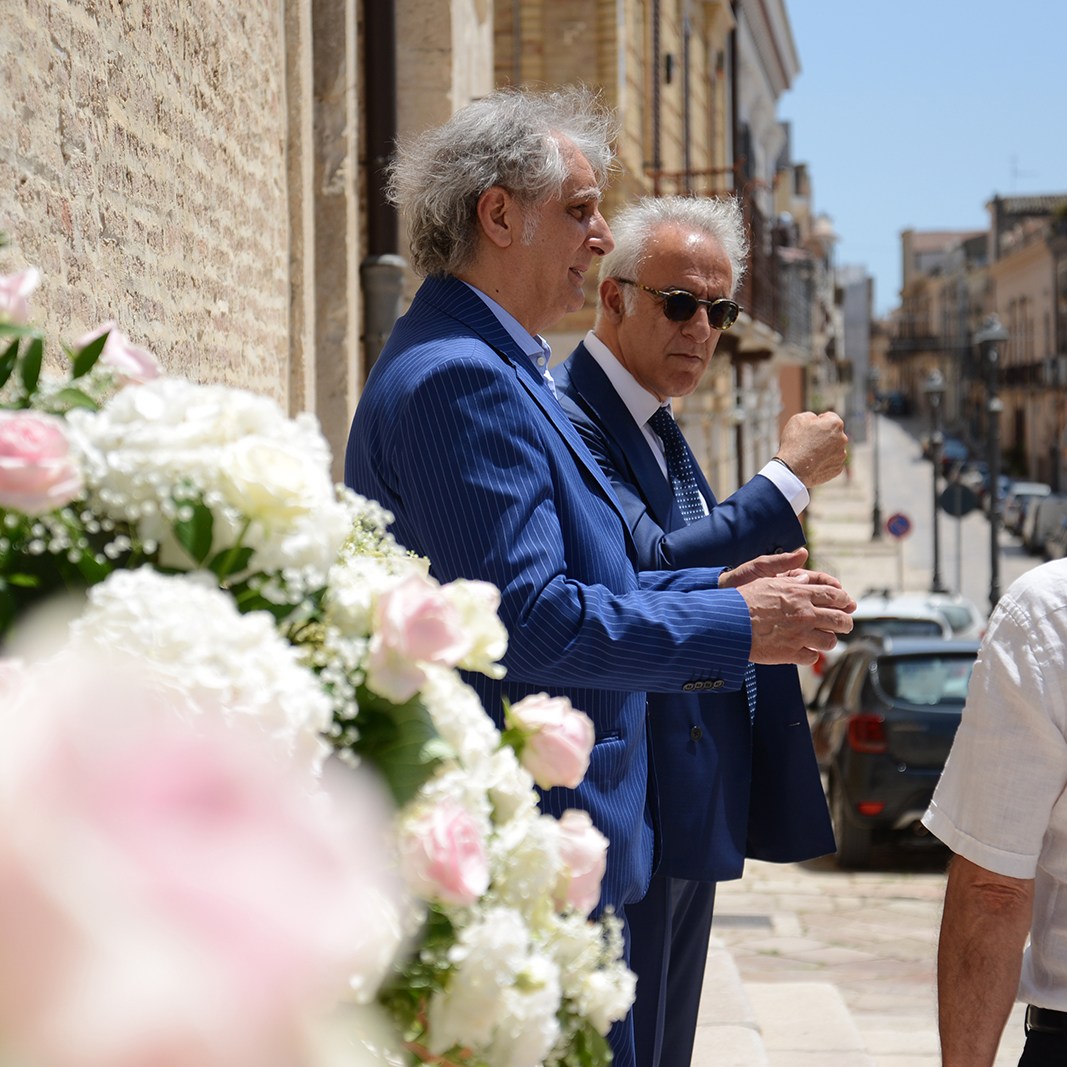
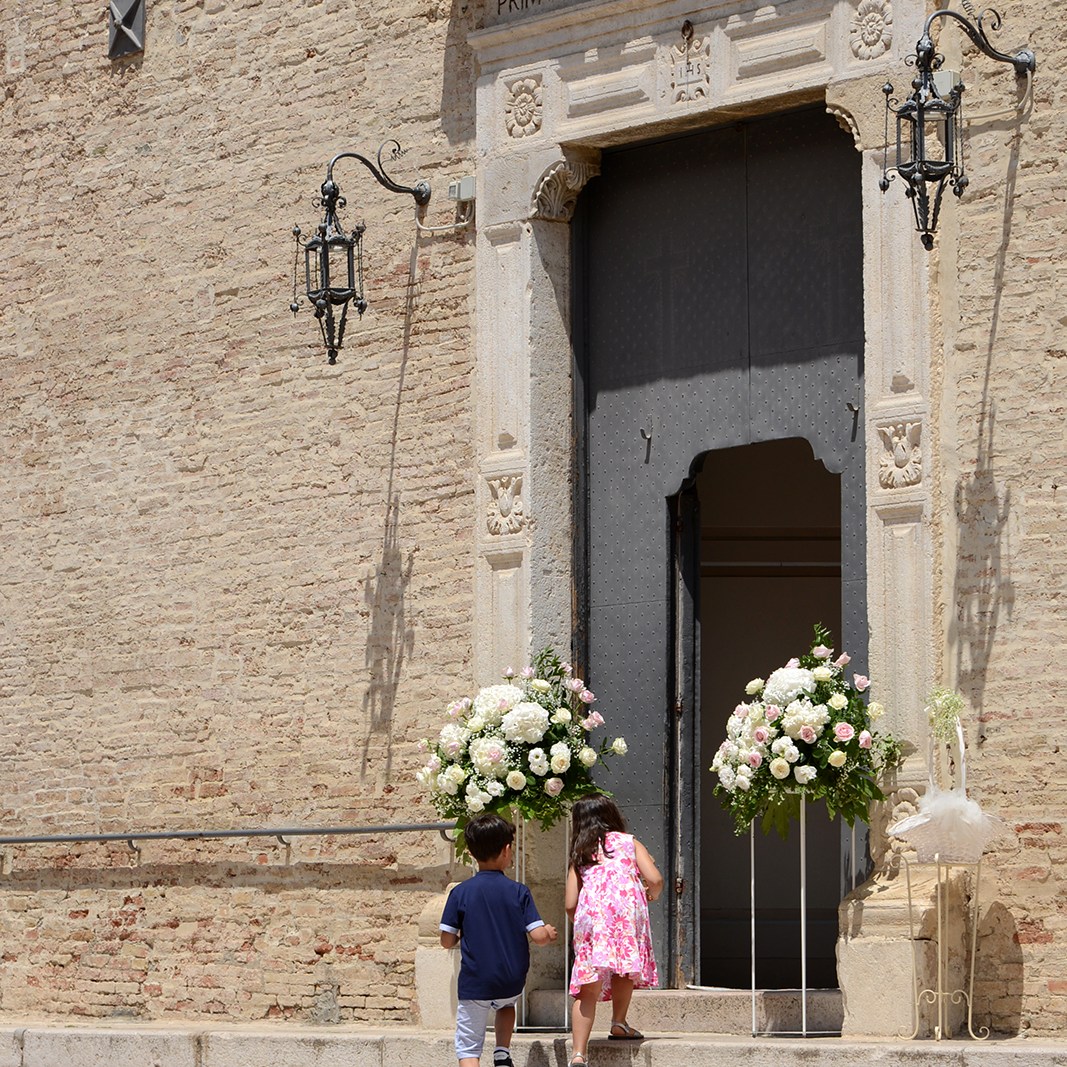
Just up the road, we concluded the Puglia segment of our itinerary with a stop in Torremaggiore, whose name comes from the tower that remains from a medieval castle south of town, Castelfiorentino, close to which Masseria Li Gatti produces award-winning mozzarella from its own herd of bufale (buffalos). Perhaps best known as the place where Holy Roman Emperor Frederick II died in 1250, this modest town features an attractive castle, Il Castello Ducale, dating back to Norman times, and a lovely church, Santuario della Madonna della Fontana, with origins in the 10th century. Our stop was upgraded from “pleasant” to “memorable” because we happened upon a wedding party on the steps of La Chiesa Matrice di San Nicola.
QUESTIONS FOR READERS
- What are your top recommendations for a visit to Bari?
- In addition to Mont-Sant-Michel, what are some of the most breathtaking locations you’ve seen for a church?
- When have you stumbled upon an astonishing stretch of nature, without expecting it?
 WANDERLOOSED