








A rich array of options along the Bahia de Banderas will vie for your attention. These tips, based on eight days of energetic exploration in the company of three willing teenagers, will help you to prioritize where to spend your time and your pesos.
GOOD (i.e., not particularly good)
- Small beach. Through no small effort or expense, we arrived at Majahuitas Beach expecting a hidden cove of paradise and some of the coast’s best snorkeling. What we found was a fine but not extraordinary little beach dominated by a bar – which was closed and the security guard would accept neither our presence under their umbrellas nor our pesos at the posted rental rate. While the quinoa-sized sand brushed easily from our feet and legs, the shells and coral shards were not especially foot-friendly. And every hour or so a big Vallarta Adventures catamaran dumped off 75 orange life-jackets and their occupants, scooping them up 45 minutes later and leaving us about 15 minutes of tranquility between batches. It’s a beautiful spot, but we preferred others.
- Big beach. If you’re looking for a rowdy cliché of a party beach, Playa Sayulita is for you. Similarly, given the easy accessibility of even incrementally more secluded choices (see “orange bus,” below), I’m not sure why you’d visit Los Muertos or Olas Altas, unless crowds are your vibe.
- Zipline tour. If you’ve never done a zipline, Mi Chapparita is fine. But if you’ve done canopy tours in Costa Rica or any of the big lines in the Rockies or Alps, skip it. To their credit, the staffers were very focused on safety and kept us laughing. 74% chance you’ll get some grease spatter on your clothes.
- Tourist trap. I trust that Zoológico de Vallarta was founded with the best of intentions, not by some eco-terrorist robber baron expecting to pocket billions by relegating hundreds of creatures to a squalid subsistence. But while we’d never been so close to cuddly tiger cubs or had giraffes eat right out of our hands – which was awe-inspiring – we were left somewhat conflicted. Is the solution to increase visitation so that the animals get better conditions and care, or to stop going altogether and force a relocation to a better facility or, if it’s even possible, a return to the wild?
BETTER
- Souvenir shopping. Separating the Zona Romántica from the Centro district, Isla Cuale is a pleasant little urban oasis. Its tienditas (little shops) offer a reasonable balance of kitsch and craft, it’s all shade all the time, and the swinging bridges are a fun, functional touch.
- Big beach. For less noise and fewer bodies strewn about the sand than Sayulita, try Playa San Pancho 15 minutes to the north. Think henna, Birks and boards, compared to Saylita’s Dos Equis and Latin EDM. On the south side of Puerto Vallarta, La Garza Blanca offers a nice balance of convenience and relative quiet.
- Treats. We devoured the pastries at Panaderia Eula (Basilio Badillo 244), especially the apple turnovers and cream-filled buñuelos.
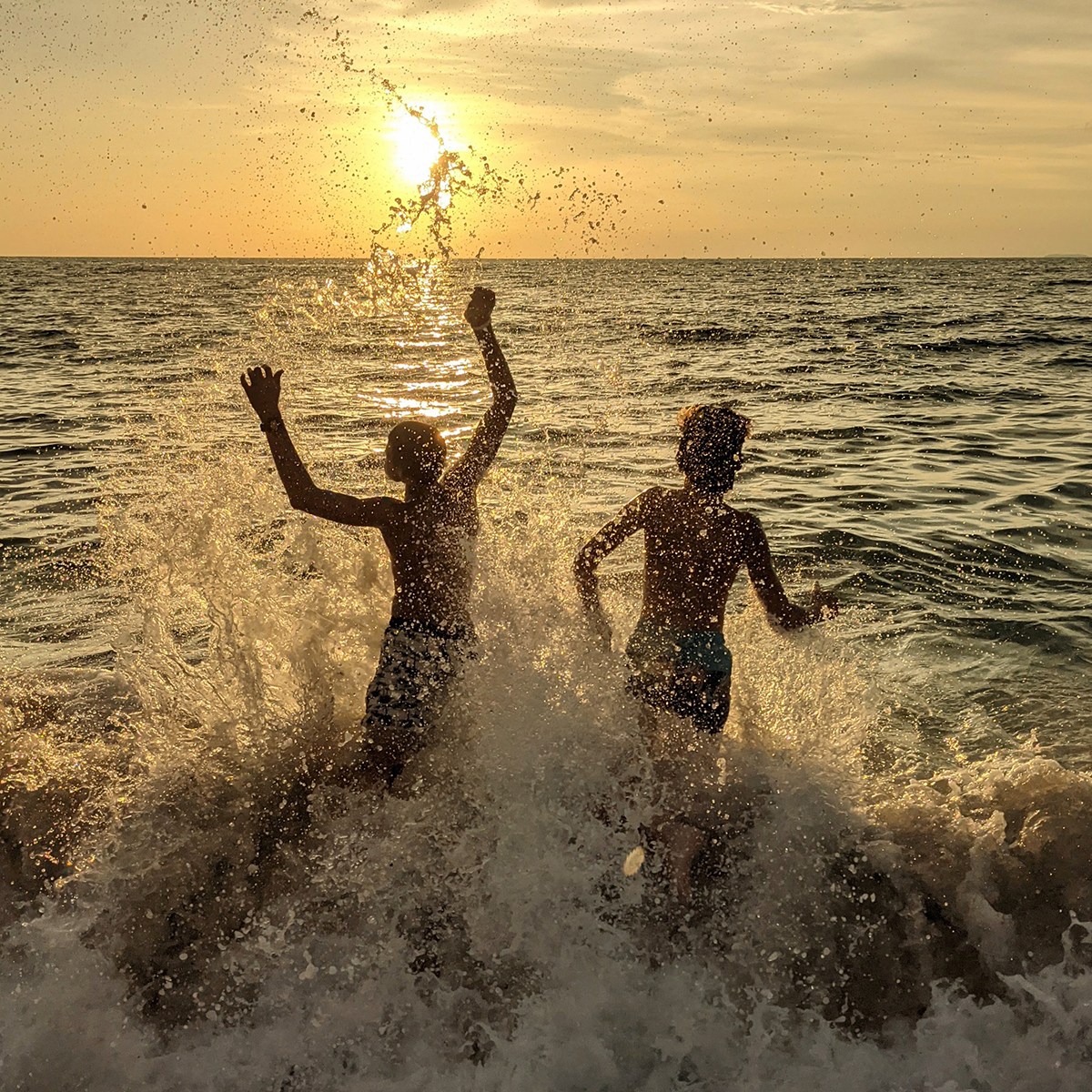
- Surf lessons for beginners. The gentle waves at Punta de Mita’s Playa La Lancha went full “Rawhide” doggies on us and just kept rollin’, rollin’, rollin’. It’s hard to imagine better waves for novices, and all three of my junior first-timers were able to get up and ride. Our teacher, Roberto, was attentive and patient with my young bucks, and at the end even let me use his board even though I hadn’t signed up for lessons. Our driver was punctual and friendly as well. That said, this falls short of a “Best” ranking for a few reasons: It was presented on Airbnb as an individual experience but turned out to be Wildmex, one of the area’s big outfitters. This didn’t change the gist of the experience, but was misleading. We were promised two full hours of surfing out of a total 4.5-hour commitment, and ended up at a shade under 1.5 hours. They also didn’t mention that beach access would require a hike on a very primitive (and very muddy and slippery, due to overnight rain) out-and-back trail while carrying our oversize boards, and a heads-up would have helped our footwear choices. In short, it was a lot of time and expense to get to an admittedly great beginning surf beach, and left me wondering if it might have been better just to try widely-advertised lessons at San Pancho or Sayulita.
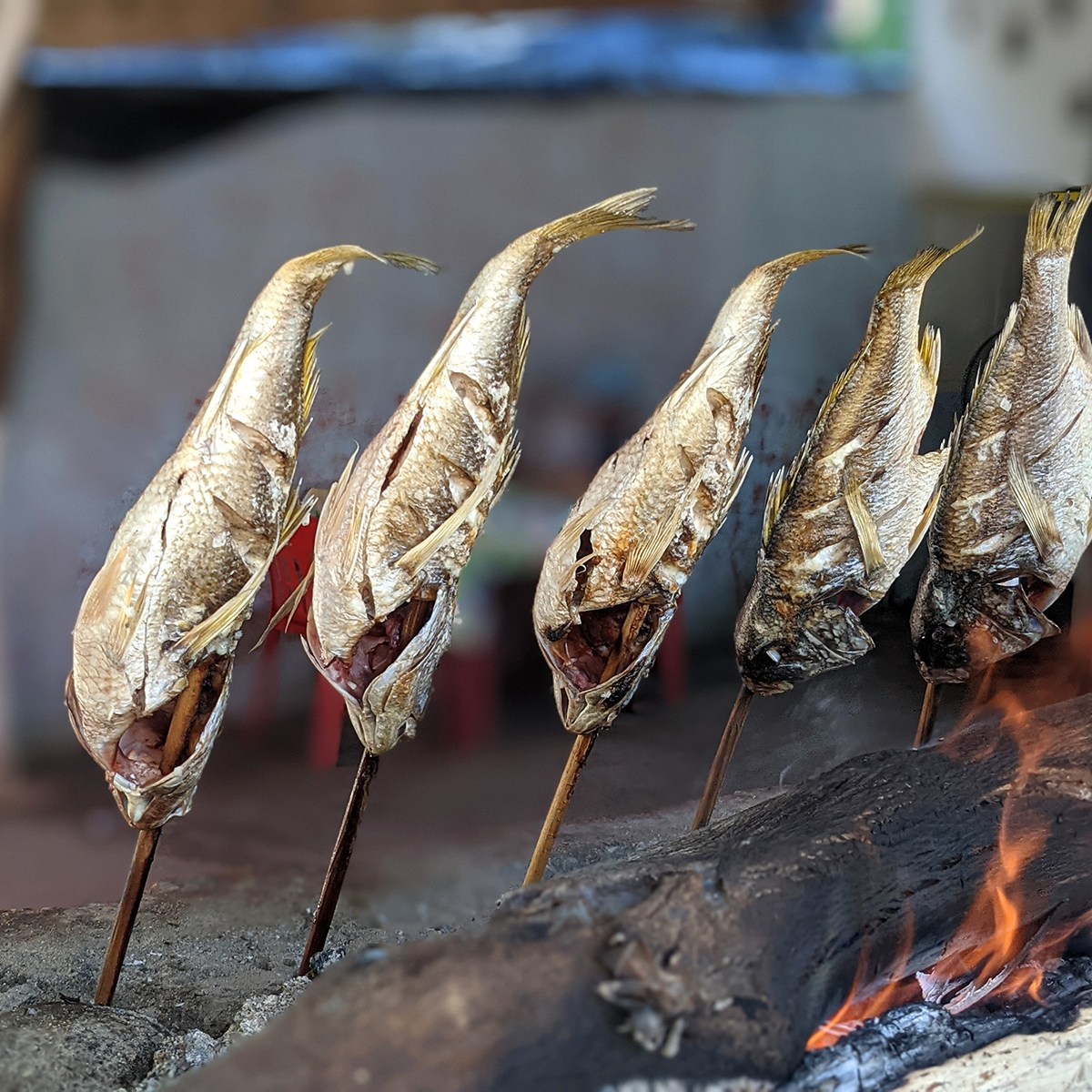
- Ceviche. As I’ve mentioned elsewhere on this site, I don’t seek out ceviche, and try to avoid shrimp generally, but at Boca del Mar in Boca de Tomatlán we ate excellent tostada de ceviche de camarón while watching pelicans dive bomb among the little water taxis in the adjacent bay.
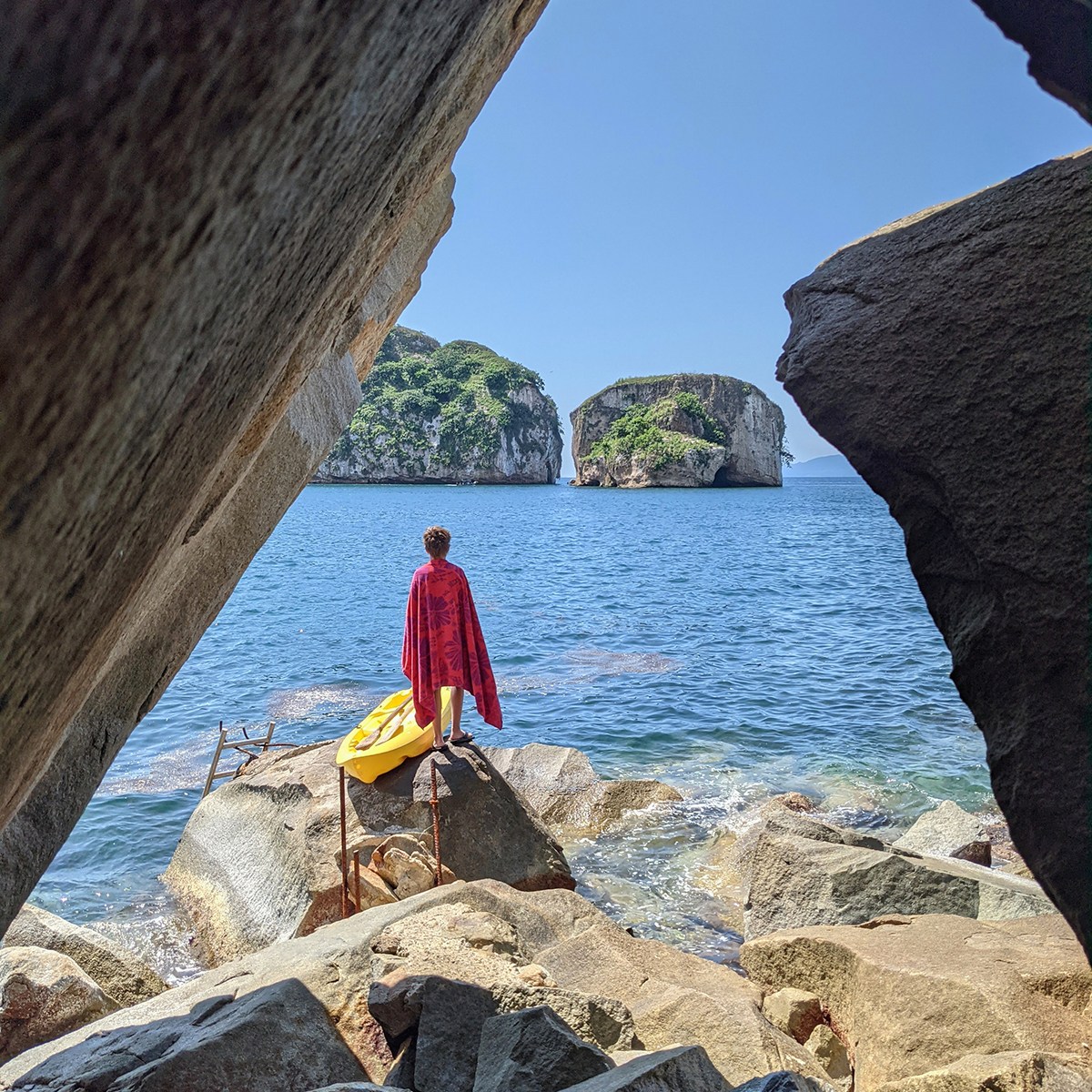
- Snorkeling. Although we typically snorkel a little closer to shore, the extra kicks out to Parque Nacional Marino Los Arcos de Mismaloya were well worth it. At roadside Tienda Mirador de Los Arcos, Giovanni rented us a parking spot, a kayak and his abuelo’s oar for 200 pesos, and having a floating rest-stop with us helped reassure my boys that we weren’t going to get swept out to Oahu.
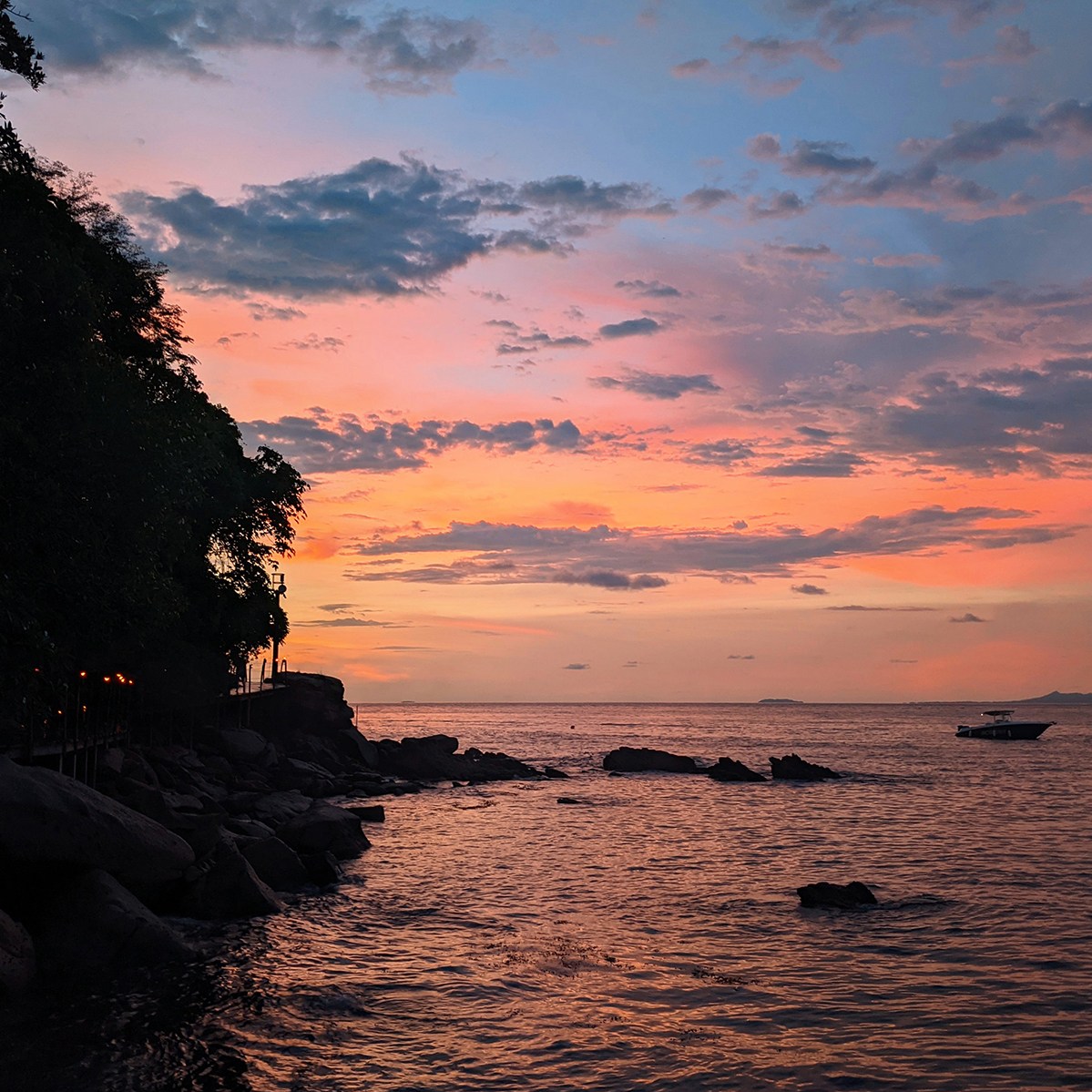
- Tourist trap. Prefab spectacles such as Savia: Rhythms of the Night usually aren’t my thing, but my parents had gone to it a few years earlier and insisted that we go, backing up their enthusiasm with free tickets, and so we went. The setting, ambience, food and show were very well-calibrated, and the boat ride out showcased the second-best sunset of our trip, while perching on the prow for the return trip gave my boys a bit of a thrill as they watched innumerable fish jumping across the beams of our lights.
BEST
- Steak. Our first meal upon arrival was at Los Molcajetes in Zona Romántica, where my boys compared whose arranchera (skirt steak) was juicier based on the expanding pools on their butcher boards, which wisely had built-in moats around the edges. The taco frijole al carbón (grilled bean taco) was a new and tasty experience for me.
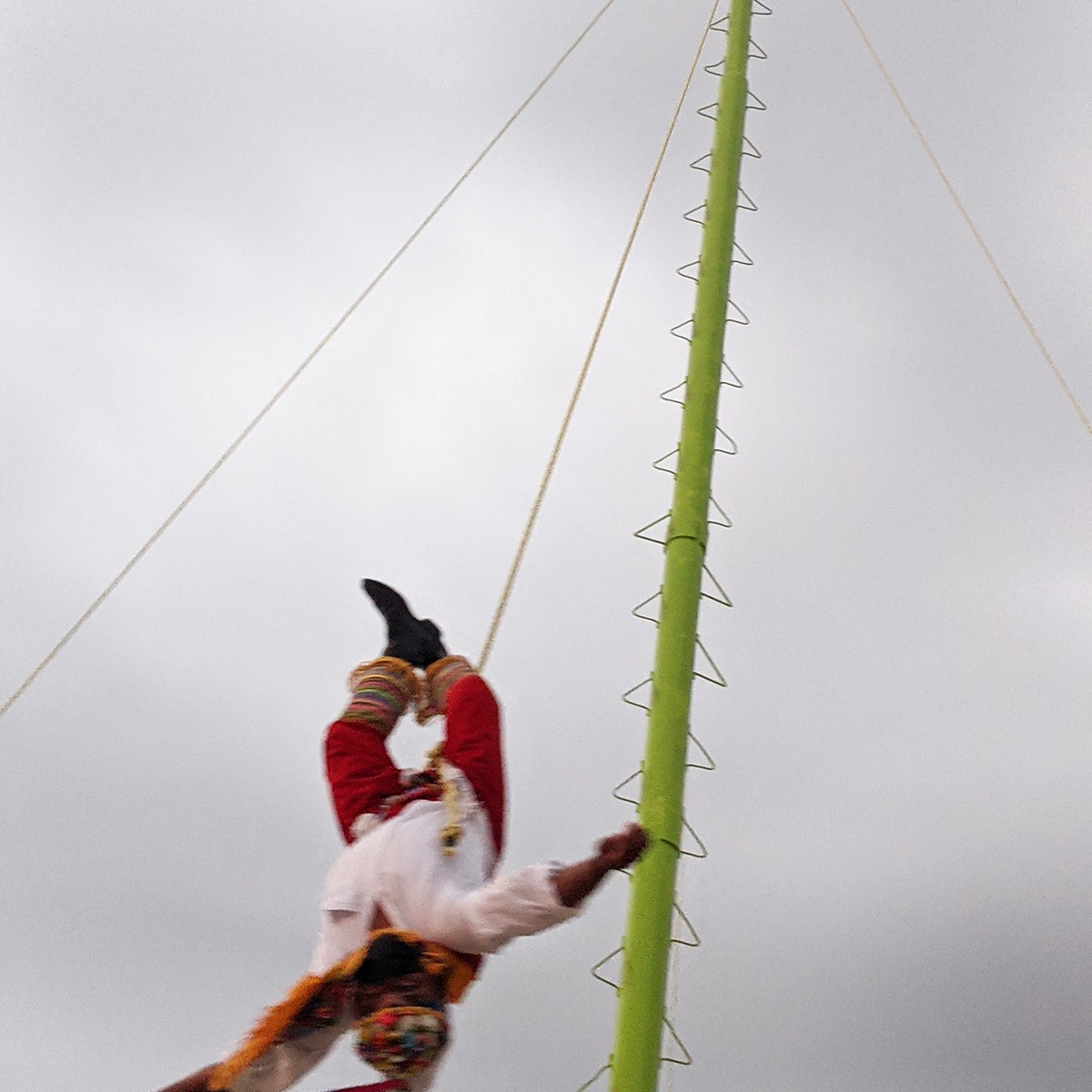
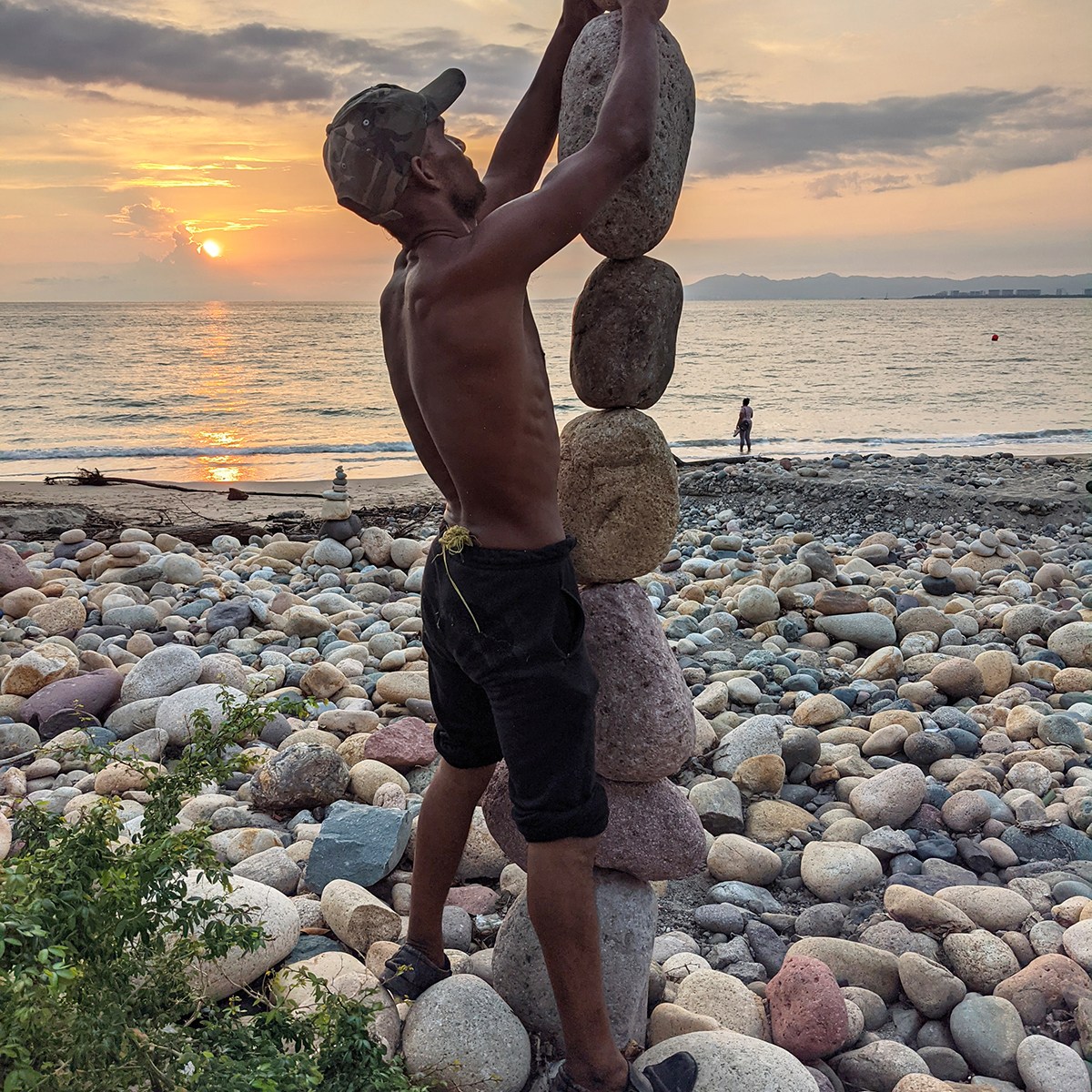
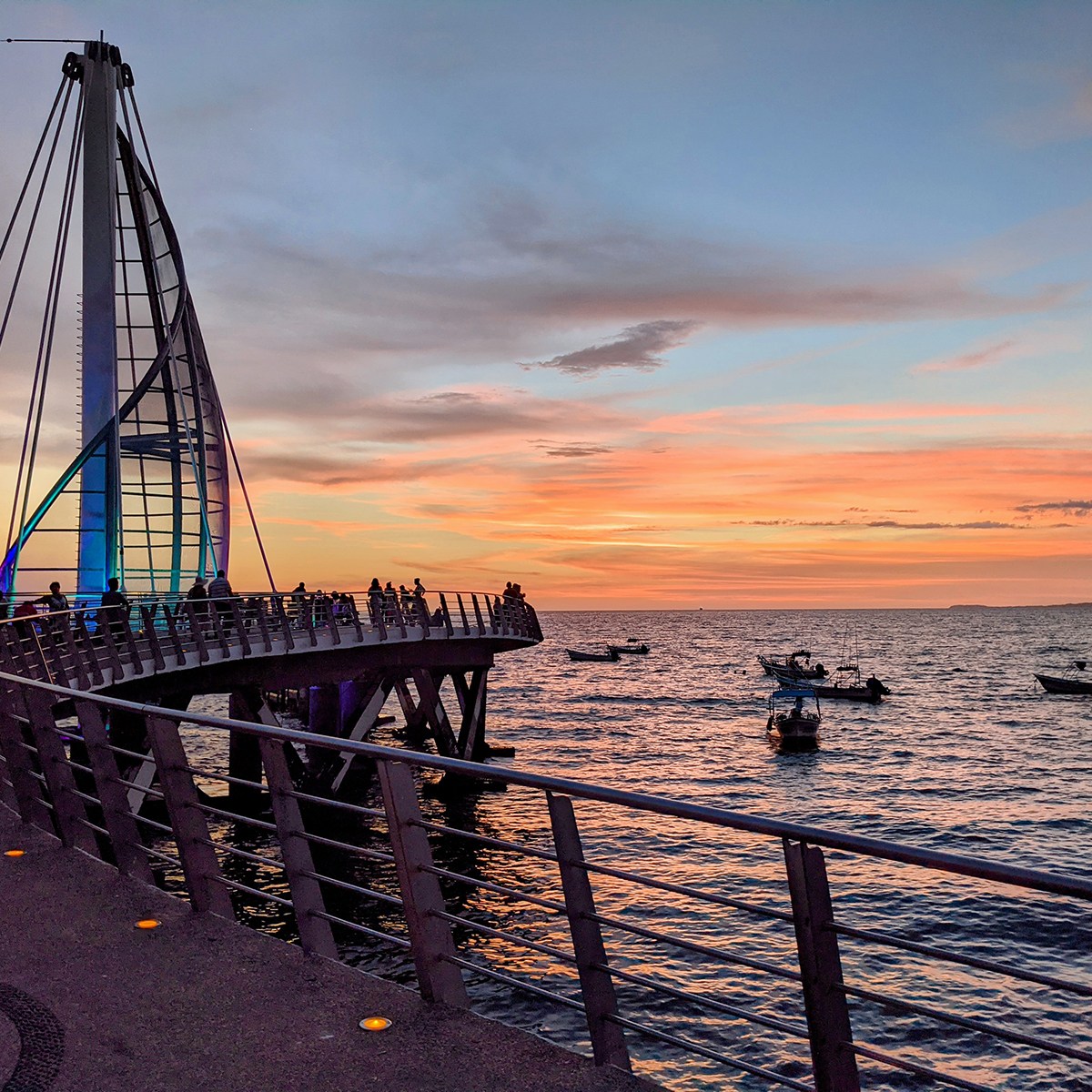
- Over-delivery delight. We found Malecón to be as vibrant and zesty as advertised, with gratefully a bit less chintz than I’d feared. The mild temperature and warm light of early evening were pleasant, and the sunset beyond Los Muertos Pier was brilliant. One of my boys’ lasting memories from our trip came while we were waiting for the famous Voladores to do their hourly show, and found Carlos balancing rocks that had gathered at the mouth of the culvert under the end of Calle Leona Vicario. Passers-by will see the product of his daily labors: cairns with base-stones weighing more than 120 kilos and third-level stones weighing 80-plus. As he shared his craft with my youngest son, he whispered his mantra, “Balancia, paciencia, concentración, más paciencia…” (Balance, patience, concentration, more patience…) “Como principios de la vida,” (Like principles of life) I interjected. He smiled and nodded in agreement.
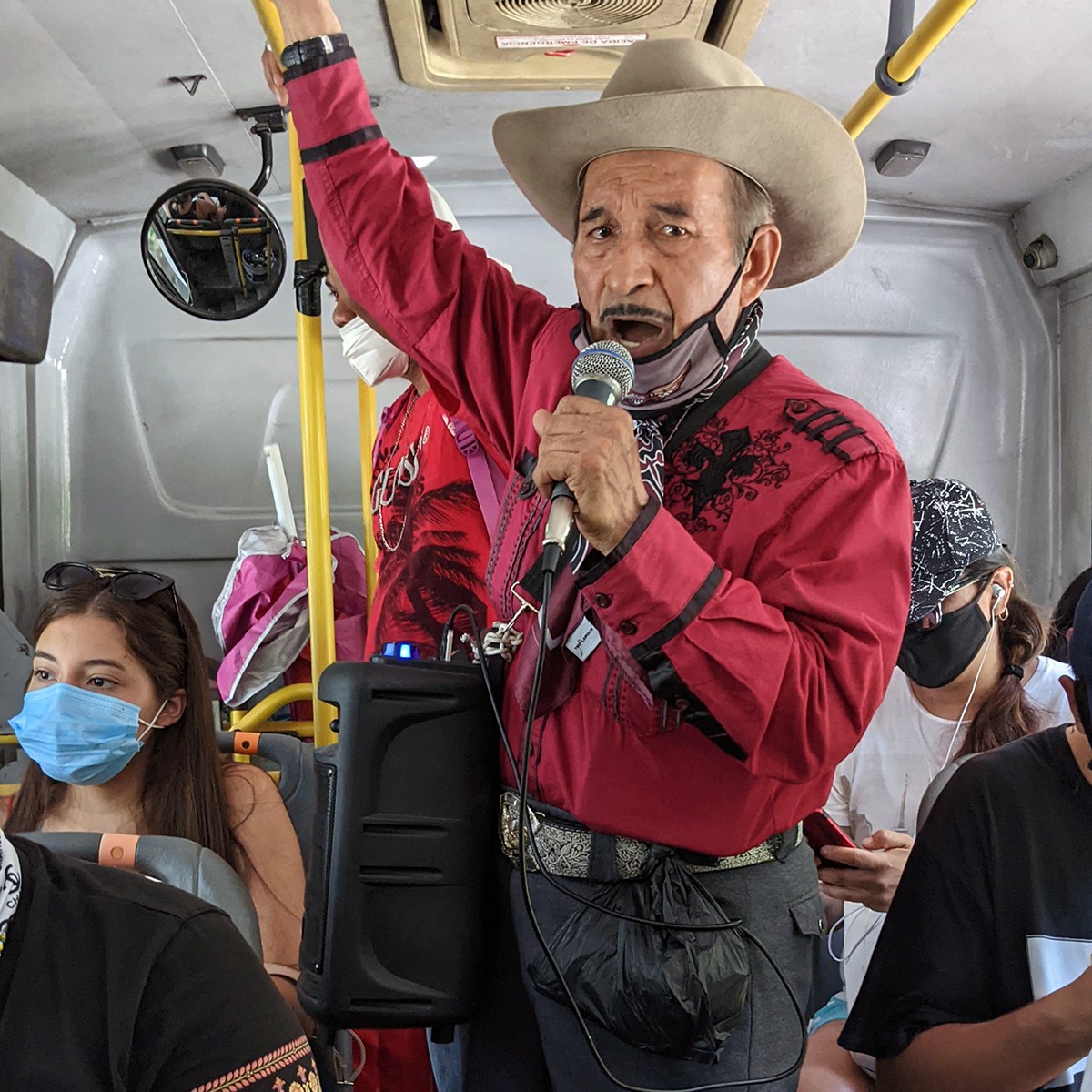
- Transportation. The orange bus is so magical (!) that it might have inspired The Who. For ten pesos you can get all the way down to Boca de Tomatlán, stopping at any of the excellent beaches along the way, and you may even be treated to live entertainment en route, such as when an elderly yet well-tuned tenor crooned, “Ay Jalisco, ¡No te rajes!” through his shoulder-strapped amp on one of our rides. Pick it up every 15 minutes near the Oxxo at the corner of Constitución and Basilio Badillo. (Note that the farther up or down the coast you get from Puerto Vallarta, the fewer ATMs there are and the less likely you’re going to be able to use credit cards or other electronic payment methods, so take plenty of cash.)
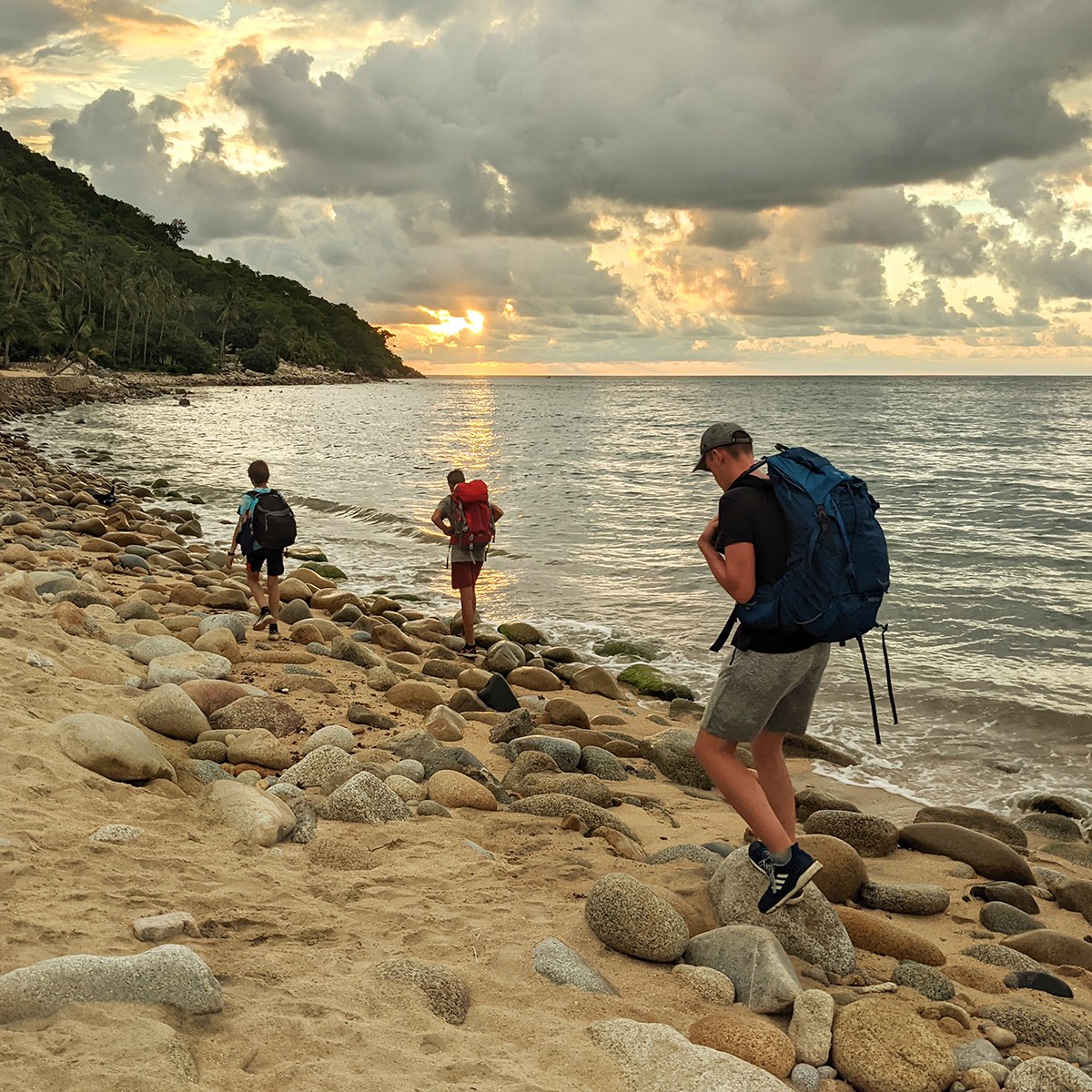
- Hike. An outdoorsy colleague who, astutely and enviably, had spent a chunk of the pandemic in Puerto Vallarta recommended the coastline trail that begins at Boca de Tomatlán. The combination of a late start, one or two too many beach stops and the weight of our backpacks kept us from reaching our goal of Yelapa, but the series of secluded beaches and dramatic cliffsides, all accessed by a serpentine trail we shared with spider webs, fireflies, tiny red crabs and probably a few unseen snakes, made this spectacular trek surpass even my colleague’s rave reviews.
- Nocturnal maritime adventure. By the time we crossed the two-plank 100 meter footbridge across the La Puerta river, Quimixto was pitch dark because storm clouds blocked the stars and a felled tree had cut the power to the whole town. We were still five impossible trail-kilometers short of our lodging in Yelapa, but Luis and his friend Capitán Pancho delivered us in their lancha (small boat) through pounding rain, ferocious lightning and unnerving waves – “Caballeros, no se preocupen, ¡esto no es nada!” (Gentlemen, don’t worry, this is nothing!), they reassured us – to the dock at Yelapa.
- Hospitality. Drenched everywhere not covered by our ponchos, we made our way from the dock up the runoff-coursing pathways to the brightest light we could see in Yelapa town. This was Pollo Bollo restaurant, where a festive crowd was celebrating the recent graduation from nursing school by Elisabeta, the owners’ daughter. We explained that we were looking for our accommodations for the evening, and after some discussion, they made a phone call. While we waited for the host to come get us, they served us chicken salad tostadas, jicama, watermelon and té de escaramujo (rose hip tea). This exceptional kindness was rivaled only by what we experienced while in the care of Dioselena in Mascota.
- Inland excursion. I can’t recommend the drive to Mascota enough, especially if it includes a stop in enchanting San Sebastián. Learn more about these pueblos mágicos here.
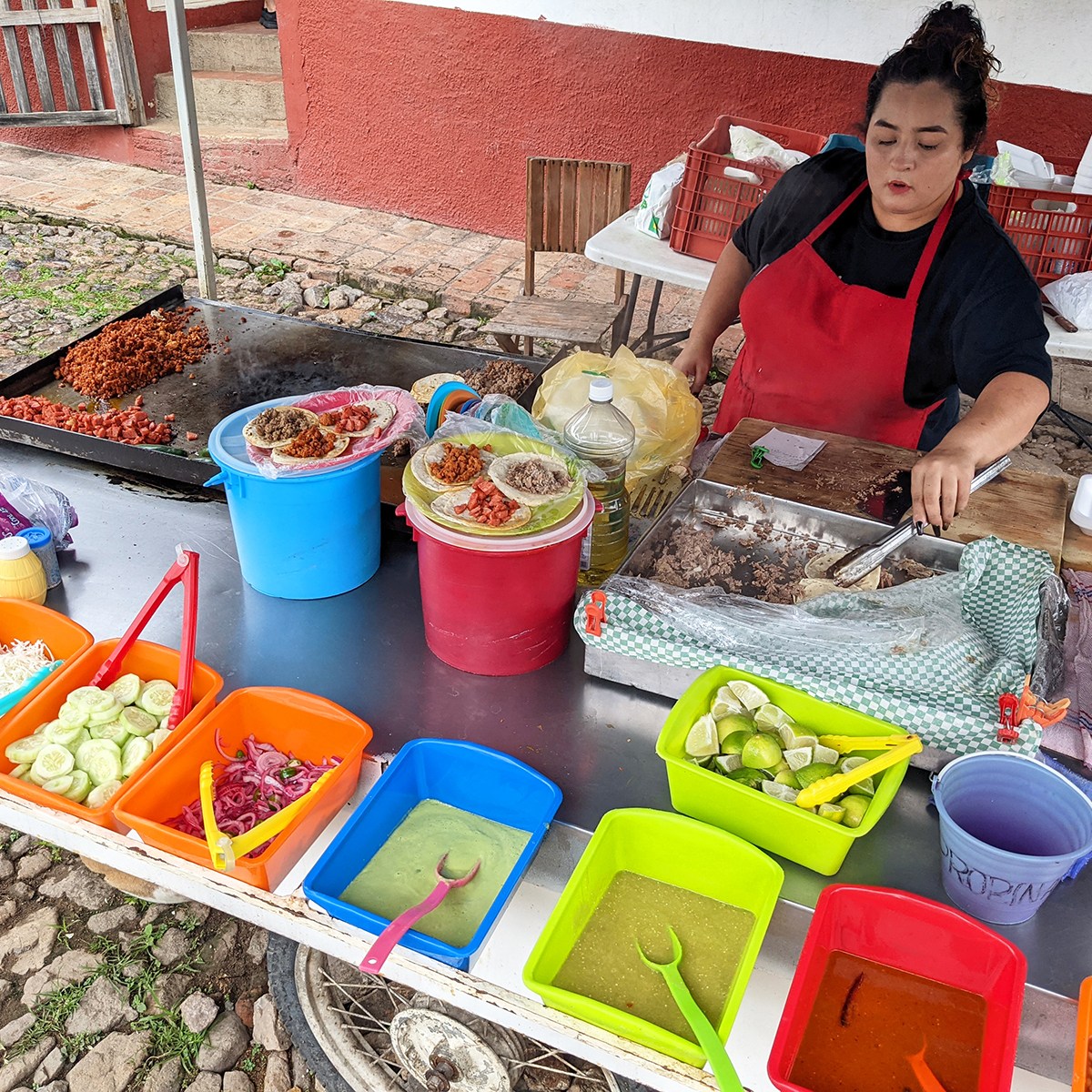
- Street tacos. Unsurprisingly, there was no lack of competition in this category, but the contest was over once we partook from the little cart parked between the joyería (jeweler) and Café El Fortin in the southwest corner of San Sebastián’s main square.
- Lodging. Read more about our stay at Mascota’s lovely mesón (inn) Villa de Leyva here.
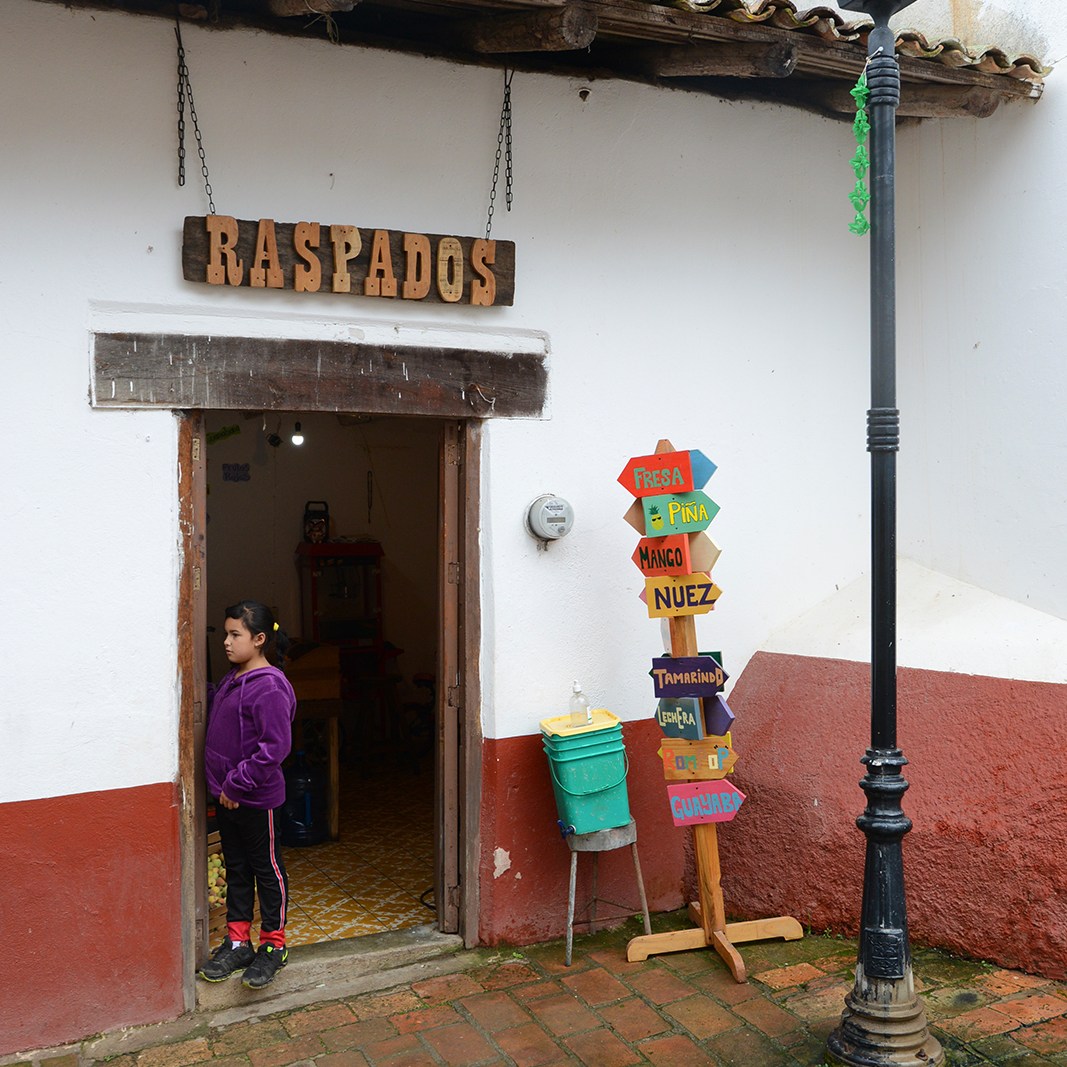
- Freshly-squeezed juice (jugo exprimido). The jugo verde at Mi Viejito in San Pancho was a revelatory mix of piña, cilantro and nopal (cactus).
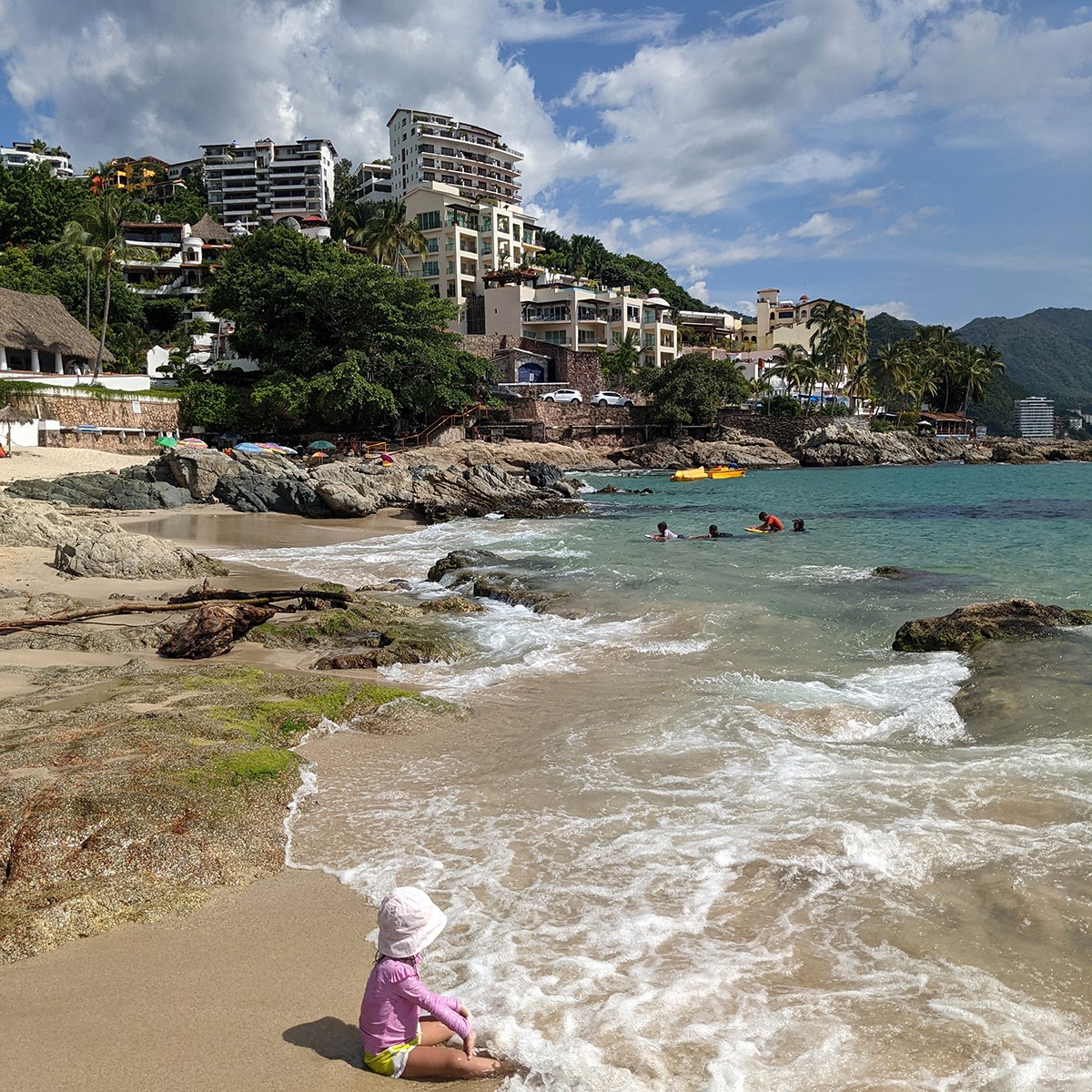
- Small beaches. Compared to the beaches mentioned above and some others we visited, we preferred remote Playa Caballo for solitude and convenient Conchas Chinas for snorkeling.
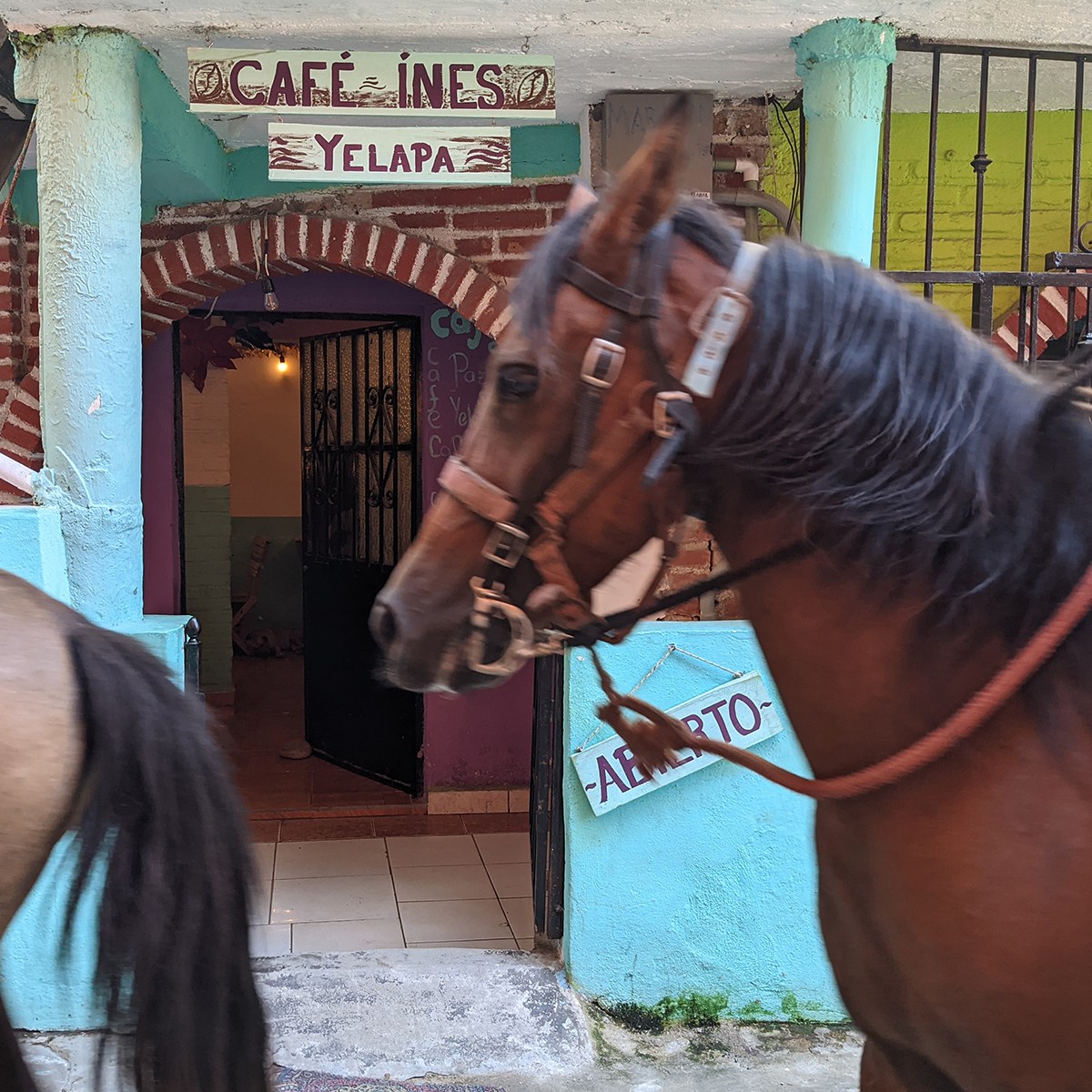
- Breakfast. This one was a tie, and we ate at both of these places twice. At Cafe Inés in Yelapa, the owner’s granddaughter Kenia made us jugo exprimido de naranja (orange) and scrumptious pan telera (sandwich rolls) with avocado, tocino (bacon), lettuce, onion, tomato, cucumber and cream cheese, as Kenia’s preschooler son and deputy sous chef, Leo, ran instantly in response to her calls from the kitchen to go source fresh ingredients – Muy, pero ¡muy fresco! she admonished him – from the neighborhood market. The omelets and granola pancakes at Doughjoe Café in San Pancho were unbeatable.
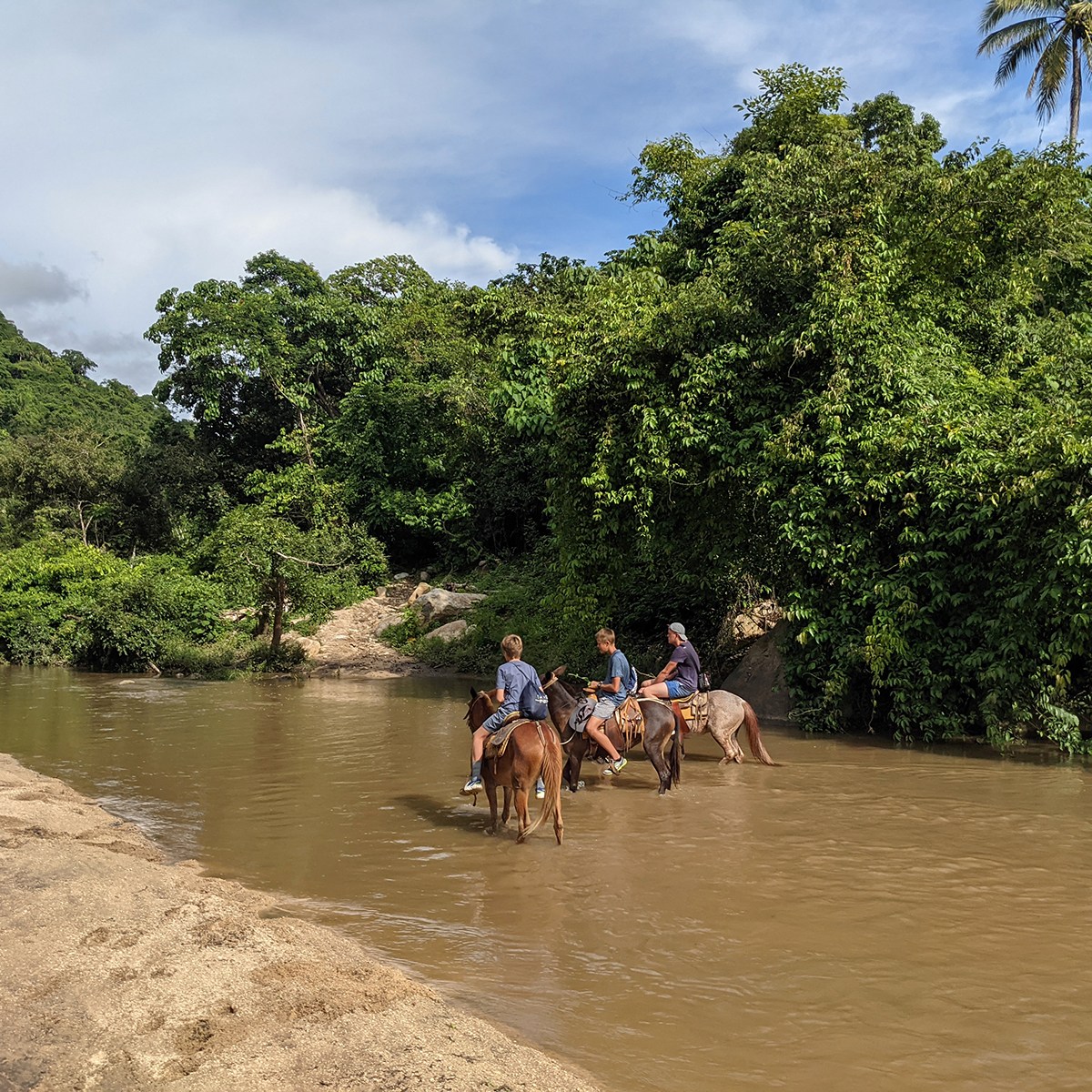
- Encounter with nature, second place. I’d heard good things about the hike up to Yelapa’s waterfalls – not the Cascada de Yelapa just above town, but the twin falls a couple of kilometers up the Río Tuito. When I learned that we could rent mulas (mules) for the trek, without the guide that is so often required elsewhere, it became mandatory. An hour but just a half kilometer upstream, by which point I’d christened one of our beasts Mula Maldita [plus salty explicative one, two and three], I feared that this little adventure might turn out to be disappointing at best and disastrous at worst. So I gave my mule to my eldest boy, told him to lead his brothers further up the trail, and turned his stubborn lady back toward town – where she trotted happily but without letting me mount, which resulted in my Tevas and toes spending a lot of quality time in fresh caca y pis. Back at the corral, I was given Panda de Pipi, a small burro whose apologetic owner assured me that she was gentle and reliable. We headed back into the dense, green jungle, where I found my boys dismounting near impressive falls separated by a pool perfect for swimming. We concluded our stay at dusk, pointed our steeds’ noses home, and the fireflies lit the way.
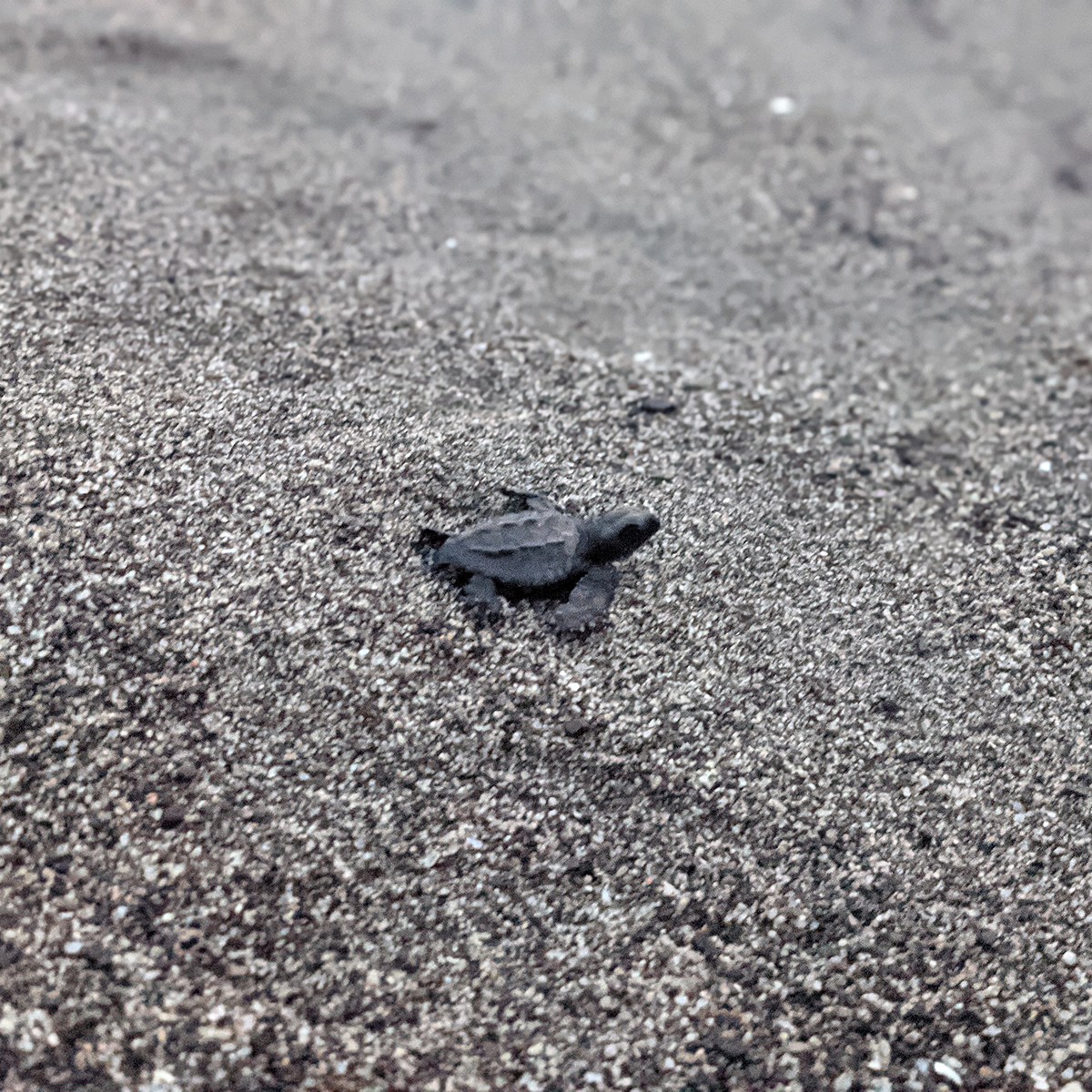
- Encounter with nature, first place. August through December is sea turtle nesting season on the Bahia de Banderas. On beaches up and down the coastline, you’re likely to see signs with contact information to report nests, and the team at Campamento Tortuguero Boca de Tomates responds to notifications by foot, boat and ATV to relocate clutches to a designated area north of the airport, where the eggs are protected from their many local predators, such as racoons, seagulls and dogs. The eggs incubate in the warm sand for about 45 days and the brood needs to make it into the sea the upon hatching. In a brilliant stroke of public education, those interested in assisting with the near-daily liberación de tortuguitas (release of the hatchlings) can submit a same-day request to participate in that evening’s release, an experience that for some borders on the sacred. Once we were confirmed on the roster, neither the torrential rain that flooded the surrounding streets nor the lightning cracks that startled and deafened us as we walked up the beach to the camp would stop us from participating in this remarkable event.
QUESTIONS FOR READERS
- When have you been moved by an unexpected act of kindness while traveling?
- What’s your favorite beach in the Bahia de Banderas?
- What surprised you most – good or bad – about Puerto Vallarta?
 WANDERLOOSED