


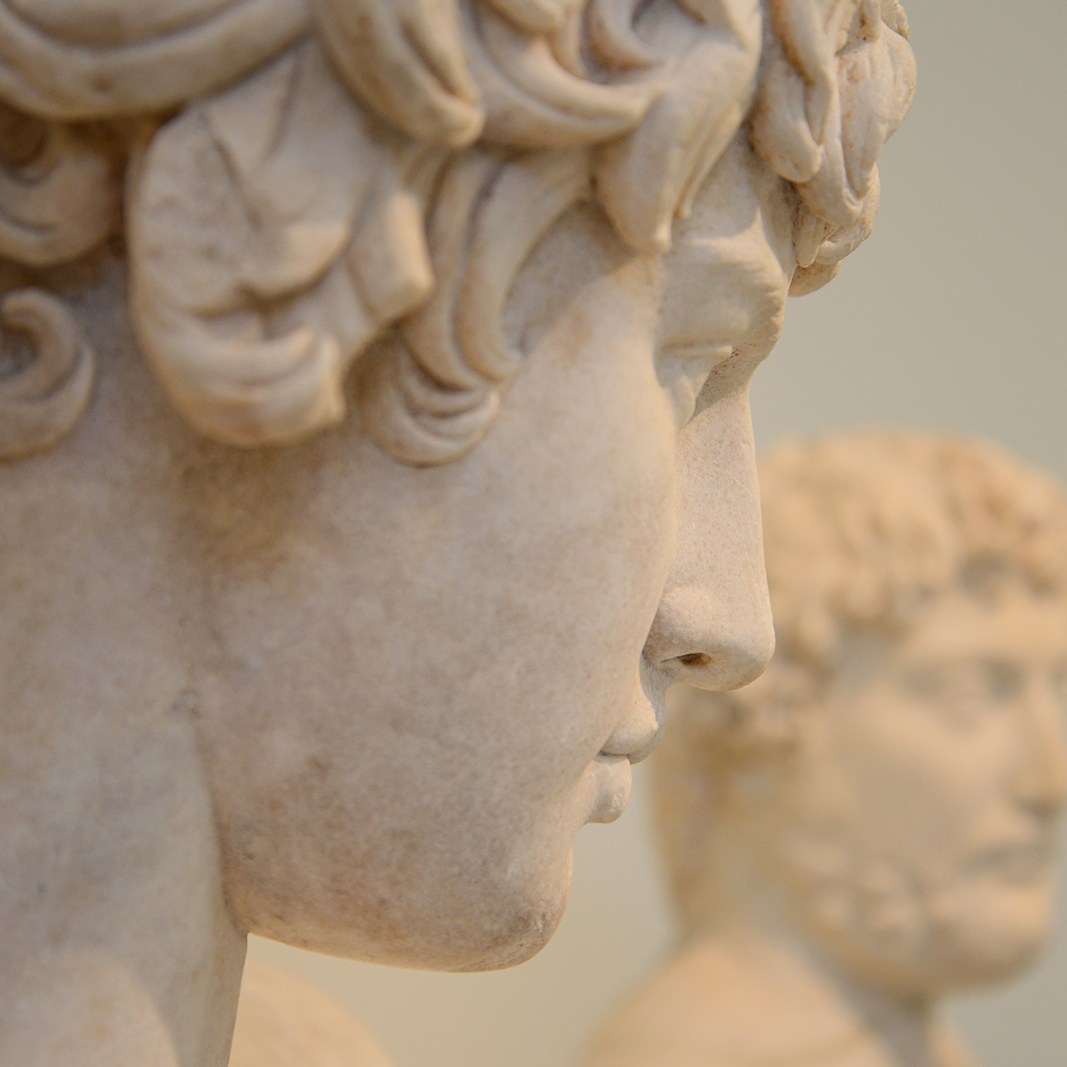
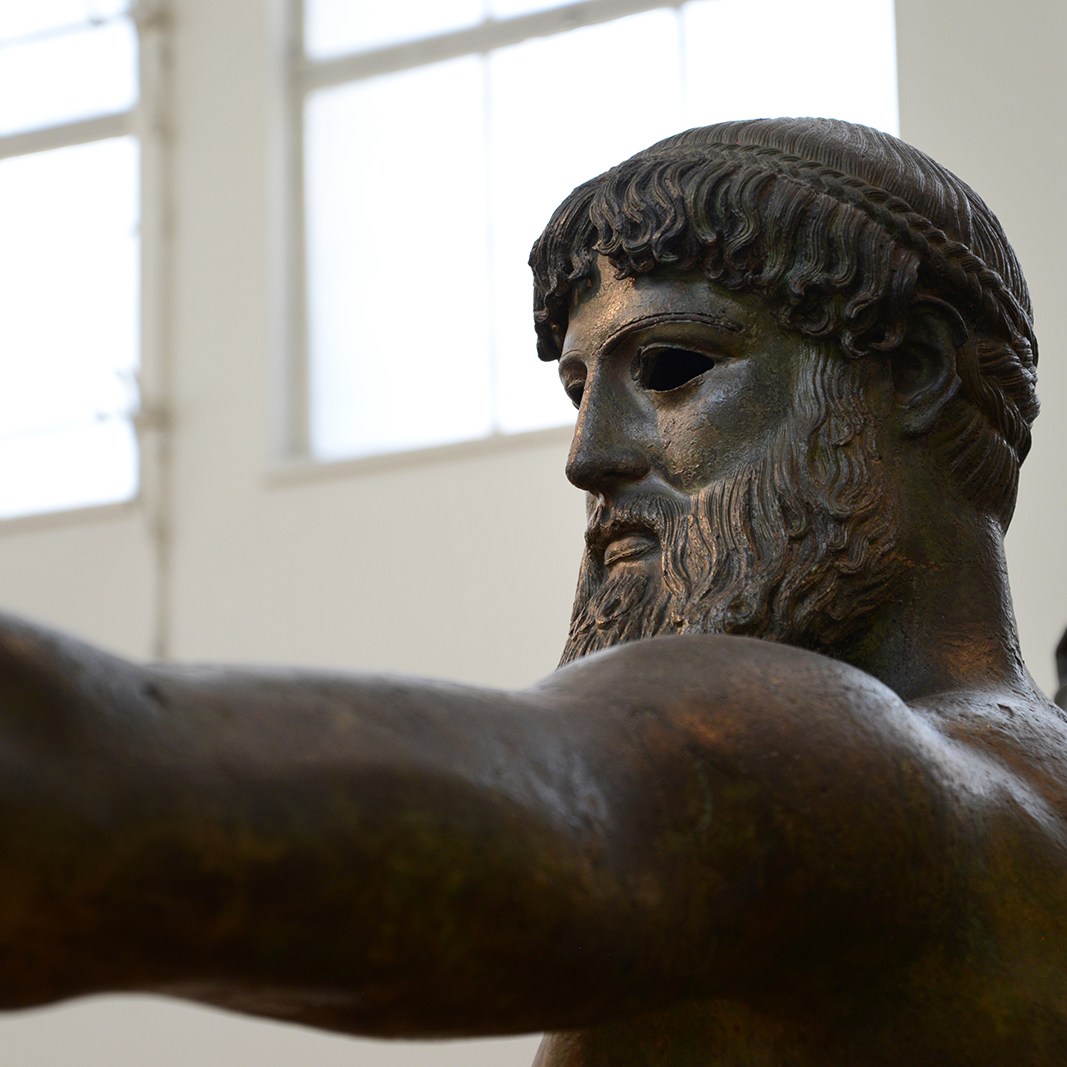
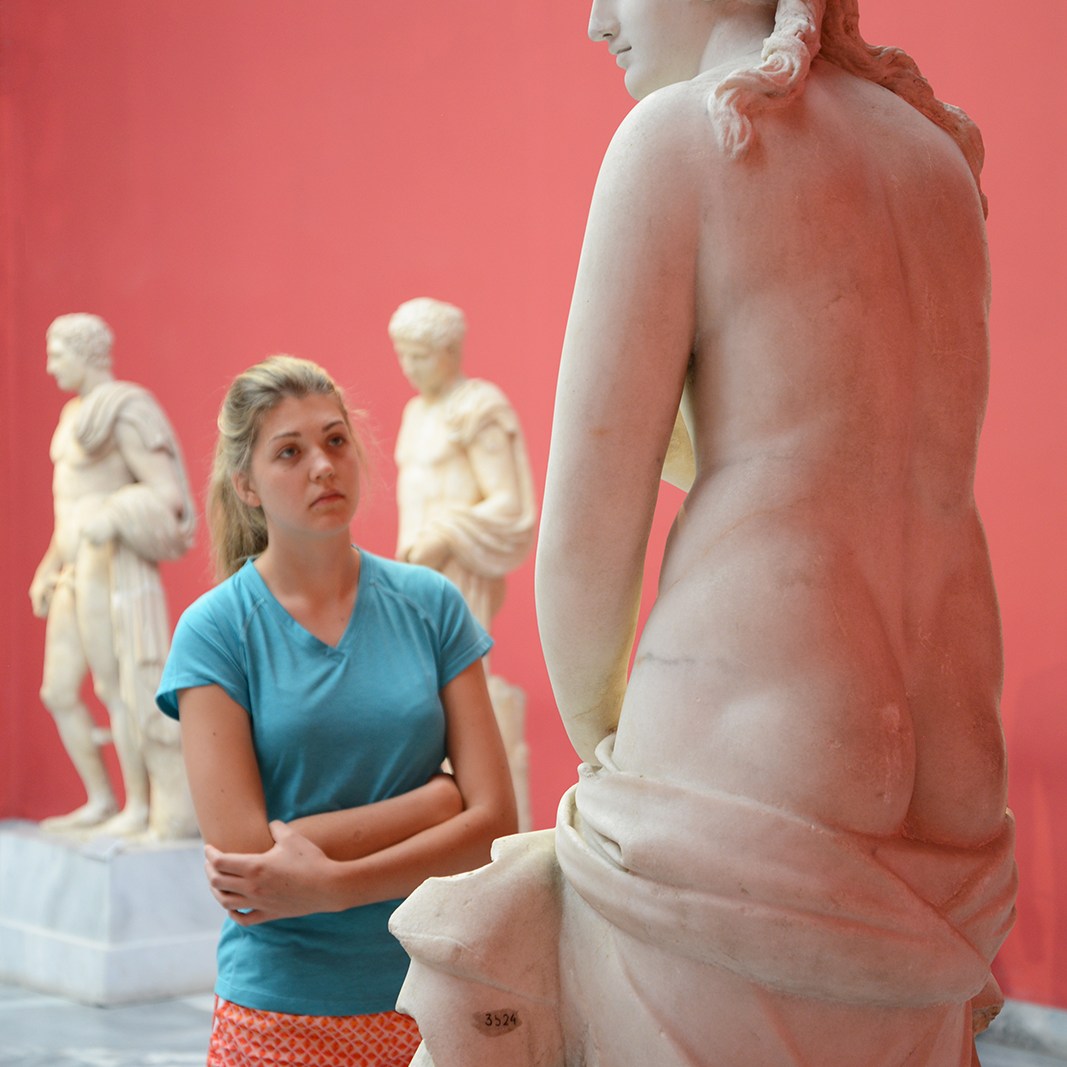
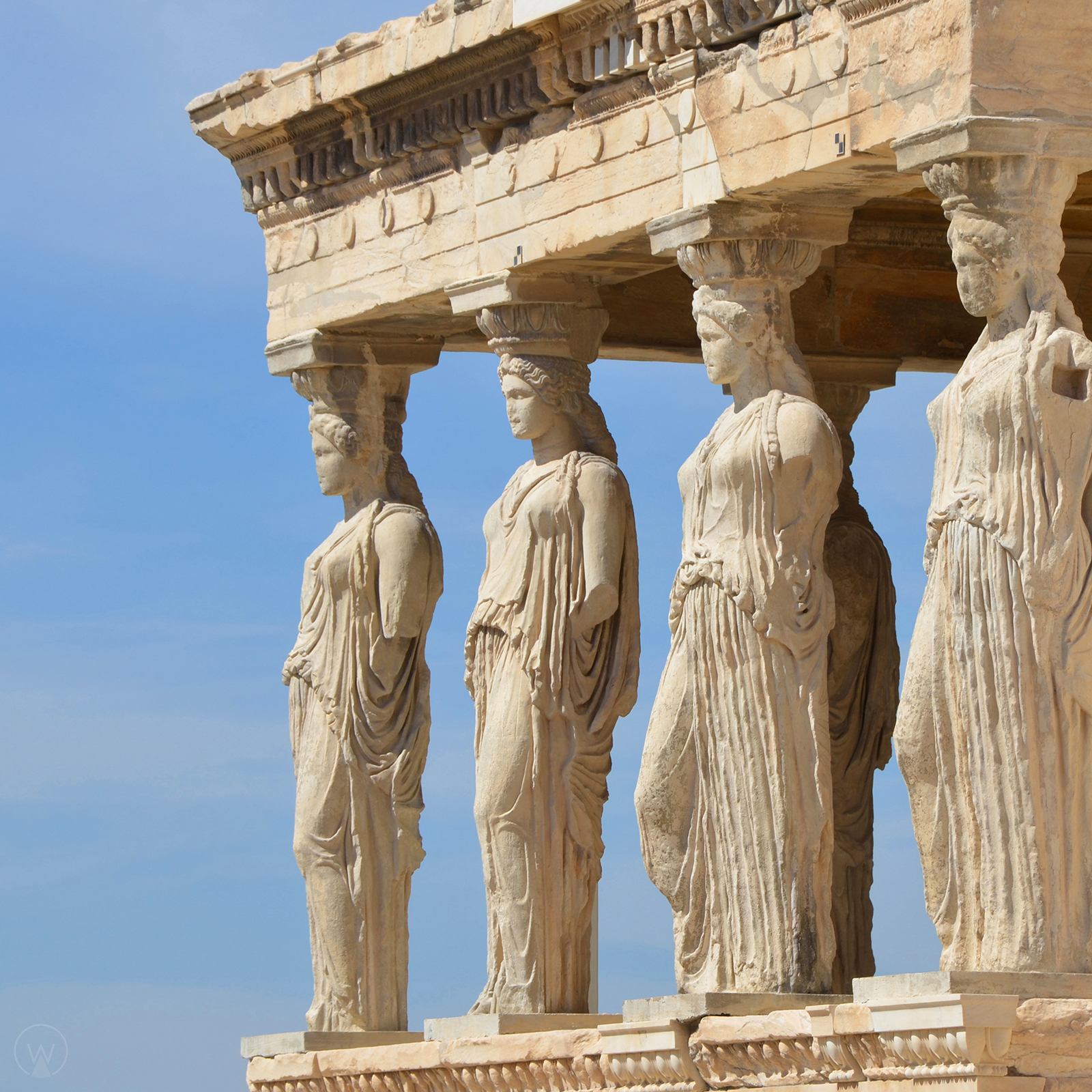







The allure of Athens seems to fade somewhat more abruptly – for me, at least – than that of many other must-see cities. The process goes something like this: Attempt to stay hydrated and untrampled while on the Acropolis, swing by the Olympic stadium and the nearby Temple of Zeus, hit some museums (especially the National Archeological Museum and the Acropolis Museum, beneficiaries of an emerging trend of repatriations), wander the Agora, enjoy some souvlaki in the Monastiraki neighborhood or loukoumádes in Syntagma, and then…involuntarily start to yearn for a sandy beach on Corfu or Crete.
Feeling myself slipping into this trough of disillusionment at around the 31 hour mark, I launched a signal flare to a friend who, as a professor of classical studies, knows the region well: “So…looks like we needed maybe two days in Athens but we’re here for three. What do you recommend?” Unperturbed by my waned interest in The Birthplace of Western Civilization, he responded with the basic bullets of a day trip that he assured me of delivering “easy, up close & personal time with a number of Hellenic & Hellenistic marvels – often with nobody else around.” “Sounds perfect,” I replied.
Since you didn’t foolishly attempt to bring a car into the city, get a rental (my daughter and I chose Sixt at Siggrou and Lempesi, a short walk from the Acropolis) and get out of town on A8 / E94 west, navigation set for one of Greece’s least-explored regions.
- The first stop on this counterclockwise lasso loop, an hour due west of the capital, is the Corinth Canal, which connects the Gulf of Corinth with the Saronic Gulf through the Isthmus of Corinth. Completed in 1893, it causes one to wonder how it might have affected history had it been finished when first attempted in the 1st century CE.
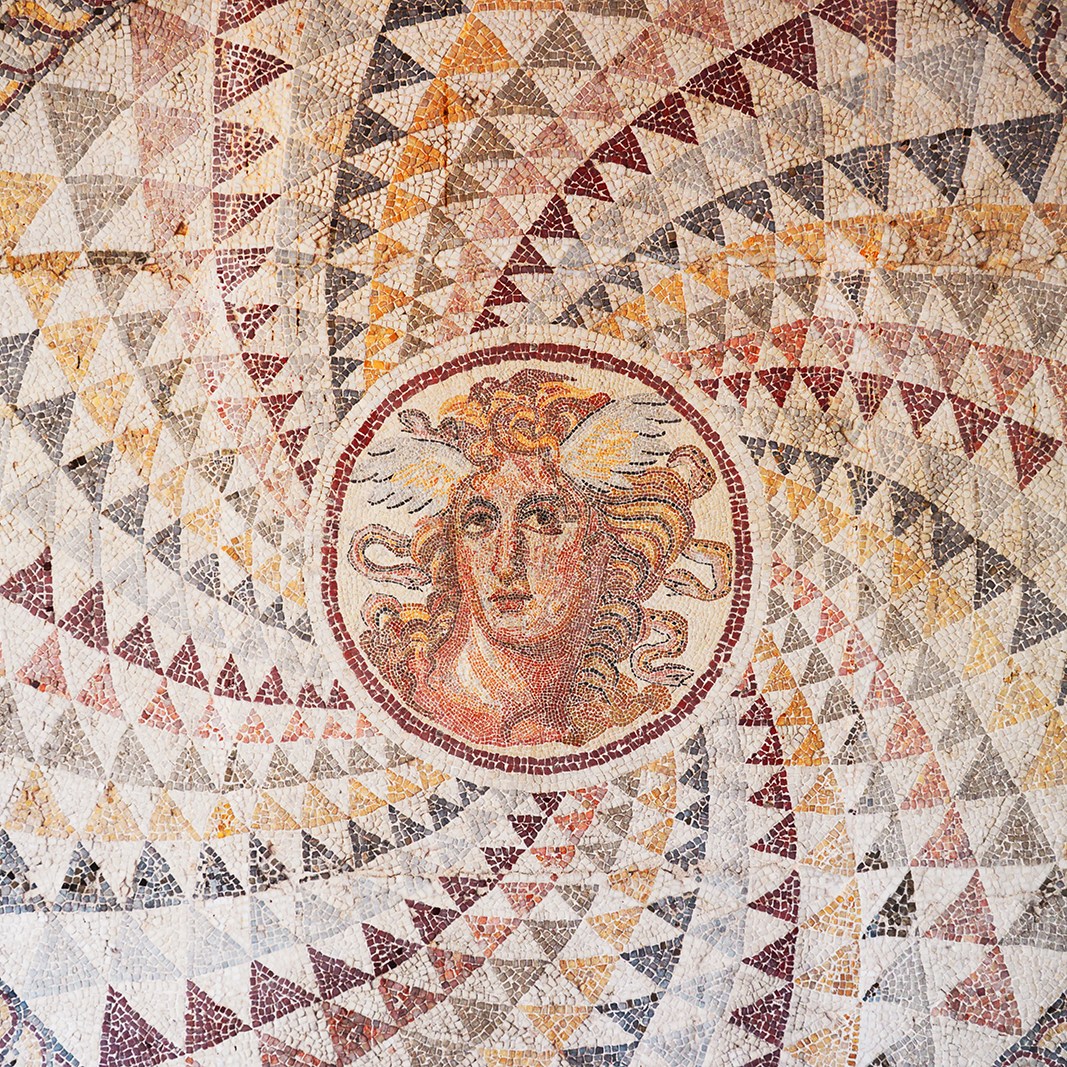
- Just up the road are the ruins of the ancient city of Corinth, which fans of architecture will associate with Corinthian capitals and fans of the New Testament will associate with the epistles of the early-Christian evangelist Paul, who, according to tradition, admonished the locals from a bema (elevated stone rostrum) that’s marked among the crumbling structures. The site museum showcases a wealth of sculpture, mosaics and other artifacts. Watching over the lower city is the citadel of Acrocorinth (upper Corinth), the steep ascent to which – most by car, but much by foot – is rewarded with impressive architecture and views indeed worthy of the nickname “Pantepóptis Peloponnísou,” or “All-Seeing of the Peloponnese.”
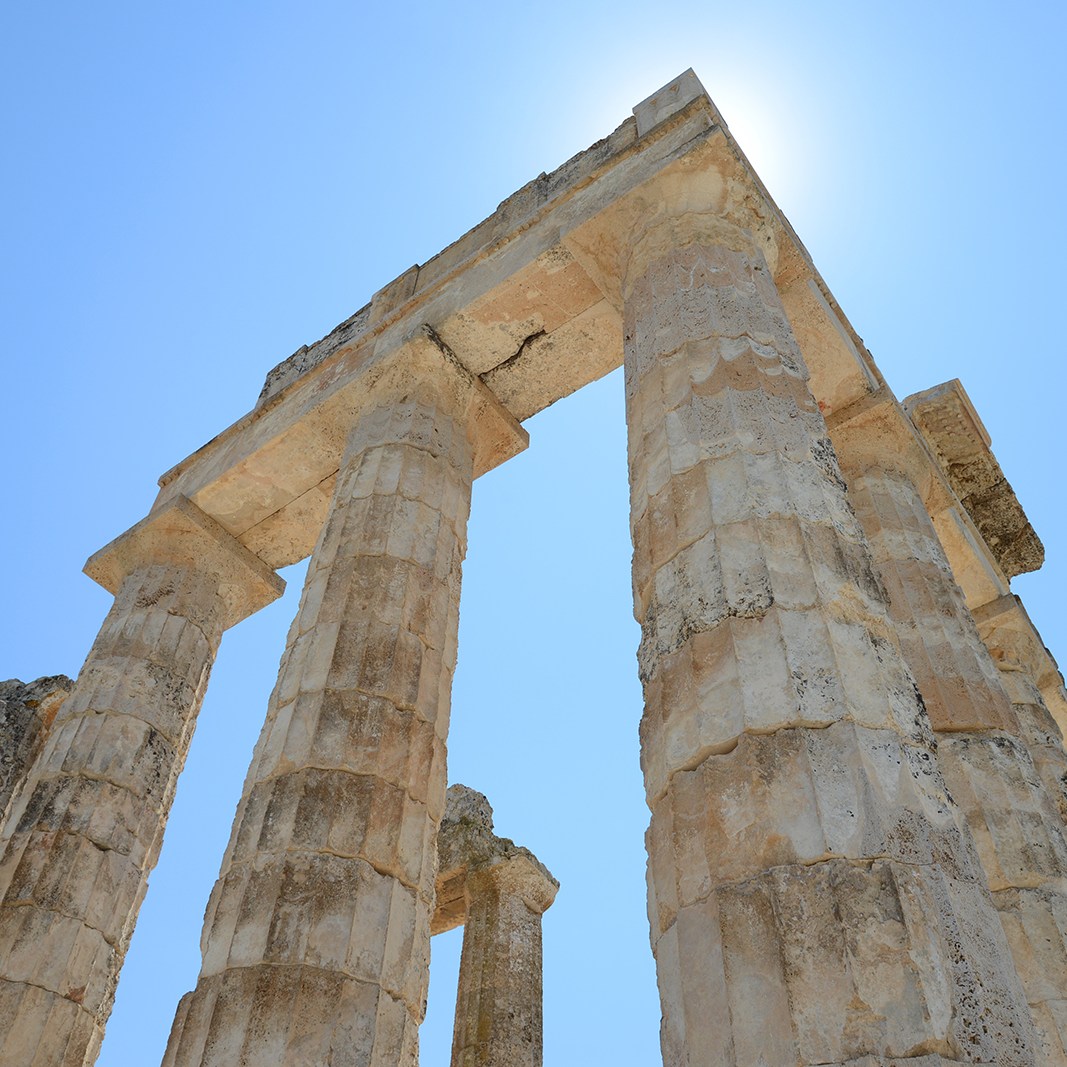
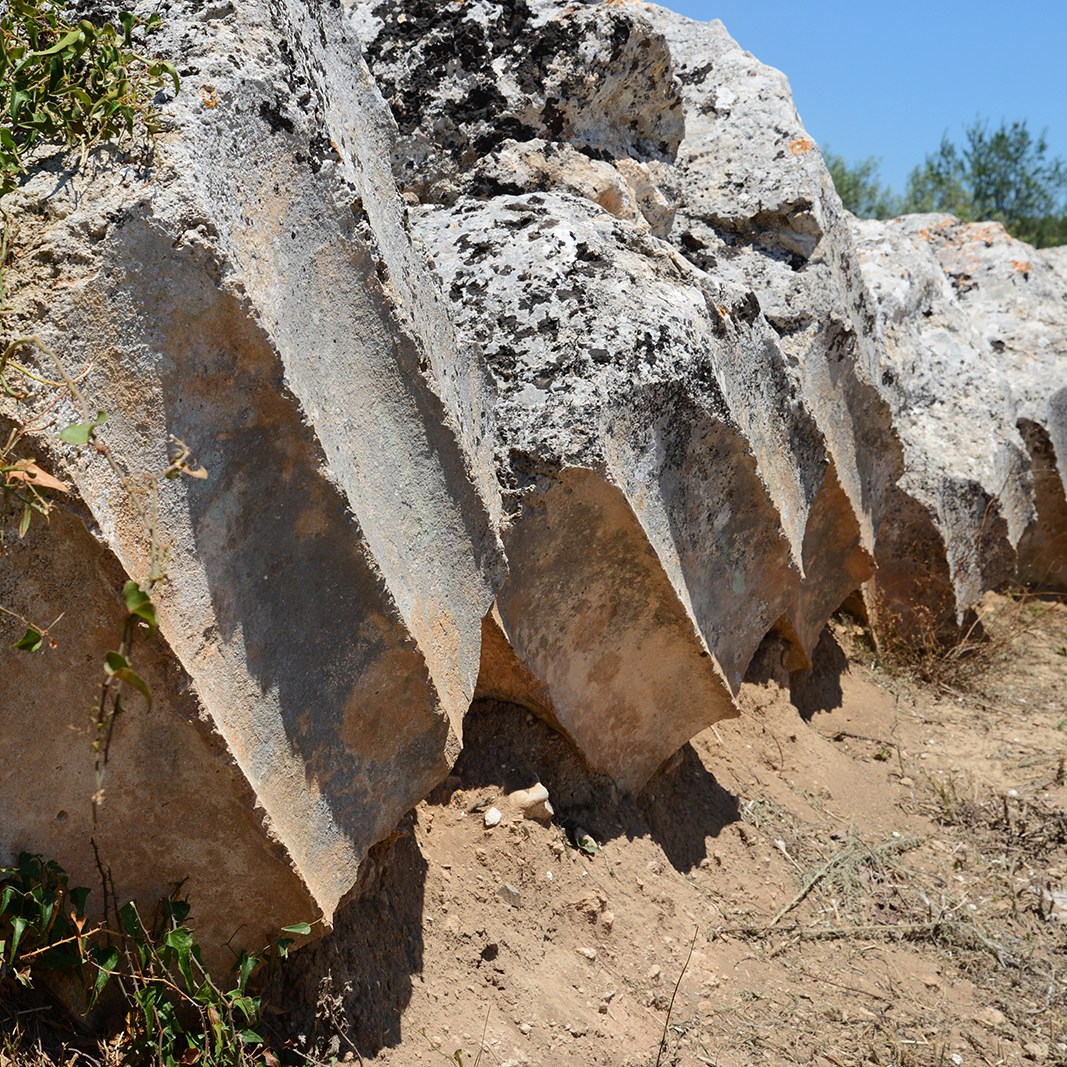
- Half an hour to the southwest is Nemea, a place enshrined in myth as the home of the Nemean Lion which ended up on the losing end of Hercules’ First Labor. The archaeological site here features several Doric columns of a temple to Zeus (some of which have stood intact since their construction in 330 BCE, while most from this and other structures lie strewn where they’ve fallen, their fluted drums propped on each other like toppled dominos), a stadion (stadium) and its adjoining apodyterium (public bath), as well as a small yet attentively curated museum.
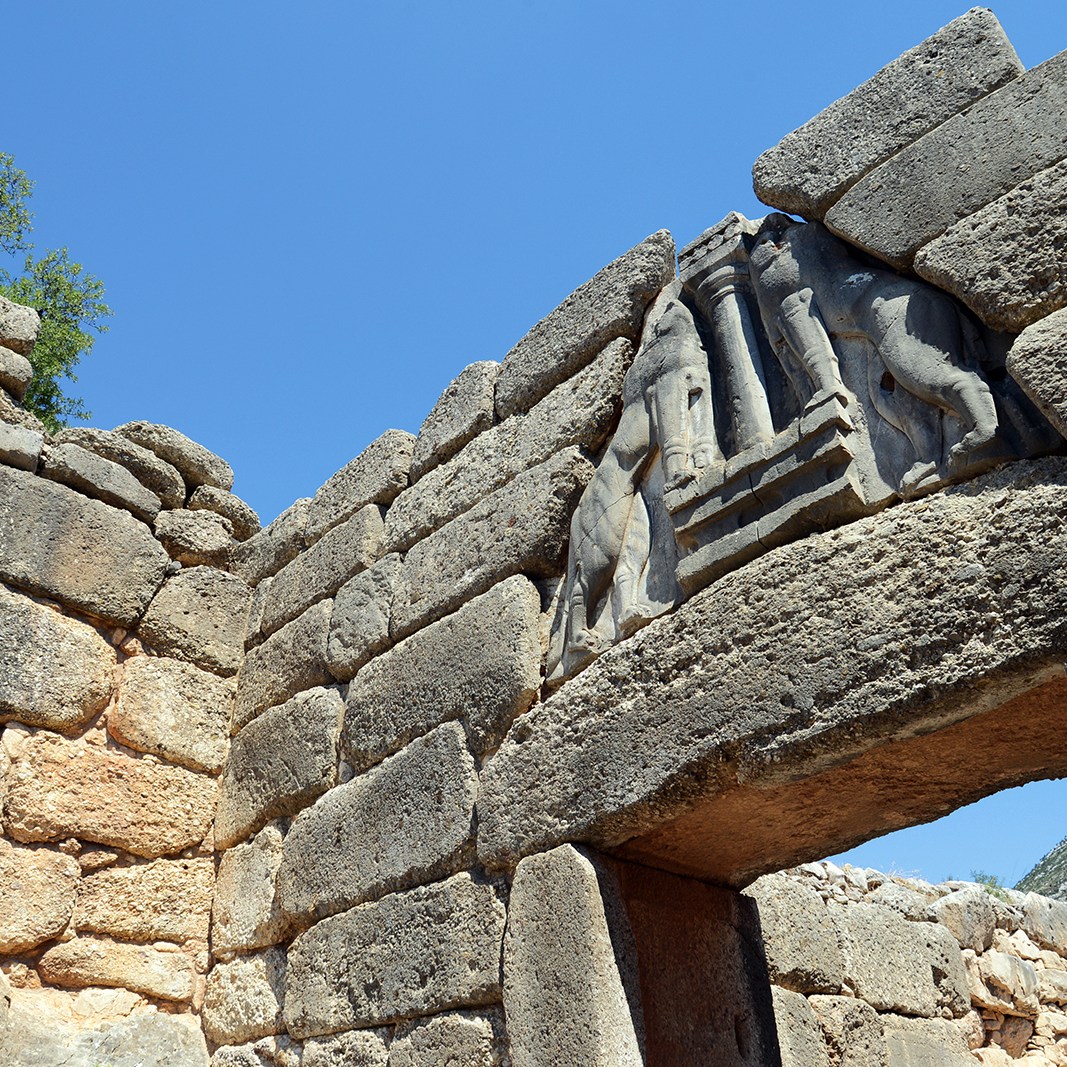
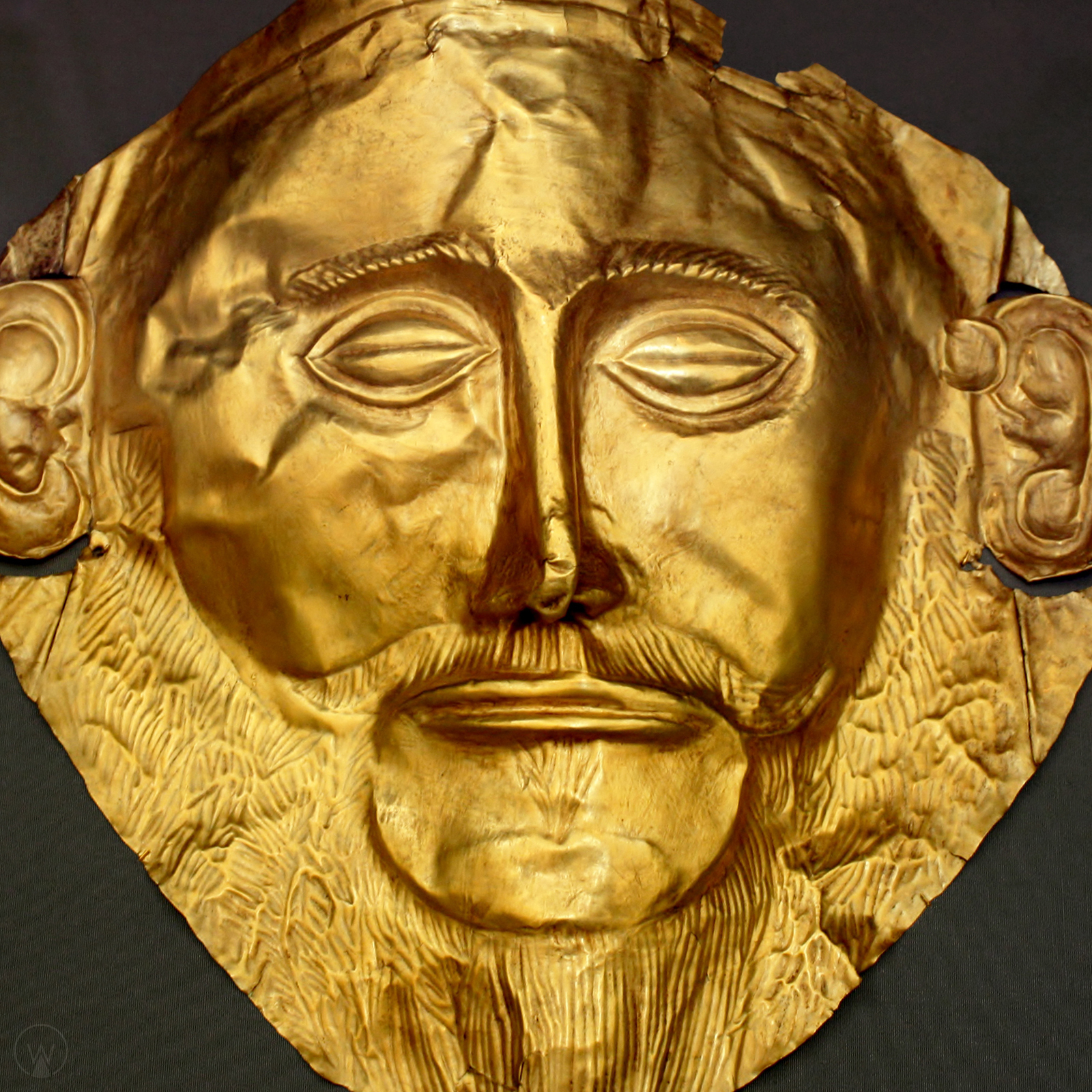
- When you turn south and explain the next stop to your fellow travelers, expect responses such as, “Wait…that Agamemnon?!” Yes, that Agamemnon: King of Mycenae, Iliad villain, and wearer of the golden death mask buried deep in your memory from a history textbook (and displayed today in the Athens Archaeological Museum). What remains today of Mycenae is not vast, but even a brief visit is quick to conjure visions of ancient grandeur, the tone for which is set so aptly by the regal Lion Gate.
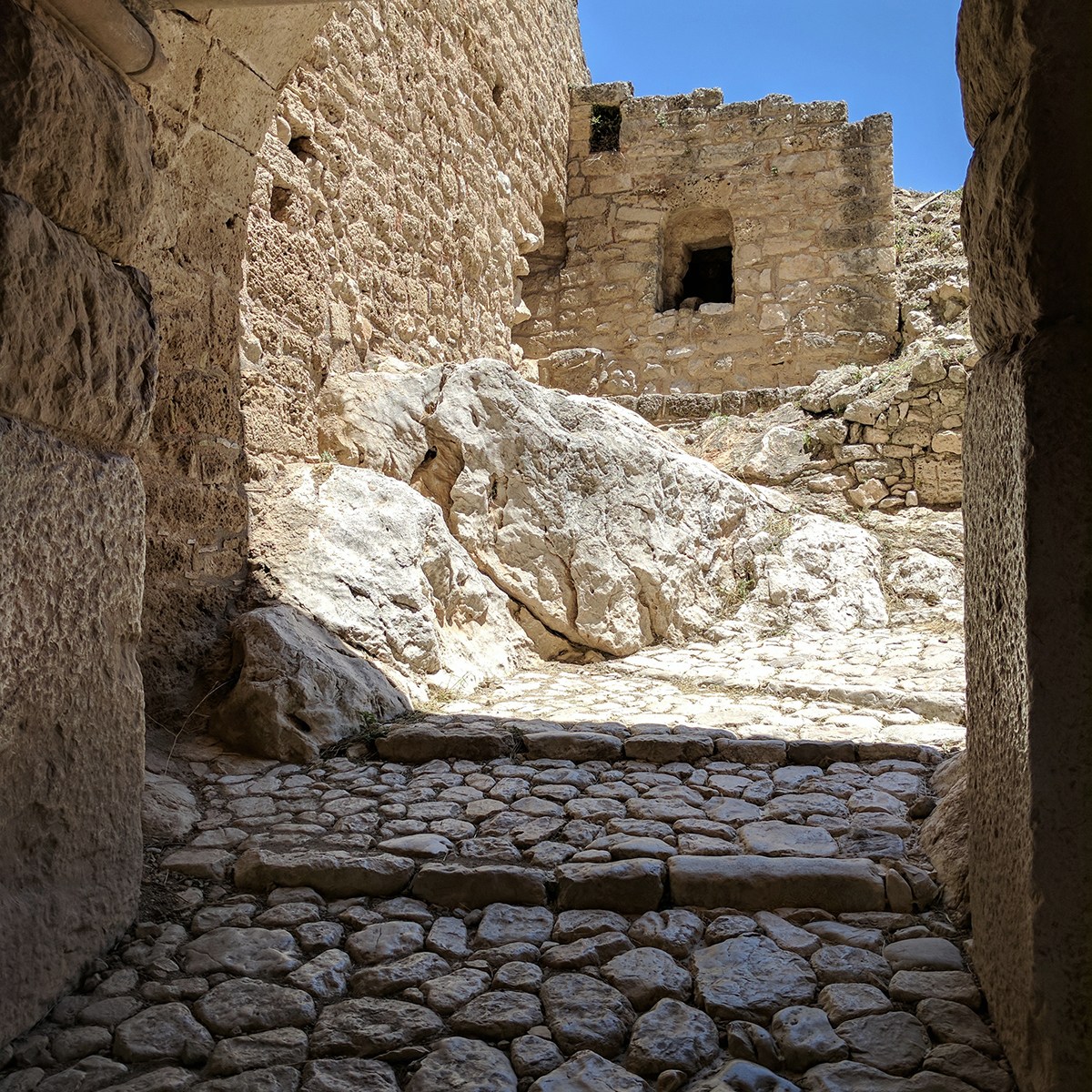
- The hilltop fortress of Tiryns is best known in mythology as Hercules’ base camp for his Twelve Labors. Its architectural significance owes primarily to the hidden tunnels within its walls, where besieged inhabitants sheltered while accessing a large underground cistern, and the massive “Cyclopean” stones held together without mortar and thus named because their size led to a belief that only the Cyclopes could have placed them.
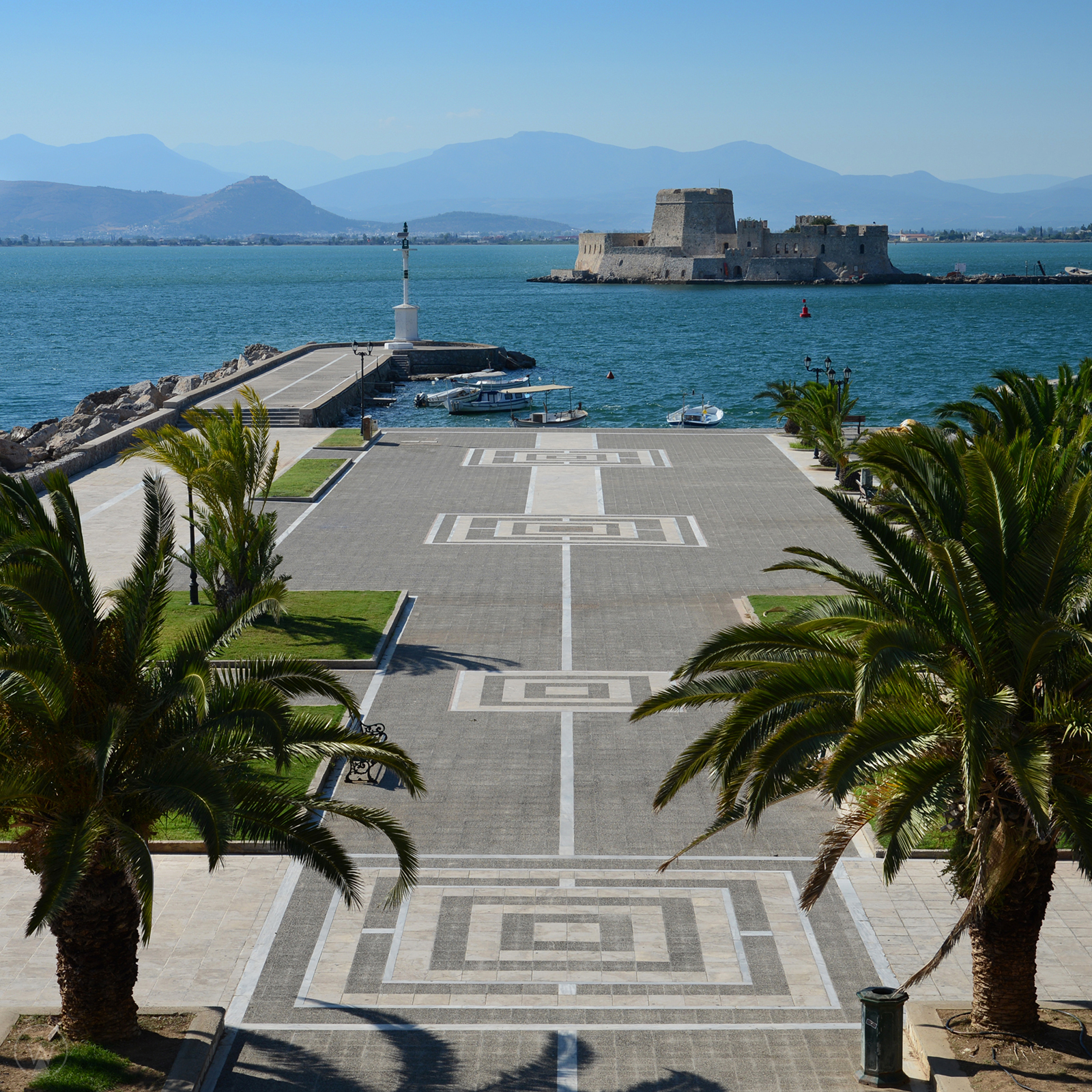
- The southernmost point of our drive is Nafplion, a “locals only” resort destination and reputedly the most charming town in the Peloponnese. Nafplion retains a certain regal pride from its brief stint as the country’s first capital after Greece broke from the Ottoman Empire two centuries ago, yet one soon learns that this pride is gently subordinated to warm hospitality. Nowhere is the cozy vibe more evident than along the main pedestrian road, Vasileos Konstantinou, on which you can stroll — each step under the secure gaze of Akronafplia Fortress — through the heart of the old town, from Kolokotronis Park all the way (with a slight detour at the Archaeological Museum) to the lighthouse, where you’ll have excellent views of the harbor and its three castles, which are illuminated at night. After even a few hours here, you may find yourself willing to trade a week in the new capital for a day in the old one.
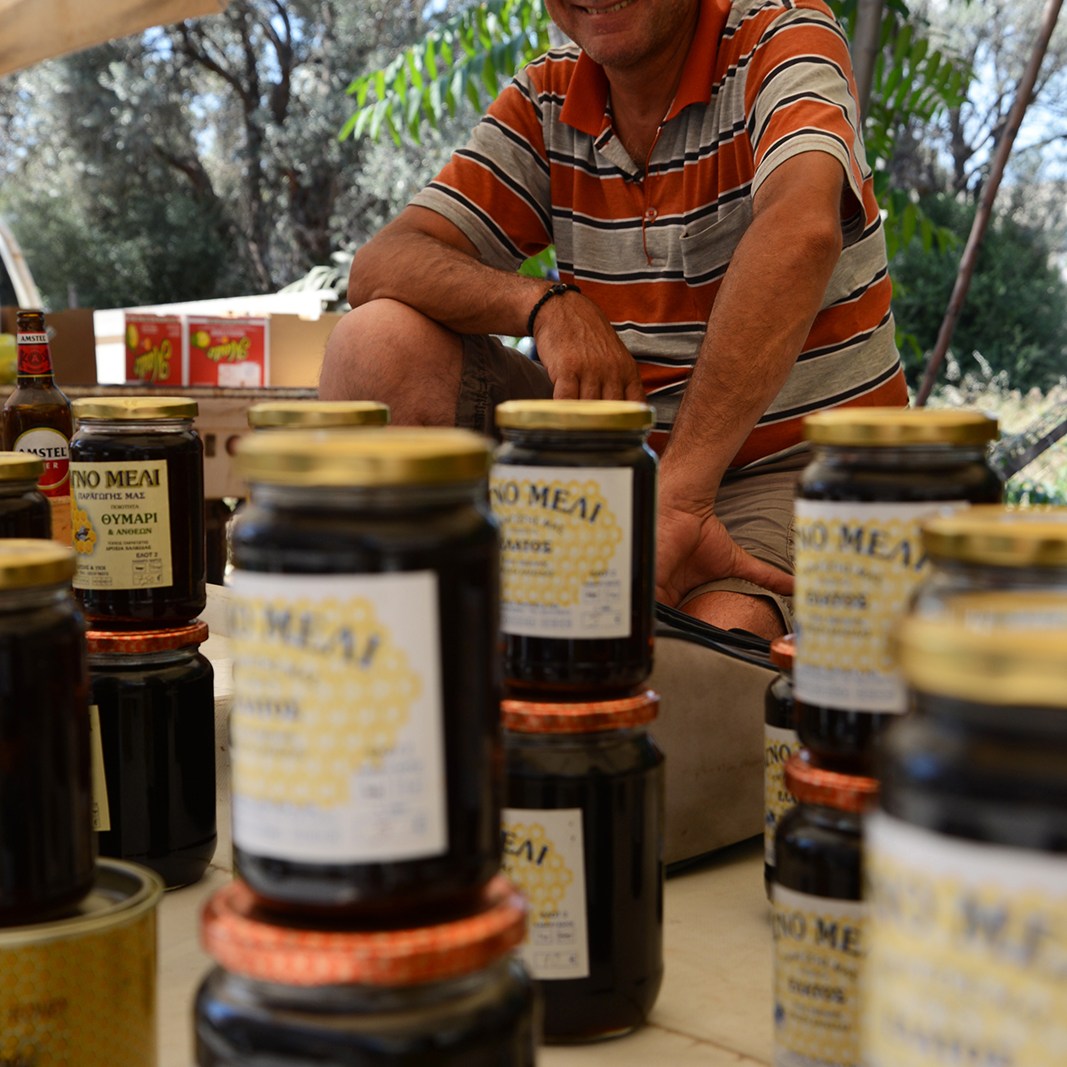
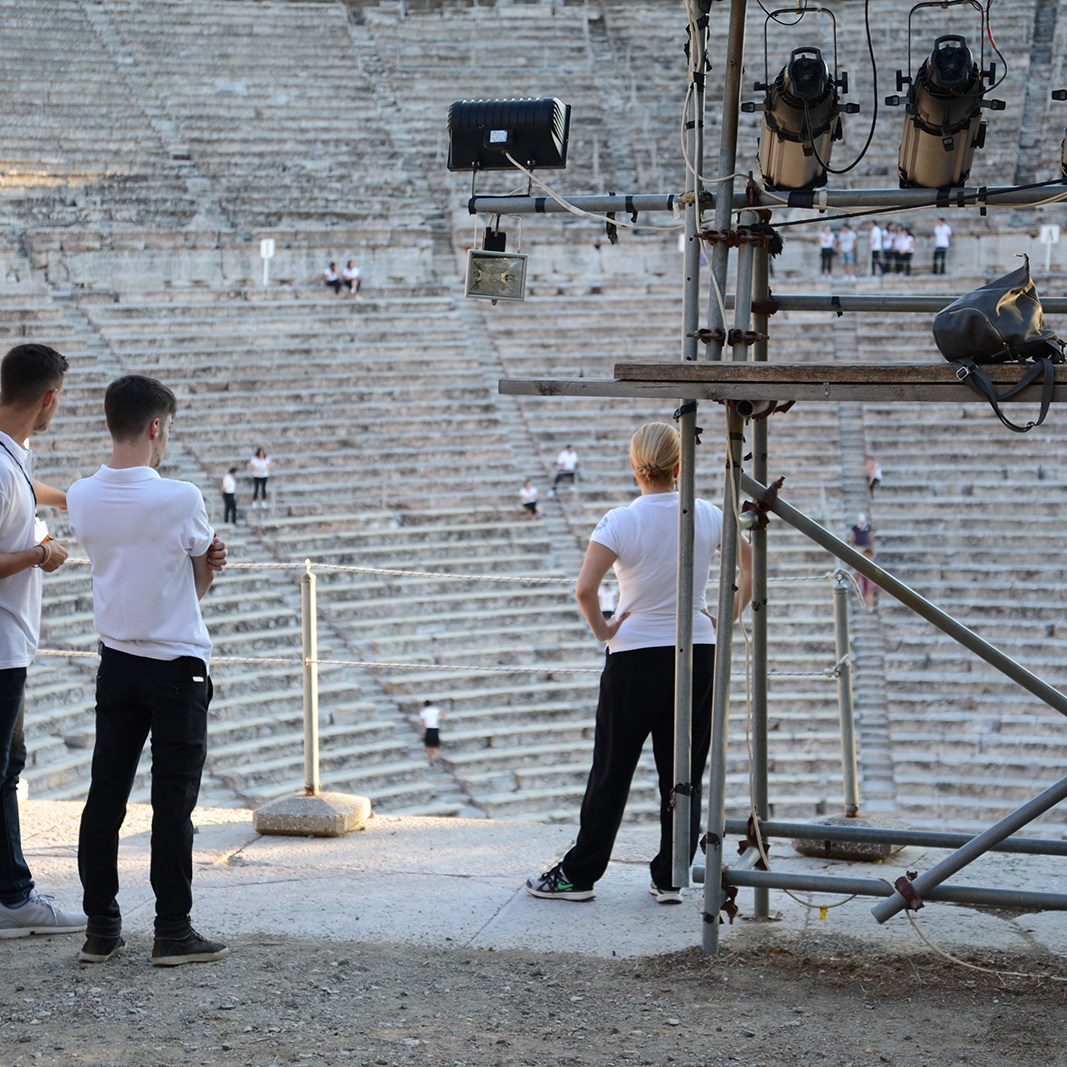
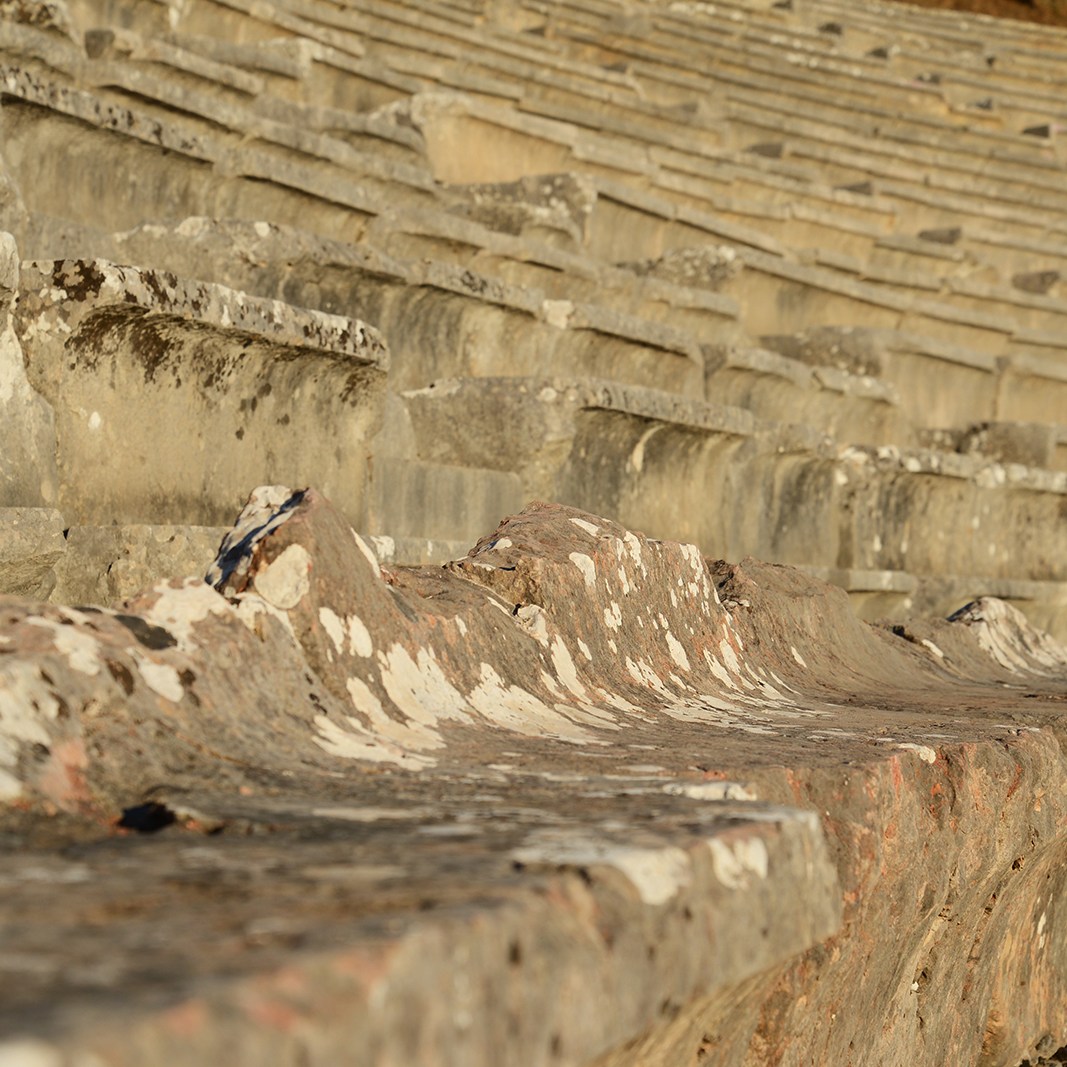
- Heading east on National Road 70 toward our last stop, consider pulling over in Lygourio for diples (Peloponnesian treats of fried dough drizzled with honey) and anything drenched in local olive oil, then continue to Epidaurus to see one of antiquity’s largest and best-preserved amphitheaters. The aesthetics and acoustics of this UNESCO World Heritage site are considered to be as close to perfection as any ancient theater was able to attain. Pace your day to accommodate the theater’s 18:30 closing time, after which only those attending a play may enter. We considered staying for Medea on the evening of our visit, but, in a shameful capitulation that would have dismayed my AP Literature teacher, Mrs. Nelson, dinner and a good night’s rest in preparation for our early-morning ferry to the Cyclades won out over an evening of Euripides in Greek. And so, donning our backpacks and Birks, we shuffled sheepishly past queues of the glammed-up great-grandkids of Gaia who, in tailored suits and flowing gowns that appeared to have come from a closet on Mount Olympus, awaited a group date with their venerable heritage.
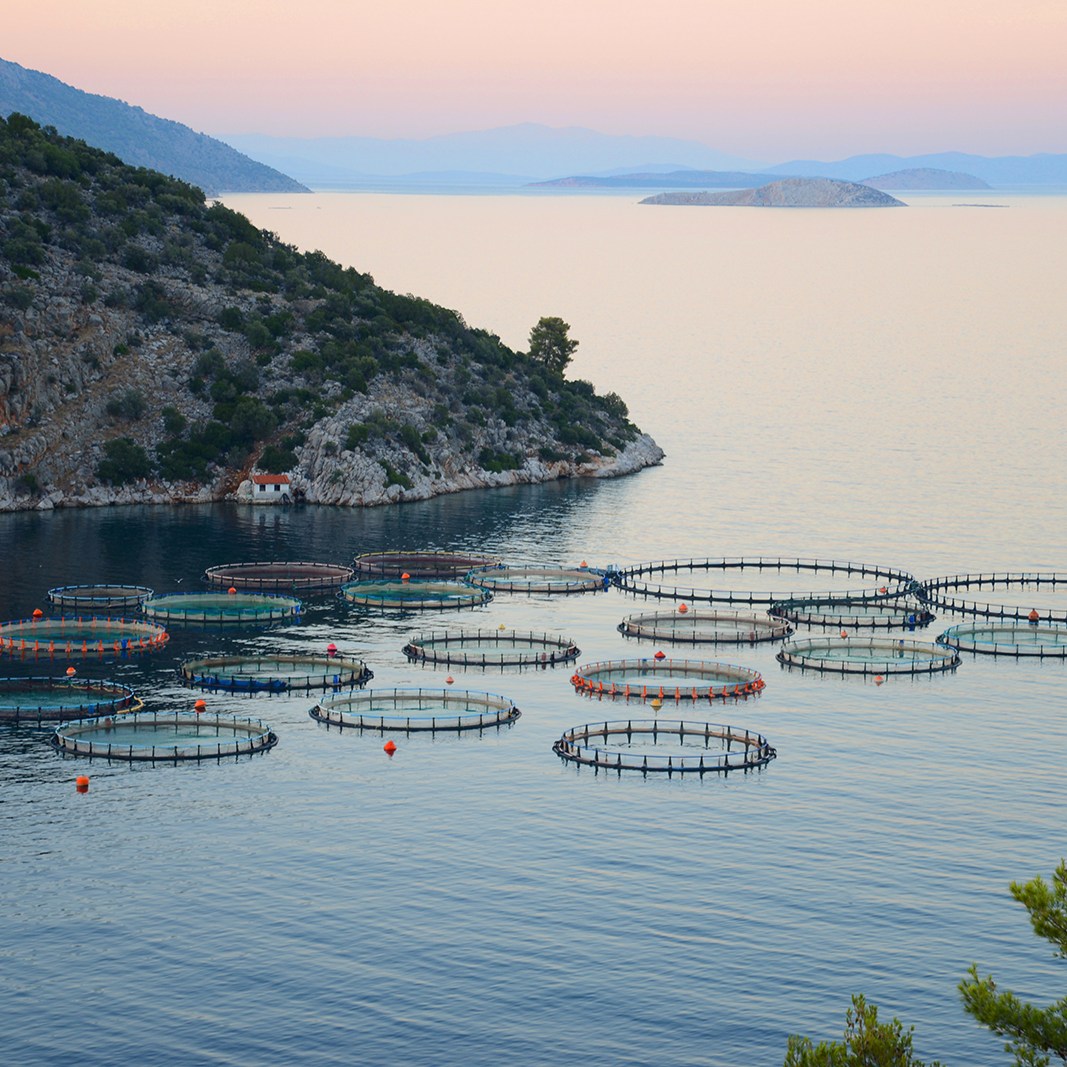
Depending on the season of your visit, there will probably be enough sunlight on your drive back north and then east for you to take in continuous views of the Saronic and Megara Gulfs out your right window and maybe even over dinner from a beachside terrace in Pefkali or Kinetta. When you finally pull back into Athens, having left unspoiled Peloppnonese behind, don’t be surprised if you’re met with an early onset of vague nostalgia.
QUESTIONS FOR READERS
- Can you recommend a beach close to Athens for those wishing to get a break from the city?
- What’s your favorite “rural escape” within an hour of a major city?
- Was Medea justified?
 WANDERLOOSED