











Note: This is the third in a series on five Baltic-region capitals, which begins here with Vilnius.
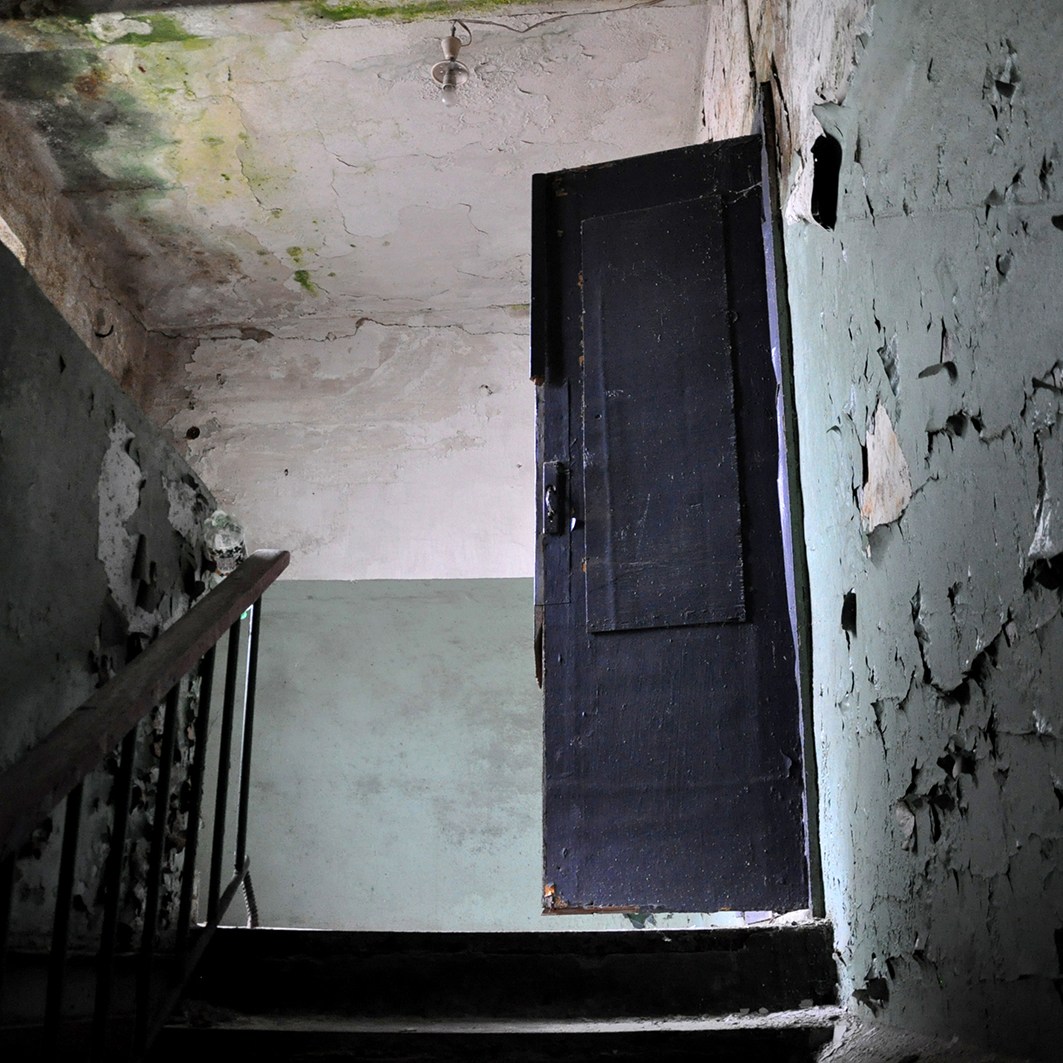
In the dank basement of Patarei Prison is a room so ghastly that its heavy steel door was the only one I found to be locked among hundreds of portals leading to other grim bewilderments. The guards reportedly had grown so tired of cleaning the pockmark-riddled walls of this particular room, one of the prison’s two execution chambers, that it was eventually painted deep red and haphazardly touched up thereafter.
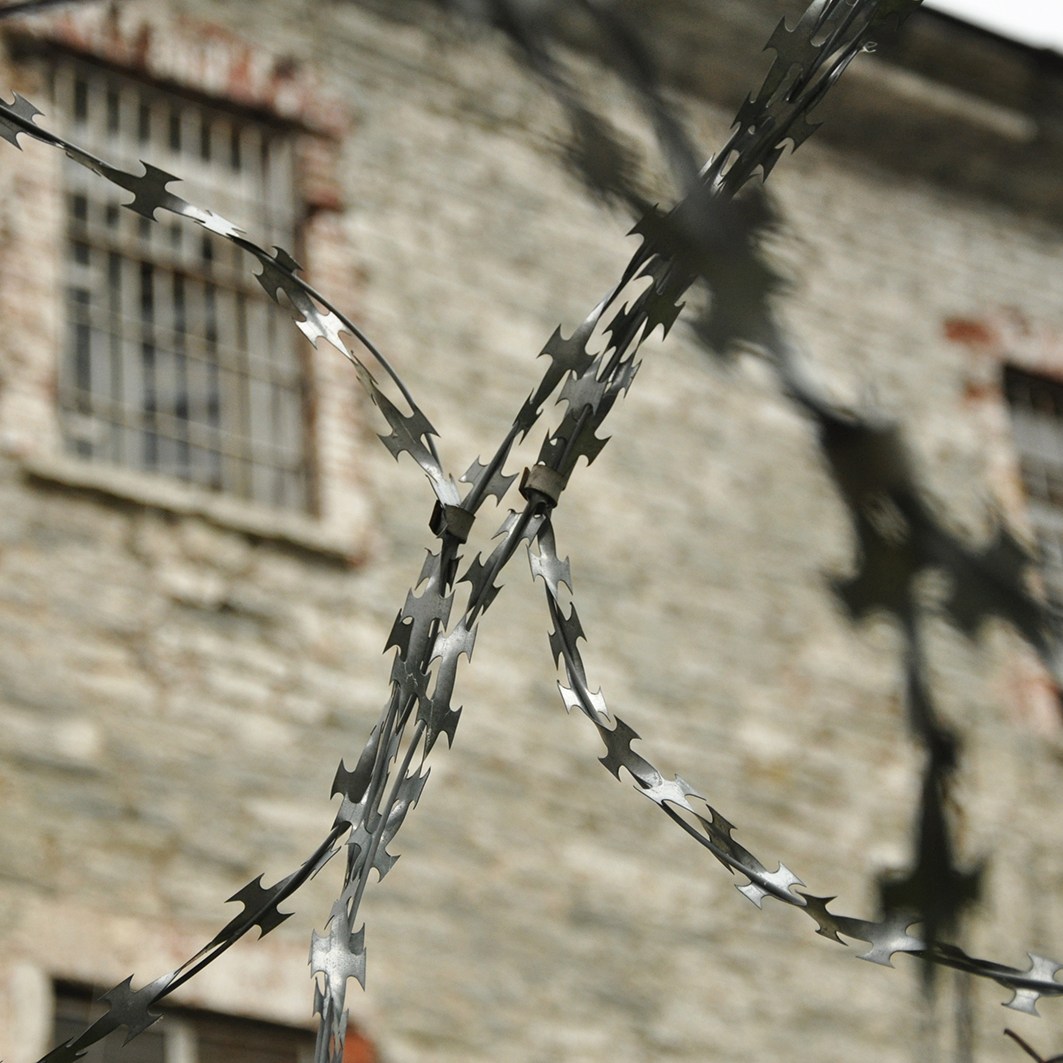
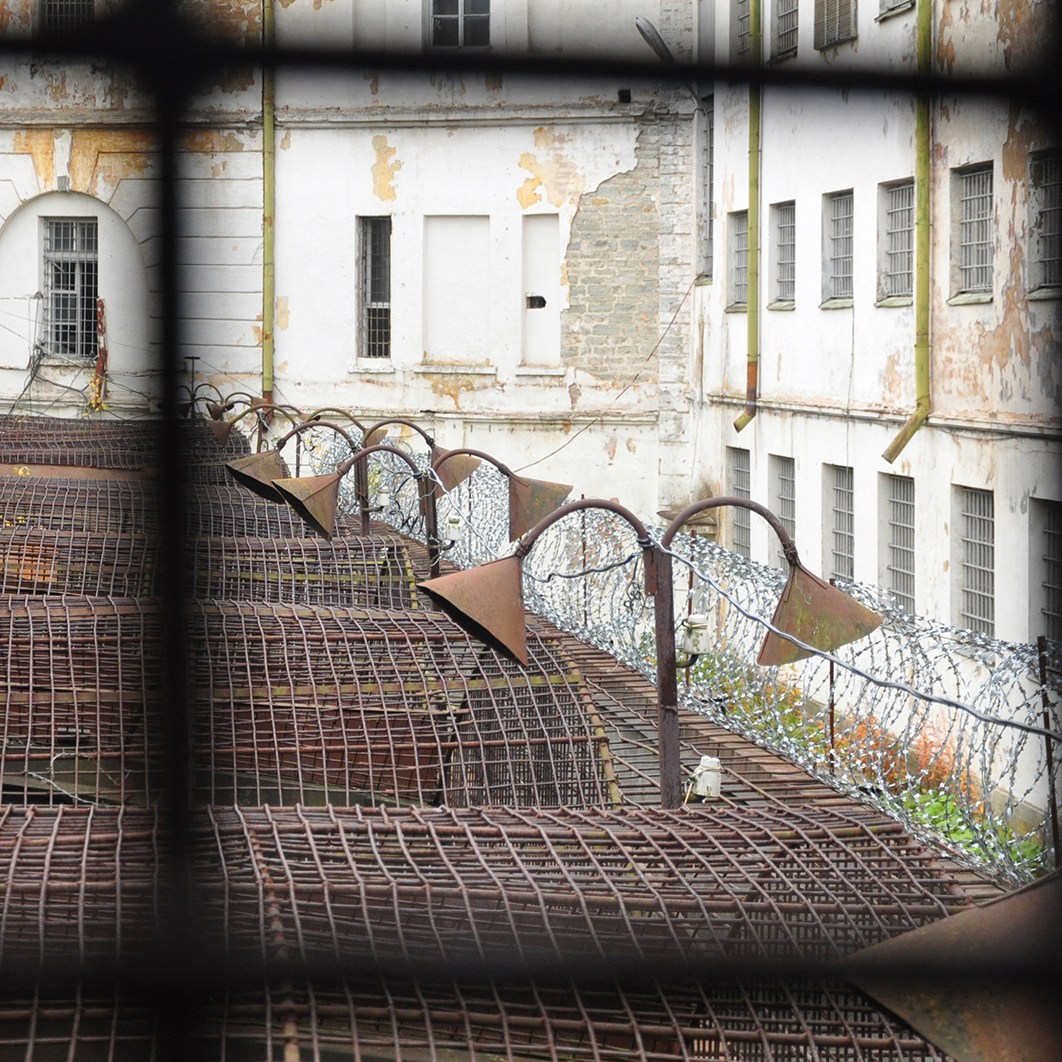
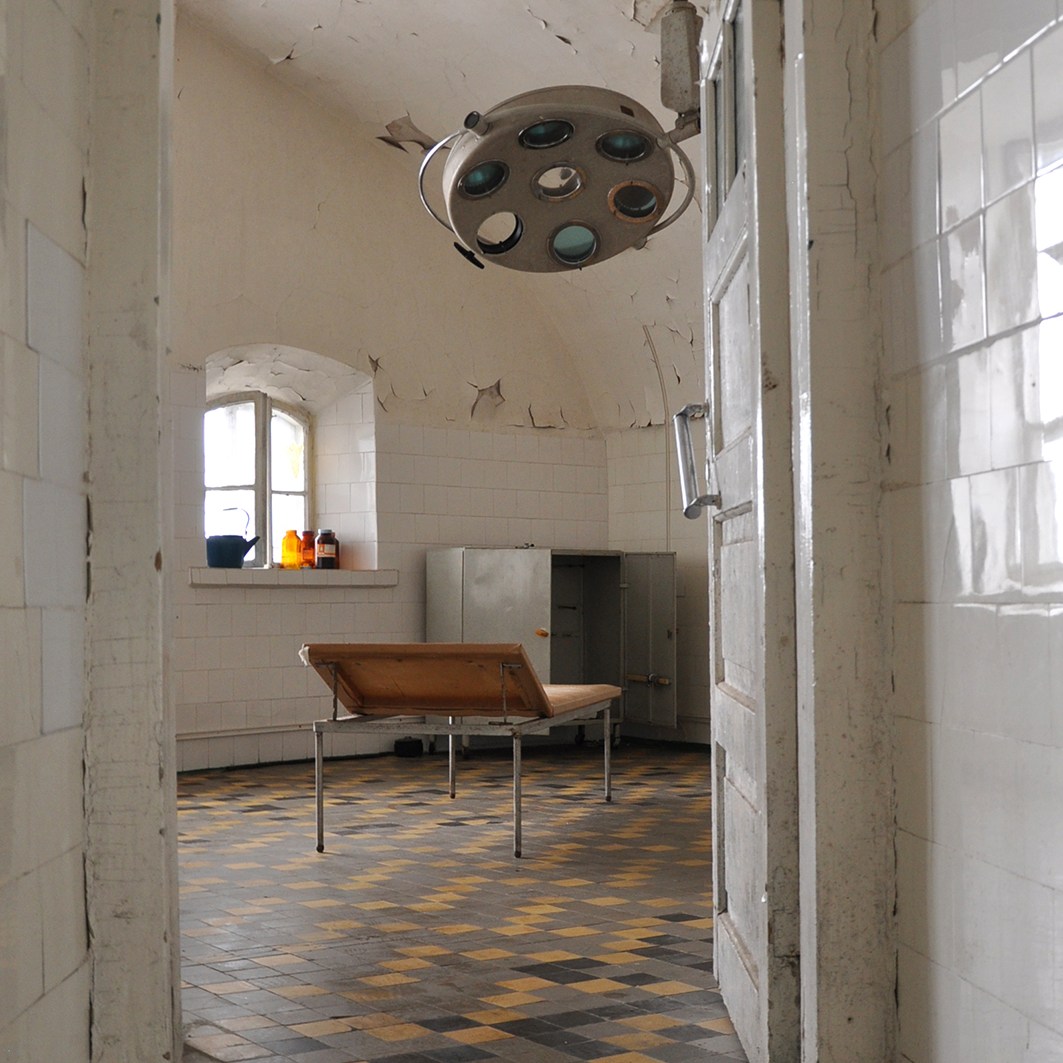
Built as a sea fortress in the early 19th century directly on the shore of Tallinn Bay, Patarei (meaning “battery”) has subsequently served purposes that varied depending on which regime was in charge of oppression at the time: from staging grounds for mass expulsions to the NKVD’s Siberian Gulag and the Nazis’ concentration camps, to a KGB prison. It was built for 1,200 occupants yet at its peak there were 4,200 detainees held in conditions so wretched that, the story goes, they would injure themselves in order to “vacation” in a horrific medical suite that exists only here and in Stephen King’s imagination. Patarei’s last use, before closing in the early 2000s, was as a hospice where AIDS and tuberculosis patients went to die.
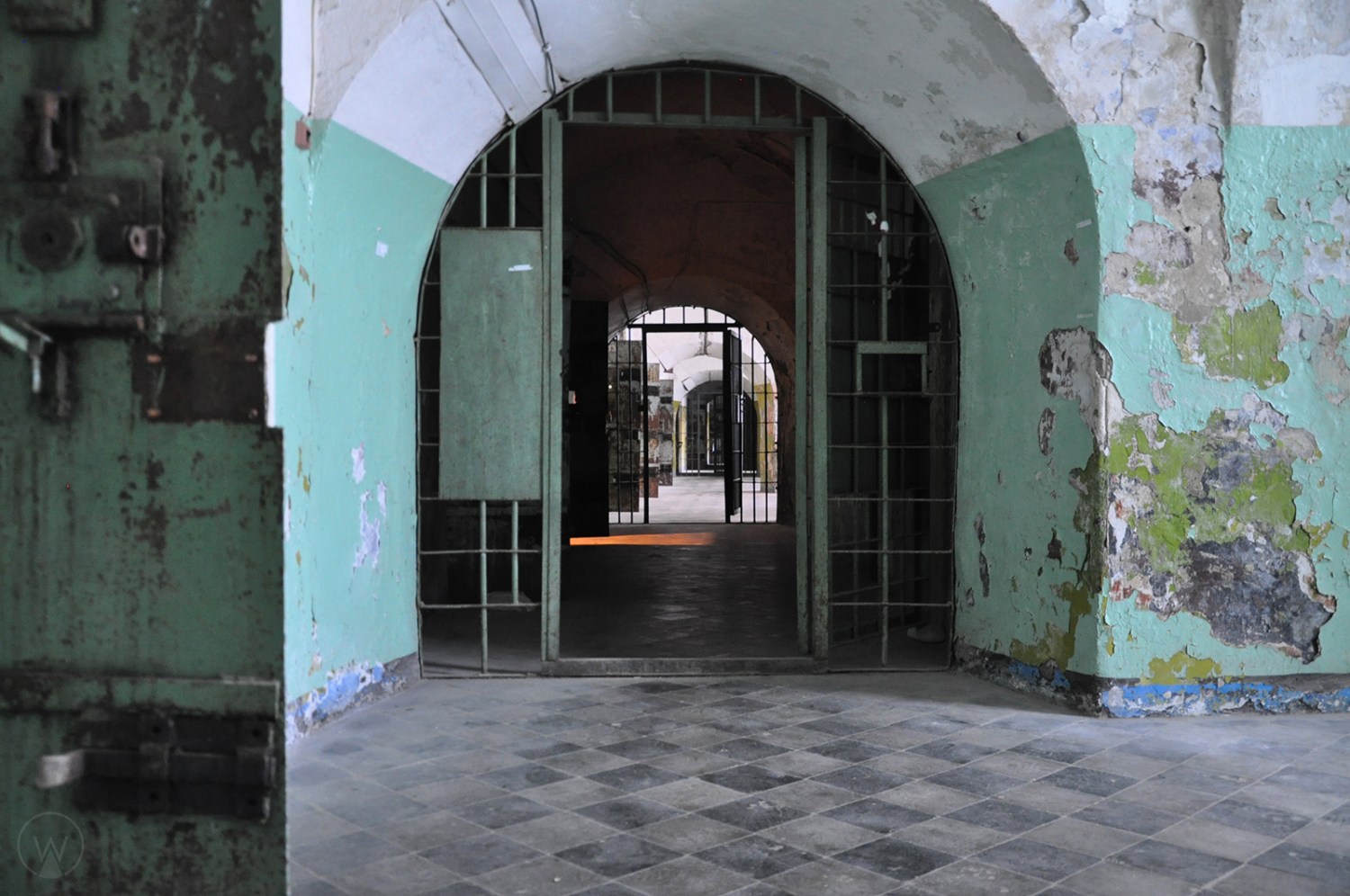
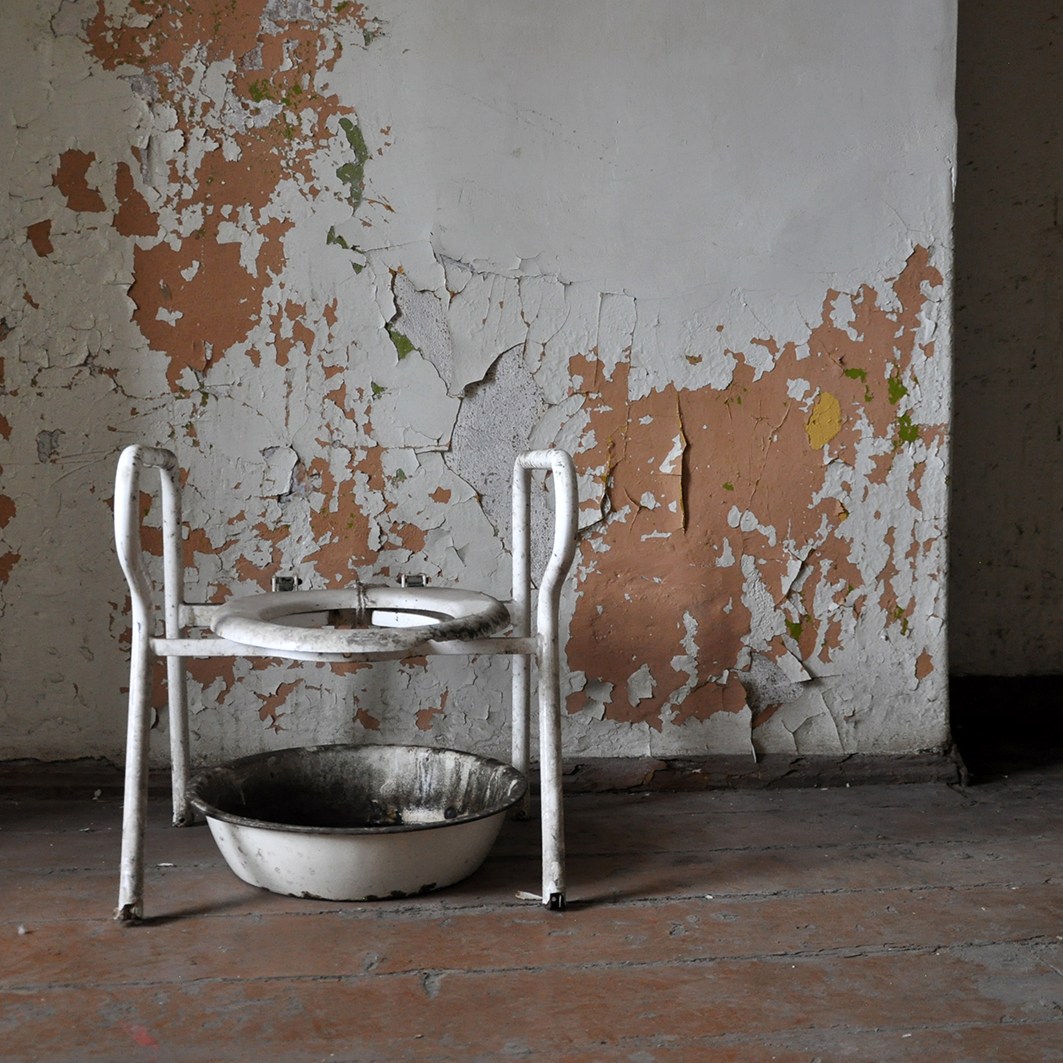
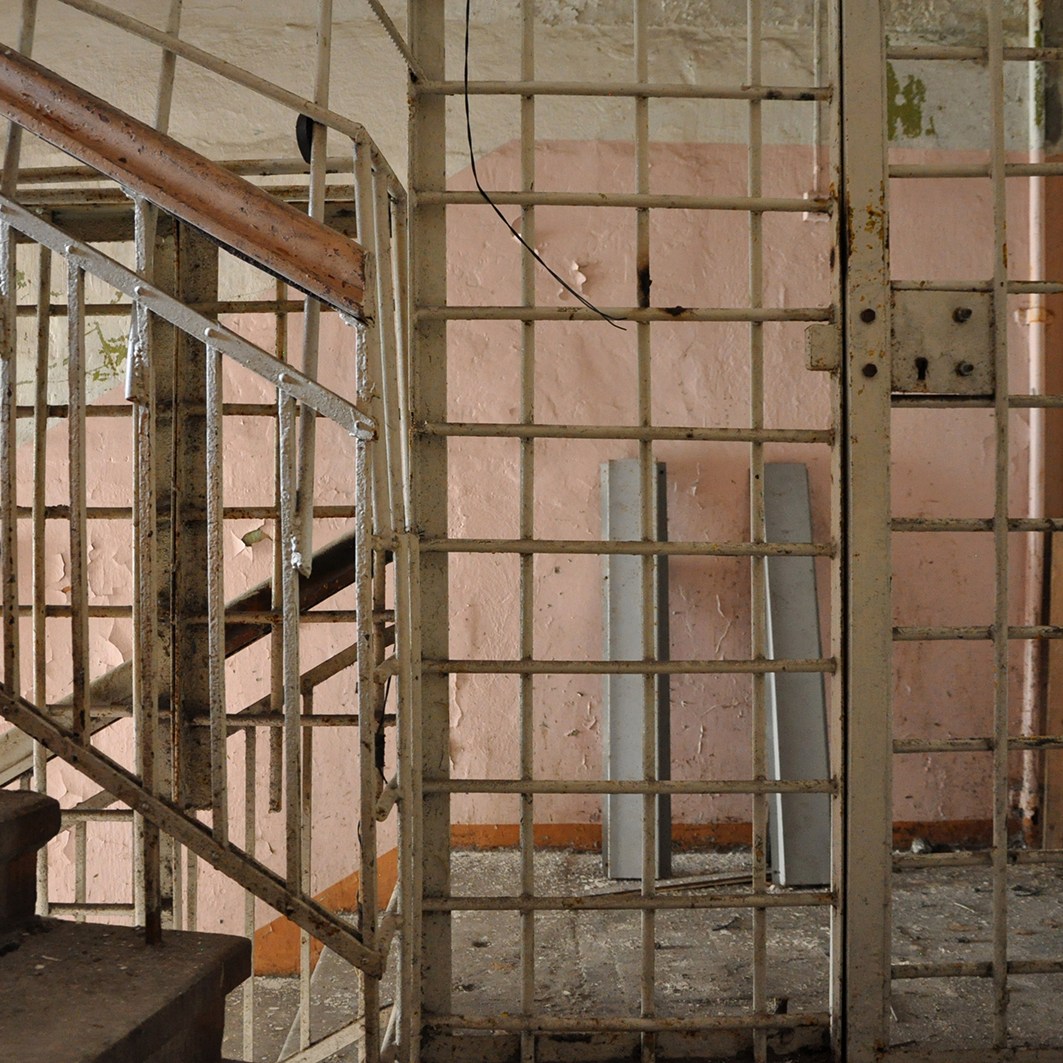
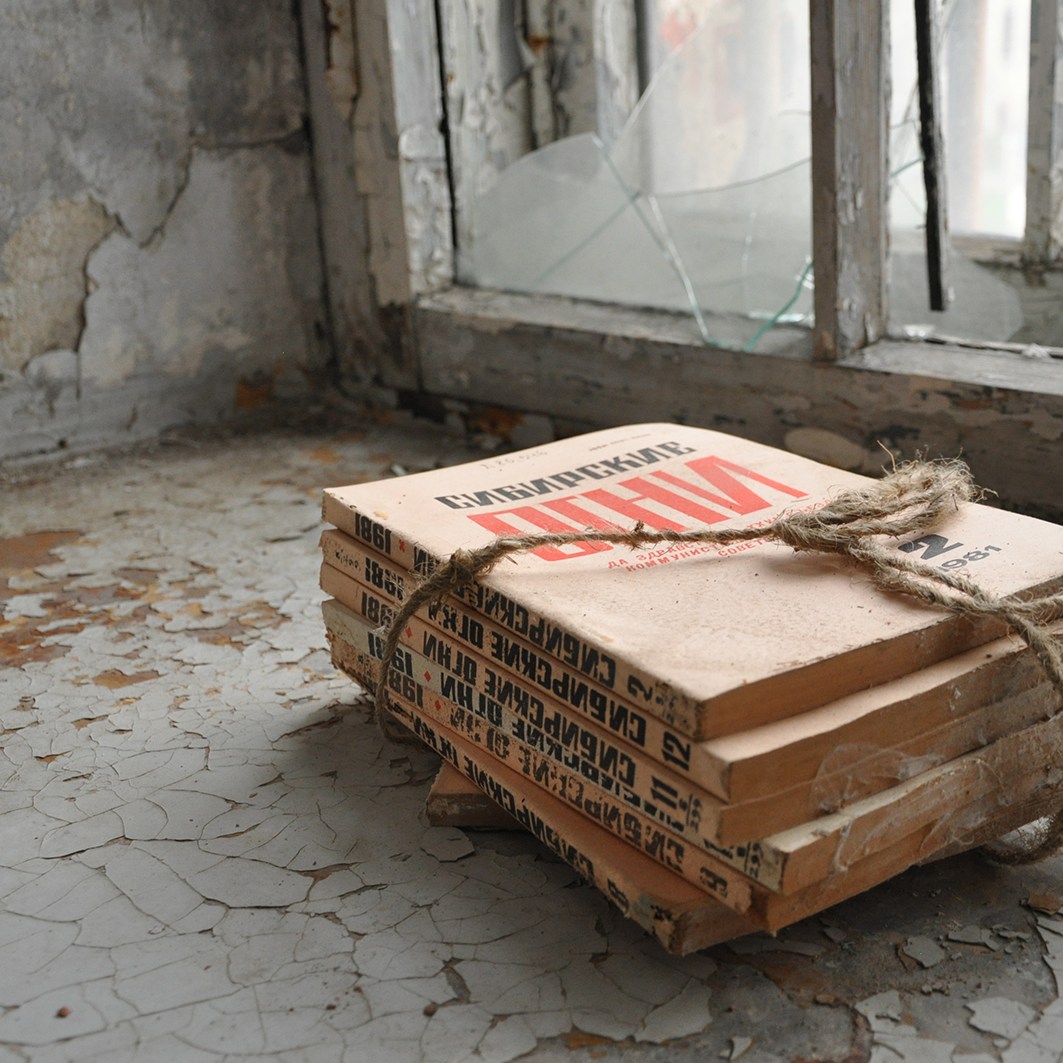
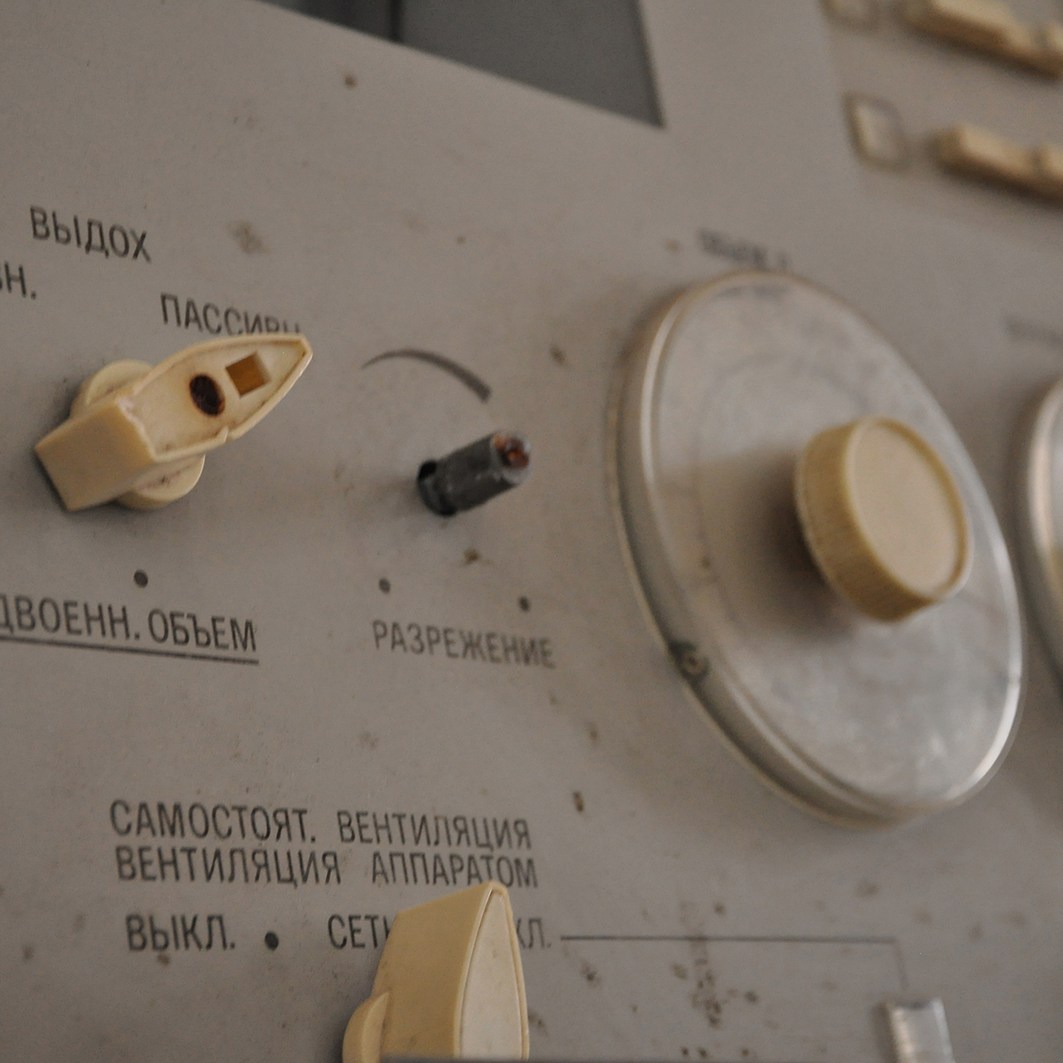
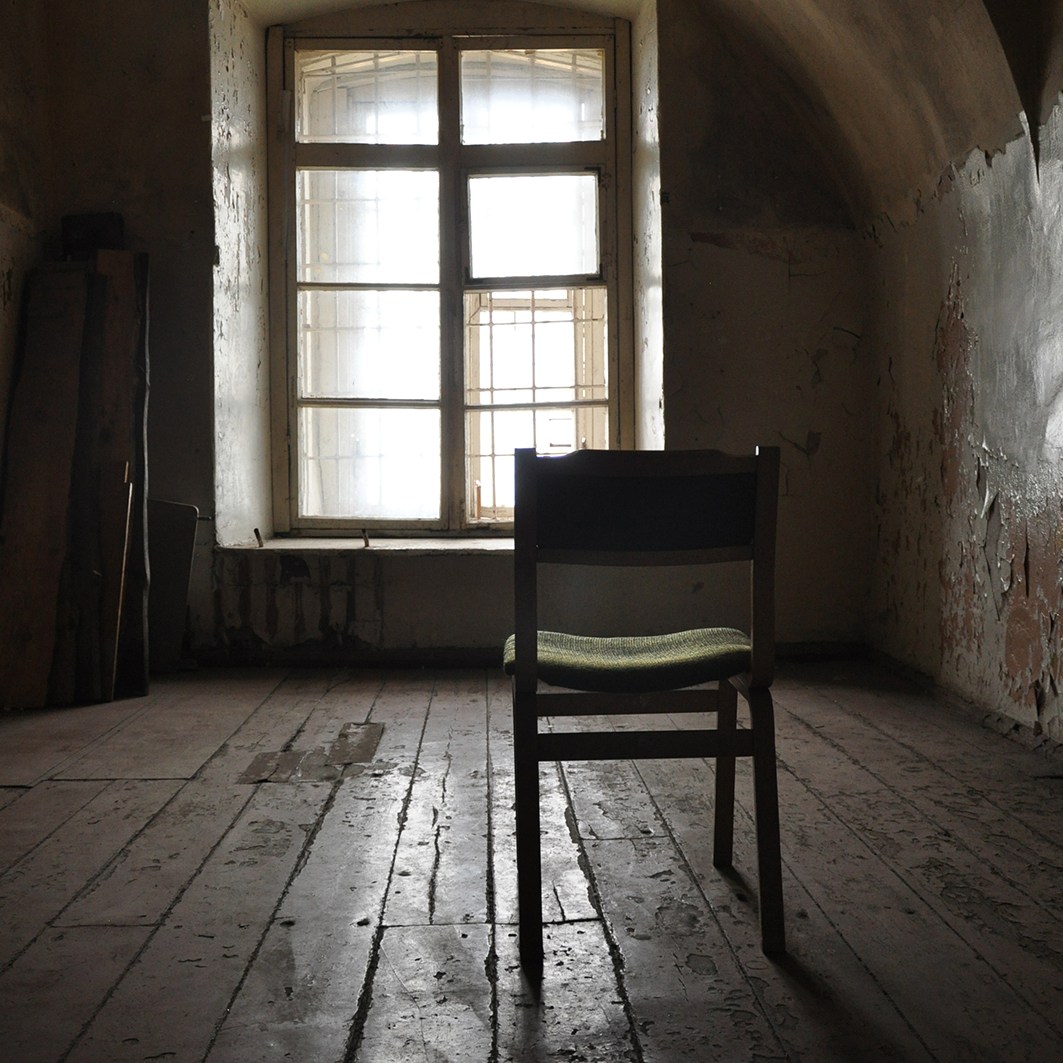
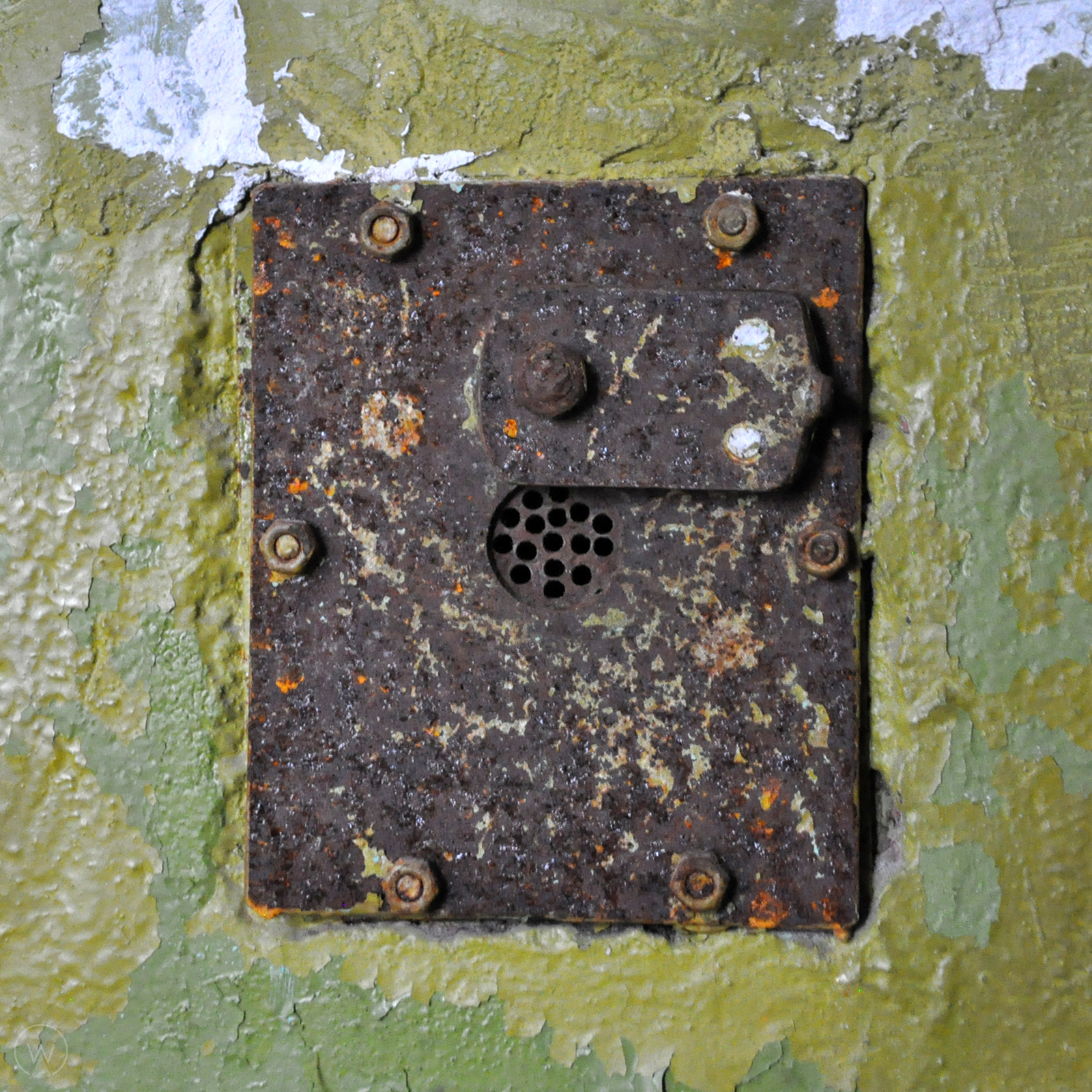
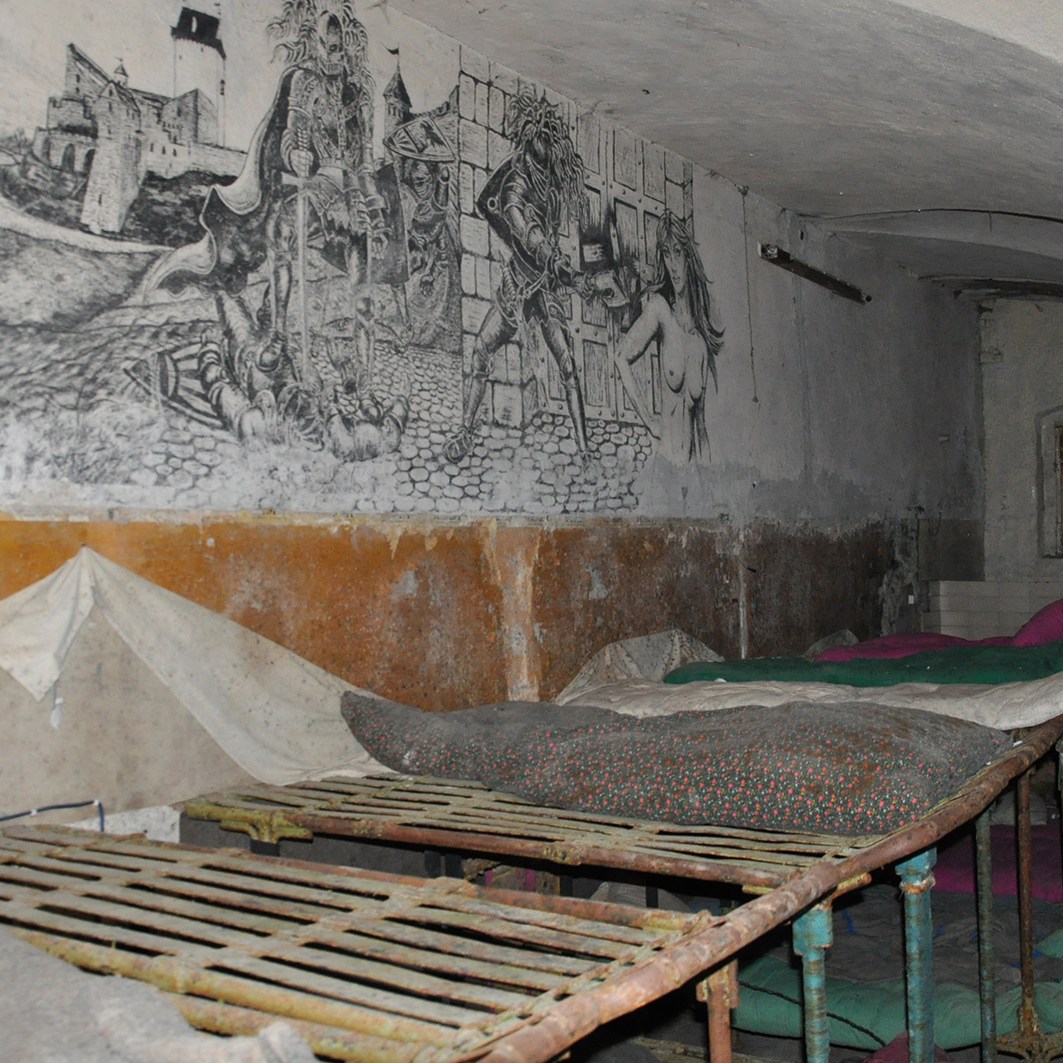
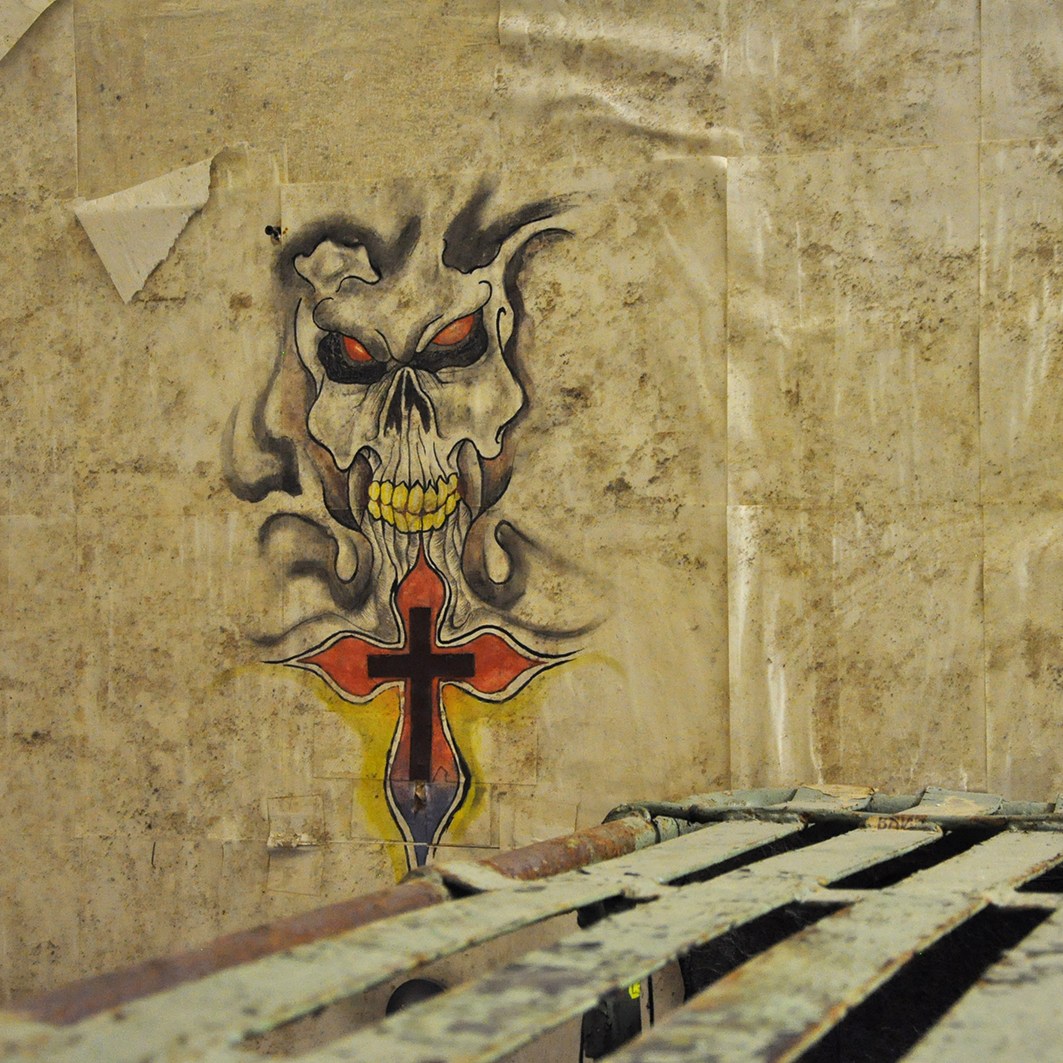
It’s said that most Estonians know or knew someone who was sent to Patarei, one of the country’s most notorious symbols of Nazi and Soviet terror. I ventured into this dreadful place solo, and it made as grim an impression as anywhere else I’ve been. At the time of my visit, the compound stood essentially as it had been left, with no museumizing retrofits, no stanchions or partitions directing traffic or impeding free exploration. No guards, no docents, no maintenance staff. The library shelves held dusty books, and there was a typewriter with Cyrillic characters on a debris-caked desk. Soviet-era devices held up cobwebs in the medical rooms, where encrusted vials rested, some upright, some capsized, in cabinets and on window ledges. A P.A. console in an administrative office bore, with unintended irony, the brand label “The Dominator.” In cellrooms throughout the property, moldy bedding was strewn across rusty frames (those in the basement being considerably moldier and rustier than their upstairs counterparts), and the occasional chamber pot held a composty residue.
The basement… The basement, dug below the level of the frigid Baltic Sea just a few dozen meters away, had only a few windows that I remember, and no lighting. I had to use my phone light and camera flash to see my way around. Here, in one of the darkest – literally and figuratively – structures I’ve ever entered, cell after fetid cell told stories of suffocating hopelessness.
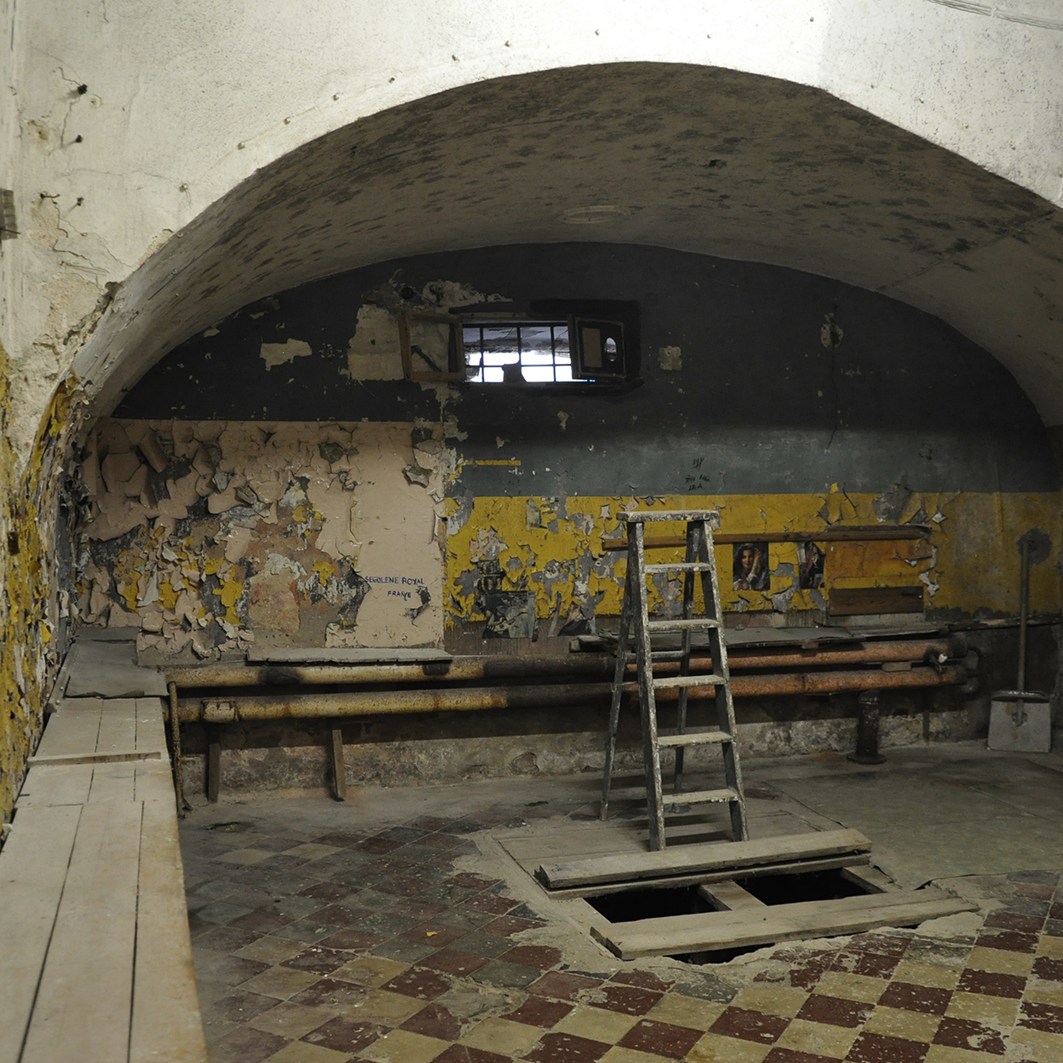
Executions took place at Patarei until the early ‘90s, by hanging and, as mentioned, by shooting. In the gallows room, a stepladder still stands next to a trap door in the floor, beneath an iron rope-anchor in the ceiling. On the far wall are shredded remnants of pictures (some from magazines, some that appear to be personal) that had been taped or glued below the room’s single sliver of a window. Touring the space without a docent, I can only speculate that this arrangement gave the condemned a last glimpse of loved ones, or objects of desire, and the outside world.
I imagine that my indelible experience at Patarei was accentuated because I was alone and saw, aside from the somber babusya (grandmother) who took my entrance fee and handed me a brochure, only two other people the whole time I was there – obvious tourists, and the three of us passed in a corridor with no words, only an exchange of glances that expressed our disquietude. If I’ve ever been in a place that was truly haunted, as the locals claim Patarei to be, this was probably it.
Postscript
It’s my understanding that an Estonian entrepreneur recently purchased the Patarei compound and converted part of it to a museum of sorts dedicated to the ills of communism, while The Estonian Institute of Historical Memory plans to open a second museum in 2025. I’m inclined to hope that they preserve some element of the prison’s rawness, as even the most effectively and sensitively curated exhibits can fail to deliver the visceral kick of unembellished reality.
SOME TALLINN HIGHLIGHTS
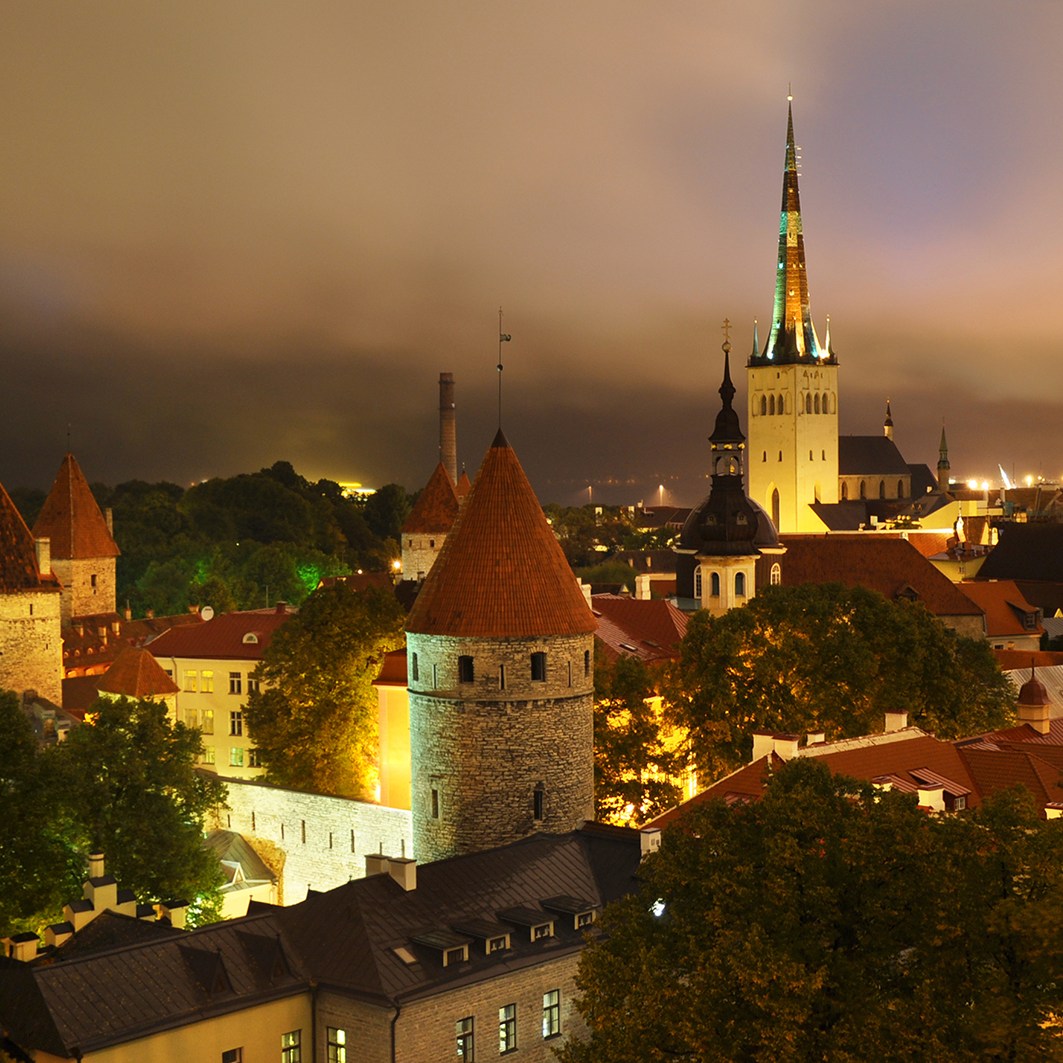
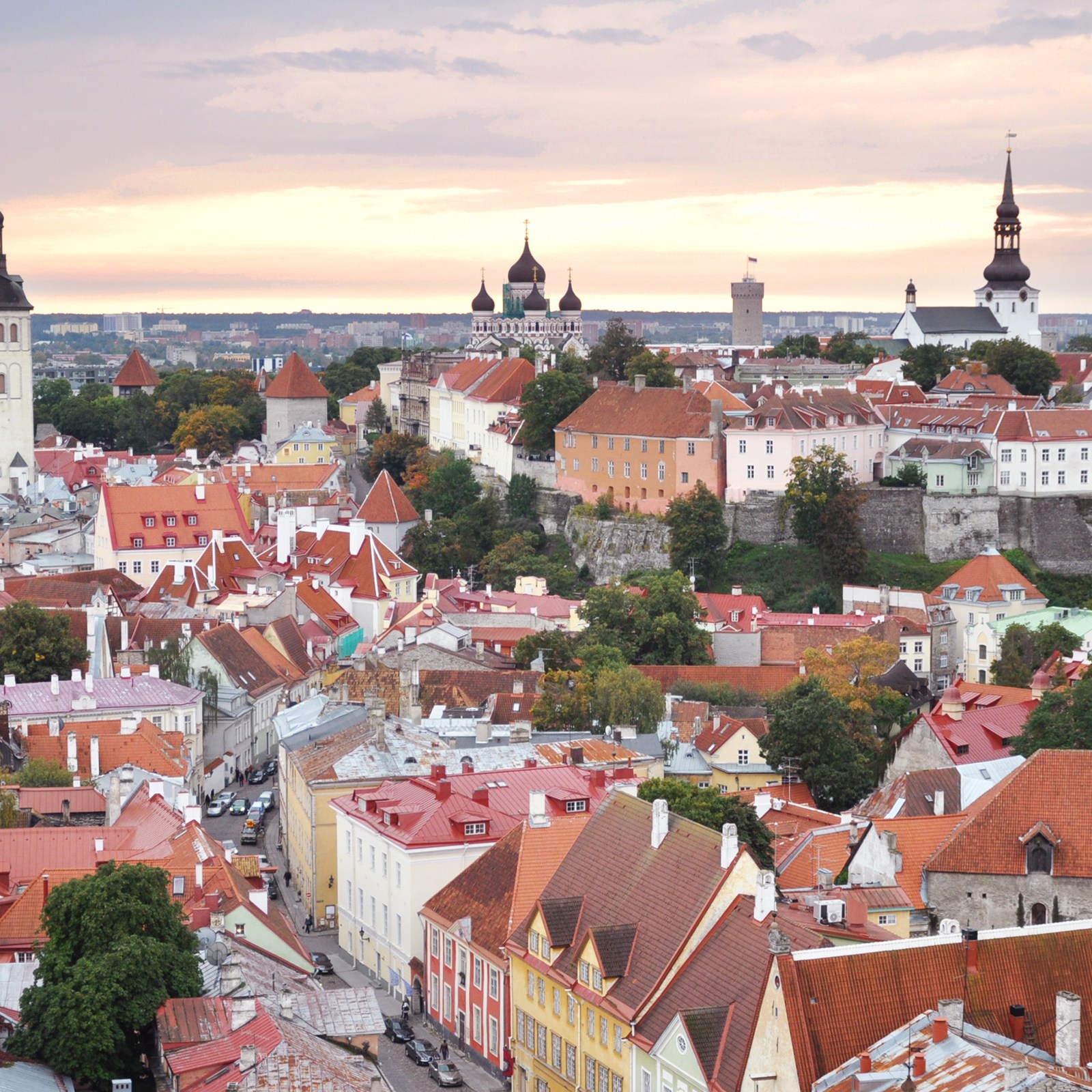
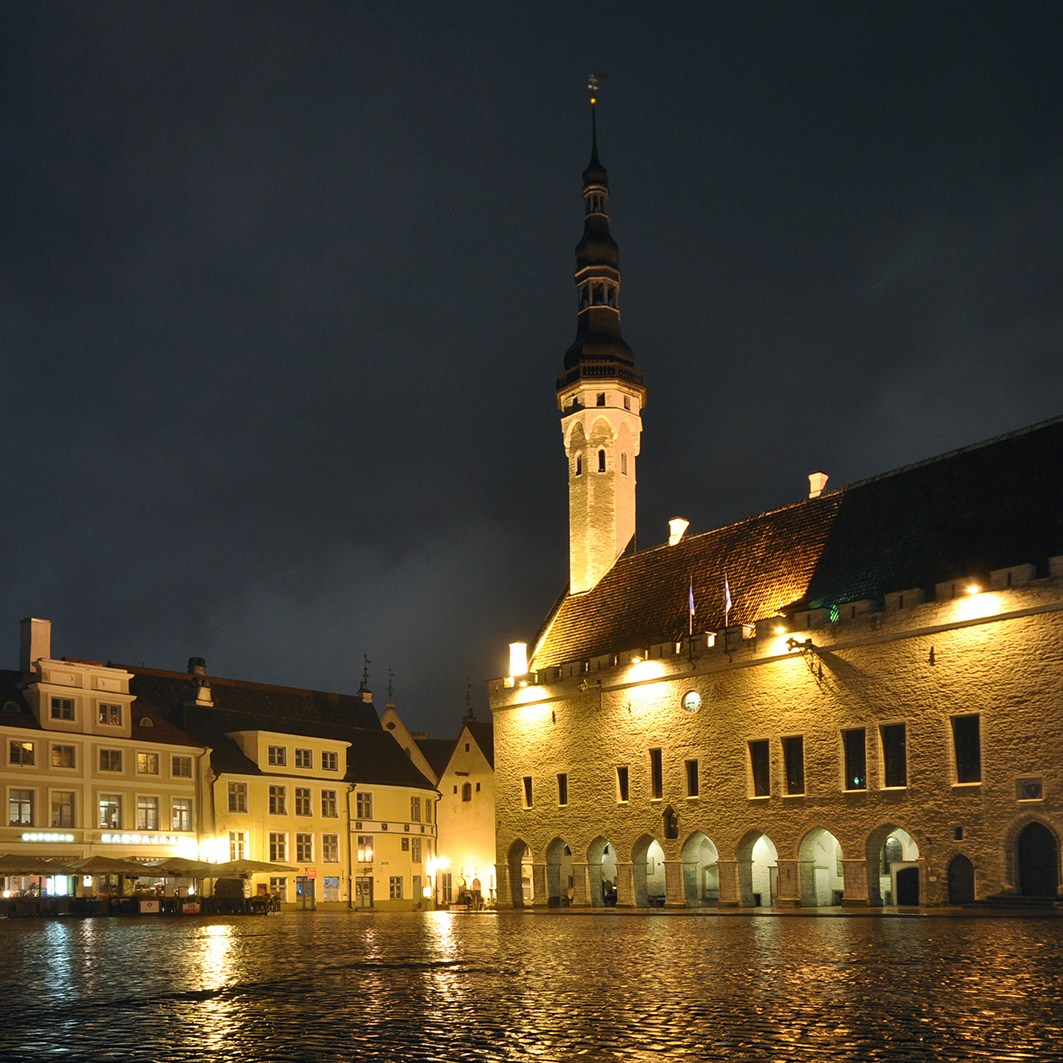
- Tallinn’s Old Town (“Vanalinn”), a UNESCO World Heritage Site, has been largely spared the effects of fires, wars and modernization. Its town square (“Raekoja Plats”) features City Hall (which still has iron manacles on one pillar of its stately colonnade) and one of the world’s oldest pharmacies, both dating back to the early 1400s.
- The Old Town includes a lower neighborhood and an upper neighborhood, connected by two steep streets called the “Long Leg” and the “Short Leg.” The upper neighborhood, known as Toompea, is home to several noteworthy structures, including Alexander Nevsky Cathedral and the eponymous Toompea Castle. It was here – if I remember the history correctly – that delegates from throughout the country met in the summer of 1991 to declare independence from the Soviet Union, inviting, at great personal risk, international media to witness and broadcast the event.
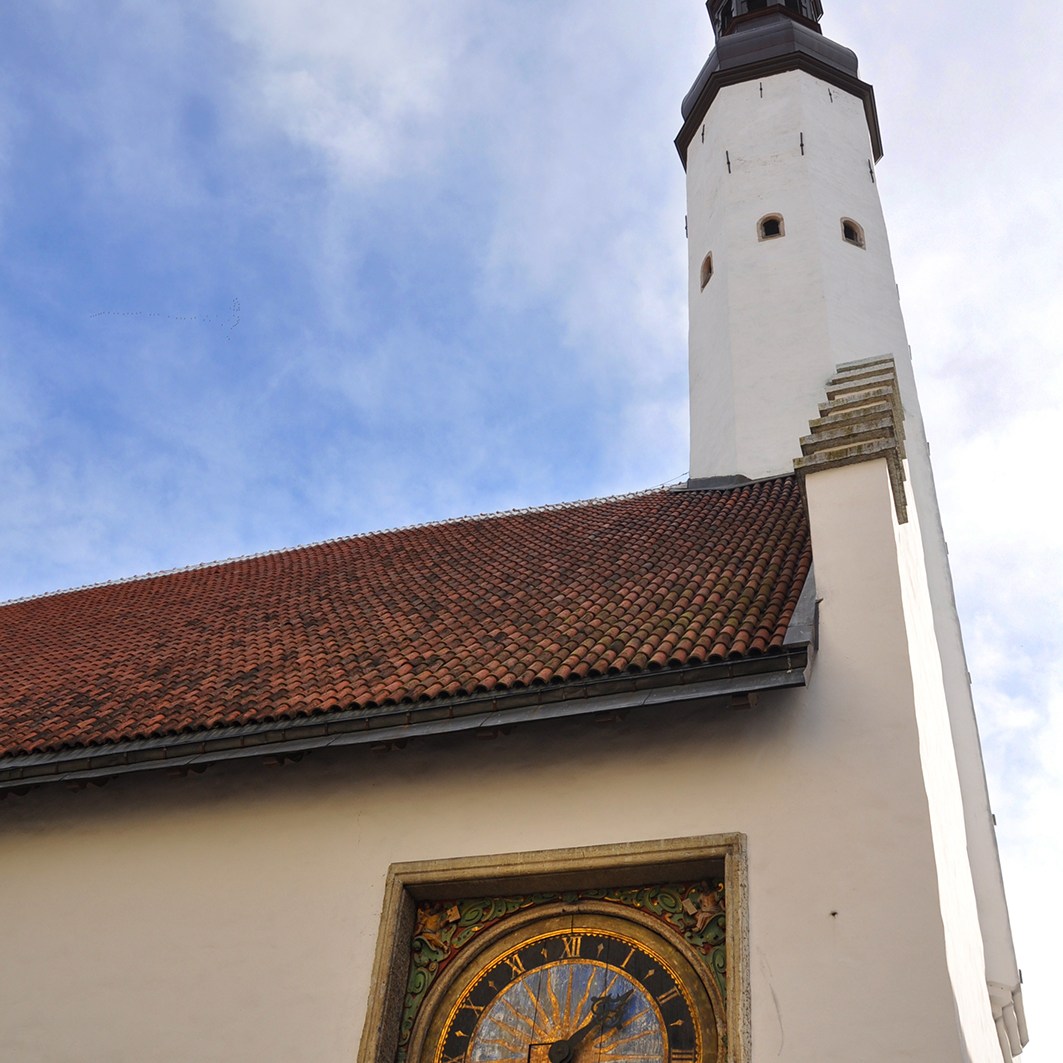
- If my septuagenarian dad and his newly-installed pacemaker could crush 232 stairs to take in sweeping views from the top of St. Olaf’s Church, you can, too.
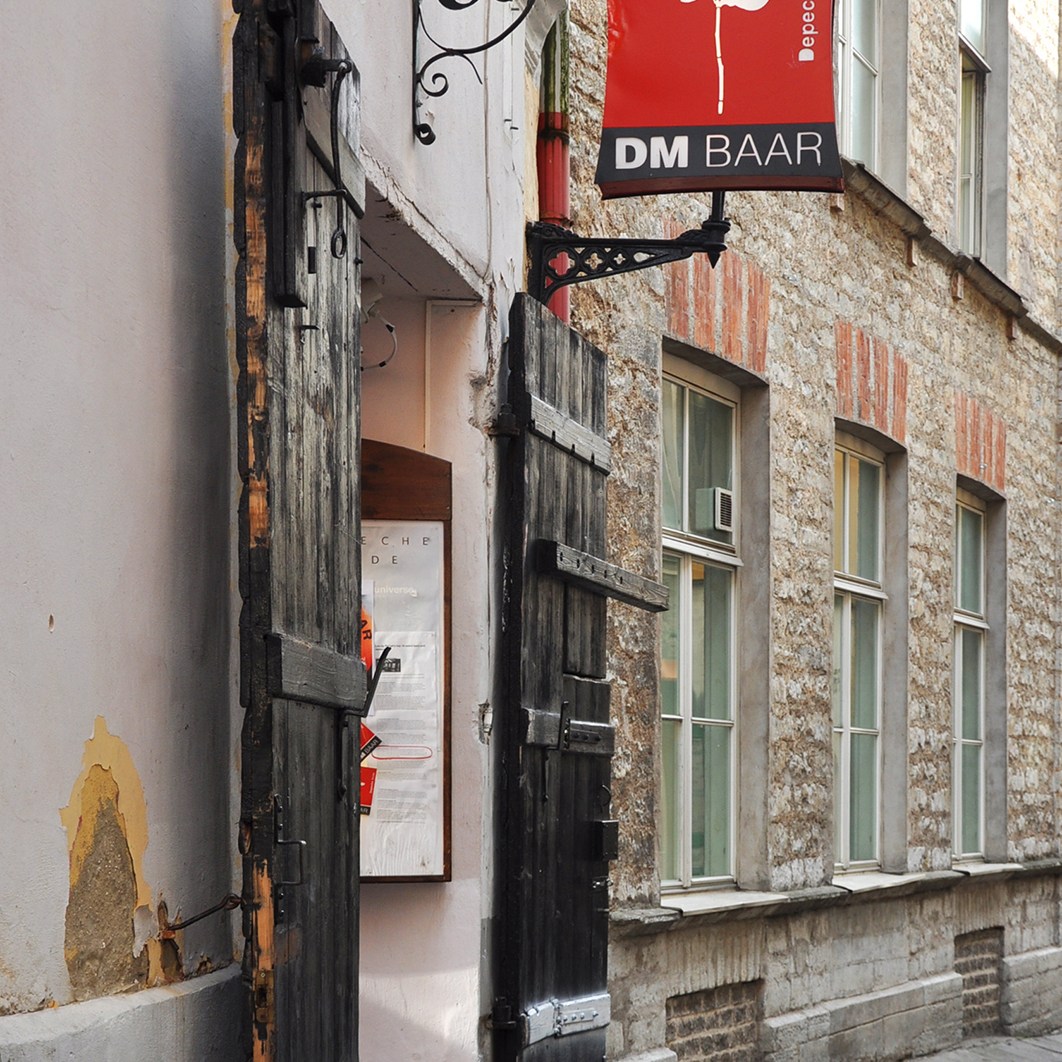
- Tallinn’s vibrant club and live music scene helps to warm up chilly Baltic nights. As an unreformed and unapologetic child of the ‘80s, my favorite hot spot is DM Baar, the world’s only bar dedicated to mega synth rockers and HOF inductees Depeche Mode.
- Back in the ‘70s, the Soviets built a fancy hotel to attract foreign media, VIPs and other dignitaries to Tallinn, in the hopes of collecting some hard western currency and, evidently, some solid western intel. When Finnish architects renovated the Hotel Viru in the ‘90s, they found electronic bugs in the false bottoms of porcelain plates, transmitting devices in walls, and peephole cameras everywhere you can imagine – all of which was monitored by agents stationed in a “hidden” upper floor accessible only by a secret staircase. Today the KGB Museum on this hidden floor is a must for every Tallinn itinerary.
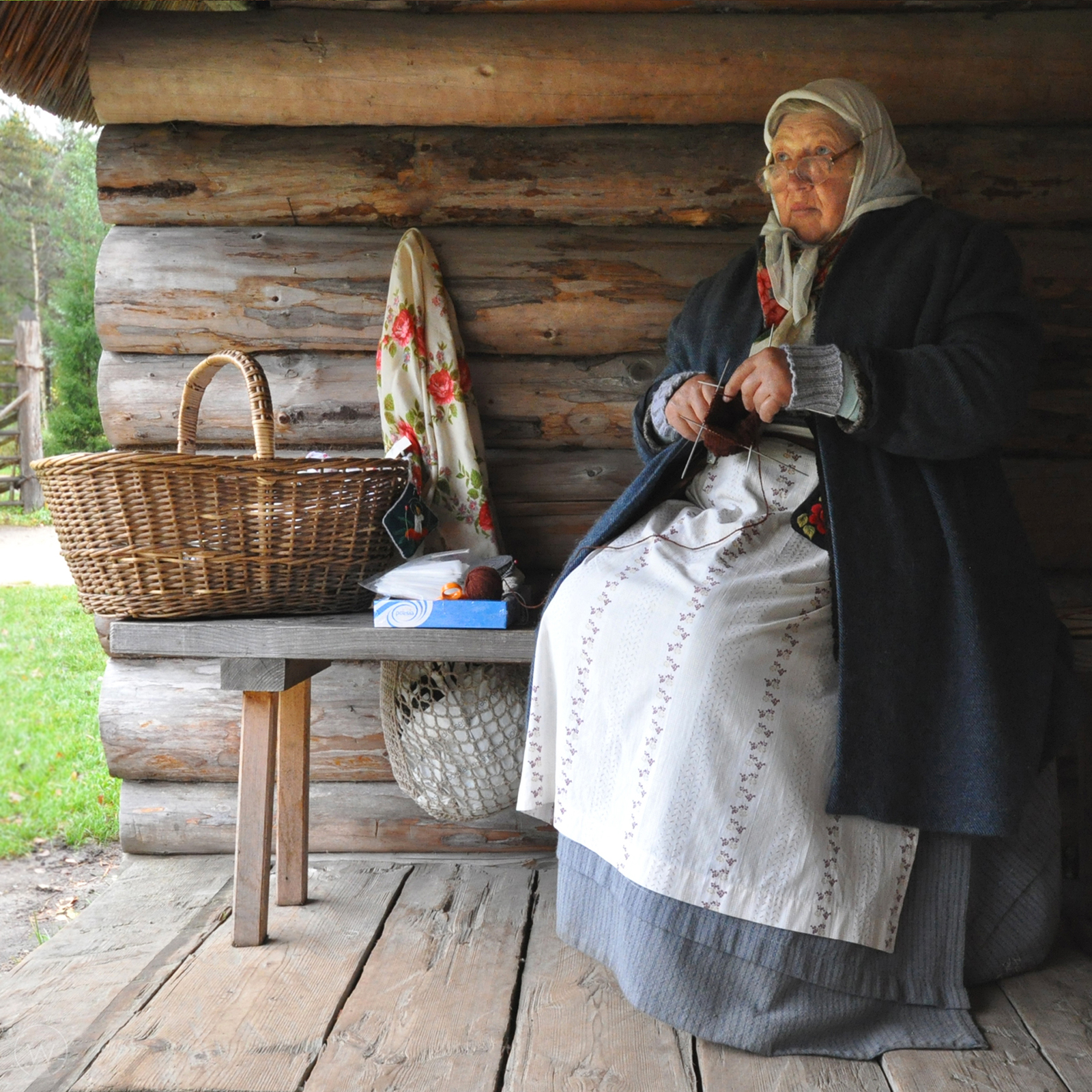
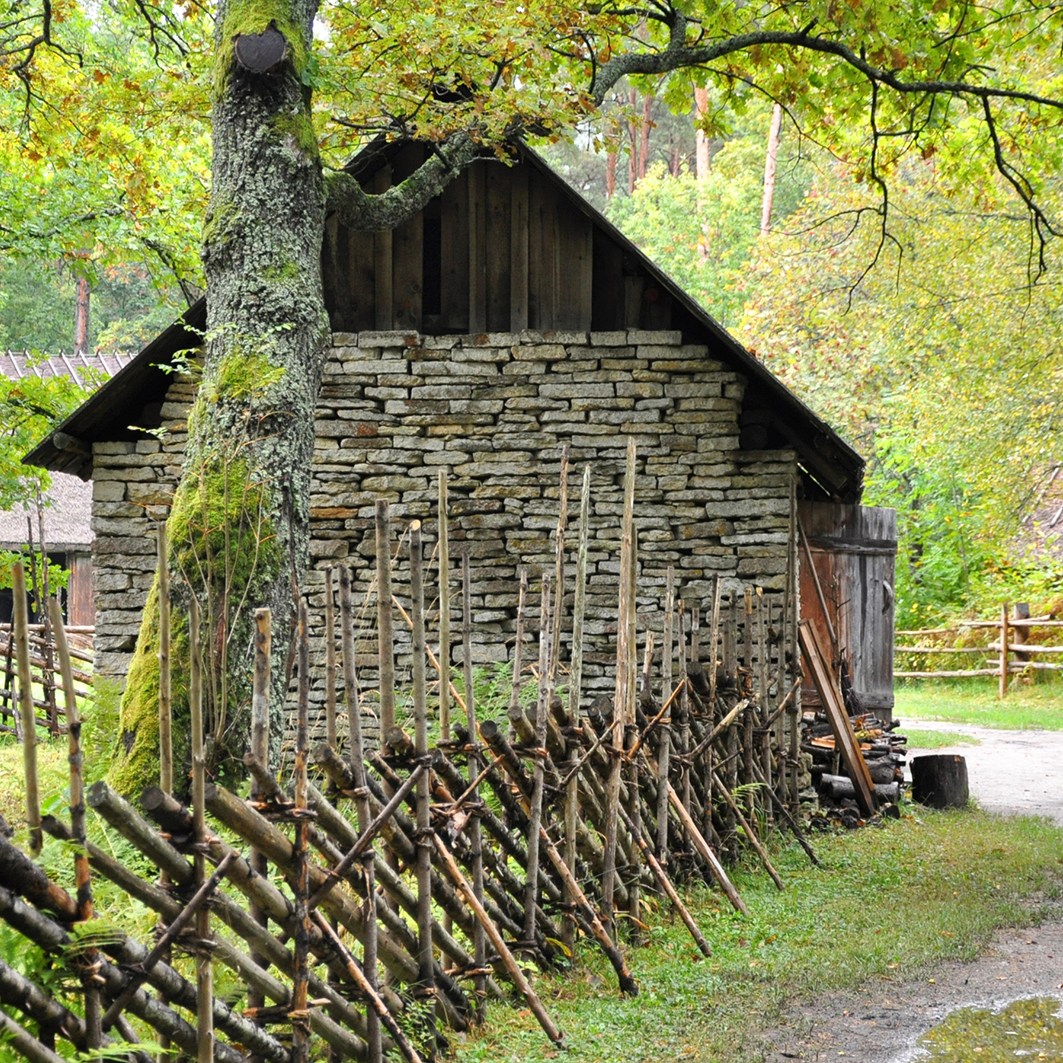
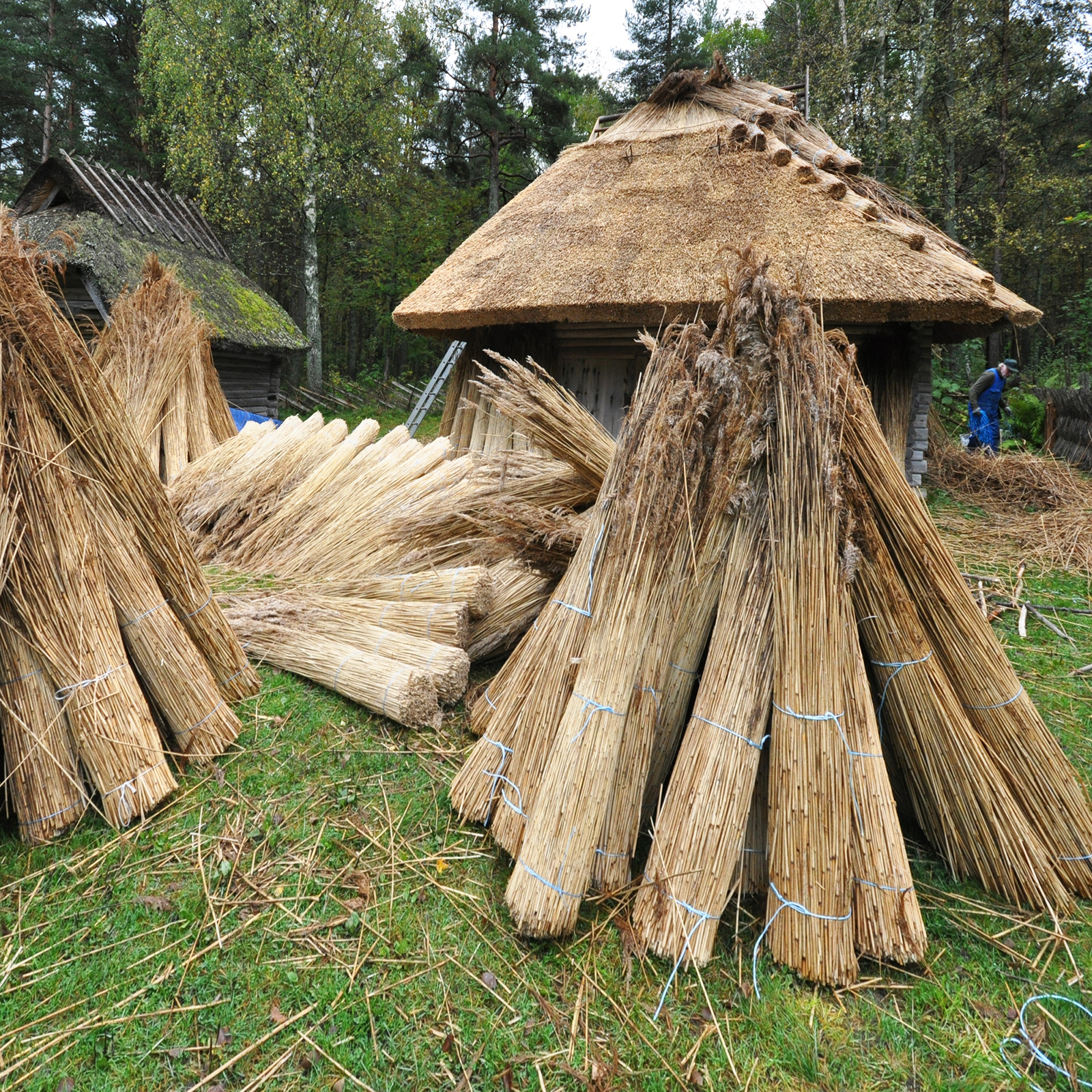
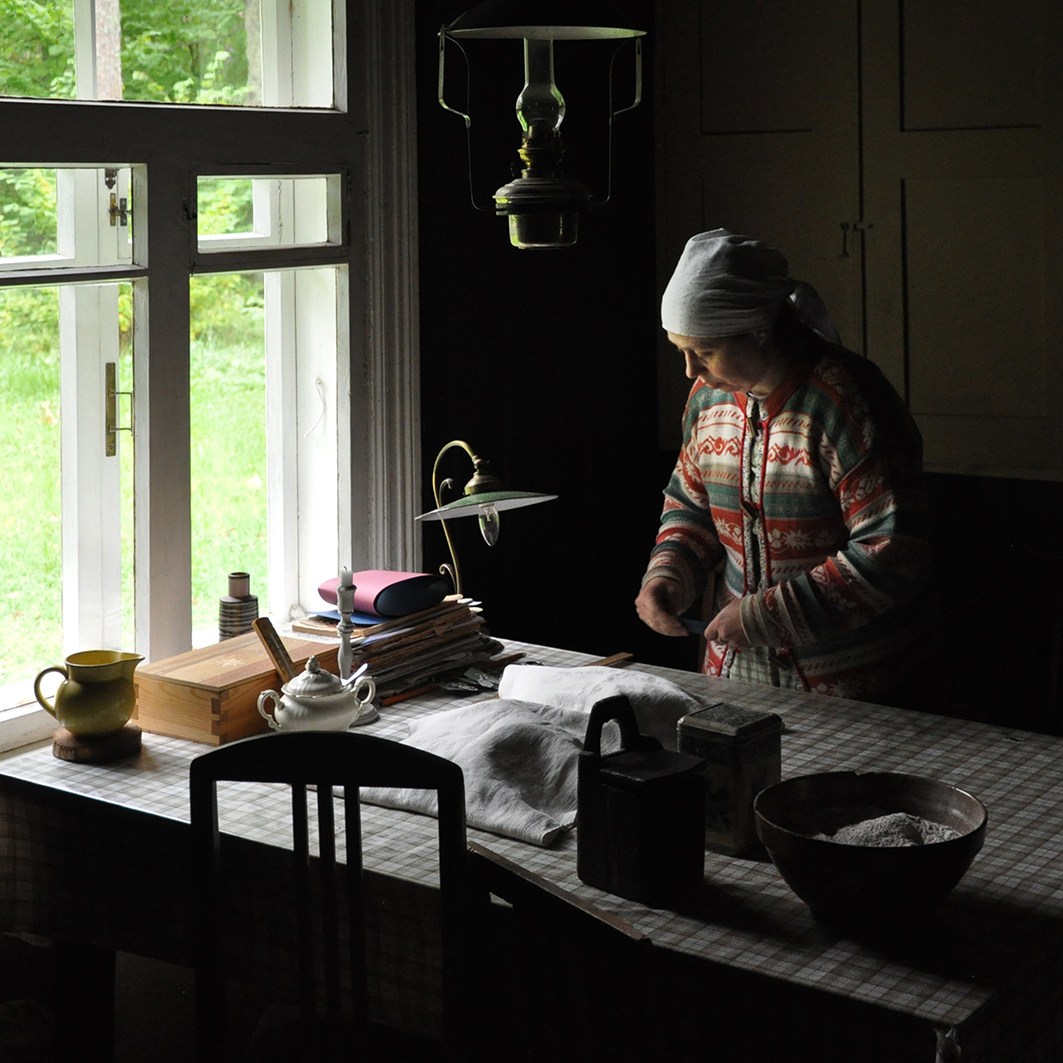
- For a change of pace, the Estonian Open Air Museum on the outskirts of town is a full reconstruction of an 18th-century fishing village. Save space in your backpack for some of the fine local handicrafts available for sale.
QUESTIONS FOR READERS
- If you’ve visited Patarei, what impressions remain with you?
- What are your favorite activities in Tallinn?
- Have you ever been anywhere that caused you to override reason and wonder, even briefly, whether it was haunted?
 WANDERLOOSED