






“I’d never go to Puerto Vallarta in August!” protested a friend whose work takes him frequently to the famous city on Mexico’s Pacific coastal lowland. Eventually convinced that it was the only chance I’d have to travel with my boys before school started back up, he offered a heat-release valve by advising that many patas saladas — “salty-footed” residents of Puerto Vallarta — escape the summer heat by retreating to the interior highlands, chilling at places such as the Sierra Lago Resort on the Laguna de Juanacatlán. It wouldn’t have occurred to me to include this region in an itinerary focused primarily on the Bahía de Banderas (Banderas Bay), but my interest was piqued, and the thermometer was bubbling, so I set aside a couple of days for it with the town of Mascota as our base.
Mascota is one of more than a hundred towns designated by Mexico’s Secretary of Tourism as Pueblos Mágicos (Magic Towns). The purpose of this initiative, which began in 2001, is to use uniquely alluring aspects of various rural localities (e.g., their folklore, traditions, natural beauty, crafts, history, cuisine) to lure a share of tourism away from the major destinations and diffuse its impacts — primarily positive but also, yes, negative — more broadly across the country’s economy and terrain.
DRIVE AND ARRIVAL
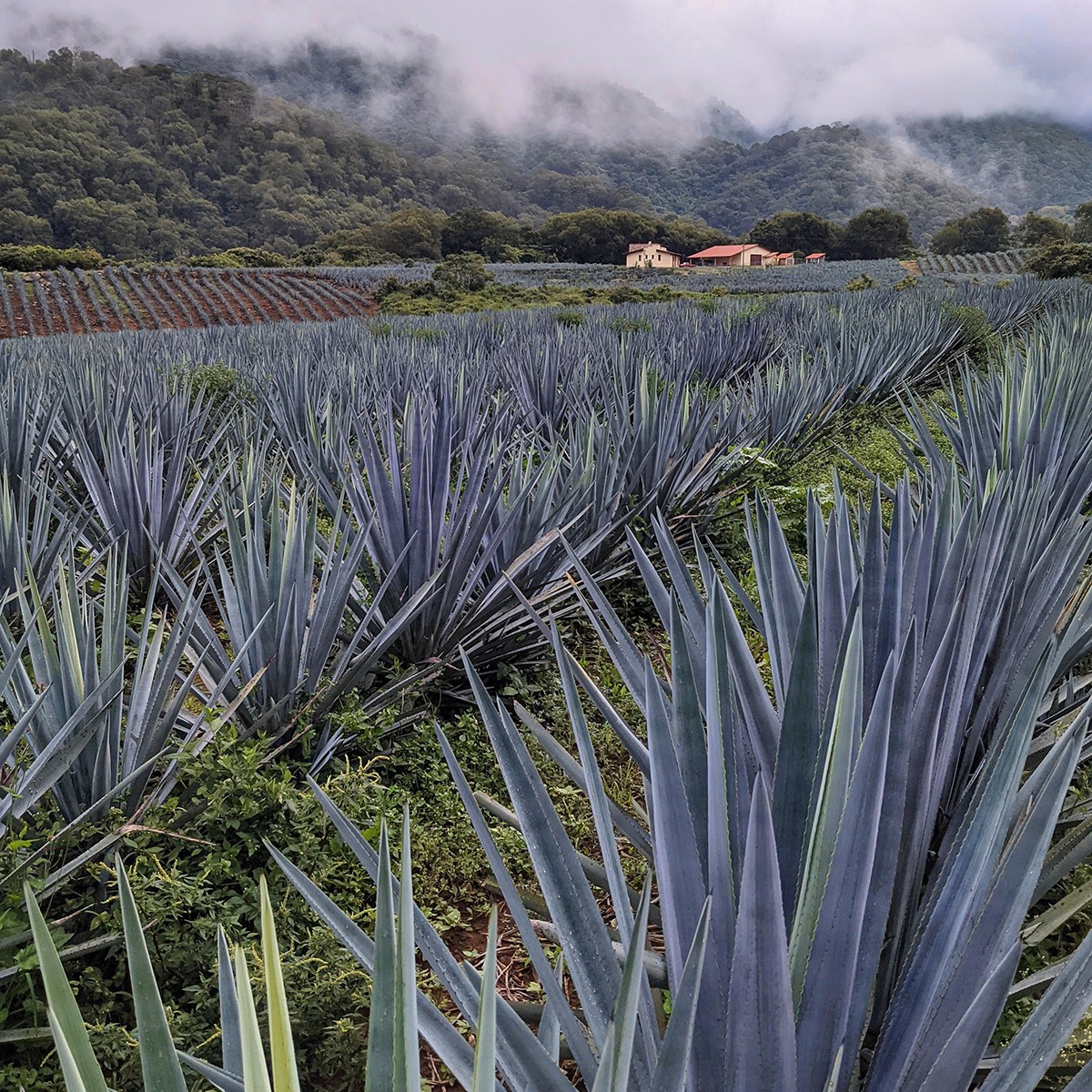
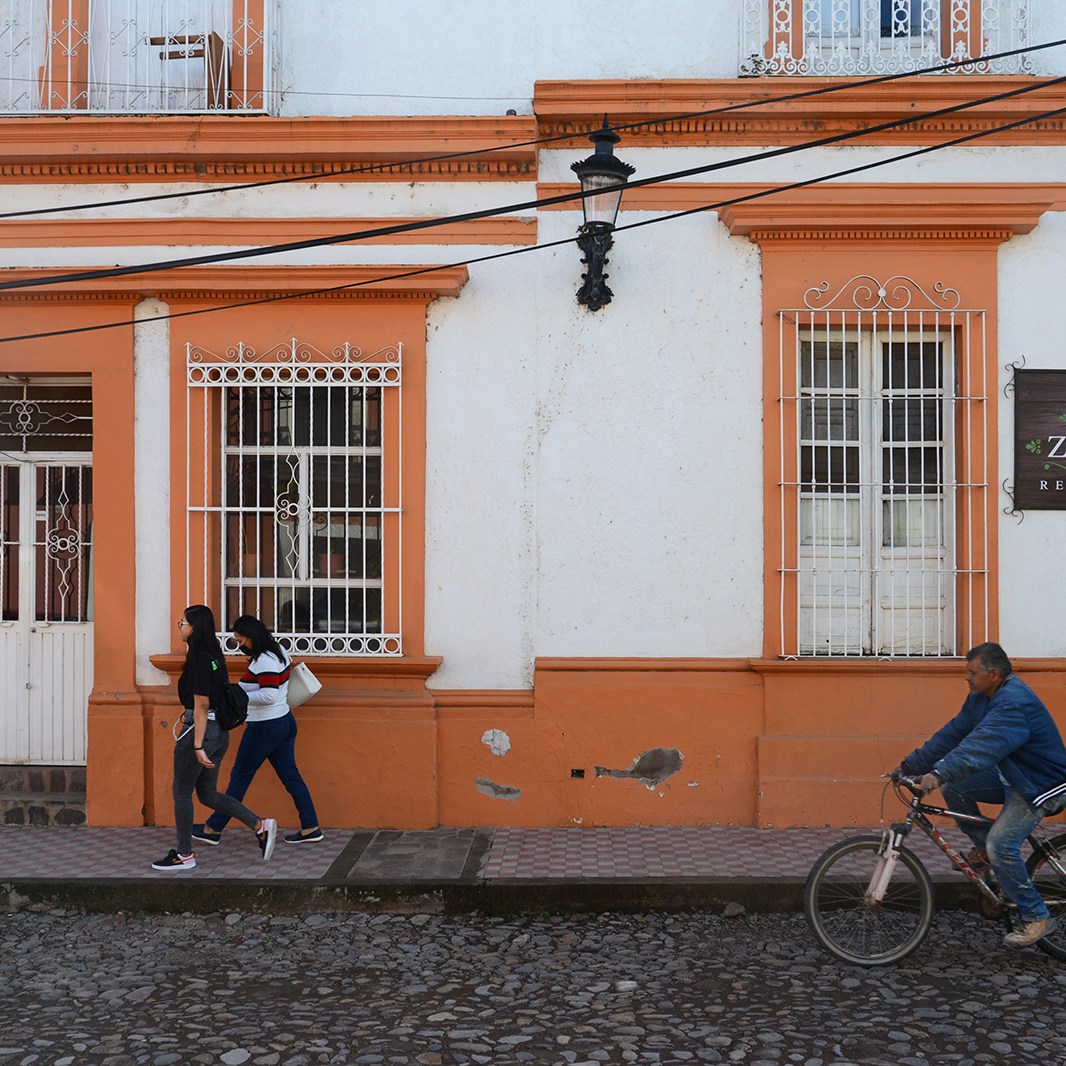
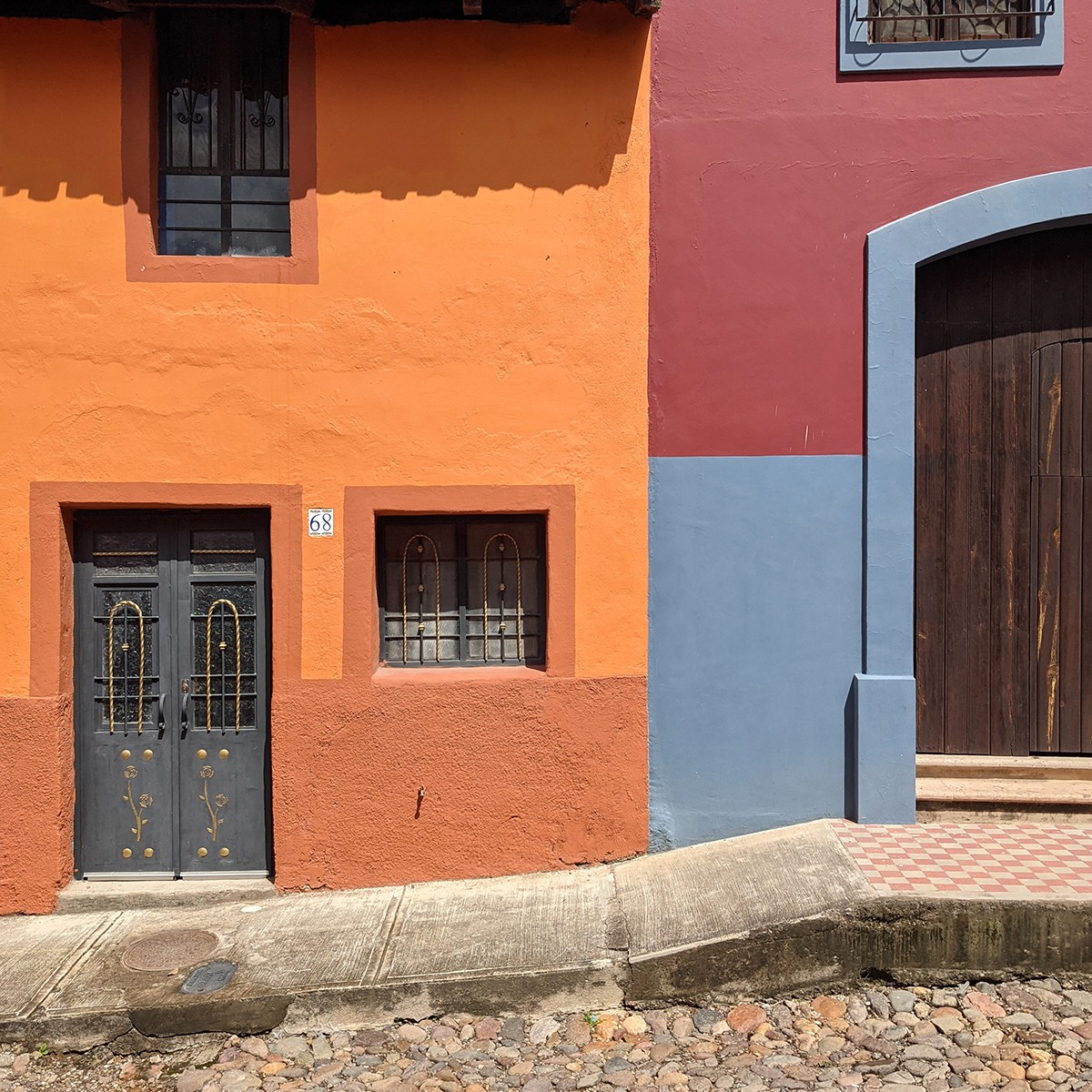
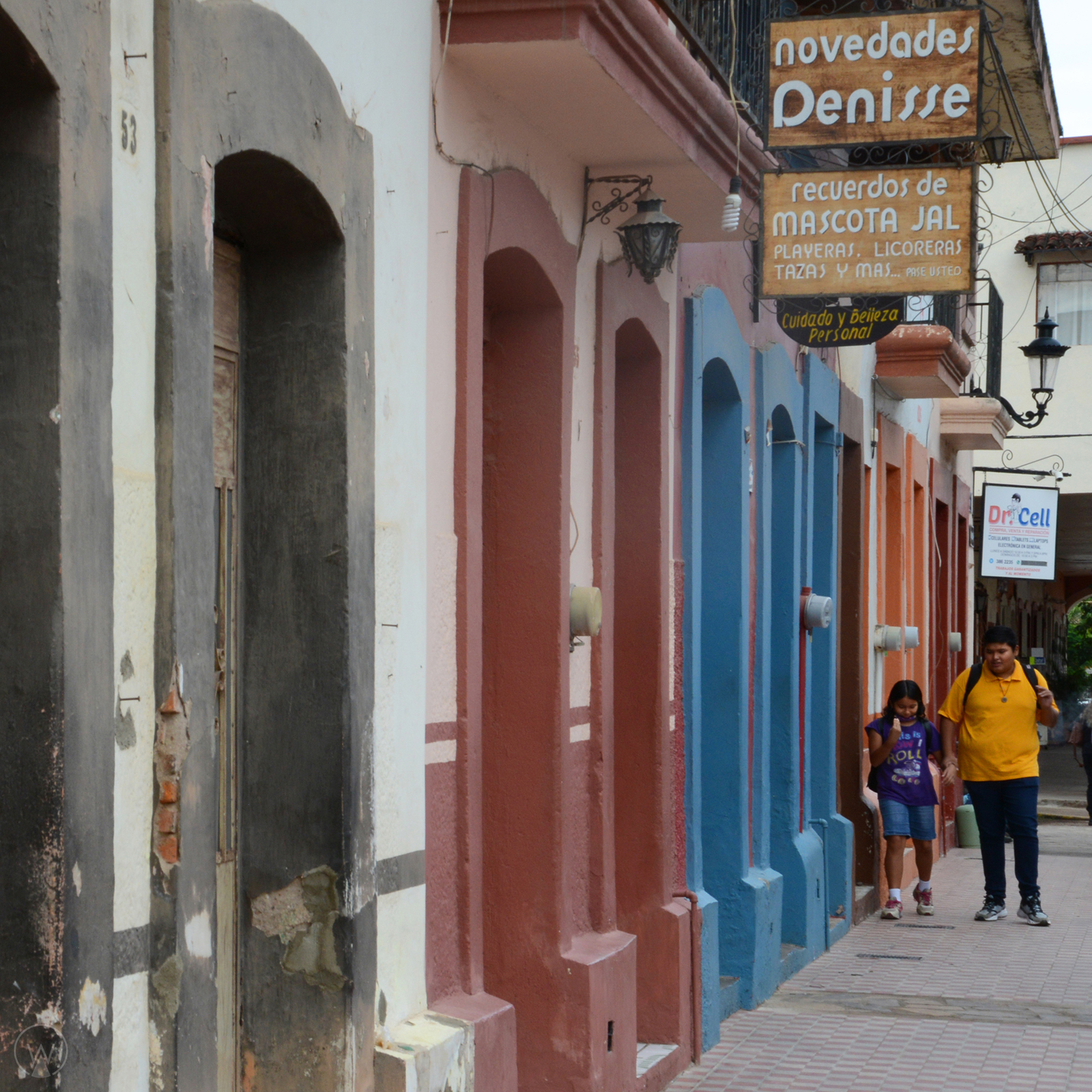
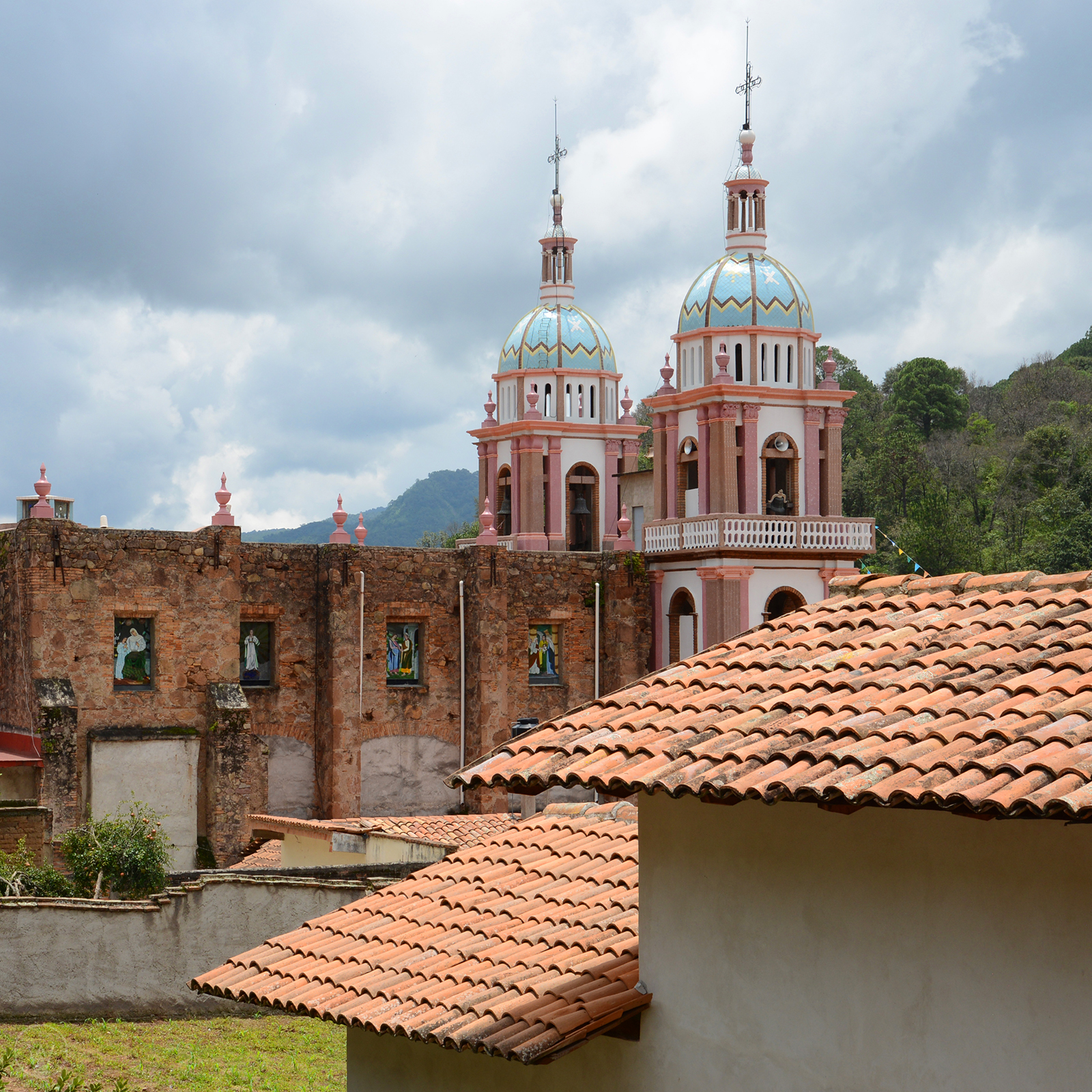
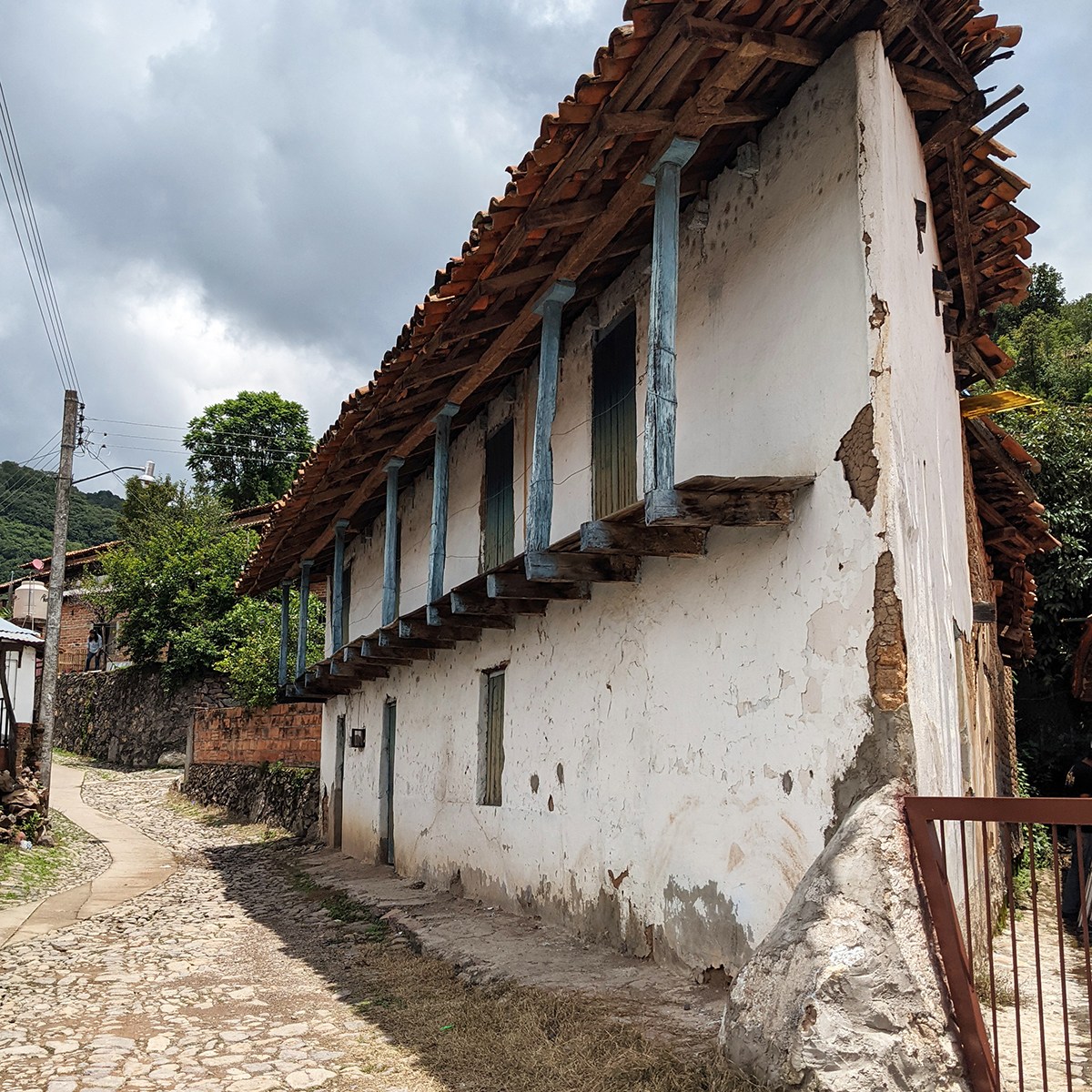
The approach from Puerto Vallarta to Mascota rises from sea level to 1,400 meters (4,500 feet), following a serpentine and sometimes precarious ascent through the agave fields, tequila distilleries, dense foliage and cooling air of the Sierra Madre Occidental, serving as a dramatic overture to entry into the town. As you follow Avenida Hidalgo from the northwest outskirts toward Mascota’s principal church and landmark, Parroquia de Nuestra Señora de los Dolores, the mágico of this pueblo quickly becomes apparent in ancient cobblestones, picturesque façades and the radiance of its residents.
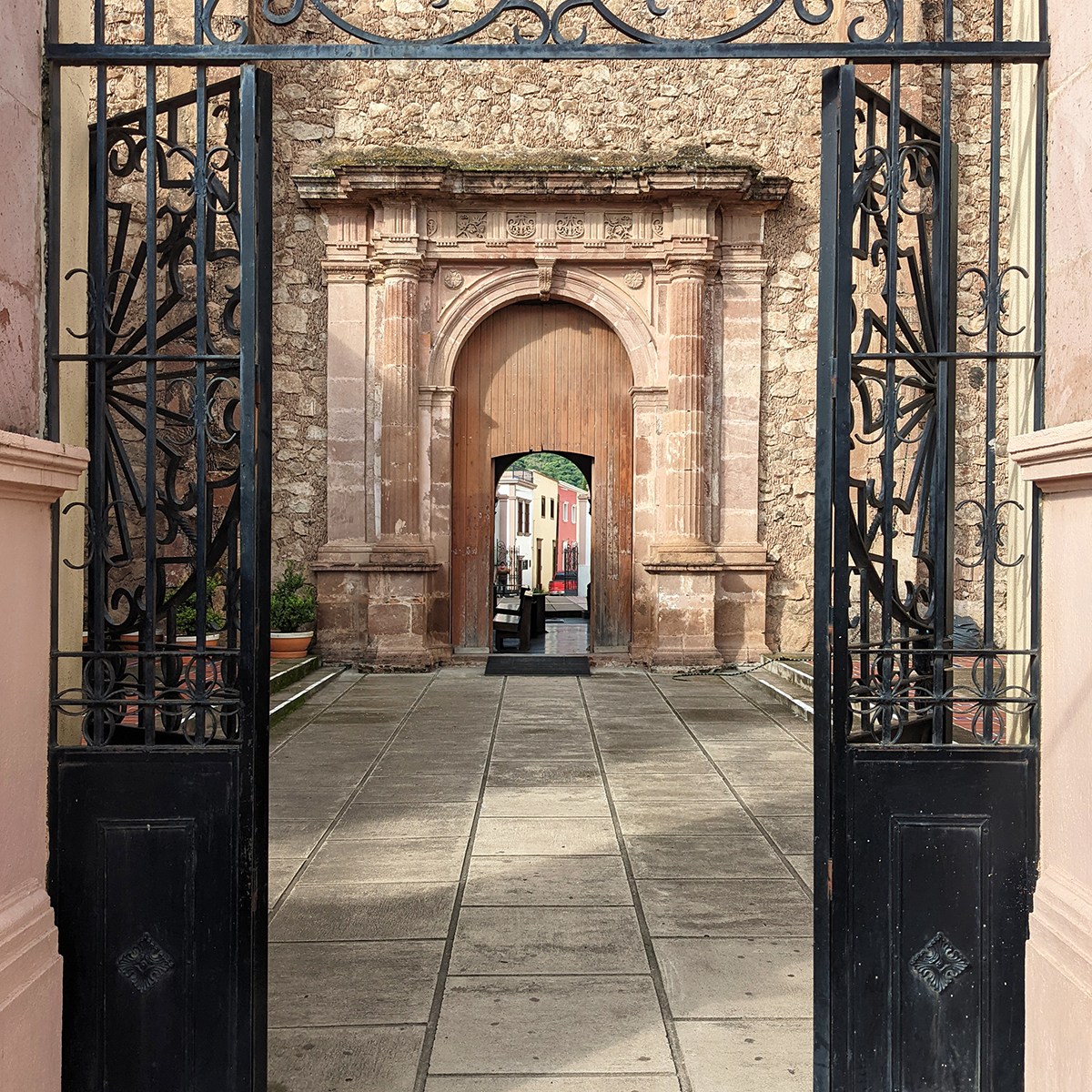
A rich history is also readily apparent. The most obvious is of the colonial era, evidenced in features as simple as the huge iron keys that are still in widespread use to open massive portones (gateways) hearkening to an illustrious and prosperous past supported by the region’s innumerable mineral mines. Among the stately storefronts and residences that transport visitors to that earlier time, the hallmark of Mascota’s colonial architecture is the Municipal Palace, a neoclassical structure dating from the 18th century.
The town’s Pre-Columbian history, although not manifest on the streets, can be appreciated at the Archeological Museum, where artifacts suggest that the area’s earliest peoples may have traded with civilizations as far away as Peru. (Spanish speakers will naturally assume the name Mascota to mean “pet.” But it actually comes from the indigenous Tektitek description amaxacotlán mazacotla, meaning “place of deer and snakes,” as memorialized on the town’s coat of arms.)
EXPLORING MASCOTA’S RINCONES
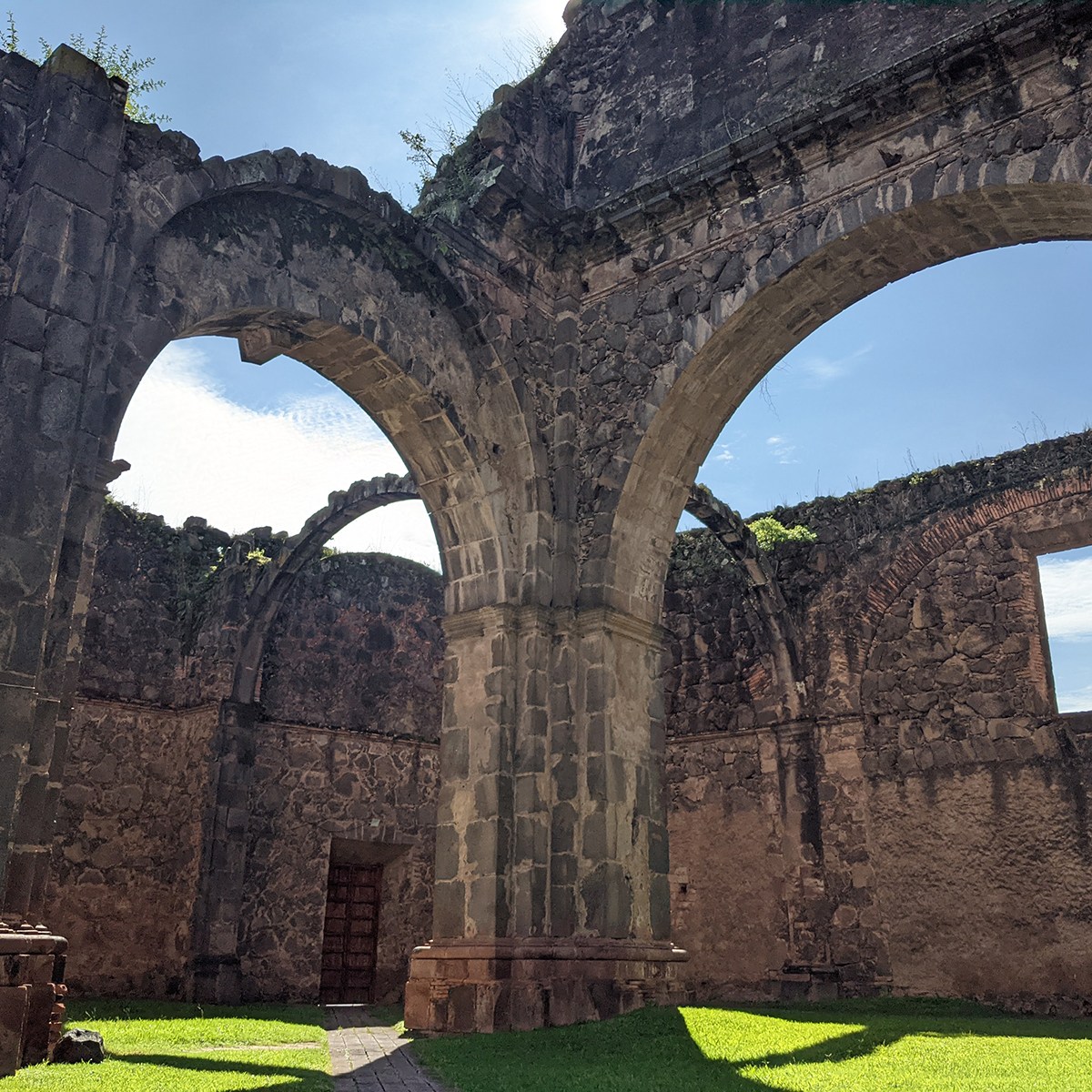
Other sites in town range from the mysterious Templo Inconcluso de la Preciosa Sangre de Cristo (Unfinished Temple of Christ’s Precious Blood), construction on which was halted by the revolution and never resumed, to the quirky Casa de Piedras (Stone House, also known affectionately as “The Flintstone House,” at Morelos 64), whose every available surface the owner, Pancho Peña, has, over the course of two-plus decades, meticulously and painstakingly covered in river rock. A stroll in any direction from the Plaza Principal is an immersion in atmospheric discovery, while a short scramble at dawn or dusk to the Mirador de la Cruz yields a lovely view of tiled rooftops. Just north of town are two waterfalls: Cascadas de Mascota at El Coamil de las Naranjas to the northwest, and, to the northeast and requiring an out-and-back hike of about an hour each way, El Rincón de Ixcatán.
But Mascota’s attractiveness owes to much more than its headlining attractions. As with many places, and especially off-the-path gems such as these Pueblos Mágicos, the greater charms are encountered just beneath the surface. For instance, we lodged at Villa de Leyva, recently renovated-restored to modern colonial splendor from its state as a long abandoned restaurant (prior to which I believe it was an annex to the nearby convent), whose unassuming portón shelters interior treasures of craftsmanship in wrought iron, furnishings and stonework. This mesón’s (inn) location on Guadalupe Victoria, a small street that acts almost as a continuation of the western transept of Nuestra Señora, ensured that we heard every ding and dong from the nearby belltower — which at first didn’t do much for my sleep (I used ear plugs after the first night) but did wonders for our multisensorial memories.
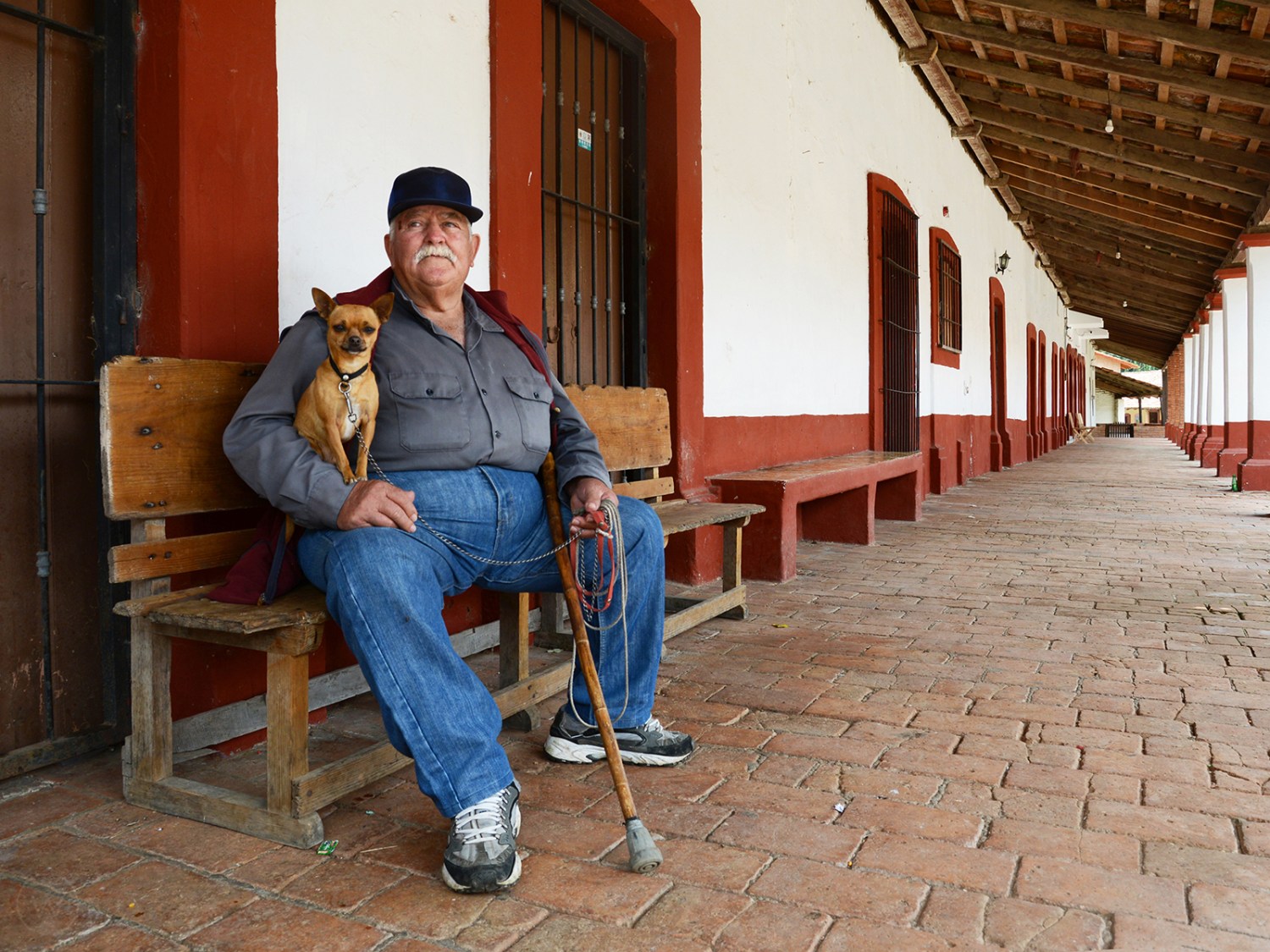
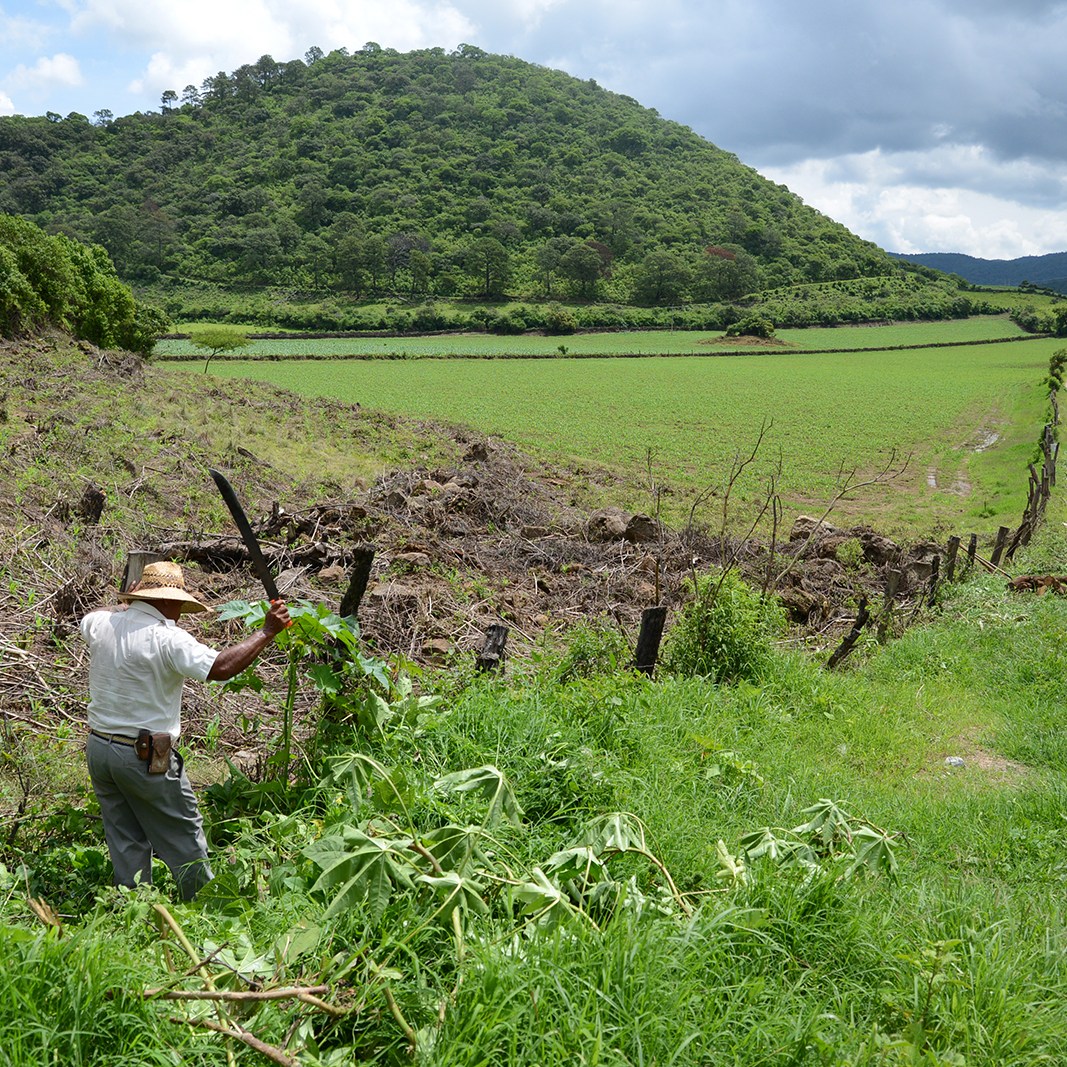
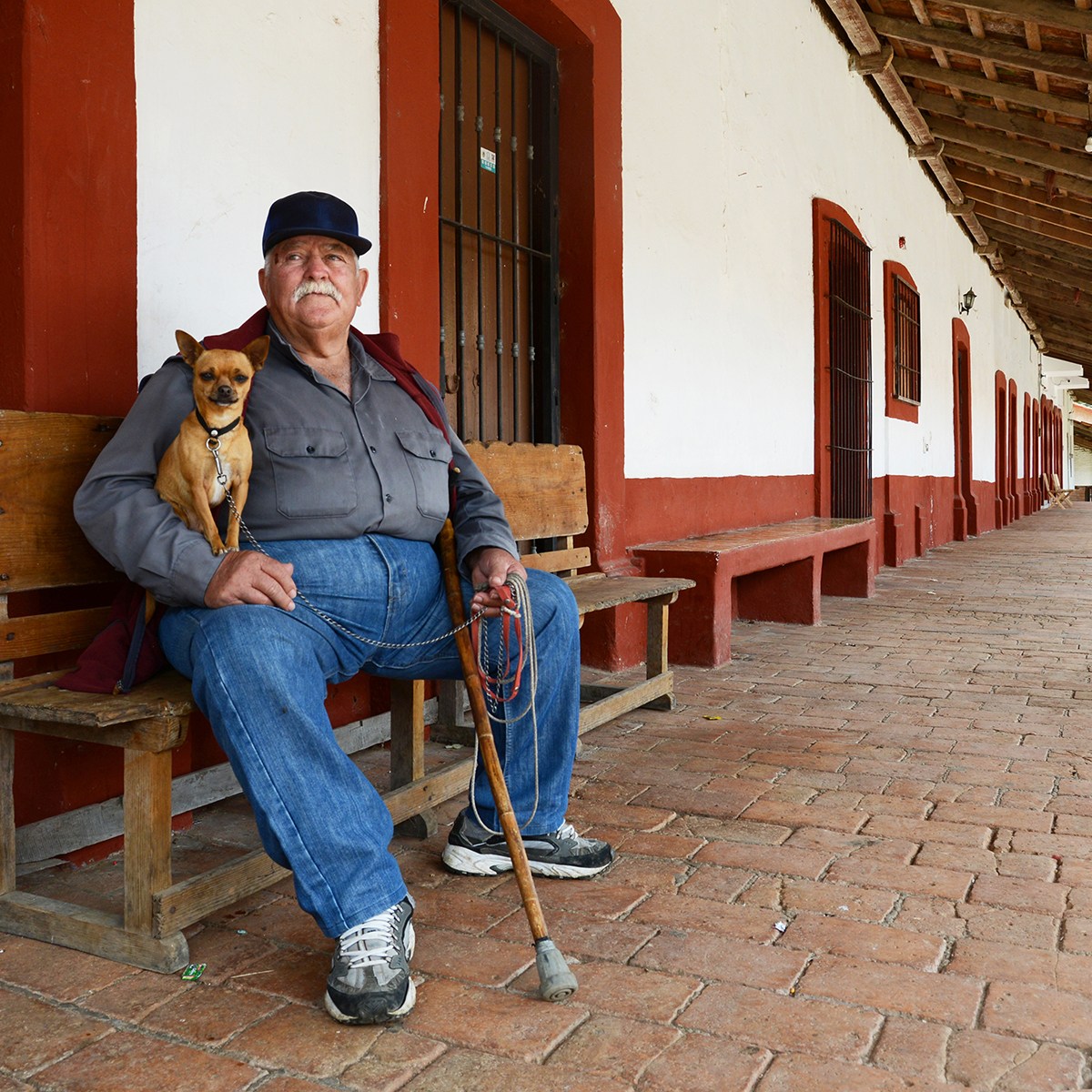
Similarly, through my friend’s connections, we were fortunate to be hosted for part of our visit by Dioselena and Francisco Ramírez, who own an abarrotes (convenience store) on Hidalgo where they sell, among other things, about a hundred tamales each day — hand made in four hours by Dioselena and her niece Yolanda following a recipe handed down among the family’s matriarchs and resulting in, according to my eldest son, “the best tamales anywhere, ever, period.” Hidden behind the store are the colonnaded corridors in vivid orange and stark white, laid out in typical rectangular configuration around the open courtyard and fountain — guarded by their pugs, Julión and Bumy — of the family’s colonial hacienda (ranch estate house) that Francisco inherited from his grandfather, from whom he also inherited the tradition of farming tomatillos and other produce in the region’s rich soil.
DRIVING THE RURAL CIRCUITO DE PEREGRINO
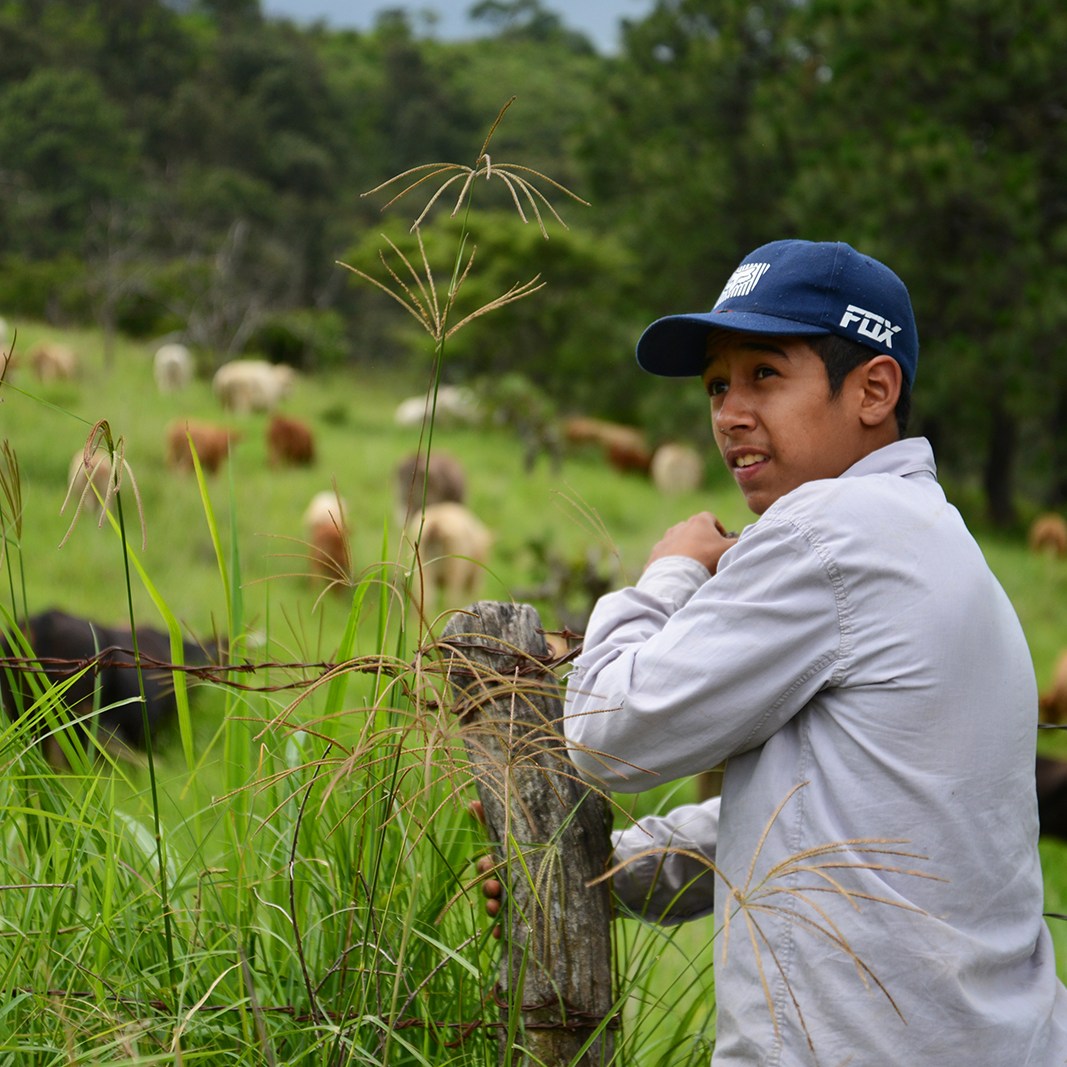
Dioselena graciously spent a day guiding us around the Circuito de Peregrino (Pilgrim’s Loop), a drive through several smaller towns that dot the area’s pine-oak-covered hills and dormant volcanoes, including one nicknamed El Molcajete, after the traditional Mexican pumice mortar bowl. Yerba Buena features an impressive stone temple, the church at Cimarrón is one of the region’s most vibrantly colored (and the competition is spirited!), and a stop in tiny Santa Rosa offers perhaps a greater sense of time travel than the other villages do. Not surprisingly, the town square at Navidad (Christmas) delights with its sumptuous church façade, exceptional hand-crafted paletas de helado (ice-cream bars) and covered sidewalks, and in Juanacatlán we found ourselves yet again the grateful beneficiaries of spontaneous Jaliscan hospitality, this time while waiting out torrent-flooded roads.
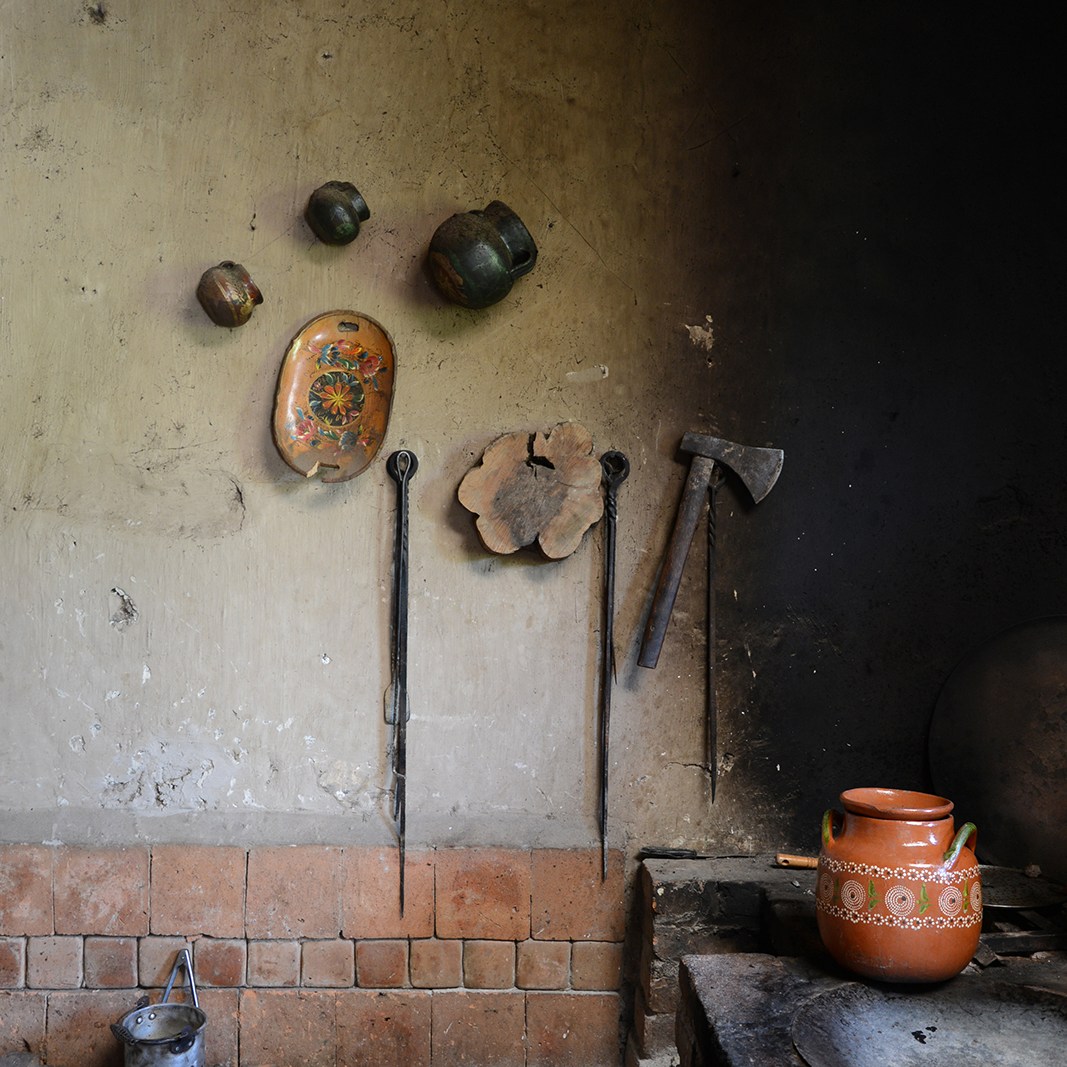
Speaking of Jaliscan hospitality, save room for foods typical of this area, including cookies and breads, fruits in a variety of preparations (juiced, candied, preserved, etc.) and dairy products, all made by hand according to carefully maintained traditions. In addition to her blue-ribbon tamales, Dioselina treated us to jocoque (a thin sour cream resembling ricotta), tea of mint and chamomile harvested from her garden and, of course, piles of hot tortillas patted out by Yolanda with mesmerizing efficiency in their wood-fired kitchen. As our visit came to a close, my middle son would reflect, “Never trust a Mexican woman who says she wants to give you just one little taco.”
QUESTIONS FOR READERS
- Which are some of your favorite Pueblos Mágicos, and why?
- What towns around the world have you visited where you felt immediately taken back in time?
- What was the occasion of the most memorable Mexican meal you’ve ever eaten?
 WANDERLOOSED