









Note: This is the first in a series of four posts about Iceland. The series continues here.
A colleague who trained in Iceland for an Antarctic expedition told me that of all the places he’s visited (he’s driven across seven continents — in the same vehicle, long story), this one surprised him most. Now I understand why. The best description I’ve mustered for this land is, “If Yellowstone, Ireland, Hawaii, Norway, the Negev and the Moon had a baby island the size of Kentucky, that would be Iceland. It’s like another planet, yet very much our own.” This eight-day itinerary will introduce you to much of the island’s astonishing variety along and near the 1,300-kilometer (800 miles) Ring Road, and will likely leave you wanting more. Join the club.
FIRST, A FEW GENERAL POINTERS
- Bring layers and sturdy rain gear. The warmest it ever gets in Iceland is, “Hmmm…is it sort of warm?” and forecast-be-damned, the weather can vary wildly throughout the day, especially as you travel among the island’s diverse topographies and microclimates.
- Check your rental car tires. 4WD is helpful yet unnecessary for this itinerary, but if your tires are long in the teeth and short on tread you’re not going to have much success on many of the roads off of Route 1.
- Be aware of daylight hours. Iceland bumps up against the Arctic Circle so daylight is skiwampus, and this itinerary is only possible during the summer when it’s light hours before breakfast (unfortunately not including the Northern Lights) and sunset is around midnight, and the roads are free from ice and snow.
- Any effort to pronounce Icelandic words correctly will be rewarded many times over by the locals. If you spend even an hour on your flight wrapping your tongue around a dozen or so idiosyncratic consonants and vowels, you’ll avoid shaming your country of origin, and elicit even greater warmth from an already-warm people — most of whom are fluent in English anyway but will appreciate your effort.
- It seemed like Apple Pay worked for almost everything.
- There are gas stations nearly everywhere, but best practice is to avoid letting your tank get too far below half.
- I don’t recall ever having not had cell coverage (note, however, that Stuðlagil Canyon and Fjallabyggð are the farthest we went inside and outside the Ring, respectively), and yet I also don’t recall having seen a single cell tower. Maybe they were disguised as ubiquitous waterfalls.
- Learn about the national obsession with licorice (“lakkrís”) and buy some Appolo or Sambó.
- Drink the water, straight from the tap, at every single opportunity. It’s delicious.
- Speeding tickets in Iceland are very, very expensive. But that’s OK because almost everything worth seeing in the country, excluding a few sites with paid parking, is free. So you’re actually saving money by getting to more of the free stuff, more quickly.
DAY ONE: VOLCANO, BLUE LAGOON, REYKJAVIK
(Note: Your activities on this first day may be determined by local protocols in response to the pandemic, which continue to evolve at the time of this post. For example, there could be delays leaving the airport as arriving passengers are tested, and you may need to quarantine at your lodging until you receive notification of a negative result, which by all accounts comes within a matter of hours from the country’s marvelously well-organized public health system. The Blue Lagoon may require proof of your negative result.)
Iceland’s international airport was built on the site of the former U.S. World War II airbase at Keflavik, at the tip of the Reykjanes peninsula about 45 minutes southwest of Reykjavik. Reykjanes, a UNESCO Global Geopark, has been called “an Iceland in miniature,” and as you pull away from the airport, the first thing you’ll notice is the stark otherworldliness of the terrain, which at first looked to me like grassy fields strewn with lava rocks, but upon closer inspection turned out to be the opposite: uninterrupted and unending beds of lava covered with tenacious moss and lichen — which a footprint can damage for decades.
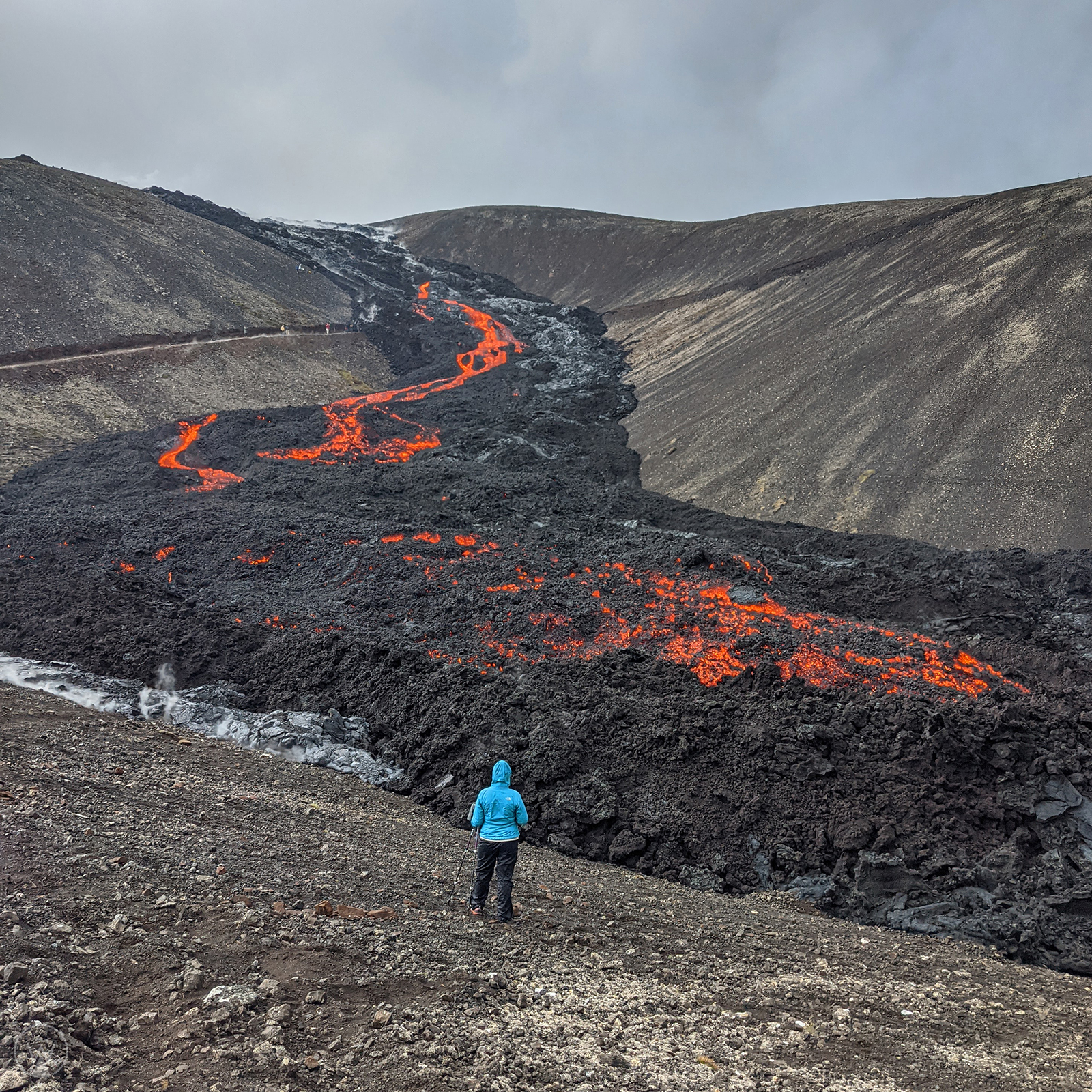
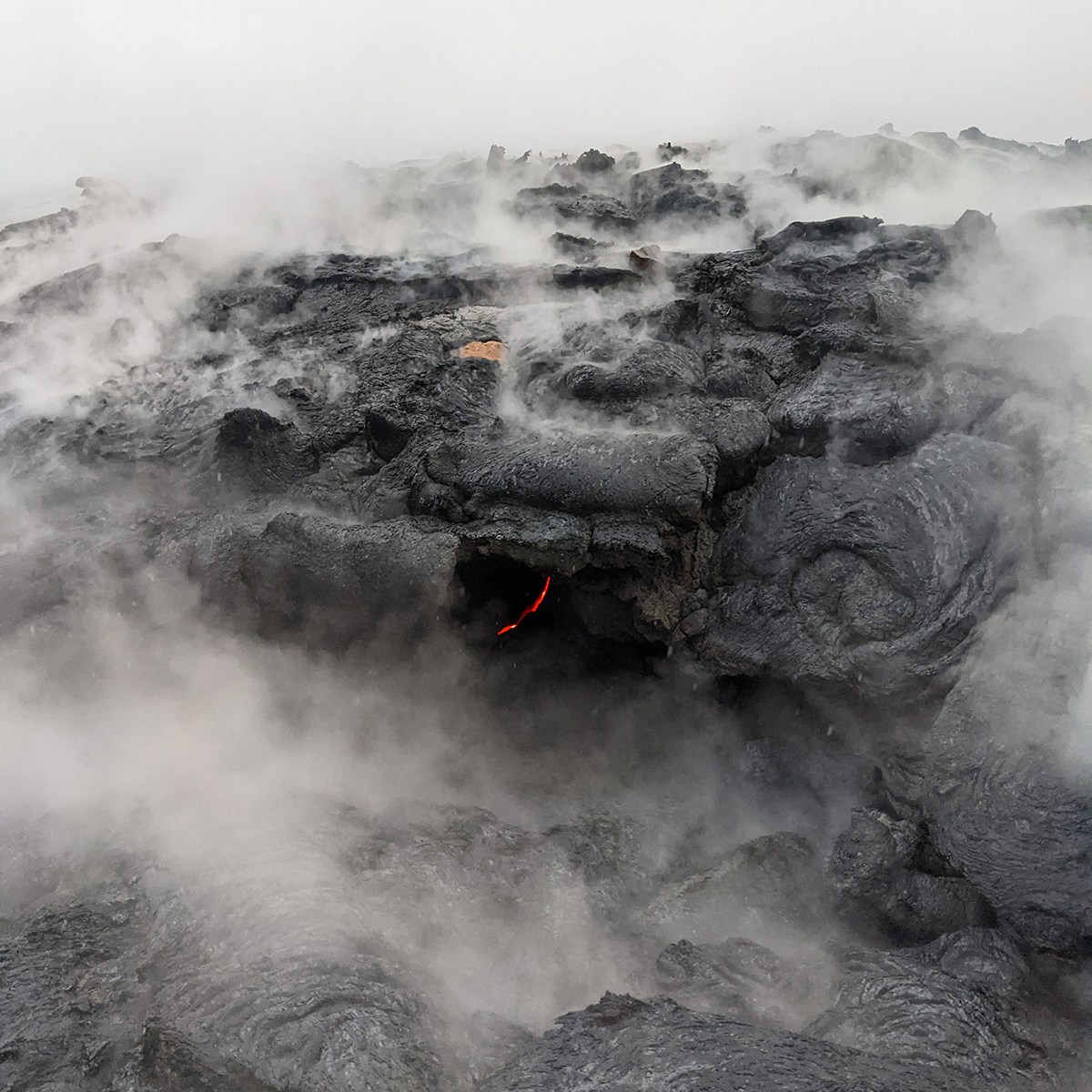
If it’s still active, go straight to the Geldingadalur volcano on Fagradalsfjall mountain, the trailhead to which is a bit under half an hour from the airport. Pass the Blue Lagoon on 43, turn east at Grindavík onto 427, and the parking lots (both a large public lot as well as one or two private, paid options slightly closer to the trailhead) will appear after a few kilometers. Allow at least two hours for an easy, round-trip walk up to the active flows — and even to the crater, if it remains accessible — all the while being aware of the wind direction so that you can minimize exposure to the noxious fumes. Unless tectonic activity is your jam, this might be your only opportunity to see live lava close up, and the fact that it’s almost incidental to your trip, served up fresh just a short distance from the airport, is absurd.
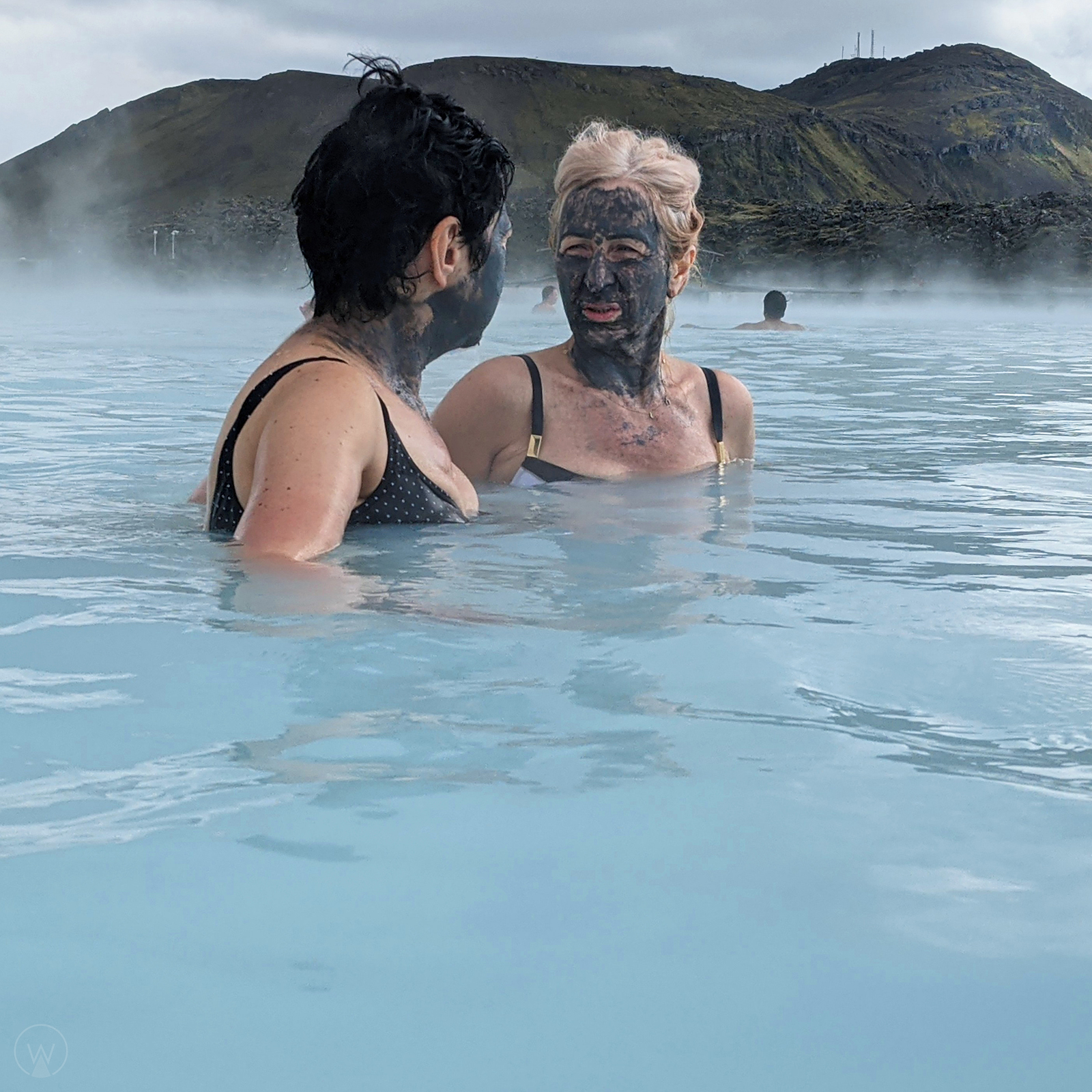
The Blue Lagoon is the largest, and arguably most highbrow, of Iceland’s innumerable geothermal spas. Don’t be dissuaded by its reputation as a tourist trap — there are worse places to be trapped, and this one’s perfect to soothe your post-flight bod for a couple of hours while attempting to process what you just witnessed up on the mountainside. Enjoy a drink from the poolside bar, strike up a conversation with the affable lifeguards, explore the property’s nooks and crannies (including saunas, steam baths, etc.), and rub some therapeutic mineral-mud on your face. This backtrack-a-bit sequence is recommended so you can be among the first on the mountain at the volcano, but the Lagoon requires advance reservations — they are lenient in enforcing arrival times — so depending on availability you may be hitting the spa first. Either way, before heading into town, take a few minutes to hop, skip or moonwalk from Europe to North America (and back) on the nearby Bridge Between Continents, a 15-meter structure spanning a rift between the Eurasian and North American plates.
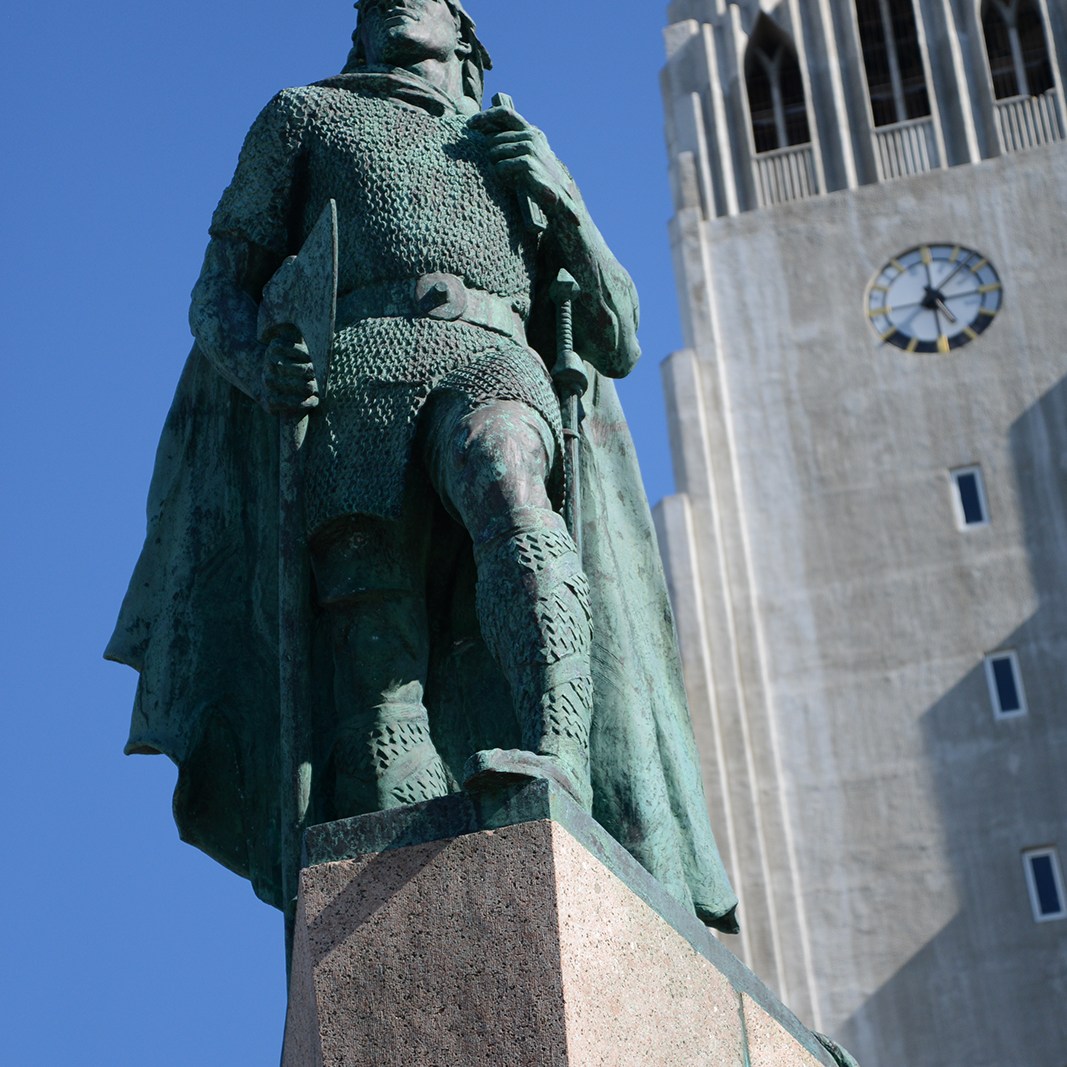
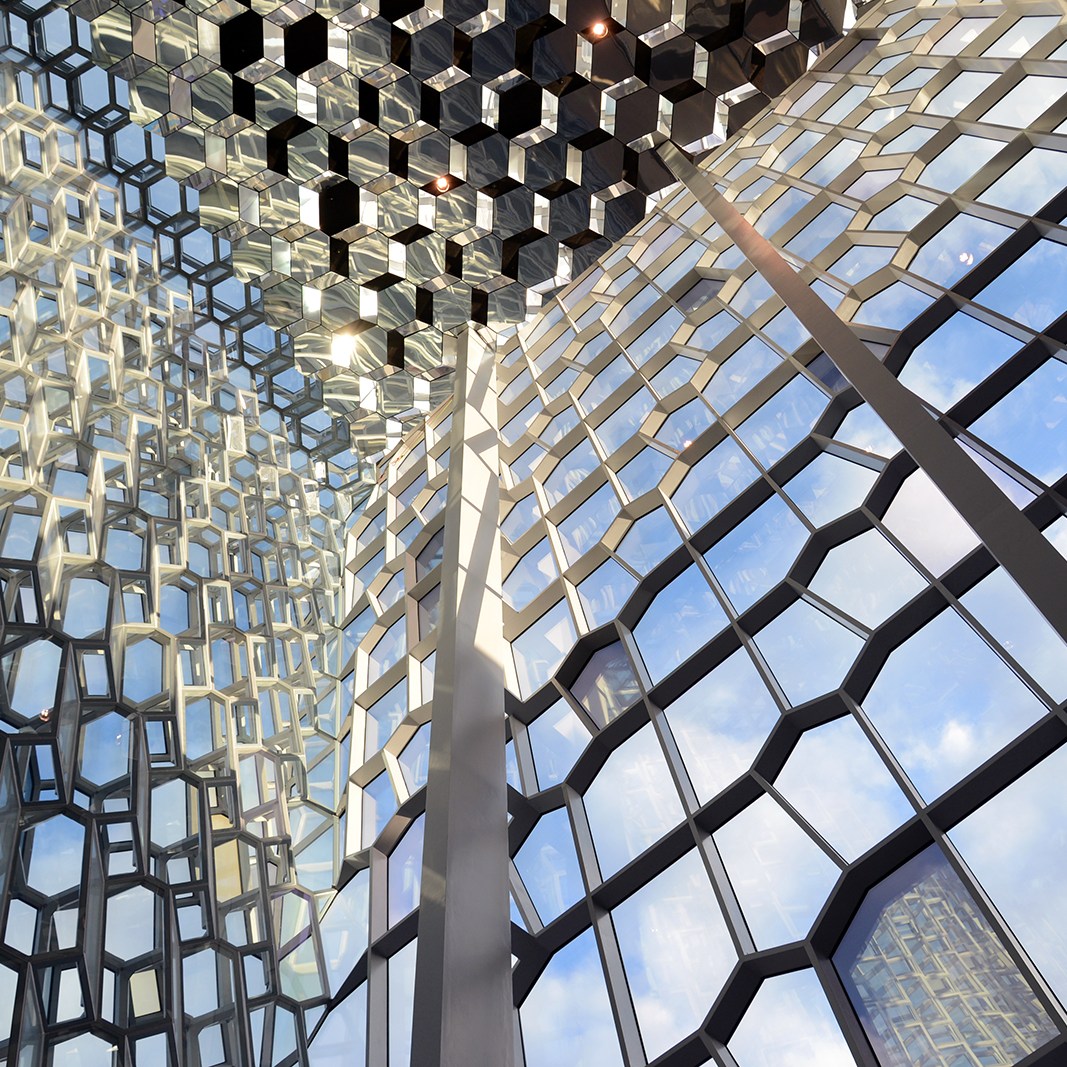
What it may lack of other Scandinavian capitals’ history, architectural flair and sheer size, Reykjavik — whose population of 123,000 equals that of Topeka — makes up for in grace, vibe and density. Most of its essentials can be walked to within the triangle formed by the imposing hilltop Hallgrimskirkja (which some locals are said to call “The Big Suppository”), the sparkling Harpa Concert Hall and Landakotskirkja (Cathedral of Christ the King). Headlining your old-town amble is the primary pedestrian street, Laugavegur, where during the summer banquet tables are lined up end-to-end the length of a block and bedecked with buckets of wildflowers. Peruse hip woollen wares at MJÚK or more traditional designs around the corner at the Handknitting Association of Iceland.
On a long list of pleasant surprises Iceland produces, food is near the top, Reykjavik setting the national standard which it then maintains by occasionally sending chefs to serve up pop-up menus in the island’s far-flung eateries. Try gyoza and a bowl from Momo (the country’s only ramen station), Mat Bar’s lingcod kabobs with rutabaga, apples and preserved lemon yogurt sauce, or the only item on the menu at Bæjarins Beztu Pylsur (The Best Hot Dog in Town), whose downtown stands The Guardian crowned the best in Europe. You can’t go wrong with any of the several bakeries downtown, but the whole grain baguette at Sandholt is not to be missed, and you may never wake up to a breakfast quite like the morning spread at the adjoining Sand Hotel. It’s included in your room rate and — trust me — worth nearly missing your return flight.
Speaking of the Sand: Geothermal water heats nearly all of Iceland’s buildings, so while water and electricity are not altogether free, Icelandic families pay a fraction for utilities, for example, of what Danish households do. Hence the country’s showers are luxuriously torrential, with those at the Sand taking a close second in my unofficial contest to Hotel Borg’s monsoon-o-matics.
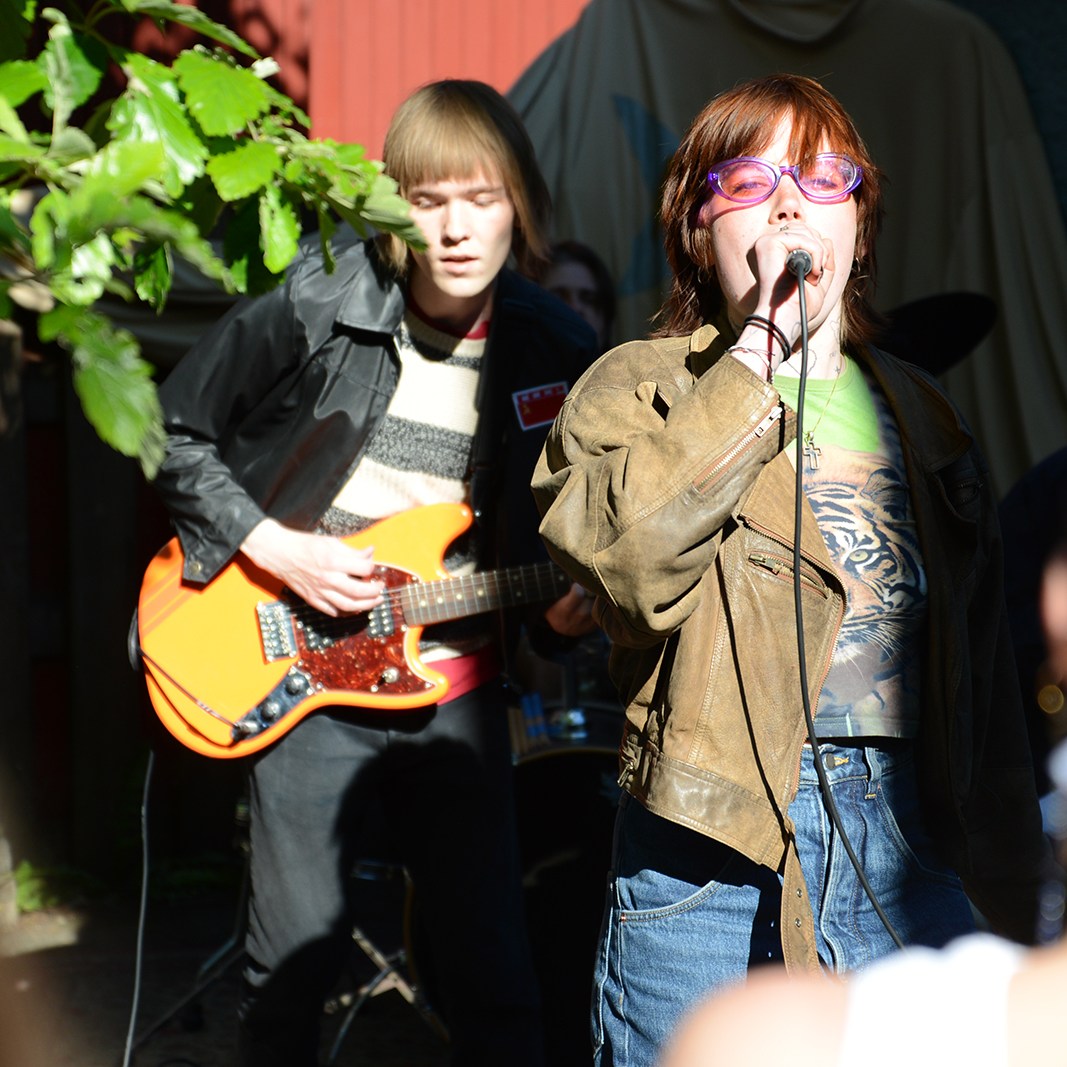
Reykjavik’s vibrant cultural scene means more than Björk. Attend an avant-garde screening at the art house cinema Bíó Paradís, catch a gig at the Kex Hostel (which occupies a former biscuit factory, hence kex for cookie), or keep your ears peeled for backyard bands as you stroll residential streets. Iceland’s National Gallery won’t dethrone counterparts in Stockholm or Oslo anytime soon, yet the comparatively modest collection at Safnahúsið (the Culture House) is worth seeing — and perhaps better appreciated at the end of your time in the country rather than the beginning.
Whatever you do with your P.M. in Reykjavik, don’t stay out too late, because you have an early start in the morning. But don’t worry — you’ll have some time here when you circle back into town in a week.
DAY TWO, MORNING: A THING, A GEYSER AND A SOUP
Today we’re doing a modified version of the famous Golden Circle (truncated yet expanded to be more like a Golden Scholiotic Camel’s Back), with the day’s final destination being a cozy pillow somewhere near the town of Vik at the southern part of the island. Logistically, we’re looking at six to seven hours of driving with a lot of little stops, and a few big ones, along the way. The day starts by forcing jet-lag adjustment and hitting the road as early as possible — meaning, be on the road by 8:00 and keep a brisk pace once you’re moving, or timing later in the day will get tough — heading northeast toward Thingvellir National Park.
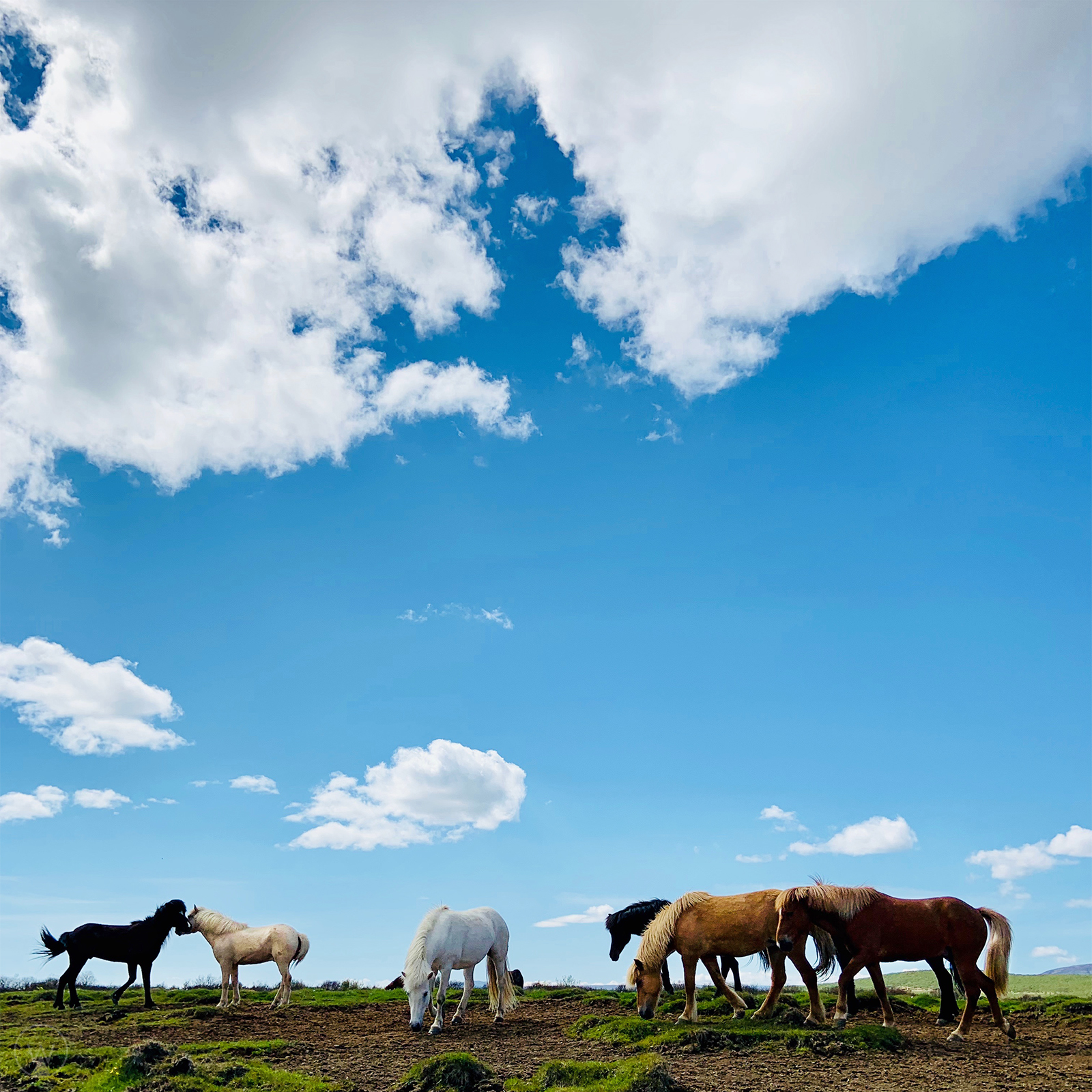
The first thing you’ll notice as you leave Reykjavik is how quickly you’ve left Reykjavik. Within eight minutes of stopping for breakfast at the pink Orkan service station on Vesturlandsveg (“Does this guy understand the actual meaning of gastronomy?” The ultra-gourmet raspberry / hemp seed / flax seed smoothie, made fresh for you by a fresh-faced kid, will answer your question.), you’ll be surrounded by green hillsides dotted with fuzzy sheep and horses rocking Bon Jovi manes. The only forewarning to this rural ambush will have been all of the morning traffic on 49 — Reykjavik’s closest equivalent to a freeway — screeching cheerfully to a halt to let a mother duck waddle her ducklings from the stream on one side of the road to the pond on the other.
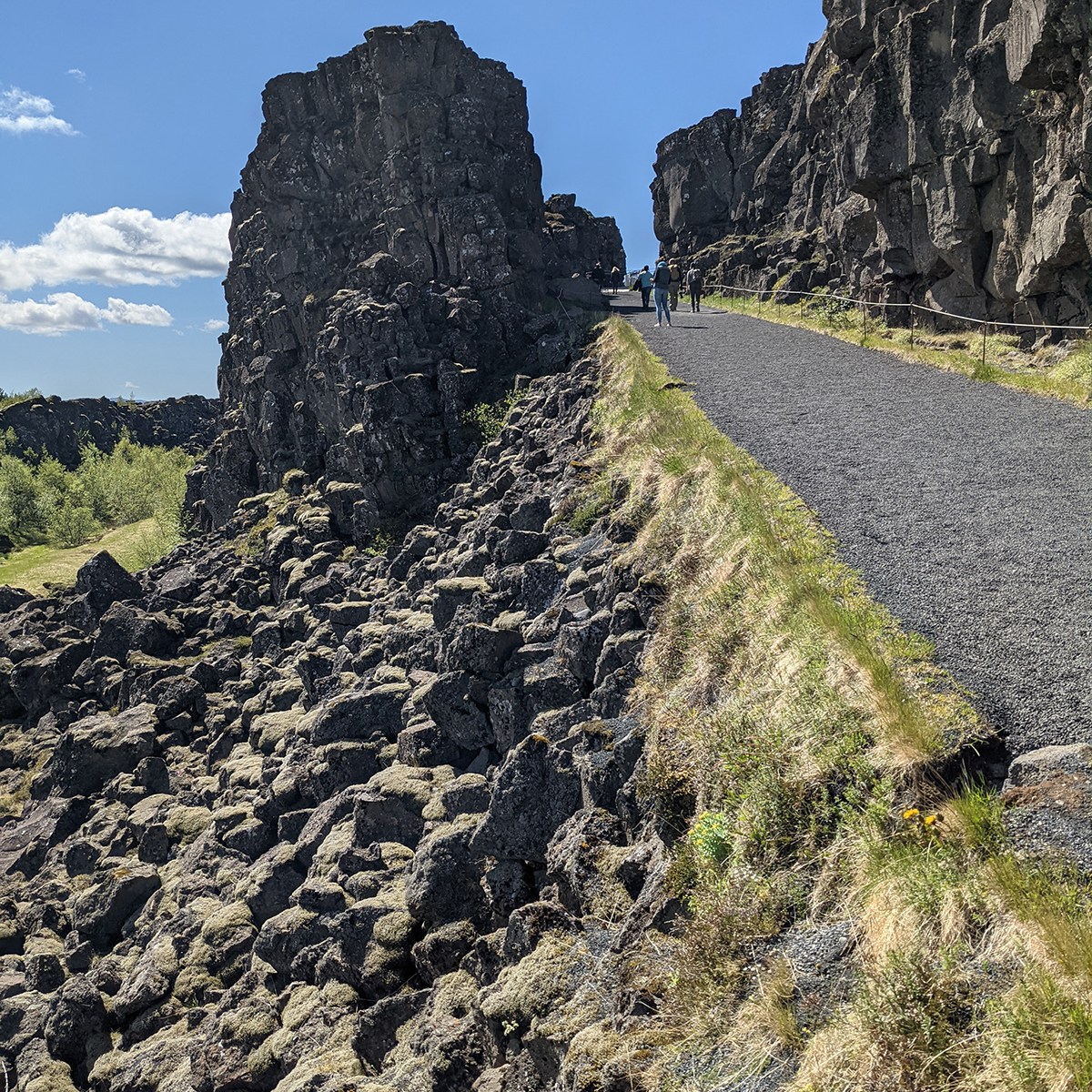
Þingvellir (Þ is pronounced “th” as in “thing”) marks the vellir (fields) where the island’s annual tribal congresses (or AlÞing) were held from the 10th through 18th centuries. It’s also geologically significant in that it sits in a rift valley between the two aforementioned tectonic plates, which allows participants in the diving tours at Silfra to claim — speciously, detractors suggest — to be able to touch two continents simultaneously while underwater. Wooden boardwalks and gray pathways weave throughout the park, the latter giving a satisfying crunching noise as lava pumice grinds underfoot with each step. Even if nature is only whispering, be sure to use the facilities before you leave, as these glass-walled latrines offer what must be some of the best views of any national park, anywhere.
Continue eastward to the resort town of Laugarvatn for a stop at the Fontana thermal baths. Whether you choose to take a quick dip in these tidy pools on the edge of a chilly lake will depend on your time and your interest, but be sure to walk down the hill immediately to the south of the main facility, where the boardwalk leads to an area dotted with what appear to be conical sandcastles, topped by small stones, surrounded by swirling steam. These are underground ovens in which Iceland’s specialty rúgbrauð (rye bread, also called lava bread) is baked in pots heated entirely by geothermal activity. Marvel for a moment at this symbol of shrewd adaptation to one’s environment, and then hurry back to the spa café to buy a tasty loaf of ingenuity that’ll feed you for the next few hundred kilometers.
Bruarfoss waterfall (foss itself means waterfall) is the optional next stop. The public trailhead is actually at a small parking lot 2.2 kilometers before (i.e., west of) the private road to which Google will map you, and while the fall’s blue waters are legendary, reaching them requires a round-trip hike of about two hours. So unless you were burning petrol by about 6:00 this morning, skip this one, as we did.
Although the Haukadalur Valley may not present the most extensive or varied collection of geothermal features you’ll ever see, the Strokkur geyser is a lot of fun, erupting every five to ten minutes in sudden, boily bursts. Its neighbor, Geysir, relaxes like an elder statesman having retired from his work (which included lending his name, deriving originally from the Old Norse word meaning “to gush,” to the modern English word), in an inconspicuous location marked by a humble trailside sign reading, somewhat wistfully, “Geysir is dormant, eruptions are rare.”
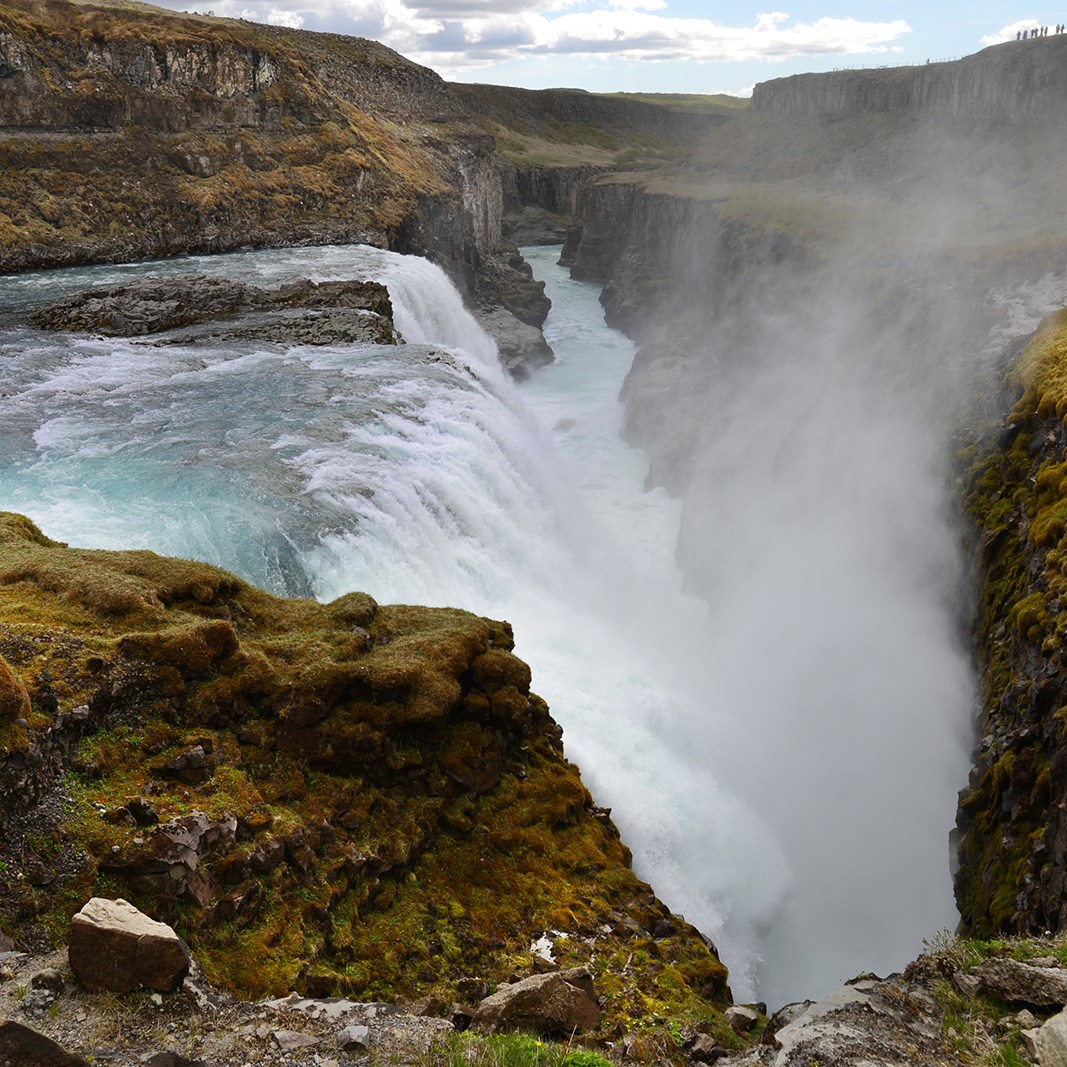
The morning ends at Gullfoss, Iceland’s most famous falls and certainly among its most impressive. Follow the hillside trail to its rocky end and appreciate that there are no concrete platforms or steel guardrails at the precipice, and certainly no tacky honeymoon lodges perched along the cliffs. There is, however, a visitor’s center back at the parking lot, whose gift shop’s tackiest ware is a baby bib with an embroidered puffin, while everything else on the shelves and mannequins is of a quality and price point better suited for an anniversary present. It being lunchtime, or maybe a bit past, treat yourself to the cafeteria’s lamb soup. While ladling up my free refill, a teen named Jakob beamed in response to my praise, “It’s famous for a reason. My grandmother’s recipe!” Resist the urge to overindulge in grandma’s goodness because you’re going to eat again shortly.
If you’ve made good time thus far — meaning, it’s not much past 13:00 — consider continuing north even another half hour or so parallel to the Ölfusá River on scenic F35 (aka Kjalvegur or the Kjölur Route) to Hvítárvatn, the lake fed by the southwesterly runoff of Langjökull (long glacier) ice cap. But time is most likely on the tight side, plus you’ll have closer encounters with glacier tongues later, so, like us, you’ll probably make the u-turn southward.
DAY TWO, AFTERNOON: RURAL DELIGHTS AND LIQUID SERENITY
Here we start to peel off of the back half of the Golden Circle as we point toward our next primary designation, Þjórsárdalur (Thórsárdalur Valley) and its waterfalls, and how you navigate these next few stops depends on which of them you choose to visit. This sequence assumes you visit all of them, and requires no backtracking.
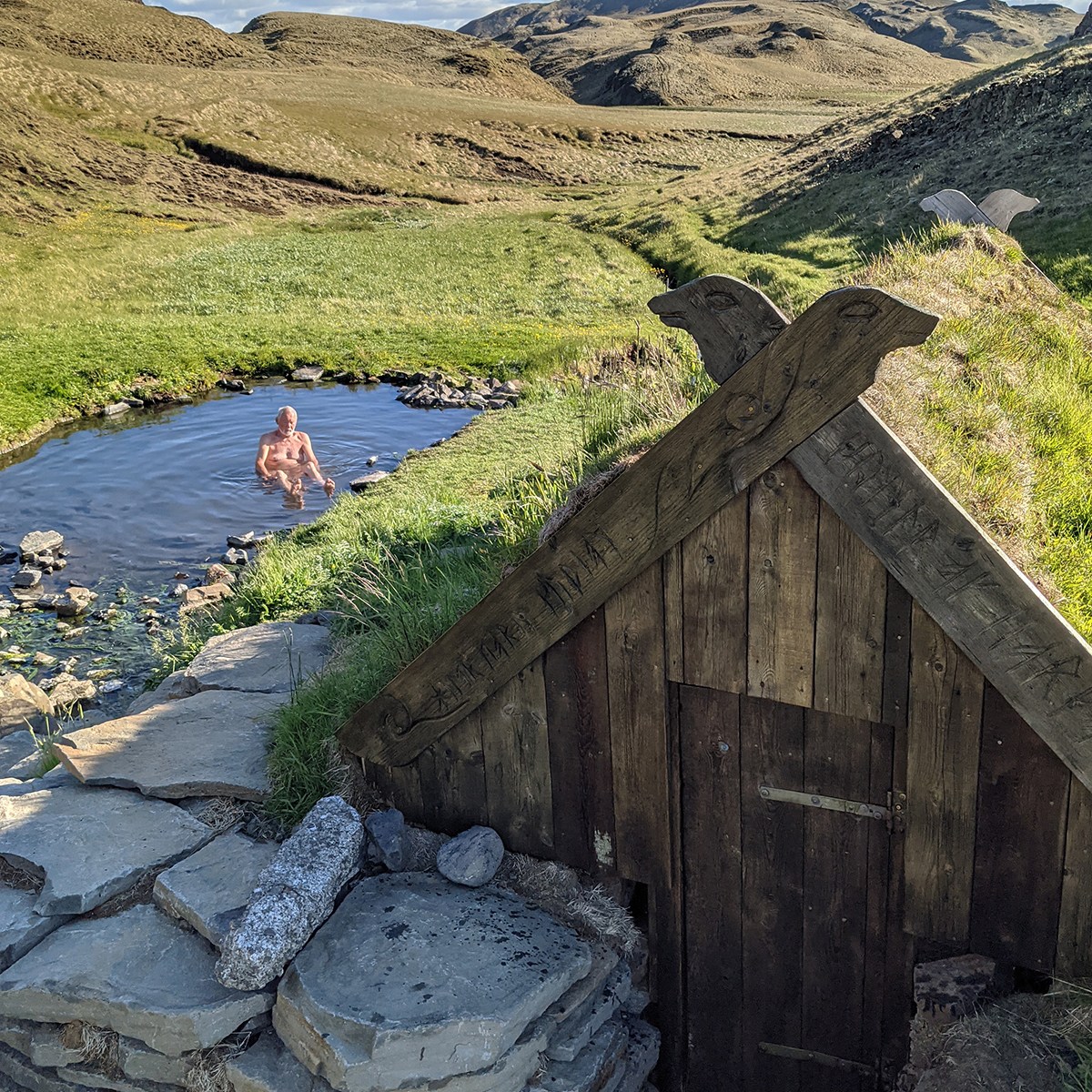
Shortly after leaving Gullfoss, turn south off of 35 onto 30, following it along the Ölfusá until you reach Hrunalaug Hot Spring, one of the country’s most secluded thermal baths, and certainly more charming than the not-secret Secret Lagoon in nearby Flúðir (ð is pronounced “th” as in “this”). Hrunalaug is family-owned and the matriarch is likely to be knitting as she accepts your modest admission fee, but if you just want to hike the short trail to take a look rather than a soak, she may give you a hall pass.
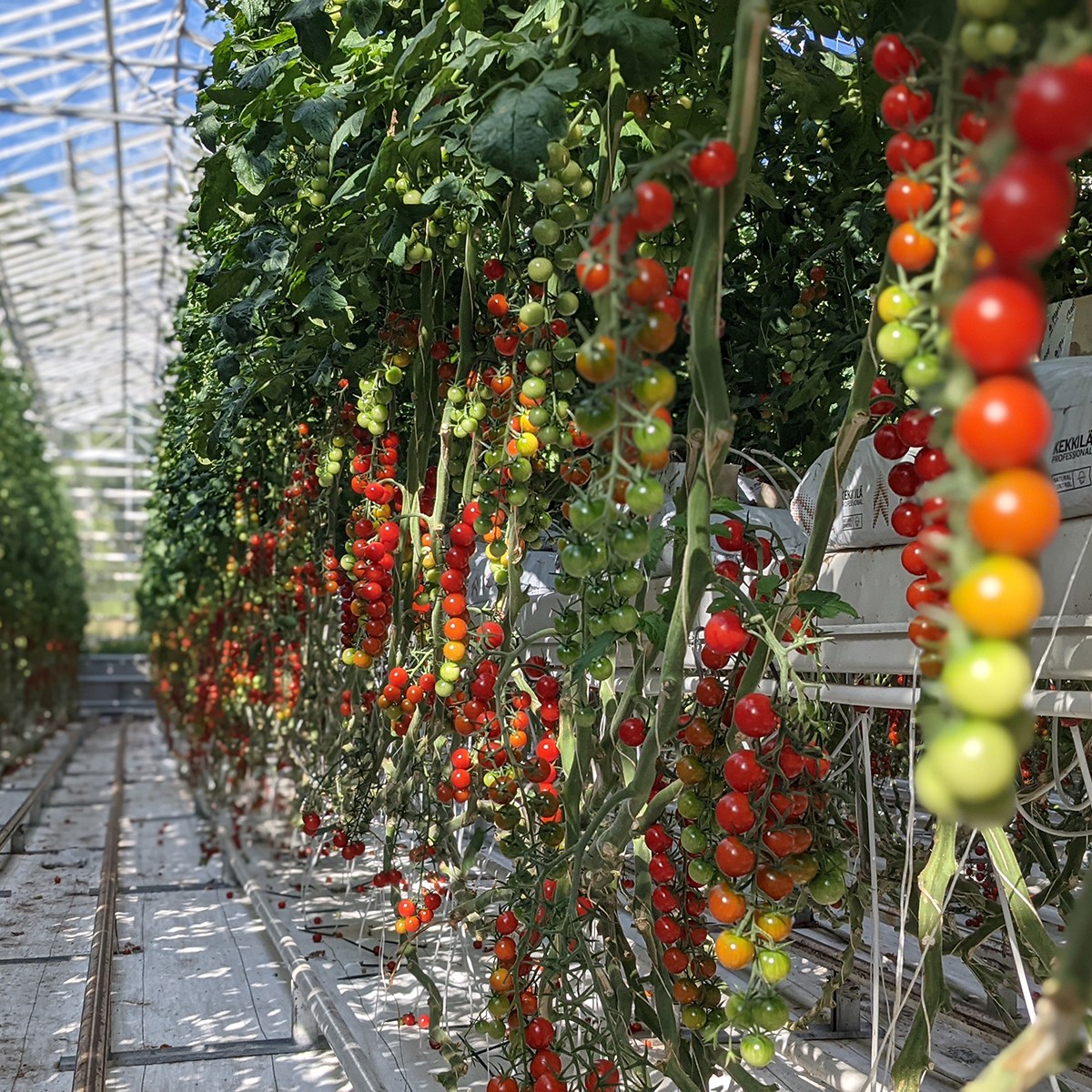
From Flúðir, take 359 north back to 35 then turn left. In a couple of kilometers, you’ll reach Friðeimar Gardens, an agri-engineering marvel that produces more than a third of Iceland’s organic tomatoes. Rows and rows of vines are strung along an elaborate pulley system by which they can be pollinated (by bees in portable mini-hives), ripened and harvested with at least the appearance of ease, year-round. Not surprisingly, the singular restaurant’s menu is tomato-centric, including desserts of apple-tomato pie, tomato ice cream, and cheesecake topped with cinnamon, lime and (you guessed it) green tomato, all served in clay planters. The bar offers Marys (both virgin and bloody), tomato beer and tomato schnapps, and, to perfect the experience, seating is directly amid the vines, each table with its own basil plant and accompanying scissors so you can harvest and season in real time. Even if you’re not into tomatoes, deliciousness or happiness, Friðeimar is a must-visit between Gullfoss and Þjórsárdalur.
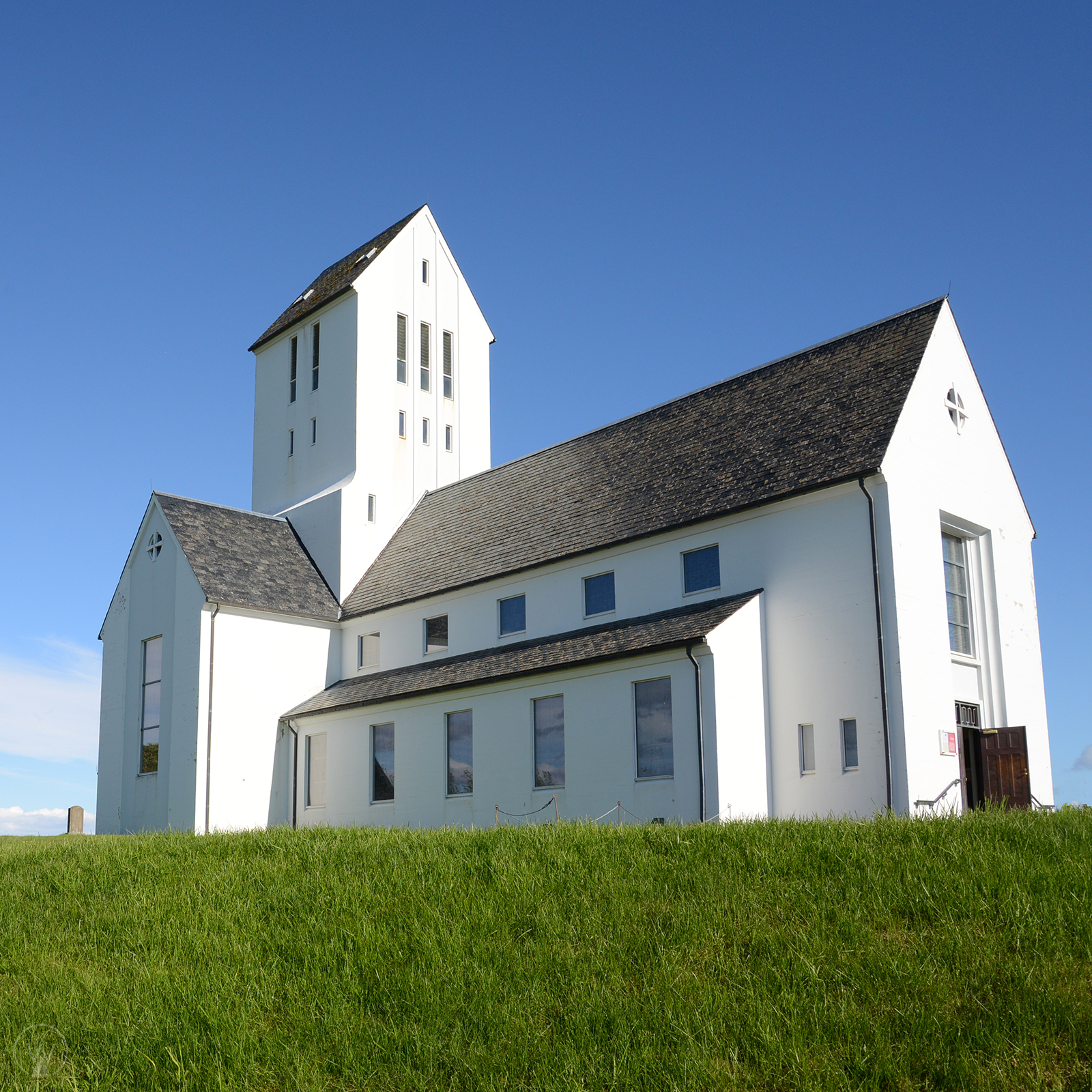
Ten minutes southwest of Friðeimar (on 35 then 31) is the village of Skálholt and its cathedral, built on a site that first gained significance in the 11th century and whose role varied over time with religious developments in Europe. The present-day structure is reserved and yet impressive against the countryside backdrop, made even more so by the presence of modern Scandinavian lines contrasted with the raw, turbulent nature that has characterized much of what we’ve seen so far.
Set your nav on Haifoss and continue south for a few miles on 31, jog left on 30 then immediately right on 32, Þjórsárdalsvegur. (You’ll know you’ve turned at the right intersection when you pass a large and ambitious road sign best interpreted with a magnifying glass, a compass and a sextant.) This drive represents the longest out-and-back of this entire itinerary, but as you pass farm after farm on one side and bend after bend in the mighty Þjórsá river on the other, you’ll welcome the uninterrupted flow of things. Pray for clear skies, or at least several kilometers of visibility.
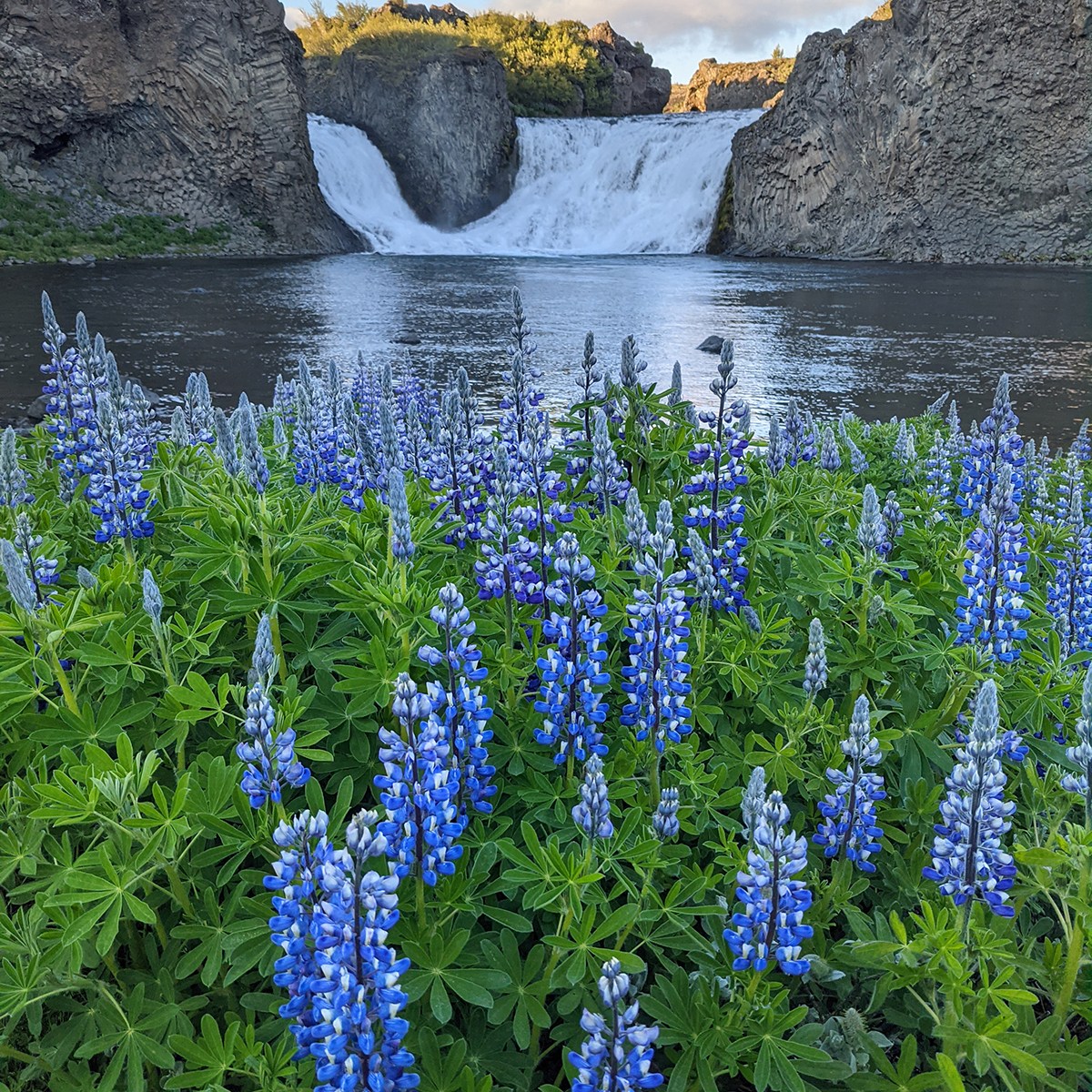
Whether on the way out or the way back, stop at lovely Hjalparfoss for a close look at two natural features that will feature prominently throughout your trip: lupine flowers (a colorful yet invasive species brought to Iceland from Alaska in the ‘70s to slow soil erosion, and now growing everywhere) and hexagonal basalt columns (the results of the process by which lava cools). Google will map you to an older trailhead that requires a bit of a walk, just south of which is a new road that leads directly to the falls.
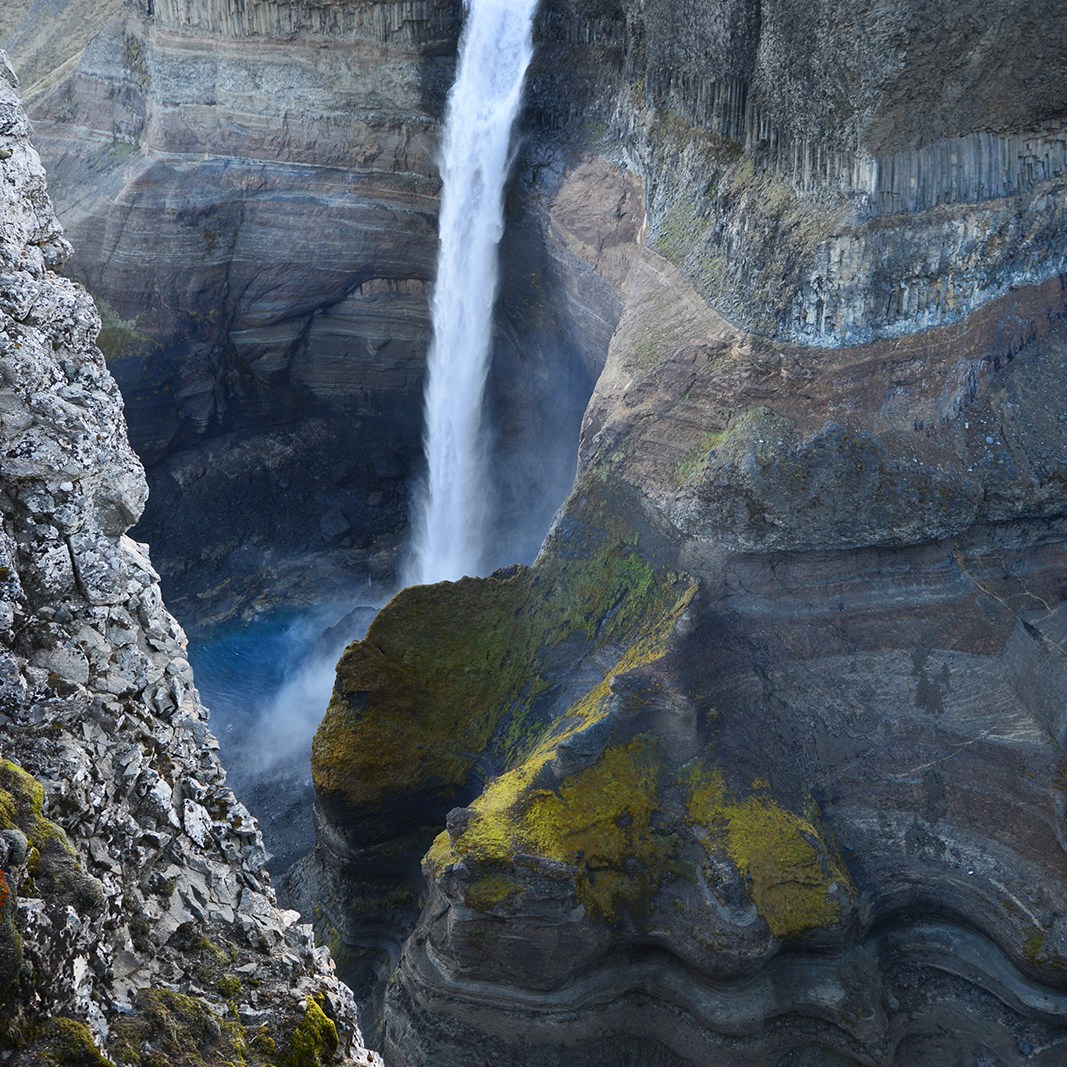
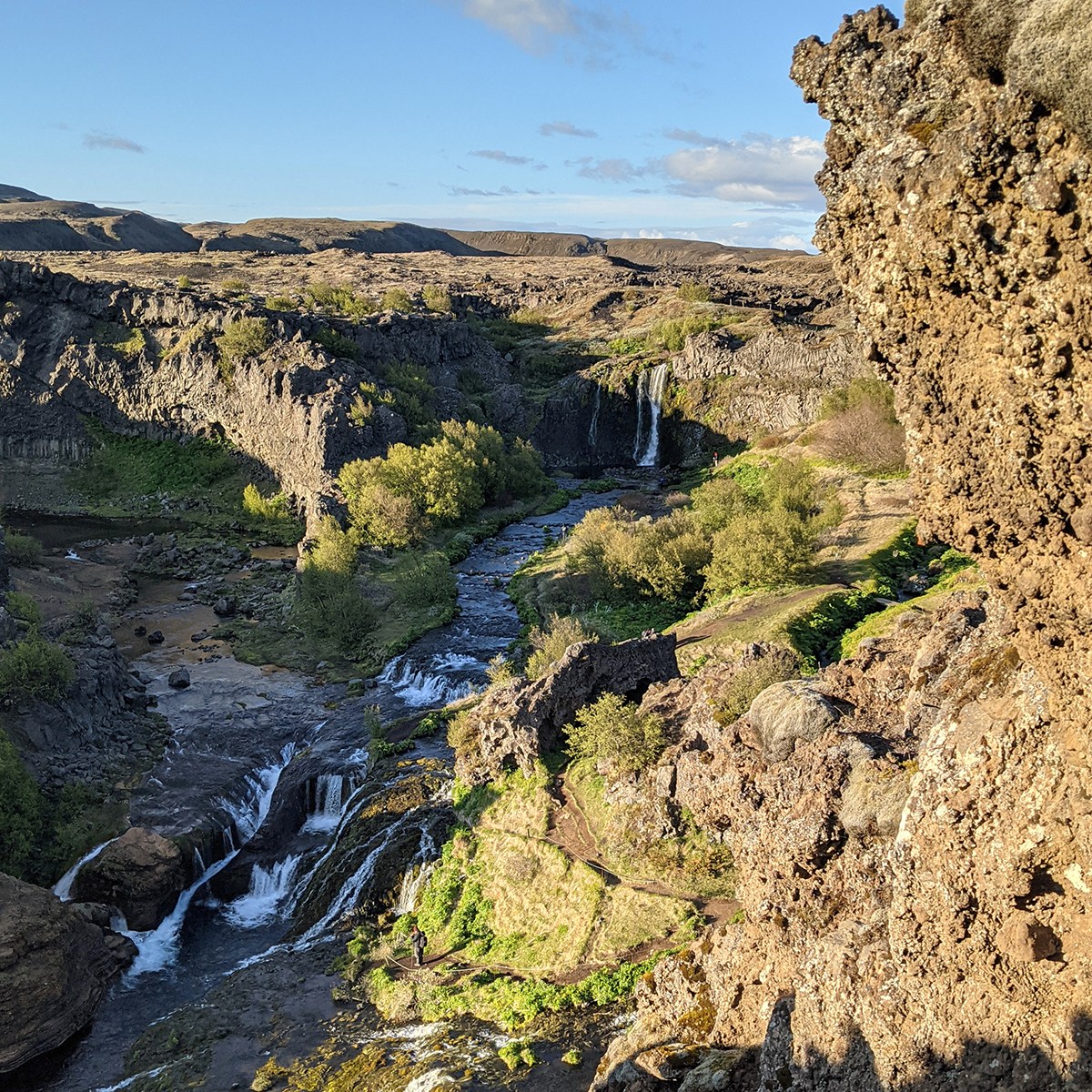
After you’ve finally left 32 and are slowly making your way north on 332, you may begin to wonder, “This can’t be the right road to a supposedly major site, can it?” It’s this single-lane, unpaved isolation that helped earn Haifoss, and its majestic sister fall, Granni, a spot on CNN’s list of “the most serene places in the world.” Before reaching 32 on your return, take 327 south a couple of miles to Gjáin, a lush “Vegas Shire” of a valley that couldn’t possibly seem more out of place. Indeed, much of Gjáin’s exhilaration factor owes to its total incongruence with its surroundings, accentuated further by the punishing moonscape of a “road” that you’ll rove over to suddenly reach the oasis. You can probably do it in a Corolla, but I’d rather be in at least a RAV4.
DAY TWO, EVENING: CHASING WATERFALLS
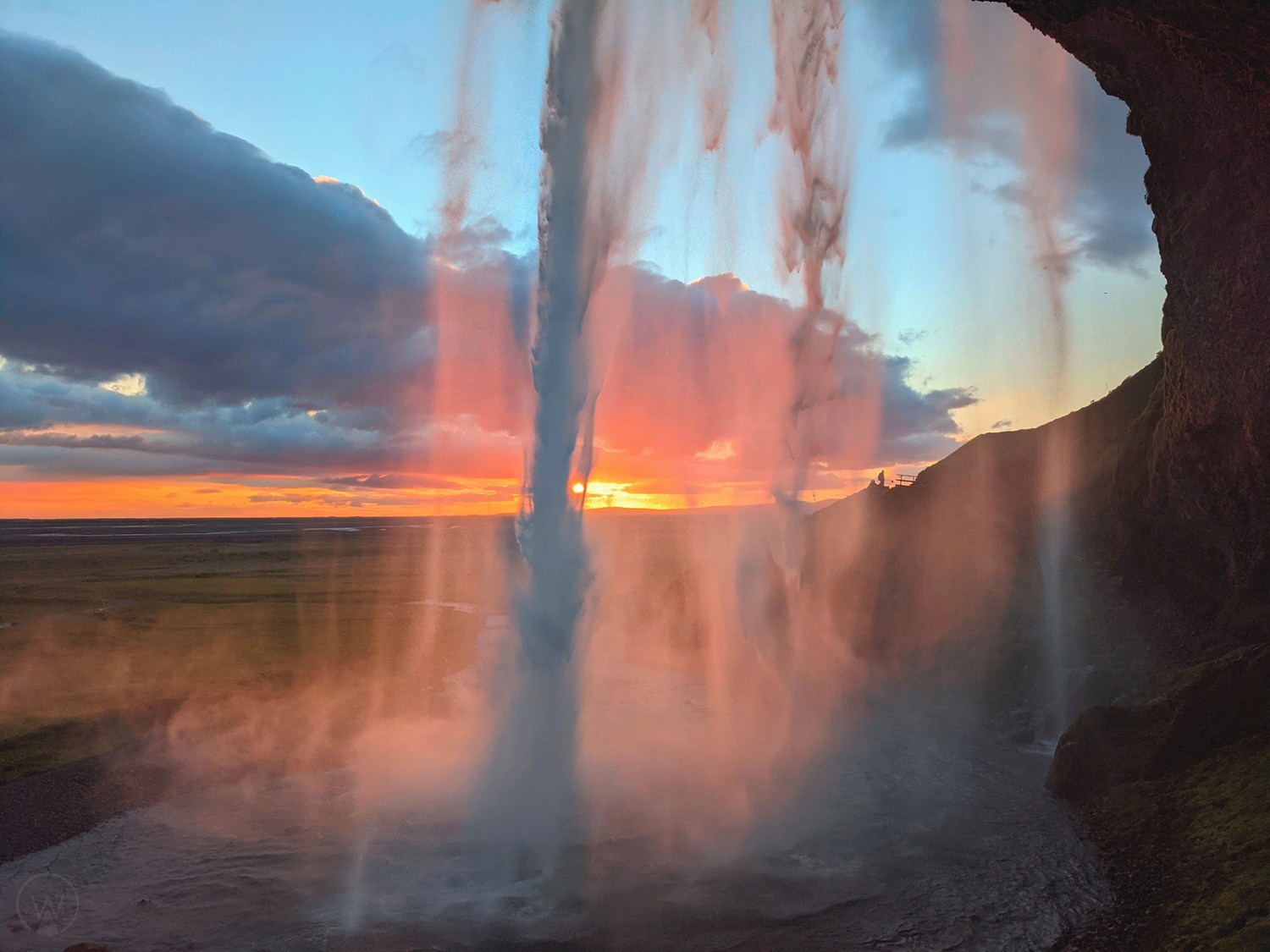
On a technicality, I’ll take back what I said about the Þjórsárdalur out-and-back, because driving 26 back toward the coast follows the south, rather than north, bank of the Þjórsá, and takes just as long as retracing 32. (Our itinerary is too tight for you to take the ferry out to Elephant Rock on the Vestmannaeyjar archipelago. Maybe next time.) Either way, your next stop is Seljalandsfoss. The name may not ring a bell, but if you’ve done even basic research on Iceland, you’ll recognize an iconic photo taken from within the cavernous opening behind the falls — spectacular in any light, spellbinding at sunset. Less than a kilometer north of Seljalandsfoss is Gljúfrabúi, a waterfall hidden inside a cave. Ten minutes north of that is another fall tucked back into a small ravine, Nauthúsagil, although if the hour is getting too late, this can be skipped.
Unless you want a thoroughly rustic (and not particularly hot, by local springs standards) pool experience that requires a bit of a hike to boot, pass on historic Seljavallalaug and use that time for dinner at a hotel on your way to Skógafoss, the highest-volume falls you’ll see in this region.
We glamped in a tent at the Farmhouse Lodge in Skeiðflötur, just down the road from Skógafoss, so this is where our day’s itinerary ends. If you choose to lodge tonight in the town of Vik, you may want to see a few things — time and light permitting — after you leave Skógafoss, so as to avoid either backtracking in the morning or missing them altogether. These are the Sólheimajökull glacier tongue, the views from the lighthouse atop Dyrhólaey peninsula, and the basalt columns and caves at the east end of the Reynisfjara black sand beach, the details of which I cover in the post on Days 3 & 4.
QUESTIONS FOR READERS
- How do the world’s great waterfalls (such as Victoria, Niagra, Talnikovy, Angel and Iguazú) compare to Iceland’s best?
- Where in the world have you encountered the kindest locals?
- Any handy tips to keep the blood flowing in your feet during long road trips?
 WANDERLOOSED